
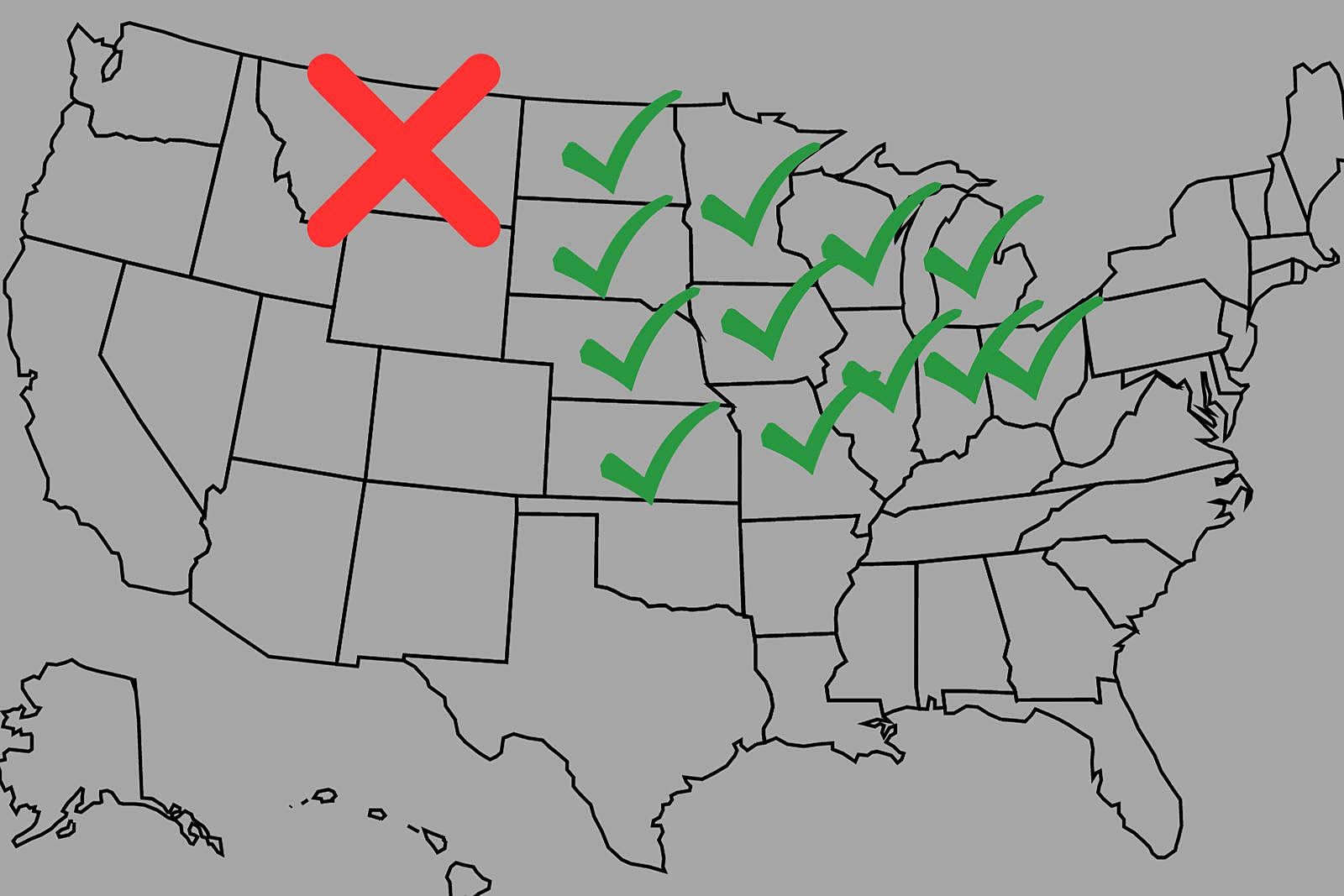
The question of geographical categorization can often spark lively debate, especially when it comes to the vast and diverse landscapes of the United States. Among the most enduring of these discussions is whether the Big Sky Country, Montana, truly belongs within the commonly understood boundaries of the Midwest. While readily associated with the rugged West, a closer examination of historical, cultural, and even practical considerations reveals a more nuanced and surprisingly interconnected relationship between Montana and the Midwest. This exploration delves into why the answer, though seemingly straightforward, invites deeper reflection on how we define regions and the experiences they offer to travelers.
Defining the Midwest: More Than Just Geography
The term “Midwest” conjures images of rolling farmlands, friendly faces, and a certain heartland identity. However, its precise definition is surprisingly fluid. Traditionally, the U.S. Census Bureau includes twelve states in its definition: Illinois, Indiana, Iowa, Kansas, Michigan, Minnesota, Missouri, Nebraska, North Dakota, Ohio, South Dakota, and Wisconsin. Noticeably absent from this official list is Montana.
Common Perceptions and Stereotypes
When travelers think of the “Midwest,” images of cornfields, friendly small towns, and perhaps the Great Lakes often come to mind. It’s a region characterized by its agricultural bounty, its industrial heritage in some areas, and a general sense of accessibility and community. This perception is deeply ingrained and often shaped by media portrayals and personal experiences. For many, the “Midwest” signifies a particular pace of life, a distinct cultural flavor, and a geographical proximity to the East Coast and the Canadian border.
The “Western” Identity of Montana
Montana, conversely, is indelibly linked to the American West. Its identity is forged by the majestic Rocky Mountains, vast open plains, a frontier spirit, and a history of cowboys, Native American tribes, and gold rushes. Destinations like Yellowstone National Park (partially in Montana), Glacier National Park, and cities like Bozeman and Missoula are intrinsically associated with the adventurous, untamed essence of the West. The sheer scale of its landscapes, the prevalence of ranching, and the enduring allure of its wild spaces firmly place Montana in the Western category for most.
Bridging the Divide: Historical and Cultural Connections
Despite the stark geographical and perceptual differences, a closer look reveals historical and cultural threads that subtly weave Montana into a broader American narrative that includes the “Midwest”. Understanding these connections is key to appreciating the full spectrum of travel experiences available across these seemingly disparate regions.
Westward Expansion and Settlement Patterns
The narrative of Westward Expansion is intrinsically linked to the development of both the “Midwest” and the American West. Pioneers and settlers often journeyed from the East Coast, passing through or settling in the states now recognized as the “Midwest” before venturing further west. This migration pattern established crucial transportation routes, including overland trails and, later, railroads, which connected the agricultural heartland to the burgeoning territories and states of the West, including Montana. The Northern Pacific Railway, for instance, played a pivotal role in the settlement and development of Montana, originating from the East and facilitating the movement of people and goods. This shared history of pioneering spirit and the drive for westward opportunity creates a foundational link.
Economic Interdependence and Resource Flow
Economically, the “Midwest” and Montana have long shared a degree of interdependence. The fertile plains of the “Midwest” are the breadbasket of the nation, producing vast quantities of grain, corn, and other agricultural products. These commodities are essential for both domestic consumption and export. Conversely, the Western states, including Montana, have historically been rich in natural resources – minerals, timber, and vast expanses of land suitable for ranching.

The infrastructure built to support Westward Expansion, particularly the railroad network, facilitated the flow of these resources. Agricultural products from the “Midwest” were transported west, while resources from Montana and other Western states were shipped east to fuel industrial centers. This economic synergy meant that the prosperity of one region was often tied to the success of the other, fostering a subtle but significant connection. For example, the demand for agricultural equipment manufactured in the “Midwest” supported its industrial base, while the resources extracted from Montana contributed to the national economy that sustained both regions.
Shared Cultural Influences and Migratory Patterns
While distinct, cultural influences have also flowed between these regions. The strong work ethic, community values, and a certain pragmatism often associated with the “Midwest” can be observed in the resilient spirit of Montanans. Furthermore, migratory patterns have, over time, seen individuals and families move between the “Midwest” and the West, bringing with them their traditions and perspectives. This exchange, though less overtly documented than historical trade routes, contributes to a shared American identity that transcends strict geographical boundaries. The enduring popularity of certain foods, music genres, and even recreational activities can show echoes of this cross-pollination.
Traveling Between the “Midwest” and Montana: A Journey Through Landscapes and Lifestyles
For the traveler, the distinction between the “Midwest” and Montana is most palpable in the dramatic shift in landscapes and the evolving pace of life. The journey itself becomes a significant part of the experience, offering a chance to witness the transition from the more settled, cultivated terrains of the “Midwest” to the grand, untamed vistas of the West.
The Journey East to West: From Prairies to Peaks
Embarking on a road trip from a state like Illinois or Nebraska towards Montana offers a spectacular visual narrative. Initially, travelers might traverse miles of flat or gently rolling farmland, characterized by neatly tilled fields and agricultural communities. As one moves further west, the landscape begins to subtly, then dramatically, transform. The plains may give way to more rugged terrain, interspersed with buttes, mesas, and eventually, the imposing presence of the Rocky Mountains.
The transition in architecture, from the practical farmhouses and small-town squares of the “Midwest” to the more rustic lodges, ranch-style homes, and mountain cabins of Montana, is also striking. Cities like Omaha or Minneapolis represent the bustling urban centers of the “Midwest,” offering diverse cultural attractions and dining scenes. In contrast, Montana offers cities like Billings and Helena, which, while growing, retain a more relaxed, frontier-influenced atmosphere, often serving as gateways to immense natural wonders.
Experiencing Distinct Travel Styles
The travel experiences offered by the “Midwest” and Montana cater to different, though sometimes overlapping, interests. The “Midwest” is ideal for those interested in exploring charming small towns, visiting historical sites related to early American settlement and industry, enjoying farm-to-table culinary experiences, or taking in the vibrant arts and culture scenes of its major cities. Destinations like Chicago, with its world-class museums and architecture, or the quaint lakeside towns of Michigan offer unique explorations.
Montana, on the other hand, is a paramount destination for outdoor adventurers and nature enthusiasts. Hiking in Glacier National Park, fishing in its pristine rivers, exploring the historic mining towns like Virginia City, or experiencing the grandeur of the Lewis and Clark National Historic Trail are experiences that define its allure. The emphasis here is on natural beauty, wildlife viewing, and a profound connection with the wilderness. Staying in a cozy cabin near a national park or a historic lodge provides an immersive experience that contrasts with the urban hotels or boutique inns one might find in the “Midwest”.

Conclusion: A Matter of Perspective and Experience
So, is Montana in the “Midwest”? Geographically and by most common definitions, the answer is no. It is firmly rooted in the American West. However, to dismiss any connection or shared experience would be to overlook the rich tapestry of American history and culture. The westward expansion, the economic ties, and the shared spirit of resilience and community form a subtle yet significant bridge.
For travelers, this nuanced understanding enriches the appreciation of both regions. Recognizing the historical and cultural threads that connect Montana to the broader American narrative, including its relationship with the “Midwest”, allows for a more comprehensive and insightful journey. Whether you are drawn to the agricultural heartland or the majestic mountains, the United States offers a diverse array of experiences, each with its own unique identity and its own place within the grander story of the nation. The question of definition ultimately serves as a gateway to exploring the fascinating complexities of American geography and the experiences that await us within its diverse landscapes.
LifeOutOfTheBox is a participant in the Amazon Services LLC Associates Program, an affiliate advertising program designed to provide a means for sites to earn advertising fees by advertising and linking to Amazon.com. Amazon, the Amazon logo, AmazonSupply, and the AmazonSupply logo are trademarks of Amazon.com, Inc. or its affiliates. As an Amazon Associate we earn affiliate commissions from qualifying purchases.