
Rapid City, often referred to as the “Gateway to the Black Hills,” stands as a pivotal urban center in western South Dakota. Understanding its population is more than just a statistical exercise; it offers crucial insights into the city’s character, infrastructure, economic dynamism, and overall appeal as a travel destination. The number of residents directly shapes the urban landscape, influences local culture, and dictates the scale of amenities available to both its inhabitants and the myriad visitors it welcomes annually. For any traveler considering a trip to this vibrant region, grasping the demographic profile of Rapid City provides a fundamental context for what to expect.

Rapid City: A Growing Hub in the Black Hills
Rapid City’s population isn’t merely a fixed figure but a dynamic indicator of its growth and evolving identity. As of the most recent estimates from the U.S. Census Bureau, the population of Rapid City was approximately 79,219 as of July 1, 2023. This figure represents the core municipal population, distinguishing it from the broader metropolitan or county-level demographics. When considering the wider metropolitan area, which encompasses Pennington County and parts of surrounding counties, the population swells significantly, underscoring Rapid City’s role as the economic and cultural nucleus of the western South Dakota region. This growth trend is a hallmark of Rapid City and has profound implications for its development as a premier travel destination.
Current Demographics and Growth Trends
The consistent growth of Rapid City over recent decades can be attributed to several factors. Its strategic location at the nexus of major highways, its proximity to national treasures like Mount Rushmore National Memorial and Badlands National Park, and its robust economic sectors have drawn new residents. Beyond tourism, the presence of Ellsworth Air Force Base, a burgeoning healthcare industry, and a growing education sector contribute to a diverse and stable job market. This influx of residents, including young professionals, families, and retirees, shapes the city’s demographic makeup, leading to a vibrant, multi-generational community. The diversity in its population also means a broader array of services, dining options, and cultural events that benefit both locals and tourists alike. The median age, household income, and educational attainment levels further paint a picture of a steadily progressing urban area, fostering an environment ripe for continued development and refinement of visitor experiences.
What the Numbers Mean for Visitors
For travelers, the population size and growth trajectory of Rapid City translate into several tangible aspects of their visit. A population approaching 80,000 means a city large enough to offer comprehensive services and amenities without feeling overwhelmingly crowded. Visitors can expect a well-developed infrastructure, including a range of accommodation options from boutique hotels to established chains, diverse dining experiences from local eateries to fine dining, and ample shopping opportunities. The moderate population size also allows for a balance between urban conveniences and access to natural beauty, making it easy to transition from city exploration to outdoor adventures in the nearby Black Hills. The growth indicates a dynamic city constantly evolving, with new businesses and attractions emerging, ensuring repeat visitors always find something new to discover.
The Urban Landscape Shaped by Its People
The physical and social fabric of Rapid City is a direct reflection of its population. From the architecture that defines its skyline to the community events that fill its calendar, every aspect is influenced by the number and nature of its residents. The growth experienced by Rapid City has necessitated strategic urban planning, leading to a city that is both functional for its residents and welcoming for its guests. This thoughtful development contributes significantly to its reputation as an accessible and enjoyable travel destination.
Infrastructure and Development
A growing population demands robust infrastructure, and Rapid City has invested significantly in meeting these needs. The city boasts a well-maintained road network, efficient public transportation, and a regional airport, Rapid City Regional Airport, that provides convenient access for travelers. The presence of a substantial and growing population also justifies the development of large-scale facilities such as the Rushmore Plaza Civic Center, which hosts concerts, conventions, and sporting events, adding another layer to the city’s appeal as a destination. Public parks and recreational areas along Rapid Creek, such as Main Street Square in the heart of downtown, are meticulously maintained and serve as gathering spaces that reflect the community’s desire for quality of life. These developments, driven by population demands, directly enhance the visitor experience by providing comfort, convenience, and opportunities for engagement.
Community Vibe and Local Culture
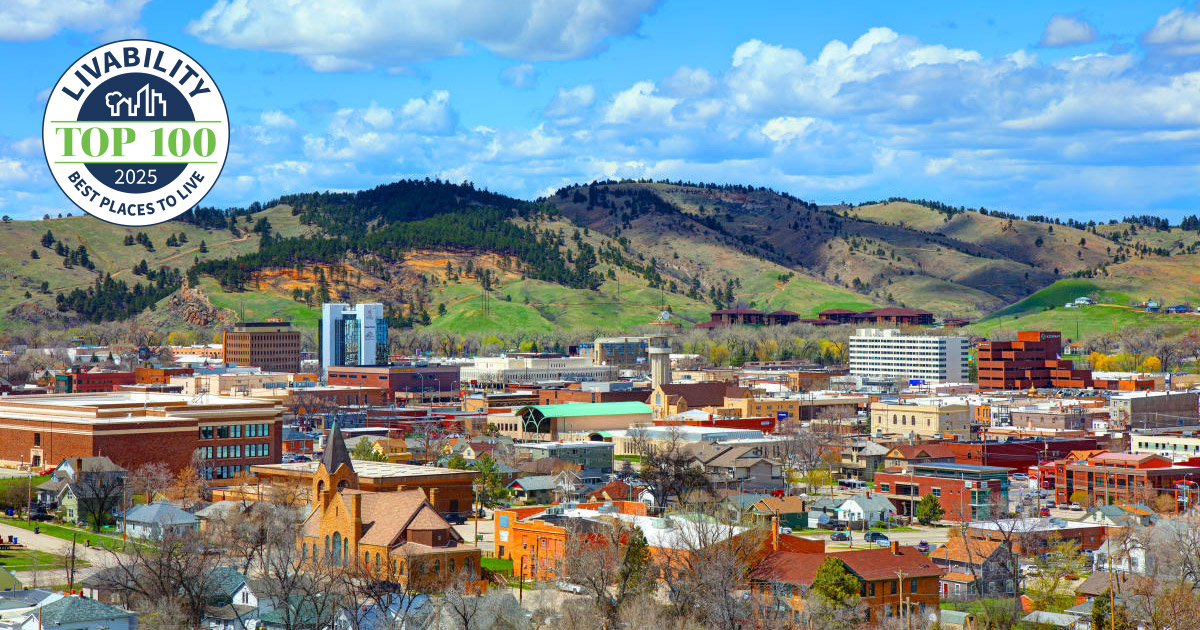
The collective identity of Rapid City’s residents creates a distinctive community vibe. It’s a blend of Midwestern hospitality, frontier spirit, and a growing appreciation for arts and culture. The population’s composition, including a significant veteran community and a youthful influx, fosters a rich tapestry of perspectives. This is evident in the local festivals, farmers’ markets, and public art installations found throughout the city, such as the “City of Presidents” statues downtown. Visitors can immerse themselves in this local culture, experiencing everything from authentic South Dakota cuisine to live music performances. The relatively manageable population size ensures that while there’s always something happening, the city retains a friendly, approachable atmosphere where interactions with locals are common and often enriching. It’s large enough to have variety, yet small enough to maintain a strong sense of community, a unique blend often sought by travelers.
Rapid City’s Role as a Regional Destination
Beyond its immediate boundaries, Rapid City’s population underscores its importance as a regional hub. It serves as a commercial, healthcare, and educational center for a vast area of South Dakota and even parts of neighboring states. This regional significance amplifies its attractiveness as a travel destination, as it becomes a natural base for exploring the wider Black Hills region. The substantial local population, combined with transient visitors, creates a thriving ecosystem of services and attractions designed to cater to a diverse audience.
Economic Impact and Tourism
The population of Rapid City is a critical component of its tourism economy. A strong local population provides the workforce for hotels, restaurants, shops, and attractions, ensuring high-quality service for tourists. It also forms a reliable consumer base that supports local businesses even during off-peak tourist seasons, contributing to the overall stability and diversity of the economy. The presence of a significant resident base means there is always a demand for amenities that tourist also utilize, such as grocery stores, pharmacies, and emergency services, making the city a comfortable and convenient place for an extended stay. Furthermore, the taxes generated by this population help fund public services and infrastructure improvements that directly benefit the tourism sector, creating a virtuous cycle of growth and development.
Services and Amenities for Travelers
Because Rapid City is the largest city in western South Dakota, its population supports a comprehensive array of services and amenities that are essential for travelers. Unlike smaller towns in the region, Rapid City offers a full spectrum of healthcare facilities, diverse shopping malls and independent boutiques, and a wide variety of dining options catering to all tastes and budgets. Cultural institutions like The Journey Museum & Learning Center and family-friendly attractions like Dinosaur Park are sustained by both local engagement and tourist interest. This density of services makes Rapid City an ideal staging point for exploring iconic nearby landmarks such as Crazy Horse Memorial and Custer State Park, providing visitors with all the comforts and conveniences of a larger city while still being immersed in the natural beauty of the area.
Planning Your Visit: Population Considerations
Understanding Rapid City’s population context can significantly enhance a traveler’s planning and overall experience. From anticipating crowd levels to finding unique local spots, population data offers valuable insights that go beyond simple statistics. It informs expectations about the pace of life, the availability of services, and the authentic experiences one might encounter.
Peak Seasons and Crowds
While Rapid City’s resident population is substantial, it remains a manageable size. However, this changes dramatically during peak tourist seasons, particularly in the summer months when visitors flock to the Black Hills and attend events like the Sturgis Motorcycle Rally nearby. During these times, the effective population of the city and surrounding areas can swell by hundreds of thousands. Travelers should be aware of this potential for increased crowds, longer waits at popular attractions, and higher demand for accommodations and dining. Planning ahead, booking reservations, and considering visits during the shoulder seasons (spring and fall) can offer a more relaxed experience while still enjoying excellent weather and access to all the region’s offerings. The base population provides a consistent level of service, but the tourist influx requires strategic timing.

Diversity and Local Experiences
The diverse and growing population of Rapid City fosters a rich local culture that extends beyond typical tourist traps. Engaging with the local community can be one of the most rewarding aspects of a visit. Exploring neighborhoods beyond the immediate downtown area, visiting local coffee shops and breweries, or attending community events can reveal the authentic spirit of the city. The demographic mix ensures a variety of perspectives and interests, translating into a wide range of local businesses, art scenes, and culinary options that might not be immediately apparent to a first-time visitor. This underlying demographic strength makes Rapid City a destination that offers both well-known attractions and opportunities for genuine, off-the-beaten-path discovery, reflecting the dynamic and evolving nature of its people.
LifeOutOfTheBox is a participant in the Amazon Services LLC Associates Program, an affiliate advertising program designed to provide a means for sites to earn advertising fees by advertising and linking to Amazon.com. Amazon, the Amazon logo, AmazonSupply, and the AmazonSupply logo are trademarks of Amazon.com, Inc. or its affiliates. As an Amazon Associate we earn affiliate commissions from qualifying purchases.