
The question of regional identity in the United States is rarely straightforward. Across the vast expanse of the American landscape, geography often clashes with culture, history, and perceived boundaries. When travelers and geographers discuss the “Midwest,” they typically conjure images of the Great Lakes, the rust belt, or the agricultural heartland of Iowa and Illinois. Yet, when one turns their gaze toward the rugged, mountainous expanse of Montana, the classification becomes significantly more complex. Is the Treasure State a midwestern frontier, or does it belong to a different cultural taxonomy entirely?
Defining the Regional Borders
To understand whether Montana fits into the Midwestern mold, we must first define the parameters of the Midwest. According to the United States Census Bureau, the Midwest is defined by twelve states, primarily clustered around the Mississippi River and the Great Lakes. Montana, by contrast, is classified as a Western state—specifically, a Mountain West state.
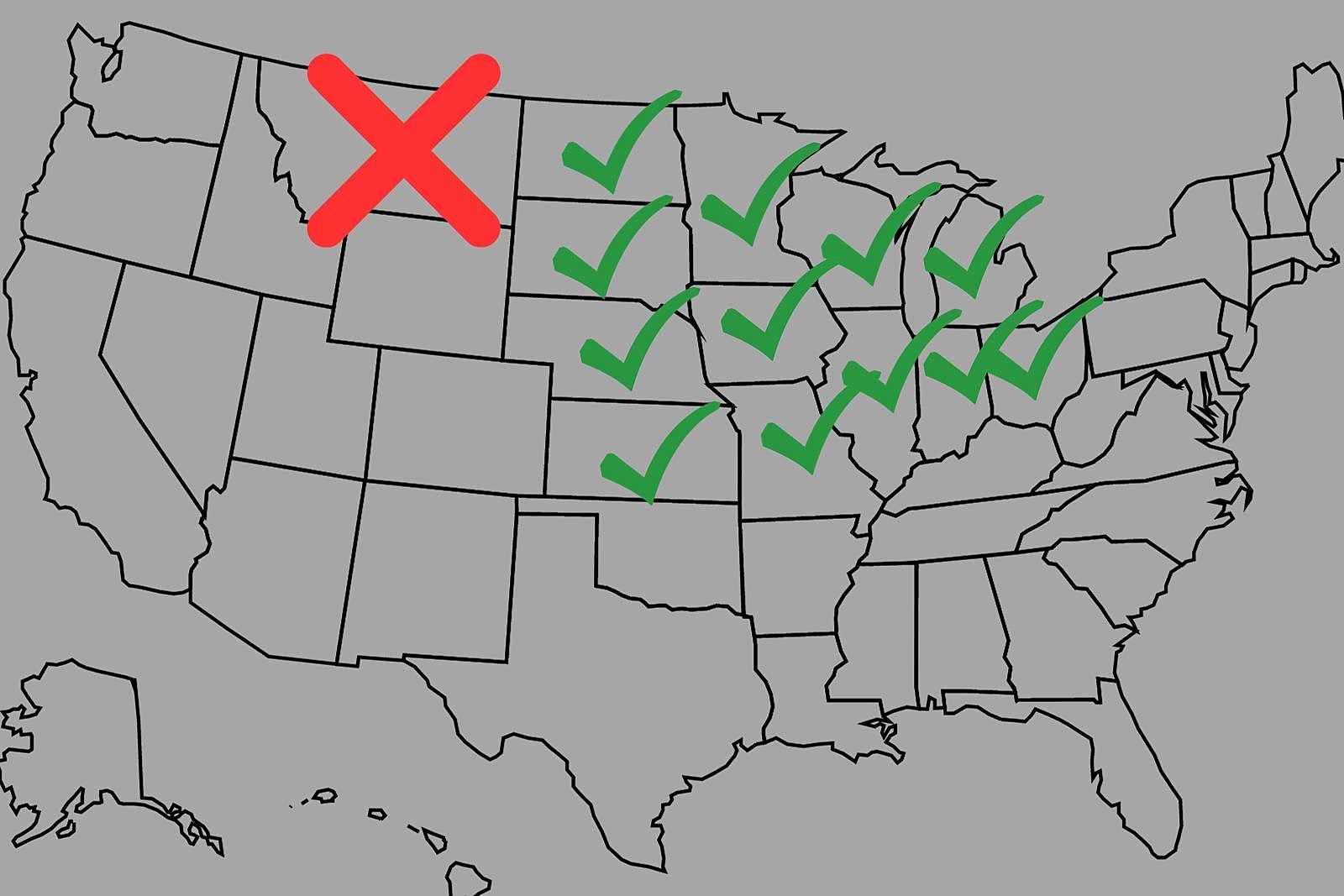
The Geography of the Mountain West
The topography of Montana is defined by the Rocky Mountains in the west and the high plains in the east. This geological character anchors the state firmly in the West. Unlike the rolling plains of the Midwest, Montana features dramatic elevation changes, alpine lakes, and expansive wilderness areas like the Bob Marshall Wilderness. The sheer scale of the landscape and the density of public lands distinguish it from the cultivated, farm-heavy aesthetic of the traditional Midwest.
Cultural Divergence
While the Midwest is often defined by a heritage of industrial manufacturing and small-town agricultural life, the identity of Montana is deeply rooted in the ethos of the frontier. Life here is influenced by the history of the Gold Rush, the legacy of the Northern Pacific Railway, and the enduring presence of Indigenous cultures, such as the Crow Nation and the Blackfeet Nation. The social fabric of the state prioritizes independence, outdoor recreation, and a relationship with nature that diverges sharply from the urbanized centers of the Midwest like Chicago or Detroit.
The Influence of the Great Plains
One reason the question of “Is Montana the Midwest?” persists is the eastern third of the state. If you travel through the high-plains region near Glendive or Sidney, you will find a landscape that feels remarkably similar to the prairies of North Dakota or South Dakota.
Shared Agricultural Heritage
The eastern part of Montana shares a strong agrarian history with its neighbors to the east. Dryland farming and massive wheat fields define the horizon, evoking a sense of the classic “Heartland” often associated with the Midwest. In these rural enclaves, the pace of life and the economic drivers align closer to the Midwestern experience than the tourism-dependent economies of western towns like Whitefish or Bozeman.

Demographic Similarities
Furthermore, migration patterns during the homesteading era brought many families from the Midwest to the plains of Montana. This historical influx left a mark on the local dialect, social customs, and religious practices. For those residing in the eastern plains, the distinction between being “Western” or “Midwestern” can often feel academic, as the cultural overlap is substantial and palpable.
Why the “Mountain West” Label Prevails
Despite the similarities in the eastern plains, the consensus among residents and travel experts is that Montana is quintessentially Western. The state’s tourism branding and economic development are fundamentally linked to the image of the American West.
The Tourism Narrative
When travelers visit Montana, they are usually seeking the majesty of Glacier National Park or the untamed wilderness of Yellowstone National Park. These icons of the West command the state’s identity. The adventure travel industry, which is a major pillar of the state’s economy, leans heavily into the rugged, mountainous aesthetic that defines the Mountain West region. It is difficult to categorize a state as Midwestern when its most visited destinations are high-altitude peaks and river valleys synonymous with the western frontier.
The Political and Social Landscape
The social climate of Montana also signals a Western identity. Political priorities regarding public land access, water rights, and mining policies are distinctly Western issues. While Midwestern politics often focus on industrial unions or central city development, Montanans are preoccupied with the management of vast, federally owned tracts and the balance between tourism, conservation, and traditional ranching.
A Crossroads of Identities
Is it possible that Montana is both? The state functions as a bridge between the Great Plains and the Rocky Mountains. This position makes it a land of dualities.
The Eastern Slope Connection
The area known as the “Hi-Line,” stretching along the northern part of the state, acts as a transitional zone. It is here where the influence of the Plains meets the rising foothills of the mountains. Travelers moving west from Minnesota or Wisconsin often find a familiar comfort in the towns of the eastern half of Montana, only to have that perspective transformed as they descend into the deep canyons and towering summits of the west.

Cultural Synthesis
Ultimately, labeling Montana is a matter of perspective. While a mapmaker might place it firmly in the West, a cultural anthropologist might see the influences of the Midwestern diaspora. Yet, the state has synthesized these elements into something unique: a Western identity that respects the labor and community values of the plains while embracing the wild, untethered spirit of the mountains.
For the modern traveler, the answer is less about geography and more about experience. Whether you are exploring the quiet, agricultural stretches of the east or the dramatic, peaks-and-valleys terrain of the west, Montana refuses to be confined to a singular box. It is a place that celebrates the vastness of the plains and the grandeur of the mountains in equal measure. To call it purely Midwestern is to ignore the rugged peaks of Missoula, and to call it exclusively Western is to overlook the prairie heart of the east. It is perhaps best understood as a distinct entity—a state that stands as the proud anchor of the Mountain West, looking out over the plains while holding its head high in the clouds.
LifeOutOfTheBox is a participant in the Amazon Services LLC Associates Program, an affiliate advertising program designed to provide a means for sites to earn advertising fees by advertising and linking to Amazon.com. Amazon, the Amazon logo, AmazonSupply, and the AmazonSupply logo are trademarks of Amazon.com, Inc. or its affiliates. As an Amazon Associate we earn affiliate commissions from qualifying purchases.