
The Mississippi River is more than just a waterway; it is the lifeblood of North America, a monumental ribbon of liquid history that slices through the heart of the continent. While many travelers are familiar with its wide, industrial mouth in the Gulf of Mexico or its association with the jazz-soaked streets of New Orleans, the true origin story of this iconic landmark begins far to the north, in the tranquil, pine-forested wilderness of Minnesota.
The Headwaters: Discovering Lake Itasca
The journey of the Mississippi River begins at Lake Itasca, a modest, glacial-fed body of water nestled within Itasca State Park. Often referred to as the “Headwaters,” this site is a profound pilgrimage for nature lovers and history enthusiasts alike. Unlike the mighty, ship-choked channel seen further south, the river here is a shallow, narrow stream that can be crossed in a single, confident stride.

A Geological Marvel
The discovery of the source was a subject of intense scientific debate during the 19th century. Explorers and geographers struggled to distinguish the true beginning from a tangle of interconnected wetlands and smaller lakes. It was not until the expeditions of Henry Rowe Schoolcraft in 1832 that Lake Itasca was officially identified as the primary source. Today, this location serves as a protected sanctuary where visitors can witness the infancy of one of the world’s greatest river systems.
Experiencing the Headwaters
Visitors arriving at Itasca State Park are treated to an immersive natural experience. A stone weir, constructed in the 1930s, marks the spot where the river leaves the lake. Walking across the stones as the water gently ripples over your ankles is a rite of passage for many Midwest travelers. The serenity of the towering red pines, many of which are over 200 years old, provides a stark, beautiful contrast to the industrial reality of the river downstream.
The Cultural Significance of the Mississippi Source
Beyond its status as a geographical landmark, the Mississippi River holds deep cultural and spiritual significance, particularly for the Ojibwe people who have inhabited the region for centuries. Known in the Ojibwe language as “Omashkooz,” or the land of the elk, the area surrounding the headwaters is imbued with rich oral traditions and a history of environmental stewardship.
Indigenous History and Connection
For indigenous communities, the river is not merely a resource for transportation or trade; it is a living entity that connects all living things along its 2,340-mile path. The headwaters region in Minnesota remains a place of reflection, where the sanctity of the water is honored through traditional practices and land preservation efforts. Visitors to the park are encouraged to engage with the educational exhibits that highlight the Native American history of the region, providing a deeper understanding of the land before European expansion.

The River’s Role in American Identity
As the river winds its way through the heart of America, it has become an indelible part of national literature, music, and art. From the writings of Mark Twain to the folk songs that detail the life of riverboat workers, the Mississippi River serves as a common thread in the national narrative. Starting in the quiet stillness of the north, it grows into a powerful force that drives economies and shapes the climate of the entire United States.
Planning Your Visit to the Birthplace of the River
Visiting Itasca State Park requires a bit of logistical planning, but the rewards are well worth the effort. Located about four hours northwest of Minneapolis, the park offers a variety of experiences ranging from rustic camping to more structured educational tours.
Seasonal Considerations
While the headwaters are open year-round, the experience changes drastically with the seasons.
- Summer: The peak season for hiking, biking, and wading in the shallow waters. The temperatures are mild, and the greenery is lush.
- Autumn: Minnesota is famous for its vibrant fall foliage. The golden hues of the pines and maples around Lake Itasca create a photographer’s paradise.
- Winter: A silent, snowy retreat. The park offers cross-country skiing and snowshoeing, providing a unique, solitary perspective on the frozen river headwaters.
Tips for Travelers
For those looking to make the most of their visit, it is highly recommended to stop at the Jacob V. Brower Visitor Center. Named after the man who worked tirelessly to protect the area from logging in the 1890s, the center offers detailed maps, exhibits on the park’s ecology, and insights into the wildlife, including bald eagles, loons, and white-tailed deer, that call this region home.
Furthermore, exploring the surrounding areas of Park Rapids and Bemidji allows travelers to extend their trip and experience the broader cultural landscape of northern Minnesota. Whether you are a dedicated angler, a family looking for a scenic getaway, or an outdoor enthusiast aiming to hike the trails of the Mississippi River Trail, the source provides the perfect starting point for an adventure.
The Legacy of a Mighty Waterway
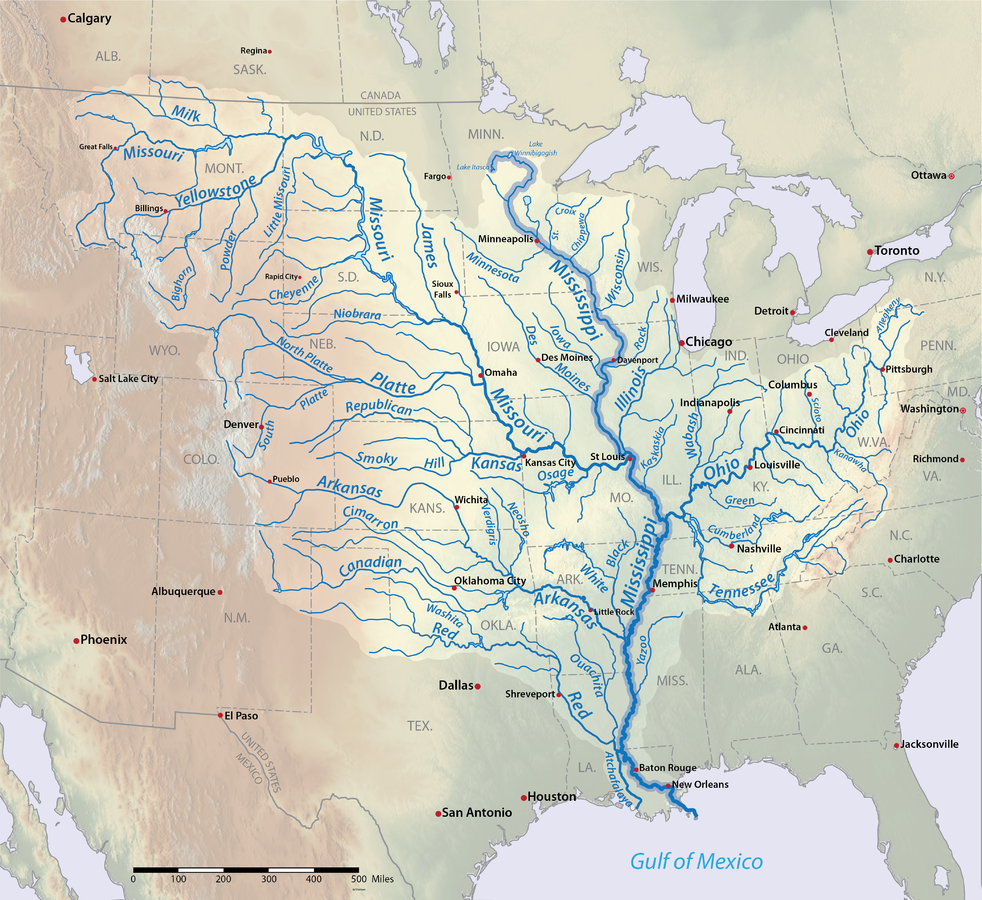
The Mississippi River is a reminder of how small beginnings can lead to monumental outcomes. From a small trickle emerging from Lake Itasca, it gathers the strength of countless tributaries, including the Missouri River and the Ohio River, to become the powerful artery that fuels the Midwest and the South.
Ecological Importance
The watershed of the Mississippi River is one of the most biodiverse regions in the world. Protecting the integrity of the water, starting at the headwaters in Itasca State Park, is essential for the preservation of habitats that support hundreds of species of birds, fish, and plants. Environmental initiatives aimed at keeping the headwaters pristine serve as a model for river conservation throughout the United States.
A Journey Worth Taking
Whether you travel to the source to witness the origin of a legend or simply to escape the frantic pace of modern life, the experience is transformative. The Mississippi River is a landmark that demands respect, appreciation, and exploration. Starting in Minnesota, the river tells a story of geological patience, human endurance, and the enduring beauty of the natural world. As you stand by the water’s edge, watching the stream begin its long, winding journey toward the sea, you are standing at the heart of an American icon, witnessing the precise moment where a legend begins to flow.
LifeOutOfTheBox is a participant in the Amazon Services LLC Associates Program, an affiliate advertising program designed to provide a means for sites to earn advertising fees by advertising and linking to Amazon.com. Amazon, the Amazon logo, AmazonSupply, and the AmazonSupply logo are trademarks of Amazon.com, Inc. or its affiliates. As an Amazon Associate we earn affiliate commissions from qualifying purchases.