
Navigating the intricate landscape of online gambling and its legality within specific jurisdictions can be a complex endeavor. For residents of the Golden State, the question of whether offshore online sportsbooks like MyBookie operate legally is of paramount importance. This exploration delves into the nuances of California gambling laws, the federal framework governing online wagering, and the specific implications for MyBookie users in the state.
Understanding California’s Stance on Online Gambling
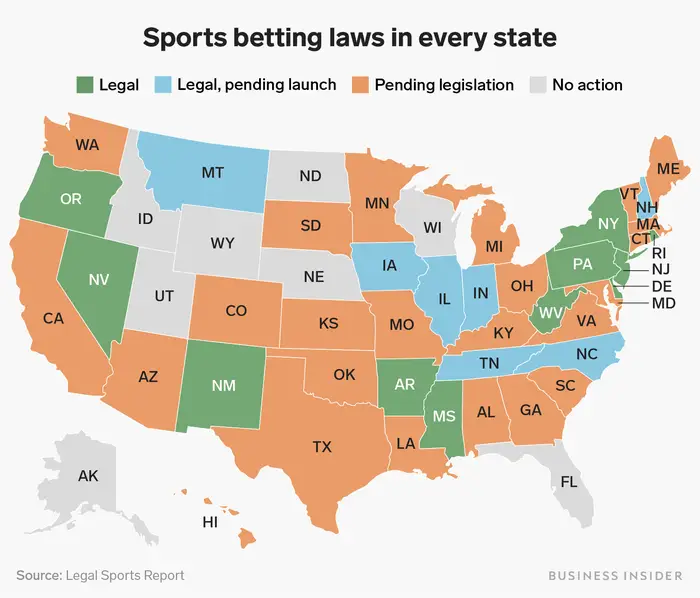
California has historically maintained a cautious and often restrictive approach to the legalization and regulation of gambling. Unlike some other United States states that have embraced regulated online sports betting and casino gaming, California has yet to fully open its doors to such activities within its borders.

The Absence of State-Regulated Online Sportsbooks
As of the current legislative climate, California does not have a state-regulated framework for online sports betting. This means there are no licensed online sportsbooks operating within the state that are subject to California’s gaming control board. This absence is a significant factor when considering the legality of offshore platforms.
Tribal Gaming and Proposition 27
The landscape of gambling in California is heavily influenced by its powerful Native American tribes and their sovereign tribal casinos. Efforts to expand gambling beyond tribal lands, particularly to include online sports betting accessible to the general public, have faced considerable hurdles.
Proposition 27, a ballot initiative that aimed to legalize online sports betting in California with a focus on both tribal and non-tribal operators, was put before voters in November 2022. However, it was ultimately defeated. This outcome signaled a continued preference among many Californians and lawmakers for a more controlled and tribal-centric approach to gaming expansion. The failure of Proposition 27 means that the prospect of state-regulated online sports betting remains distant.
The Legal Void and Offshore Operators
The absence of a state-regulated online sports betting market creates a legal vacuum that offshore operators, such as MyBookie, seek to fill. These platforms are not licensed or regulated by California authorities, nor are they subject to state-specific consumer protection laws or tax regulations.
Federal Law and the Unclear Status of Offshore Wagering
The legality of offshore online gambling in the United States is a complex area primarily governed by federal law, with states having significant latitude to regulate or prohibit such activities.
The Wire Act
The Wire Act, enacted in 1961, is a federal law that prohibits the transmission of wagers or betting information across state lines via wire communications. Historically, this law was interpreted to apply to all forms of gambling. However, in recent years, its application has been narrowed, with some interpretations suggesting it primarily targets sports betting. The ongoing legal debates surrounding the Wire Act contribute to the ambiguity surrounding offshore online gambling.
The Unlawful Internet Gambling Enforcement Act (UIGEA) of 2006
The UIGEA is another key piece of federal legislation that impacts online gambling. While it does not make gambling itself illegal, it prohibits gambling businesses from knowingly accepting payments in connection with unlawful internet gambling. This means that financial institutions are restricted from processing transactions related to illegal online gambling. For players, this can manifest as difficulties in depositing or withdrawing funds from offshore sites.
The Distinction Between Federal and State Authority
Crucially, federal law does not explicitly criminalize the act of an individual placing a bet with an offshore online gambling site. Instead, the focus of federal legislation has been on the operators of such sites and the financial transactions involved. The authority to make online gambling illegal for individual citizens primarily rests with individual states.
MyBookie’s Operations in California: A Practical Perspective
Given California’s legislative stance and the federal framework, understanding MyBookie’s practical operations in the state is essential for potential users.
No State License, No State Regulation
MyBookie is an offshore online sportsbook. It is not licensed by the California Gambling Control Commission or any other state regulatory body. This means that players who use MyBookie in California are not afforded the protections that come with gambling on a state-regulated platform.
No Explicit Criminalization for Players
While California has not legalized and regulated online sports betting, it has also not enacted specific laws that criminalize individual residents for placing bets with offshore, unlicensed sportsbooks. This is a common scenario across many United States states where online gambling is not locally regulated. The primary enforcement and legal actions have historically been directed towards operators.
Potential Risks and Considerations for Players
Despite the lack of direct criminal penalties for players, engaging with unlicensed offshore sportsbooks carries inherent risks:
- Lack of Consumer Protection: If disputes arise with MyBookie regarding payouts, account issues, or other matters, Californians have no recourse through California state regulators. Resolving issues can be difficult and may depend entirely on the operator’s willingness to cooperate.
- Financial Transaction Risks: While not always the case, some financial institutions may flag or even block transactions to and from offshore gambling sites due to UIGEA regulations. This could lead to difficulties in depositing funds or withdrawing winnings.
- Uncertainty and Future Regulatory Changes: The legal landscape of online gambling is constantly evolving. Future changes in federal or state law could potentially impact the ability of Californians to access or use offshore platforms.
What Does This Mean for “Legality”?
The question of “legality” in the context of MyBookie in California is not a simple yes or no.
- Not Legally Sanctioned: MyBookie is not legally sanctioned or regulated by the state of California.
- Not Explicitly Illegal for Individuals: There is no specific California law that makes it a crime for an individual resident to place a bet with an offshore operator like MyBookie.
- Operating in a Gray Area: Offshore sportsbooks operate in a legal gray area. They are not subject to California’s jurisdiction, but their activities are not explicitly permitted by the state.
The Future of Online Sports Betting in California
The debate surrounding online sports betting in California is ongoing and complex, involving powerful tribal interests, card rooms, and various stakeholders. While the defeat of Proposition 27 marked a setback for proponents of a broader, more open market, it did not signal an end to discussions.
Continued Legislative Efforts
It is highly probable that legislative efforts to introduce some form of regulated online sports betting will continue in California. Future initiatives may seek to find a compromise that appeases tribal concerns while opening avenues for regulated online wagering. The specific models proposed will likely be subject to intense negotiation and scrutiny.
Impact of Other States’ Successes
As neighboring states, such as Nevada and Arizona, continue to see success with their regulated online sports betting markets, the economic arguments for California to capture its share of this lucrative industry will likely grow stronger. The potential tax revenue generated by a regulated market is a significant incentive for lawmakers.
Player Demand and Market Trends
The demand for convenient and accessible sports betting options among Californians is undeniable. Many residents already seek these services through offshore platforms. This existing demand, coupled with broader market trends across the United States, will continue to put pressure on California to address the issue of regulated online sports betting.

Conclusion: Navigating Offshore Options with Caution
In conclusion, while MyBookie accepts players from California and operates without explicit prohibition for individual bettors, its legality is best understood as existing in a gray area. The platform is not licensed or regulated by the state, meaning users forgo the protections afforded by state-sanctioned gambling operations.
For Californians considering using offshore sportsbooks like MyBookie, it is crucial to be aware of the potential risks. These include a lack of consumer protection, potential issues with financial transactions, and the ever-present uncertainty of evolving legal landscapes. While many players enjoy these services without incident, a thorough understanding of the implications is essential before engaging in any form of offshore online wagering. The future of regulated online sports betting in California remains a subject of ongoing discussion and potential legislative action.
LifeOutOfTheBox is a participant in the Amazon Services LLC Associates Program, an affiliate advertising program designed to provide a means for sites to earn advertising fees by advertising and linking to Amazon.com. Amazon, the Amazon logo, AmazonSupply, and the AmazonSupply logo are trademarks of Amazon.com, Inc. or its affiliates. As an Amazon Associate we earn affiliate commissions from qualifying purchases.