
Understanding time zones is a fundamental aspect of planning any journey, whether it’s a cross-country road trip, a business excursion, or simply coordinating with loved ones back home. For those venturing into the heartland of America, the state of Nebraska presents a unique temporal consideration. The question, “Is Nebraska In Central Time Zone?” is a practical one that directly impacts travel itineraries, appointment scheduling, and even understanding local operating hours. This exploration delves into the temporal geography of Nebraska, clarifying which parts of the state fall under which time zone and offering insights for travelers and residents alike.
Understanding U.S. Time Zones and Nebraska’s Position
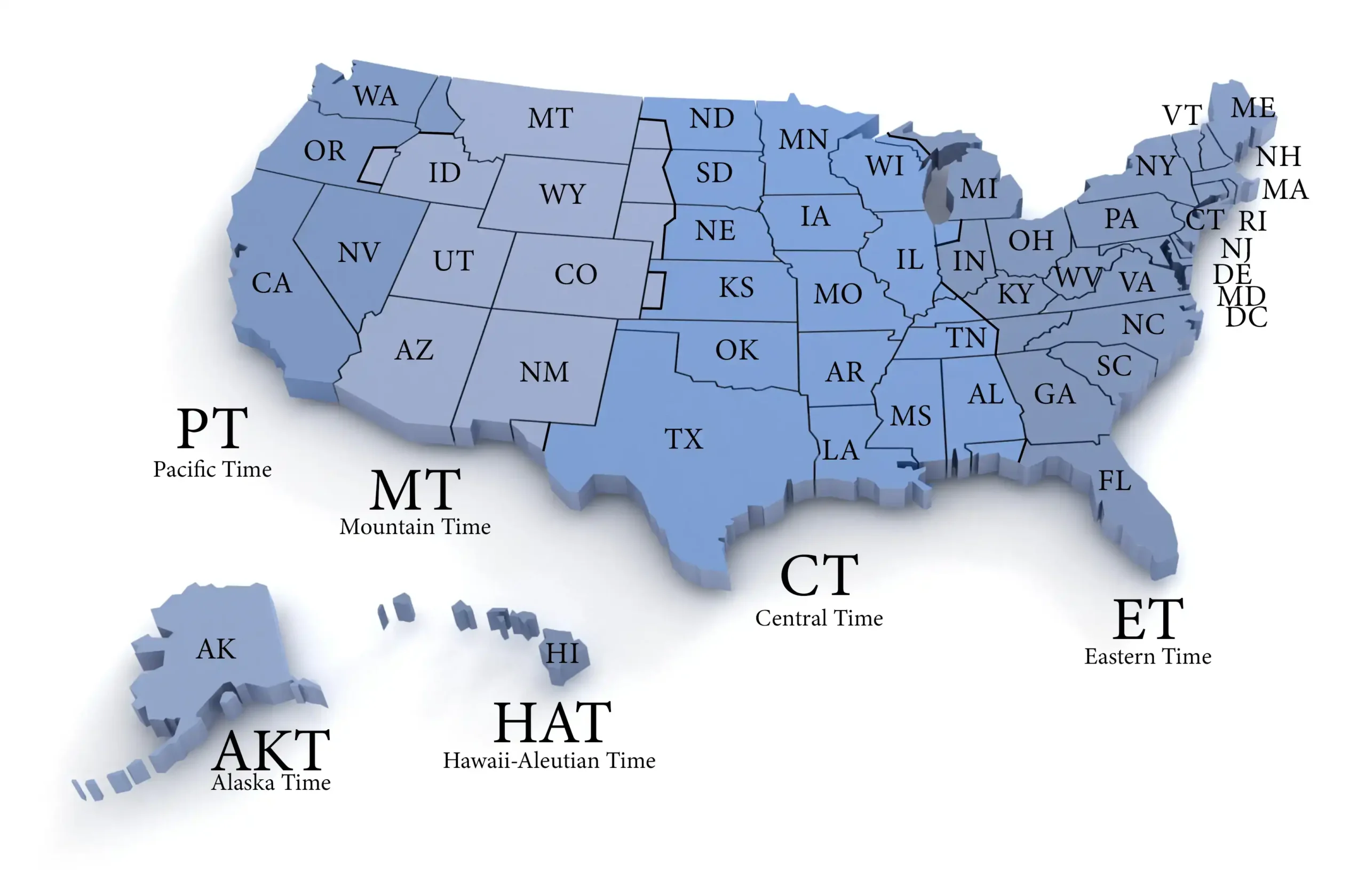
The United States is divided into multiple contiguous time zones, each observing a standard time for legal and business purposes. These zones generally follow north-south lines, with the continental United States spanning six primary zones: Eastern, Central, Mountain, Pacific, Alaska, and Hawaii-Aleutian. The boundaries between these zones are not always perfectly straight lines, often incorporating county or state lines for practical reasons. Nebraska, situated geographically in the central part of the country, naturally has a significant portion of its landmass falling within the Central Time Zone. However, like several other states, its temporal designation is not monolithic.
The Predominance of the Central Time Zone in Nebraska
The vast majority of Nebraska observes Central Standard Time (CST) during the winter months and Central Daylight Time (CDT) during the summer months, when daylight saving time is in effect. This means that most Nebraskans, and therefore most travelers visiting the state, will find themselves operating on the same time as cities like Chicago, Dallas, and Houston. The Central Time Zone is one hour ahead of the Mountain Time Zone and two hours ahead of the Pacific Time Zone. This is a critical piece of information for anyone planning flights into airports like Eppley Airfield in Omaha or exploring the capital city of Lincoln.
Navigating the Mountain Time Zone Exception
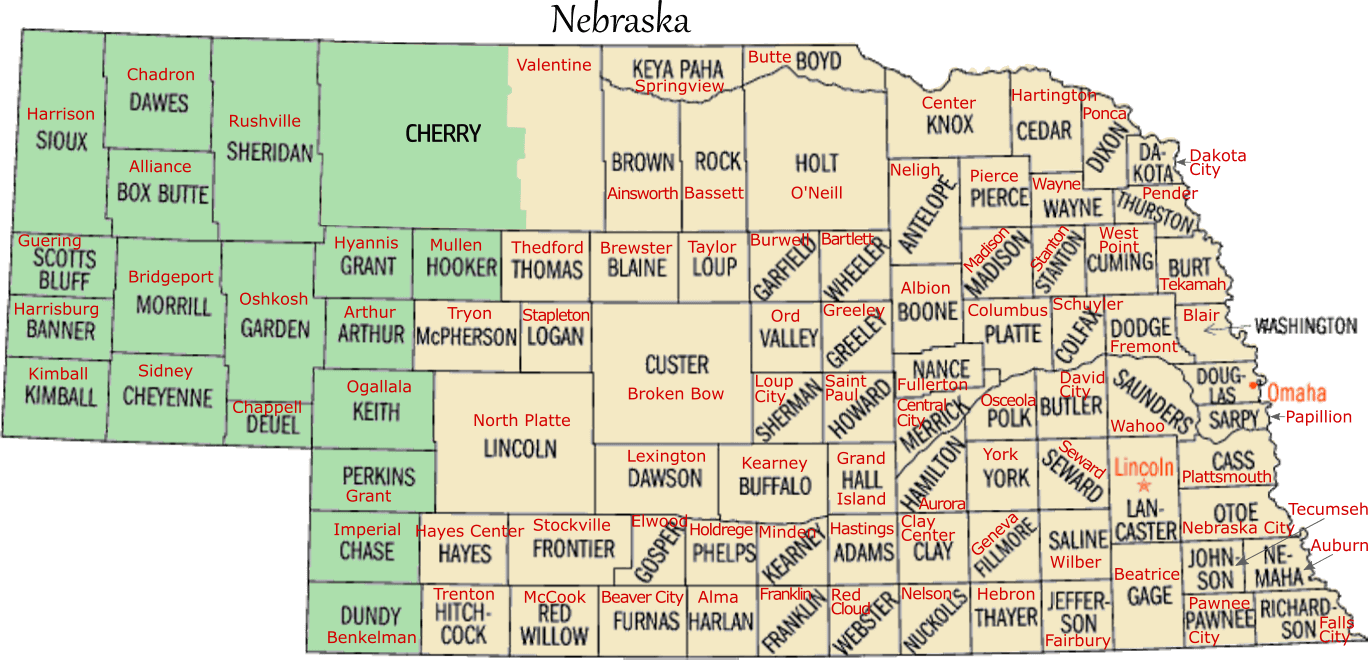
While the Central Time Zone dominates, there is a notable exception within Nebraska. A small western segment of the state, specifically the counties of Arthur, Banner, Cheyenne, Dawes, Deuel, Garden, Grant, Hooker, Kimball, Logan, McPherson, Morrill, Perkins, Redwillow, Scotts Bluff, Sheridan, Sioux, and Thomas, observes the Mountain Time Zone. This temporal divide means that if your travels take you to western destinations such as Scottsbluff, you will be one hour behind those in Omaha or Lincoln. This distinction is particularly relevant for planning any activities or accommodations in this region, such as visiting Chimney Rock National Historic Site or exploring the city of North Platte, which straddles this boundary but officially uses Central Time. It’s a common point of confusion for visitors, and being aware of it can prevent missed appointments or misinterpretations of local schedules.
Practical Implications for Travelers
The geographical distribution of time zones within Nebraska has several practical implications for travelers. Understanding this temporal landscape is crucial for seamless travel planning and execution.
Planning Flights and Arrival Times
When booking flights to Nebraska, it’s essential to be aware of the arrival airport’s location and its corresponding time zone. Major airports like Eppley Airfield in Omaha and Lincoln Airport are firmly in the Central Time Zone. However, if your destination is in the western panhandle, such as near Scottsbluff, and you are flying into a smaller regional airport or driving from a Mountain Time state, you’ll need to adjust your expectations. Flight schedules and arrival confirmations will always be listed in the local time of the destination airport. Thus, a flight arriving at North Platte Regional Airport (which, despite its western location, is in the Central Time Zone) will adhere to different timings than a hypothetical arrival in a Mountain Time zone. Double-checking the time zone of your specific destination within Nebraska is always advisable.
Coordinating Accommodations and Activities
For those booking accommodations, whether it’s a stay at the Omaha Marriott Downtown at the Holland Center in Omaha, a charming bed and breakfast in a rural town, or a hotel in the western part of the state, the local time zone dictates check-in and check-out times, as well as the operating hours of amenities. Similarly, if you plan to visit attractions like the Strategic Air Command & Aerospace Museum or arrange guided tours, confirming their operating hours in the correct local time is paramount. Misunderstandings about time zones can lead to missed tours, late arrivals at reservations, or even believing a business is closed when it’s simply on a different schedule. For instance, a restaurant in Sidney will be operating on Mountain Time, while a restaurant in Grand Island will be on Central Time. This difference, though seemingly minor, can be significant when trying to catch a specific event or make a crucial business meeting.
Business and Communication Considerations
For business travelers, the time zone distinction in Nebraska can be particularly important for scheduling meetings, conference calls, and managing client expectations. If your business operations span across the state or involve coordinating with partners in different time zones, clearly communicating the relevant local time is essential. A conference call scheduled for 10 AM Central Time would be 9 AM Mountain Time. This is a crucial detail for anyone working with teams or clients located in the western counties of Nebraska. Similarly, understanding the local business hours of offices or businesses in towns like Chadron (which operates on Mountain Time) versus Kearney (which operates on Central Time) can prevent communication delays and ensure efficient collaboration.
Daylight Saving Time in Nebraska
Like most of the United States, Nebraska observes Daylight Saving Time (DST). This means that clocks are advanced by one hour during the warmer months, typically from the second Sunday in March until the first Sunday in November. During DST, the Central Time Zone becomes Central Daylight Time (CDT), and the Mountain Time Zone becomes Mountain Daylight Time (MDT).
The Shift to Daylight Hours
The adoption of DST affects the entire state, regardless of whether a particular region is observing Central Time or Mountain Time. This means that the temporal relationship between the two zones in Nebraska remains consistent – there is always a one-hour difference between the Central Time Zone and the Mountain Time Zone within the state. So, when it is 10 AM CDT in Omaha, it will be 9 AM MDT in Scottsbluff. This consistency is helpful in managing travel plans throughout the year, as the one-hour differential doesn’t change seasonally. However, it is crucial to remember the switch itself, as forgetting to adjust clocks can lead to confusion, especially if you’re traveling between the two time zones within Nebraska on the day the clocks change.
Implications for Regional Travel Within Nebraska
The DST observation further underscores the need for meticulous planning when traveling between the eastern and western parts of Nebraska. While the one-hour difference is constant, the perception of “daylight” hours changes. In the summer, those in the western, Mountain Time areas will experience later sunsets compared to their counterparts in the eastern, Central Time regions. This might influence decisions about outdoor activities or sightseeing. For example, if you are planning a scenic drive through the Sandhills region, which is predominantly in the Central Time Zone, understanding the sunset times will be different from if you were exploring the geological formations near the Scott’s Bluff National Monument in the Mountain Time Zone. Being mindful of these temporal nuances can greatly enhance the travel experience, allowing for better alignment with natural light and local event schedules.
Conclusion: Navigating Nebraska’s Temporal Landscape
In conclusion, the answer to “Is Nebraska In Central Time Zone?” is a nuanced one. While the majority of the state, including its largest cities like Omaha and Lincoln, resides within the Central Time Zone, a significant portion of its western panhandle observes the Mountain Time Zone. This temporal duality is an important consideration for anyone traveling to, through, or within Nebraska.

A Final Check for Seamless Travel
For travelers, the key takeaway is to always verify the specific time zone of your destination within Nebraska. This applies whether you are booking flights, reserving hotels such as the Kimball Inn, arranging business meetings, or planning to explore natural attractions like the Platte River State Park. A quick check on a map or a reliable online source can confirm whether your intended location falls into the Central Time Zone or the Mountain Time Zone. Paying attention to this detail will prevent potential confusion, ensure that your itinerary runs smoothly, and allow you to fully enjoy your experiences in the diverse and welcoming state of Nebraska. This awareness transforms a potentially overlooked detail into a tool for more informed and efficient travel.
LifeOutOfTheBox is a participant in the Amazon Services LLC Associates Program, an affiliate advertising program designed to provide a means for sites to earn advertising fees by advertising and linking to Amazon.com. Amazon, the Amazon logo, AmazonSupply, and the AmazonSupply logo are trademarks of Amazon.com, Inc. or its affiliates. As an Amazon Associate we earn affiliate commissions from qualifying purchases.