
Understanding the rhythm of the United States heartland begins with a simple question about the clock, but for the savvy traveler, it unfolds into a deeper exploration of geography, culture, and timing. Kansas, known famously as the Sunflower State, occupies a pivotal position in the Midwest. Whether you are planning a cross-country road trip, dialing into a business meeting in Wichita, or catching a sunset over the Flint Hills, knowing the “right time” involves more than just glancing at a digital watch. It requires an understanding of how this vast prairie state bridges the gap between the eastern and western halves of the country.

Understanding Kansas Time Zones and Practical Travel Logistics
To answer the question of what time it is in Kansas, one must first acknowledge that the state is not a monolith. While the vast majority of the region operates under one specific beat, a small portion dances to a different chronological tune. This distinction is vital for tourists navigating the expansive highways that stretch from the Missouri border to the Colorado line.
Central Standard Time vs. Mountain Standard Time
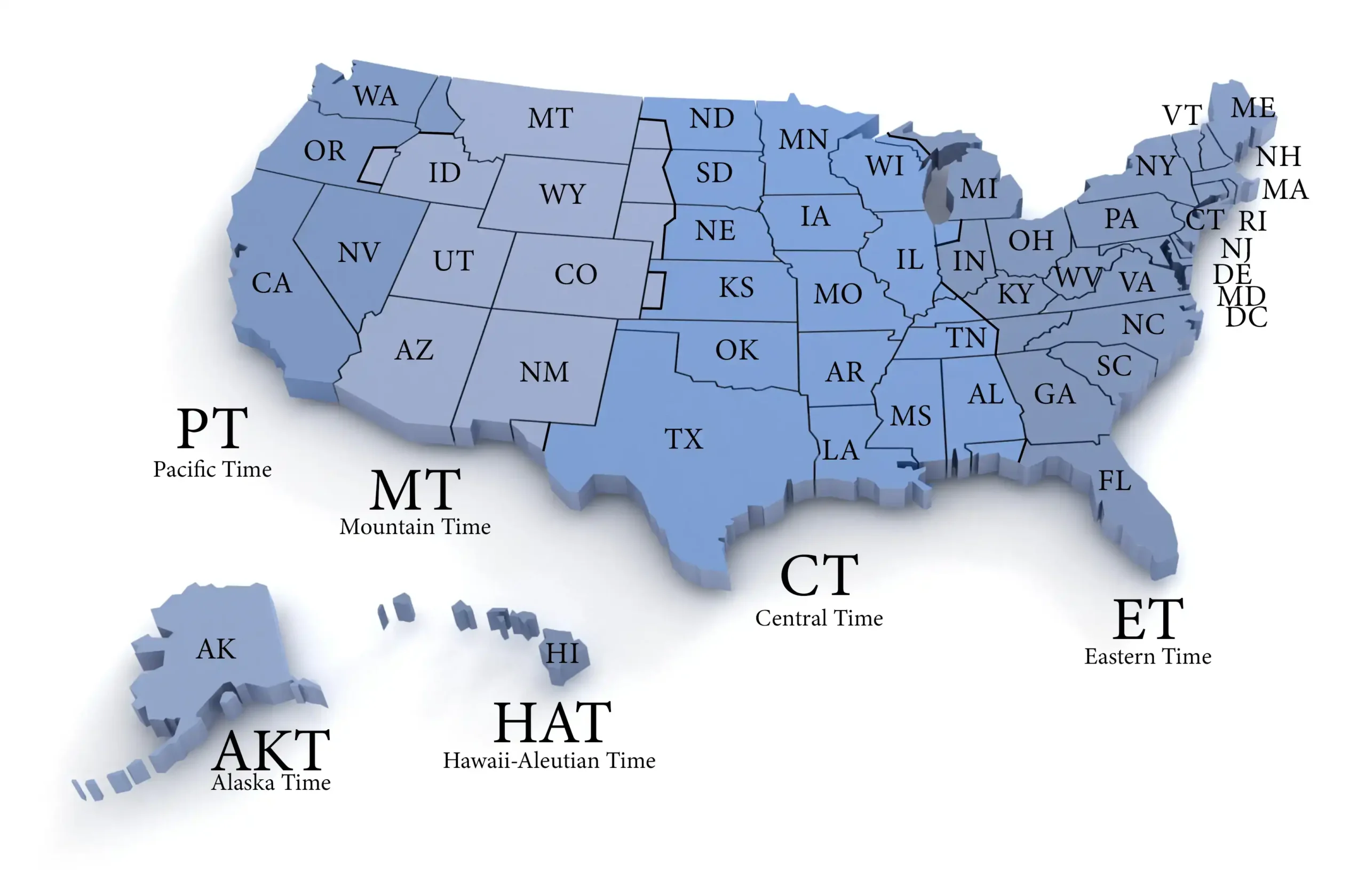
The lion’s share of Kansas resides within the Central Time Zone. Major urban hubs such as Topeka, Kansas City, and Lawrence all follow Central Standard Time (CST) during the winter and Central Daylight Time (CDT) during the summer. This puts the state six hours behind Greenwich Mean Time (GMT-6) for much of the year.
However, as you travel toward the rugged western edges of the state, the clock shifts. Four specific counties—Sherman, Wallace, Greeley, and Hamilton—observe Mountain Standard Time (MST). This is a crucial detail for visitors heading to landmarks like Mount Sunflower, the state’s highest point, which sits right near the border. If you are driving west on Interstate 70, your phone may automatically update its clock near the town of Kanorado, signaling that you have gained an hour of exploration time.
How Daylight Saving Time Impacts Your Itinerary
Kansas adheres strictly to the federal Daylight Saving Time schedule. In the spring, clocks “spring forward” one hour, and in the autumn, they “fall back.” For tourists, this shift dictates the available daylight for outdoor activities. In the peak of summer, the Great Plains enjoy lingering twilights, with the sun often setting after 9:00 PM in western locales like Garden City. This extended “golden hour” is a photographer’s dream, providing ample time to capture the rolling grasslands and silhouettes of historical windmills without the rush of an early sunset.
Seasonal Tourism: When to Experience the Best of Kansas
The “right time” to visit Kansas depends entirely on what you wish to see. The state experiences four distinct seasons, each offering a unique flavor of local culture and natural beauty.
Spring Blooms and Severe Weather Awareness
Spring in Kansas is a season of dramatic rebirth. From late March through May, the prairies turn a vivid emerald green. This is the optimal time to visit the Tallgrass Prairie National Preserve, where the rare ecosystem begins its annual growth cycle. However, travelers should be aware that spring is also the peak of the storm season. Local tourism offices and visitor centers often provide “weather-aware” tips, encouraging visitors to keep an eye on the sky while enjoying the blooming wildflowers and migrating birds at the Cheyenne Bottoms Wildlife Area.
Summer Festivals and the Golden Wheat Harvest
If you want to experience the quintessential Kansas of film and folklore, summer is the time. June is typically when the wheat harvest begins, turning the landscape into a shimmering “sea of gold.” This period coincides with numerous local festivals and rodeos. The Dodge City Days festival in late July offers a deep dive into the wild west history of Dodge City. While temperatures can soar, the local culture thrives in the heat, with community fairs and outdoor concerts defining the social calendar.
Autumn Foliage and Collegiate Traditions
As the heat of summer fades, Kansas enters a serene and colorful autumn. This is arguably the most pleasant time for a road trip through the Glacial Hills in the northeast. The “right time” in autumn is often dictated by the sports schedule. In Manhattan, the home of Kansas State University, and Lawrence, home to the University of Kansas, the energy is electric during football season. Visiting these college towns on a game day offers a masterclass in Midwestern hospitality and school spirit.
Iconic Cities and Their Local Rhythms
Each major city in Kansas has its own internal clock and lifestyle, shaped by its industry and history.
Wichita: The Air Capital of the World
In Wichita, the state’s largest city, the rhythm is a blend of industrious innovation and artistic leisure. Known as the “Air Capital of the World” due to its history with Boeing and Cessna, the city is a hub for aviation enthusiasts. Tourists should time their visit to include the Old Cowtown Museum during the day and the Keeper of the Plains statue at night. Each evening, the “Ring of Fire” at the base of the statue is lit for 15 minutes, creating a spectacular glow against the confluence of the Arkansas River and the Little Arkansas River.
Topeka: A Capital of History and Governance
The pace in Topeka is dictated by the workings of the Kansas State Capitol. Visitors should time their arrival to participate in a dome tour, which offers one of the most unique architectural perspectives in the United States. Beyond politics, Topeka is home to the Brown v. Board of Education National Historical Park, a site that demands a slow, reflective pace to fully absorb the weight of its civil rights history.
Overland Park: Modern Comforts and Botanical Beauty
For those seeking a more contemporary lifestyle, Overland Park provides a sophisticated suburban experience. The “right time” here is often spent at the Overland Park Arboretum and Botanical Gardens or exploring the shops at Prairiefire. The city serves as a gateway to Kansas City, offering a seamless transition between urban excitement and manicured natural beauty.
Navigating Local Culture and Cuisine
Tourism in Kansas is inextricably linked to the land and what it produces. To truly understand what time it is in the state, one must look at the kitchen and the dining room.
The BBQ Scene in Kansas City
In the Kansas portion of Kansas City, the clock revolves around the smoker. Barbecue is not just a meal; it is a cultural institution. Visiting legendary spots like Joe’s Kansas City Bar-B-Que requires perfect timing—arriving before the lunch rush is essential if you want to avoid a line that wraps around the building. The slow-smoked briskets and burnt ends are a testament to the patient, methodical lifestyle of the region.
Cultural Etiquette and Rural Hospitality
In smaller towns like Abilene or Lindsborg (known as “Little Sweden”), the pace of life is intentionally slower. Tourism here is about conversation and community. If you visit the Eisenhower Presidential Library in Abilene, expect the locals to take their time sharing stories. The “right time” in rural Kansas is whenever you decide to stop and listen. This hospitality is a hallmark of the state, where a stranger is often treated like a neighbor within minutes of meeting.
Tips for the Modern Tourist in the Sunflower State
Navigating a state as large as Kansas requires a few practical tips to ensure your time is well spent.
Transportation and the Great Plains Landscape
The best way to see Kansas is by car. While cities have public transit, the true heart of the state lies along the Gypsum Hills Scenic Byway or the Post Rock Scenic Byway. When planning your drive times, always account for the sheer scale of the landscape. What looks like a short distance on a map can take hours, but these drives are part of the attraction. Watching the horizon change from the flat agricultural plains of the west to the rolling hills of the east is a meditative experience that defines Kansas tourism.
Packing Essentials for Every Season
Because the weather can be temperamental, the “right time” to pack a jacket is almost always. Even in the heat of summer, evening temperatures can drop significantly, especially in the western high plains. Layering is key. If your itinerary includes landmarks like Monument Rocks or Castle Rock in Gove County, bring sturdy hiking boots. These chalk formations are beautiful but rugged, requiring a bit of footwork to fully appreciate.
In conclusion, “What time is it right now in Kansas?” is a question with many answers. It is a time for historical reflection at the Boot Hill Museum, a time for scientific wonder at the Cosmosphere in Hutchinson, and a time for peaceful solitude in the vast prairies. By understanding the time zones, the seasons, and the local rhythms, every traveler can find their own perfect moment in the Sunflower State. Whether you are gaining an hour in the west or losing yourself in the history of the east, Kansas ensures that your time is always well spent.
LifeOutOfTheBox is a participant in the Amazon Services LLC Associates Program, an affiliate advertising program designed to provide a means for sites to earn advertising fees by advertising and linking to Amazon.com. Amazon, the Amazon logo, AmazonSupply, and the AmazonSupply logo are trademarks of Amazon.com, Inc. or its affiliates. As an Amazon Associate we earn affiliate commissions from qualifying purchases.