
Nevada, often celebrated as the “Silver State,” is a land of striking contrasts and endless allure, drawing millions of visitors each year with its vibrant cities, breathtaking natural landscapes, and unparalleled entertainment. From the glittering casinos of Las Vegas to the serene beauty of Lake Tahoe and the rugged majesty of its deserts, Nevada offers a diverse tapestry of experiences for every type of traveler. However, beyond the neon lights and scenic vistas, prospective visitors and residents alike often ponder a specific legal aspect that can influence their travel plans and overall perception of the state: “Is Nevada an open carry state?” The straightforward answer is yes, generally speaking, Nevada permits the open carrying of firearms. Yet, as with many legal matters, the simple “yes” comes with a nuanced set of regulations, practical considerations, and societal implications that are crucial for anyone planning to visit or reside here.
Understanding the intricacies of Nevada’s open carry laws is not merely a matter of legal compliance; it’s about appreciating the unique blend of freedom and responsibility that defines the state’s character. For travelers exploring destinations, seeking accommodation in various hotels and resorts, or engaging in diverse tourism activities, knowing these regulations can significantly impact their comfort, planning, and overall experience. This comprehensive guide will delve into the legal framework surrounding open carry in Nevada, explore its practical implications for tourists and residents across different settings, and offer insights into how it fits within the broader lifestyle and travel landscape of this fascinating state.
Understanding Open Carry Laws in Nevada
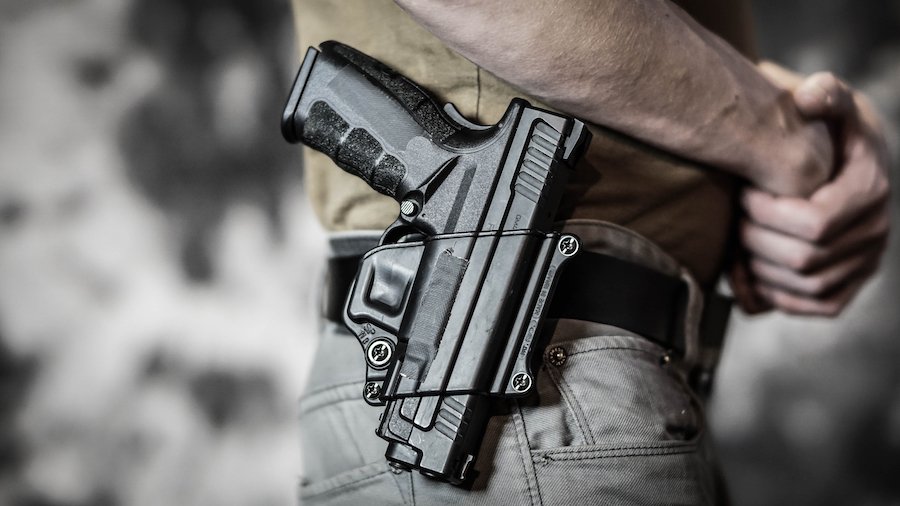
At its core, “open carry” refers to the practice of carrying a firearm in public in a visible manner, typically holstered at the hip or shoulder, or slung across the back. In Nevada, this practice is largely protected by state law, making it one of many U.S. states where citizens can openly carry firearms without needing a special permit. This legal stance reflects a broader commitment to Second Amendment rights, a principle deeply ingrained in the state’s legal and cultural fabric.
The Legal Framework
The legal basis for open carry in Nevada stems from a combination of constitutional protections and specific statutes. Individuals aged 21 or older who are not otherwise prohibited from possessing a firearm (e.g., convicted felons, those with domestic violence restraining orders, or individuals adjudicated as mentally ill) can openly carry a handgun or long gun. Unlike concealed carry, which typically requires a permit issued by the local sheriff’s office, open carry in Nevada does not mandate any state-issued permit or license. This applies equally to both residents and non-residents, making the state a notable destination for those who value such freedoms.
However, this freedom is not without its limitations. Nevada law explicitly prohibits firearms in certain sensitive locations. These include:
- Federal buildings (post offices, courthouses, IRS offices, etc.).
- K-12 schools and university campuses (with some exceptions for specific university-designated personnel).
- Child care facilities.
- Airports (especially sterile areas beyond security checkpoints).
- Any building or portion of a building owned or occupied by the legislative branch of the state government.
- Private property where the owner or person in legal possession of the property has posted clear and conspicuous “No Firearms” signs. This last point is particularly critical for tourists, as many commercial establishments, including casinos, hotels, and entertainment venues, often exercise this right.
Understanding these prohibited locations is paramount for anyone considering open carry, as violating these rules can lead to severe legal consequences, including fines, arrest, and even felony charges depending on the specifics of the offense.
Concealed Carry vs. Open Carry
While open carry is broadly permitted, Nevada also has provisions for concealed carry, which allows an individual to carry a firearm hidden from plain view. For concealed carry, a permit (often referred to as a CCW permit or a Concealed Firearms Permit) is required. Nevada issues these permits to qualified applicants who complete specific training courses and background checks. Furthermore, Nevada recognizes concealed carry permits from many other states through reciprocity agreements, meaning that visitors from states with recognized permits can legally carry concealed firearms within Nevada’s borders.
The choice between open and concealed carry is a personal one, often influenced by factors such as comfort, situation, and local customs. For some, open carry serves as a visible deterrent and a clear exercise of their rights. For others, concealed carry offers discretion and avoids potentially drawing attention. It’s important to remember that even with a concealed carry permit, the same restrictions on prohibited locations apply.
Open Carry and the Nevada Tourist Experience
Nevada’s status as an open carry state often raises questions for visitors, particularly those unfamiliar with such laws or those traveling from areas with stricter gun control. While the legality of open carry is clear, its practical impact on the tourism experience, especially in popular destinations, warrants closer examination.
Major Destinations and Their Policies
Nevada’s iconic destinations each present a unique context for open carry:
-
Las Vegas: The entertainment capital of the world, Las Vegas, operates under a dual reality. While open carry is legal statewide, the vast majority of its famous casinos, hotels, and entertainment venues are privately owned and strictly prohibit firearms on their premises. This includes major resorts like the Bellagio, Caesars Palace, and virtually every other establishment on the Las Vegas Strip. Visitors will often see “No Firearms” signs prominently displayed at entrances, and security personnel are vigilant in enforcing these policies. Attempting to enter such properties with a firearm, even openly carried, can result in immediate removal, potential trespassing charges, and a ban from the property. For tourists traveling to Las Vegas, the practical reality is that open carry is generally not feasible within the main tourist hubs due to private property rules.
-
Reno and Lake Tahoe: Similar principles apply in other major Nevada cities and recreational areas. Reno, known as “The Biggest Little City in the World,” and the picturesque Lake Tahoe region, with its stunning nature and outdoor adventure opportunities, also feature numerous private establishments with their own firearms policies. While the vast wilderness and national parks surrounding these areas might be perceived as more permissible for open carry, visitors must still adhere to specific park regulations and federal laws, which can differ from state law in certain aspects. For instance, while federal law generally allows firearms in national parks and national forests (like parts of Lake Mead National Recreation Area or Death Valley National Park which borders Nevada), carrying within federal buildings located inside these parks is strictly prohibited. Similarly, within Red Rock Canyon National Conservation Area, visitors must abide by federal regulations and any specific rules set by the Bureau of Land Management.
Navigating Private Property Rules
The right of private property owners to prohibit firearms, even in an open carry state, is a cornerstone of Nevada law. This means that while you might legally open carry on a public street, stepping onto a privately owned casino floor, restaurant, bar, or concert venue that prohibits firearms effectively makes your firearm possession illegal on that property. This distinction is crucial for tourists, as many popular attractions fall under private ownership.
Businesses typically communicate their “no firearms” policy through clear signage at entry points. Ignoring these signs and entering with a firearm can lead to being asked to leave, and refusal to do so can escalate to trespassing charges, which carry legal penalties. For the convenience and peace of mind of all guests, many hotels and resorts also offer secure storage facilities for firearms, though this should always be confirmed directly with the establishment before arrival.
Public Perception and Comfort Levels
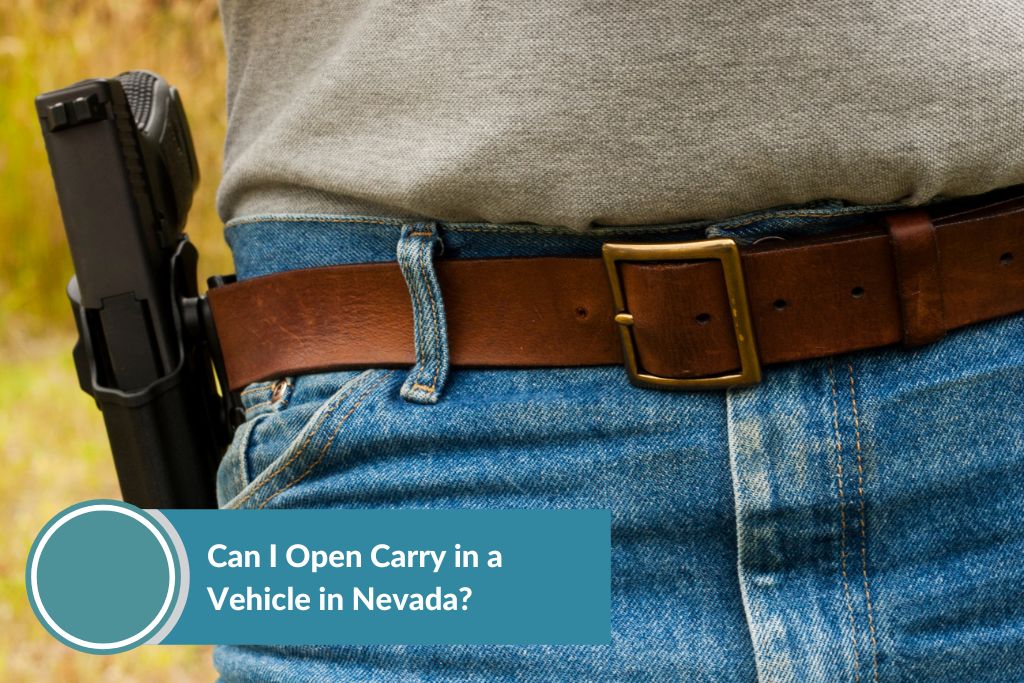
Beyond the legalities, the presence of openly carried firearms can evoke a range of reactions among the public. While many residents and visitors in Nevada are accustomed to or supportive of open carry, others may find it unsettling or intimidating. Nevada’s commitment to personal freedoms exists alongside its reputation for vibrant entertainment and family-friendly attractions. Travelers seeking a particular experience, be it luxury travel, a family trip, or a business stay, should be aware of this potential dynamic. While statistically, Nevada remains a safe destination for tourists, individual comfort levels with visible firearms can vary widely. Respecting others’ perceptions and local etiquette is always a wise approach when traveling.
Practical Considerations for Travelers
For visitors planning a trip to Nevada, particularly those who either intend to open carry or are simply curious about how it might affect their journey, several practical considerations come into play. These considerations touch upon everything from accommodation choices to transportation and engagement in various activities.
Planning Your Accommodation
When selecting your accommodation in Nevada, it’s highly advisable to research the specific policies of your chosen hotel, resort, apartment, or villa. As previously mentioned, most major hotels and resorts in tourist-heavy areas like Las Vegas and Reno maintain strict “no weapons” policies for the safety and comfort of their guests. These policies are often clearly stated on their websites or can be confirmed by contacting the property directly.
For those who must travel with a firearm, inquiry about secure storage options is essential. Some properties may offer safes in rooms or dedicated firearm storage facilities. Conversely, smaller, independently owned hotels or private vacation rentals booked through platforms might have different, or less explicit, policies. When booking, clarity on this issue can prevent unwelcome surprises upon arrival. Considering reviews and comparisons of different accommodation types could also highlight relevant information regarding property policies.
Transportation and Activities
Traveling with a firearm, whether openly carried or otherwise, requires strict adherence to transportation regulations. Air travel is governed by federal Transportation Security Administration (TSA) rules, which dictate that firearms must be unloaded, declared to the airline, placed in a locked, hard-sided container, and transported in checked baggage only. Carry-on firearms are strictly prohibited.
When traveling by car, including rental vehicles, firearms are generally permissible within the vehicle in Nevada, provided they are legally owned. However, it’s vital to be aware of the laws of any other states you might pass through, as gun laws vary significantly across state lines.
Participation in various tourism activities also demands caution. Concerts, sporting events, nightclubs, and certain private tours or attractions will almost invariably prohibit firearms. Federal landmarks, such as government buildings or designated federal wilderness areas, also fall under strict federal jurisdiction, often overriding state open carry laws. Understanding these limitations is critical for a smooth and enjoyable trip.
Responsible Tourism and Local Etiquette
For those who choose to exercise their right to open carry in Nevada, responsible tourism means more than just adhering to the letter of the law. It involves being mindful of one’s surroundings, respecting private property rights, and understanding that not everyone shares the same comfort level with visible firearms. This is particularly true in areas frequented by families or international visitors, who may not be accustomed to such practices.
Focusing on the incredible array of experiences Nevada has to offer – from exploring the history of Virginia City, to experiencing the vibrant culture of Las Vegas and Reno, or embarking on breathtaking outdoor adventure in the high desert – should be the priority. For those who choose to carry, discretion and compliance with all posted regulations ensure a positive experience for themselves and others.
Nevada’s Unique Blend: Travel, Lifestyle, and Laws
Nevada truly offers a unique blend of experiences, accommodating a wide spectrum of lifestyles and travel preferences. Its open carry laws are just one facet of a state that prides itself on individual freedoms while simultaneously striving to be a welcoming and safe destination for millions.
A Diverse Travel Destination
Whether one is embarking on luxury travel through opulent resorts, enjoying budget travel exploring hidden gems, planning a memorable family trip to Lake Tahoe, or undertaking a crucial business stay in Las Vegas, Nevada caters to all. The state’s appeal extends beyond the gaming tables, encompassing incredible landmarks like the Hoover Dam, stunning nature in its vast national parks and forests, and a rich history that tells tales of pioneers and prospectors.
The legal environment regarding firearms forms part of the state’s character, reflecting a libertarian ethos. For some, this aspect enhances their sense of freedom and security while exploring the state’s vastness. For others, particularly international tourists or those from states with stricter regulations, it might require a period of adjustment or careful planning to ensure their comfort. Regardless of personal views, awareness is the key to navigating this aspect of the Nevada experience.

Balancing Rights and Hospitality
Nevada’s approach to firearms law demonstrates a delicate balance. It upholds the constitutional rights of individuals to bear arms, yet simultaneously empowers private businesses and entities to establish policies that ensure the safety and atmosphere they desire for their patrons. This dual approach allows the state to maintain its identity as a bastion of individual liberty while also fostering a robust tourism industry built on hospitality and diverse experiences.
For visitors, this means that while the statewide law is permissive, the practical reality in many high-traffic tourist areas is that private property rules will often take precedence. The emphasis is on respect: respect for the law, respect for private property rights, and respect for the varying comfort levels of fellow travelers and residents.
In conclusion, “Is Nevada open carry?” The answer is unequivocally yes, for eligible individuals. However, this legal freedom is framed by a critical set of restrictions, particularly concerning private property and federal lands. For any traveler planning to visit the “Silver State,” understanding these nuances is essential for a safe, responsible, and enjoyable journey. By being informed and respectful of both the law and local customs, visitors can fully immerse themselves in the unparalleled travel and lifestyle opportunities that Nevada proudly offers.
LifeOutOfTheBox is a participant in the Amazon Services LLC Associates Program, an affiliate advertising program designed to provide a means for sites to earn advertising fees by advertising and linking to Amazon.com. Amazon, the Amazon logo, AmazonSupply, and the AmazonSupply logo are trademarks of Amazon.com, Inc. or its affiliates. As an Amazon Associate we earn affiliate commissions from qualifying purchases.