
Florida, often dubbed the Sunshine State, is a perennial magnet for travelers seeking pristine beaches, vibrant cities, and world-class attractions. From the magical theme parks of Orlando to the historic charm of St. Augustine and the breathtaking natural beauty of the Florida Keys, its appeal is undeniable. However, this tropical paradise exists within a region prone to hurricanes, a natural phenomenon that can significantly impact travel plans and local communities. Understanding the dynamics of hurricane season and how to prepare is crucial for anyone considering a visit or residing in Florida. This comprehensive guide aims to equip you with the knowledge needed to navigate hurricane threats, make informed travel decisions, and understand the resilience of this beloved state, touching on aspects relevant to travel, accommodation, tourism, and lifestyle for both short-term visits and extended stays.
Understanding Hurricane Season in Florida
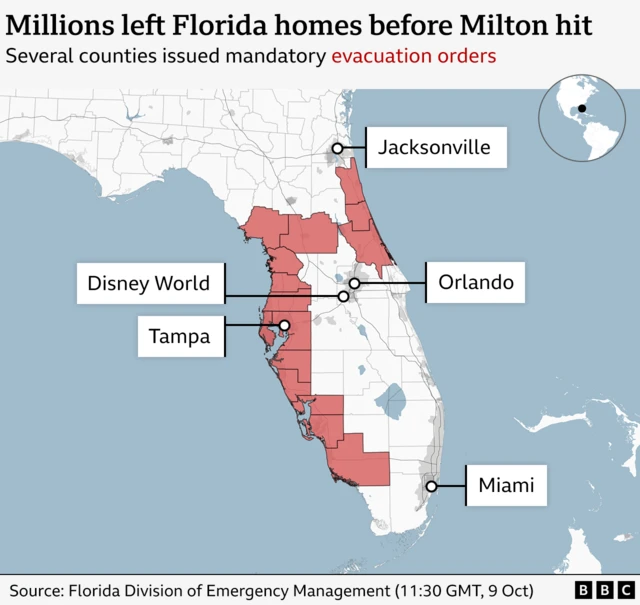
Hurricane season is a defined period each year when tropical cyclones are most likely to form in the Atlantic Basin, directly affecting the Gulf of Mexico and the Atlantic coast. For Florida, being a peninsula surrounded by warm waters, this season is a crucial consideration for all who live in or visit the state.
When Does Hurricane Season Occur?
The official Atlantic hurricane season runs from June 1st to November 30th every year. While storms can occur outside these dates, the vast majority of tropical cyclone activity falls within this six-month window. The peak months for hurricane activity in Florida are typically late August, September, and early October. During this period, sea surface temperatures are at their highest, providing the necessary energy for these powerful weather systems to develop and intensify. Travelers planning visits during these months should be especially diligent in monitoring weather forecasts and understanding potential impacts on their chosen destinations.
The Anatomy of a Hurricane Threat
When a hurricane approaches, the threat is multifaceted, extending far beyond just high winds. The potential impacts on any part of Florida can include:
- Wind Damage: Categorized by the Saffir-Simpson Hurricane Wind Scale, winds can range from destructive Category 1 (74-95 mph) to catastrophic Category 5 (157 mph or higher). Strong winds can cause extensive damage to buildings, infrastructure, and foliage, leading to widespread power outages.
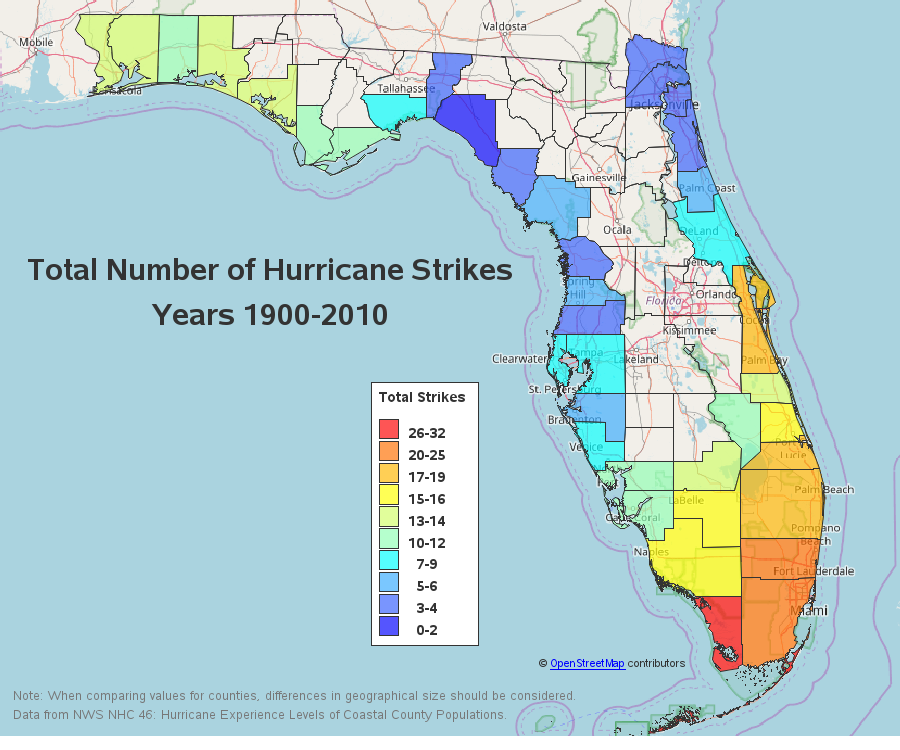
- Storm Surge: This is often the most dangerous and deadly aspect of a hurricane. It’s an abnormal rise of water generated by the storm, pushed ashore by powerful winds. Coastal areas, particularly those in low-lying regions like the Florida Keys or the Tampa Bay area, are highly vulnerable to storm surge, which can inundate vast areas, making evacuation routes impassable and causing severe property damage.
- Heavy Rainfall and Inland Flooding: Hurricanes can dump tremendous amounts of rain, even hundreds of miles inland. This can lead to severe flash flooding, river flooding, and urban flooding, disrupting transportation, damaging property, and creating hazardous conditions.
- Tornadoes: Hurricanes can spawn tornadoes, especially in their outer rain bands. These can occur rapidly and with little warning, posing an additional localized threat.
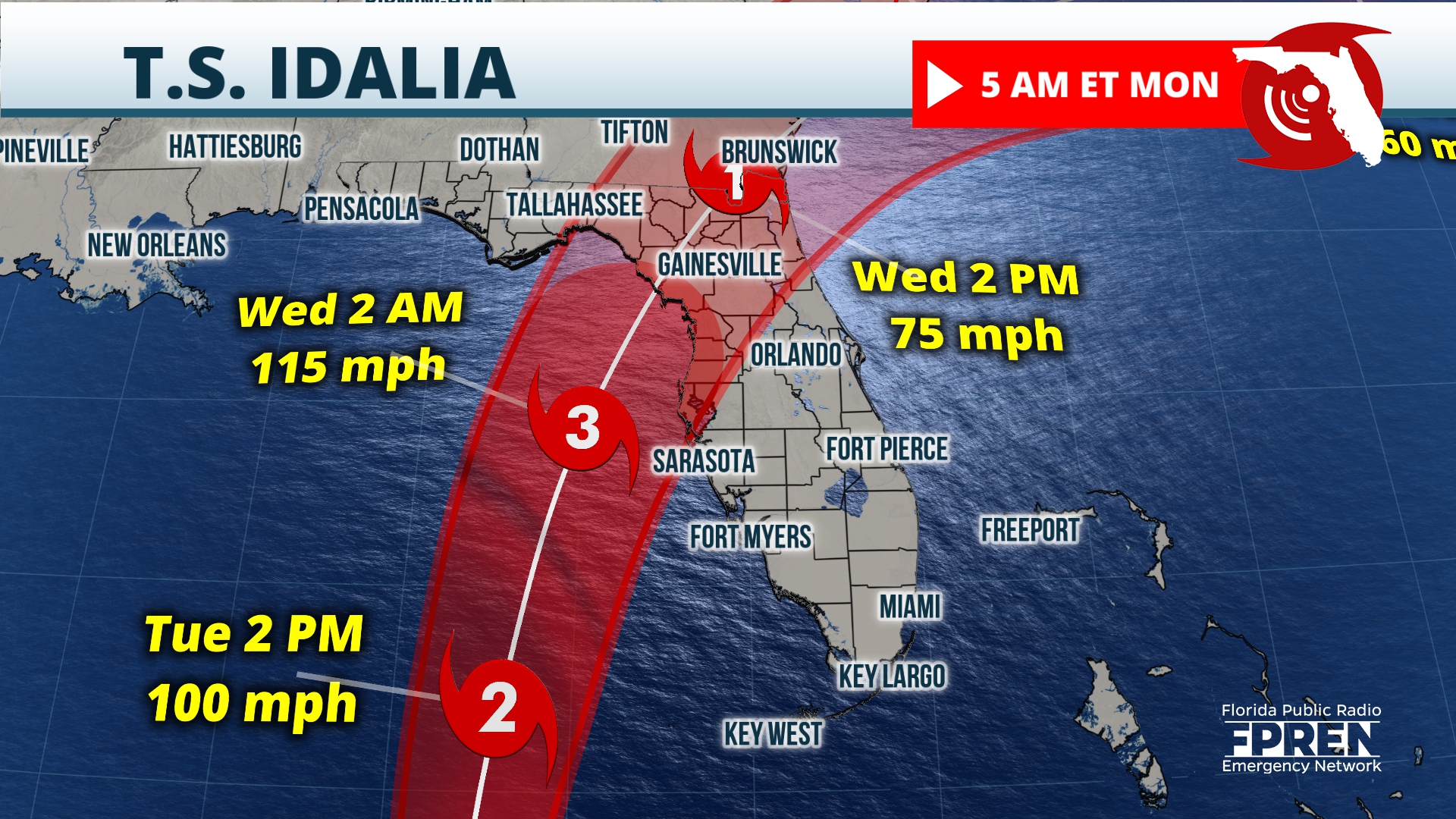
It’s vital to remember that a hurricane’s impacts are not limited to the point of landfall. Effects like heavy rain, strong winds, and dangerous surf can extend across wide areas of the state, necessitating a broad understanding of the storm’s projected path and its potential influences on your travel plans.
Tracking a Hurricane: Resources for Travelers and Residents
Staying informed is paramount when a hurricane threatens Florida. Reliable, up-to-date information can help you make critical decisions about travel, safety, and accommodation.
Official Weather Sources
For the most accurate and current information regarding hurricane forecasts and advisories, always refer to official government weather services. These organizations employ sophisticated technology and expert meteorologists to track storms and issue warnings:
- National Hurricane Center (NHC): This is the primary source for all tropical cyclone information in the Atlantic basin. The NHC provides detailed forecast cones, wind speed probabilities, storm surge outlooks, and official watches and warnings. Their website is indispensable for tracking an active storm.
- National Weather Service (NWS): Local NWS offices issue specific forecasts and warnings for their respective regions, translating the broader NHC guidance into actionable local information.
- Local News Channels and Emergency Broadcasts: In Florida cities like Miami, Tampa, or Jacksonville, local television and radio stations provide continuous coverage during a hurricane threat, often with live updates from emergency officials.
Travel-Specific Alerts and Information
Beyond official weather sources, various travel-related entities offer important information that can impact your trip:
- Airline Advisories: Major airlines serving Florida, such as Delta, American Airlines, and Southwest, typically issue travel waivers allowing passengers to change flights without penalty if a hurricane threatens their destination. Always check your airline’s website directly.
- Hotel Chain Updates: Large hotel chains like Marriott, Hilton, or Hyatt will often post specific advisories regarding property closures, evacuation orders, and cancellation policies during a storm. If you have bookings, contact your specific hotel or resort directly.
- Travel Insurance Providers: If you have travel insurance, understand its hurricane-related coverage. Policies vary greatly, with “cancel for any reason” options offering the most flexibility. Most standard policies require the storm to be named after your policy purchase for coverage to apply.
- Florida Division of Emergency Management (FDEM): The FDEM website and social media channels provide state-level emergency information, evacuation routes, shelter locations, and post-storm recovery updates.
Preparing for a Hurricane: Travel and Accommodation Considerations
Careful planning can significantly mitigate risks and stress if you’re traveling to or already in Florida during hurricane season. Proactive measures are key to ensuring a safe and comfortable experience.
Before You Travel: Pre-emptive Measures
If your travel dates fall within hurricane season, particularly the peak months, take these steps:
- Monitor Forecasts Well in Advance: Begin checking the long-range forecast at least two weeks before your departure. This can give you an early indication of potential storm development.
- Consider Travel Insurance: Invest in a comprehensive travel insurance policy, ideally one that includes a “cancel for any reason” clause, especially if you’re concerned about potential disruptions. Read the fine print carefully regarding natural disasters.
- Opt for Flexible Booking Options: When booking flights, hotels, or rental cars, choose options that allow for free changes or cancellations. This small upfront cost might save you significant money and hassle later.
- Have a Communication Plan: Share your itinerary with family or friends back home. Carry essential contact numbers (including your hotel, rental car company, and emergency contacts) written down, as cell service can be unreliable during and after a storm.
- Pack Smart: In addition to your regular travel essentials, consider packing a small emergency kit if you anticipate a hurricane threat. This could include a portable phone charger (power bank), a small flashlight, and any essential medications.
If You’re Already in Florida: Safety First
If a hurricane threatens while you’re enjoying your Florida trip, your priority must be safety.
- Heed Local Emergency Warnings: Pay close attention to local news, weather radio, and official alerts from county emergency management. If an evacuation order is issued for your area, comply immediately. Do not wait.
- Know Your Accommodation’s Hurricane Plan: Most hotels, resorts, and reputable accommodation providers in Florida have established hurricane preparedness plans. Ask the front desk about their procedures, designated shelter areas, and communication protocols.
- Prepare an Emergency Kit: If sheltering in place, ensure you have enough water (one gallon per person per day for at least three days), non-perishable food, prescription medications, a first-aid kit, flashlights, batteries, and a fully charged cell phone with power banks.
- Consider Relocation: If you are in a highly vulnerable coastal area or a mandatory evacuation zone, consider relocating inland to a non-evacuation zone or leaving the state entirely. Many travelers choose to head to Orlando if it’s outside the direct path, as its major theme parks are often built to withstand significant weather events and their associated hotels and resorts are designed for guest safety.
- Accommodation Types: While all accommodation types have risks, a large resort or hotel with robust emergency plans, backup generators, and internal sheltering options might offer more security than an isolated villa or small vacation rental, especially if you’re unfamiliar with the area. Always confirm their specific hurricane preparedness.
Florida’s Resilience: Post-Hurricane Recovery and Continued Tourism
While hurricanes present significant challenges, Florida has an impressive track record of resilience and recovery. The state’s experience with these storms has led to robust emergency response systems and a deep community spirit that quickly mobilizes for rebuilding.
The Spirit of Recovery
Following a hurricane, Florida communities demonstrate remarkable unity and strength. Emergency services are rapidly deployed, and local residents, businesses, and volunteers work tirelessly to clear debris, restore power, and assist those affected. The state and federal governments also provide substantial resources for long-term recovery efforts, focusing on rebuilding infrastructure and supporting affected individuals and businesses. This collective effort ensures that damaged areas can return to normalcy and welcome visitors again as quickly as possible. Many landmarks and attractions are meticulously rebuilt or reinforced to better withstand future events.
Supporting Tourism During Recovery
Tourism is a cornerstone of Florida’s economy, and supporting it responsibly during and after hurricane season is vital for the state’s recovery.
- Visit Unaffected Areas: If a hurricane impacts one part of Florida, it doesn’t mean the entire state is off-limits. Many regions may remain entirely untouched or recover quickly. Travelers can still enjoy their planned trips by choosing destinations that are far from the storm’s path. Always check official sources for specific area statuses.
- Check Current Conditions: Before traveling to an area that has experienced a hurricane, verify that businesses, attractions, and accommodation are fully operational. Websites like Visit Florida often provide updates on destination statuses.
- Tourism Dollars Aid Recovery: Once an area is open for tourism again, visiting and spending locally directly contributes to the economic recovery of communities. Your patronage helps small businesses, hotels, and local residents rebuild their lives.
- Examples of Resilient Destinations: Areas like the Florida Panhandle (e.g., Panama City Beach) and the Florida Keys (e.g., Key West) have demonstrated remarkable resilience, often rebuilding and reopening within months or even weeks after severe storms, showcasing the state’s determination to maintain its status as a top global travel destination. Major theme parks in Central Florida like Walt Disney World and Universal Orlando Resort are particularly known for their robust hurricane protocols and rapid recovery, often reopening quickly once a storm has passed and it is safe to do so.
What If a Hurricane is Heading Your Way? Regional Spotlights and Actions
The specific “part of Florida” a hurricane hits dictates the type of impact and the necessary response. Understanding regional vulnerabilities helps travelers and residents prepare appropriately.
The Gulf Coast and Panhandle
Regions along the Gulf Coast, including cities like Tampa, St. Petersburg, Sarasota, Fort Myers, Naples, and further north into the Panhandle with cities like Pensacola and Destin, are primarily vulnerable to storm surge due to the shallow shelf of the Gulf of Mexico.
- Impact Focus: Extreme storm surge, coastal flooding, heavy rainfall, and high winds.
- Traveler Action: Monitor evacuation orders closely. If advised to evacuate, do so early to avoid traffic on major routes like I-75 and US-19. Secure your accommodation or check into a pre-booked inland hotel. Be aware that many popular destinations here, known for their stunning beaches and resorts, are highly susceptible to water intrusion.
The Atlantic Coast
From Jacksonville down to Miami, including St. Augustine, Daytona Beach, Cape Canaveral, Fort Lauderdale, and West Palm Beach, the Atlantic Coast faces threats from powerful winds, heavy rainfall, and moderate storm surge.
- Impact Focus: Wind damage, significant beach erosion, heavy rainfall, and localized flooding.
- Traveler Action: Strong winds can make driving hazardous, so plan to shelter in place or evacuate if directed. Major resorts and coastal hotels will have procedures, but power outages are common. Iconic landmarks like the St. Augustine Lighthouse or the vibrant nightlife districts of South Beach in Miami can experience temporary closures.
Central Florida (Inland Impacts)
While not directly on the coast, Central Florida, primarily Orlando and surrounding areas like Lakeland and Kissimmee, can still experience significant hurricane effects, often acting as a safe haven for evacuees.
- Impact Focus: Heavy rainfall, inland flooding, high winds, and power outages. Storm surge is not a threat here.
- Traveler Action: Major attractions like Walt Disney World and Universal Orlando Resort have well-established hurricane policies, including property hardening and guest safety protocols. Guests should follow park and hotel instructions. While not a direct coastal hit, preparing for extended power outages and flooding is wise. These destinations are designed for a high volume of guests, making their emergency plans robust.
The Florida Keys
The string of islands stretching from the mainland, including Key Largo, Islamorada, Marathon, and Key West, is arguably the most vulnerable region in Florida due to its low elevation and limited evacuation routes (US-1).
- Impact Focus: Extreme storm surge, total inundation, and devastating wind damage.
- Traveler Action: Mandatory evacuations are common for even minor hurricane threats due to the unique geography. If a storm approaches, immediate evacuation is paramount. Accommodation in the Keys is often quickly closed, and bridges can become impassable. Planning a trip here during peak hurricane season requires particular vigilance and flexibility.
Conclusion
Florida remains an incredibly diverse and captivating destination, offering an unparalleled array of experiences for every type of traveler. While the prospect of hurricanes is a reality for parts of the state during certain months, it shouldn’t deter you from exploring its wonders. Instead, it underscores the importance of informed decision-making and preparedness. By staying updated with official weather forecasts, understanding emergency procedures, and selecting flexible travel options, you can navigate hurricane season with confidence.
Remember that Florida’s communities are resilient, and its tourism infrastructure is designed to recover quickly. Supporting the state by visiting its unaffected areas or returning once recovery is complete contributes directly to the well-being of its residents and the vibrancy of its many destinations. Whether you’re planning a luxury escape, a budget-friendly family adventure, or a long-term stay, a well-prepared approach will ensure your journey to the Sunshine State is memorable for all the right reasons. Stay informed, stay safe, and enjoy the magic that Florida has to offer.
LifeOutOfTheBox is a participant in the Amazon Services LLC Associates Program, an affiliate advertising program designed to provide a means for sites to earn advertising fees by advertising and linking to Amazon.com. Amazon, the Amazon logo, AmazonSupply, and the AmazonSupply logo are trademarks of Amazon.com, Inc. or its affiliates. As an Amazon Associate we earn affiliate commissions from qualifying purchases.