
Embracing the Enchanting Landscape for a Fulfilling Retirement
New Mexico, often hailed as the “Land of Enchantment,” beckons retirees with a unique blend of natural beauty, rich cultural heritage, and a cost of living that can be surprisingly attractive. For those contemplating a move to a destination that nourishes the soul and stimulates the mind, this Southwestern gem offers a compelling proposition. Beyond the breathtaking vistas and vibrant arts scene, New Mexico presents a lifestyle that caters to a variety of interests, from the outdoors enthusiast to the history buff, all while maintaining a pace of life that can be both invigorating and serene.
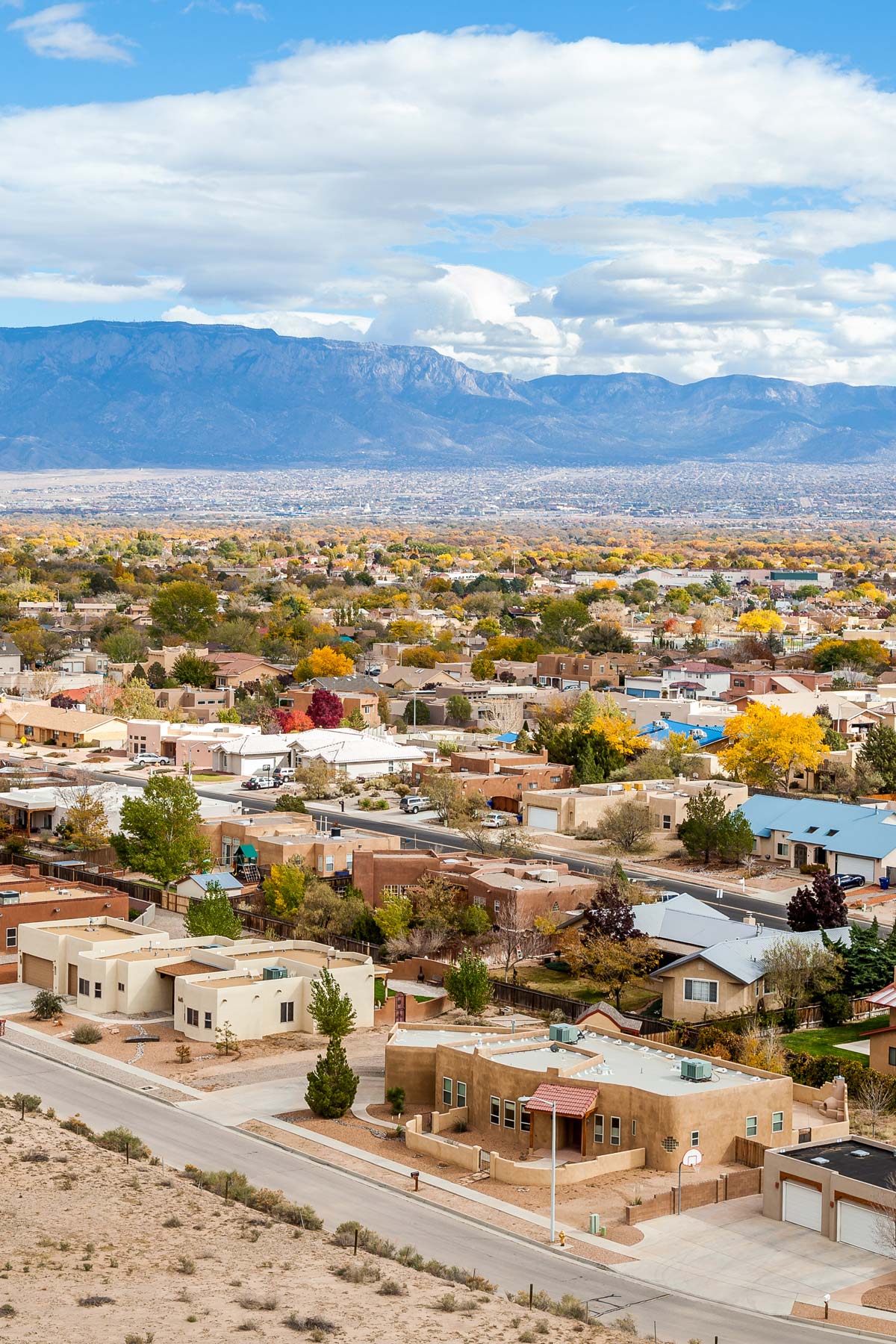
The state’s diverse geography, ranging from the majestic Sangre de Cristo Mountains to the vast desert expanses, provides an unparalleled backdrop for active retirement. Imagine waking up to crisp mountain air in Santa Fe or enjoying the warm sun on your face in Las Cruces. The opportunities for exploration are endless, with national parks, scenic byways, and charming small towns dotting the landscape. This inherent beauty is not merely for admiration; it’s an invitation to engage, to explore, and to live a retirement filled with discovery.
Furthermore, New Mexico’s cultural tapestry is a significant draw. Influenced by Native American, Hispanic, and Anglo traditions, the state boasts a distinctive identity that is reflected in its art, music, cuisine, and festivals. This rich heritage provides a constant source of learning and enjoyment, offering retirees a chance to immerse themselves in a truly unique American experience. Whether it’s exploring the ancient pueblos, savoring the flavors of authentic New Mexican cuisine, or attending one of the many vibrant cultural events, life in New Mexico promises to be anything but dull.
Unveiling the Cost of Living and Financial Advantages
One of the most significant factors for any retiree considering a move is the financial aspect, and here, New Mexico often shines. Compared to many other popular retirement destinations, the overall cost of living in the Land of Enchantment is generally lower, particularly when it comes to housing. This affordability can translate into greater financial freedom, allowing retirees to stretch their savings further or enjoy more of life’s pleasures.
Housing Affordability and Property Taxes
The median home prices in New Mexico are substantially lower than the national average. This holds true for both purchasing a home and for rental markets. Whether you are looking for a cozy adobe casita in the Taos area, a modern dwelling in Albuquerque, or a more rural retreat, you are likely to find options that fit your budget. This economic advantage allows for more disposable income to be allocated towards travel, hobbies, or simply enjoying a comfortable lifestyle.
In terms of property taxes, New Mexico is also considered retiree-friendly. The state has one of the lowest effective property tax rates in the nation. This means that homeowners can expect to pay a smaller percentage of their home’s value in annual taxes compared to many other states. While local variations exist, the overall tax burden is generally manageable, making it an attractive option for those on a fixed income.
State Income Tax and Retirement Income
New Mexico’s approach to taxing retirement income is another factor that appeals to many. The state offers a significant deduction for retirement income, including Social Security benefits, pensions, and income from retirement accounts like 401(k)s and IRAs. For individuals with moderate to high retirement income, this exemption can result in substantial savings on their annual tax obligations. This makes New Mexico a compelling choice for those looking to maximize their retirement nest egg and minimize their tax liabilities.
It is important for prospective retirees to research specific tax laws and regulations, as they can be subject to change. However, the general trend indicates that New Mexico offers a favorable financial environment for those transitioning into retirement. This economic sense, combined with the state’s inherent charms, creates a powerful argument for considering it as a retirement destination.
The Rich Tapestry of Culture and Community
Beyond the financial considerations, the quality of life in New Mexico is deeply rooted in its vibrant culture and the strong sense of community that pervades its towns and cities. This cultural richness is not a static exhibit; it’s a living, breathing entity that offers constant engagement and a welcoming atmosphere for new residents.
A Melting Pot of Traditions
New Mexico is renowned for its unique cultural fusion, a direct result of centuries of influence from Native American tribes, Spanish settlers, and later Anglo pioneers. This heritage is palpable in every corner of the state, from the ancient pueblos and their enduring traditions to the colonial architecture and the distinctive Spanish dialect spoken in some regions.
- Native American Heritage: The state is home to 23 federally recognized Native American pueblos, each with its own distinct culture, language, and traditions. Visiting these pueblos, such as Acoma Pueblo or Taos Pueblo, offers a profound glimpse into a way of life that has persevered for generations. Retirees with an interest in history and anthropology will find endless opportunities for respectful exploration and learning.
- Hispanic Influence: The Spanish colonial history has left an indelible mark on New Mexico. This influence is evident in the architecture, the pervasive use of Spanish in some communities, and, of course, the world-renowned New Mexican cuisine, characterized by its liberal use of red and green chile peppers.
- Arts and Crafts: New Mexico is a haven for artists and artisans. Santa Fe in particular is celebrated for its thriving art scene, with numerous galleries showcasing everything from traditional Native American pottery and jewelry to contemporary Southwestern art. The city hosts the renowned Santa Fe Indian Market and the Spanish Market, drawing collectors and enthusiasts from around the globe.
Welcoming Communities and Social Engagement
The sense of community in New Mexico is often described as warm and welcoming. While the pace of life can be more relaxed than in bustling metropolises, residents tend to be friendly and engaging. Many towns and cities organize local events, festivals, and farmers’ markets that serve as social hubs, providing ample opportunities for retirees to connect with neighbors and integrate into the local fabric.
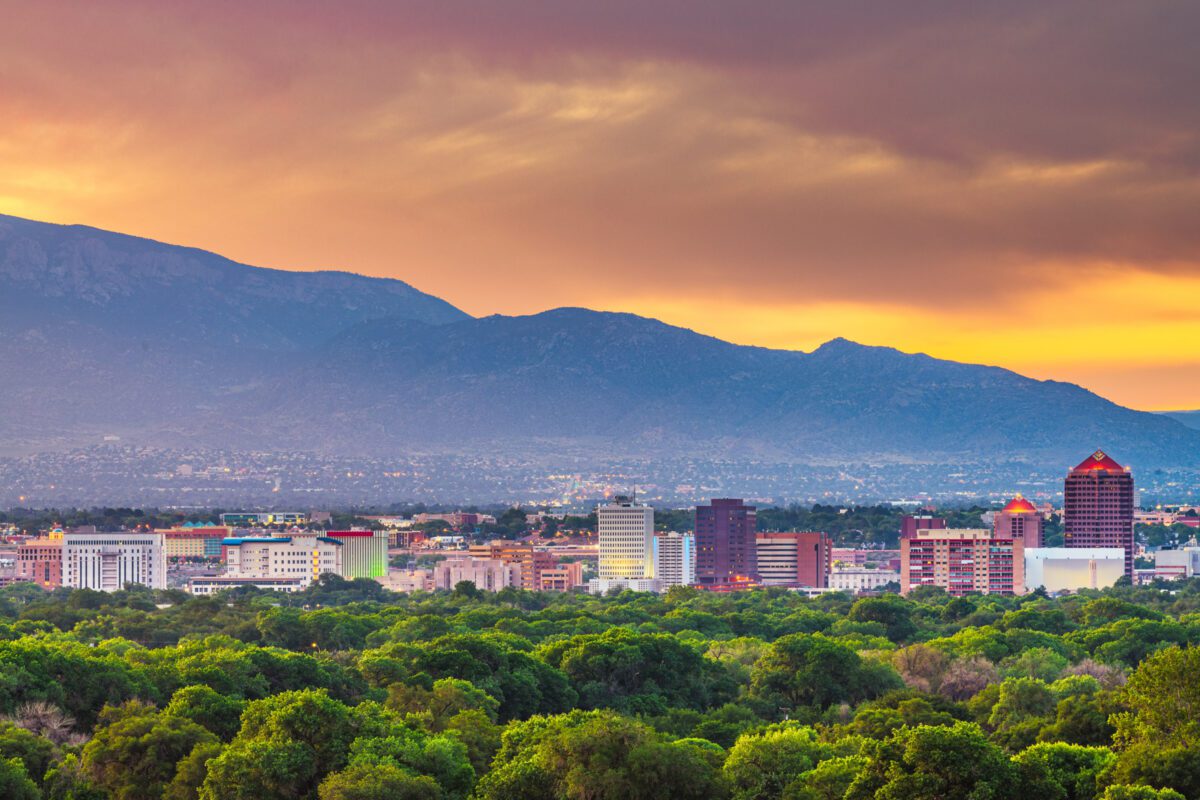
Whether you choose to settle in a vibrant city like Albuquerque with its diverse cultural offerings and urban amenities, or a smaller, more intimate community like Silver City with its artistic leanings, you are likely to find a place that feels like home. The emphasis on community extends to various clubs, volunteer organizations, and recreational groups that cater to a wide range of interests, ensuring that retirees can remain socially active and engaged.
Outdoor Adventures and Recreational Pursuits
For retirees who envision an active lifestyle, New Mexico offers an extraordinary playground. The state’s diverse natural landscapes provide a wealth of opportunities for outdoor recreation, catering to all fitness levels and interests. From the serene beauty of its national parks to the challenging terrains of its mountain ranges, adventure awaits just outside your doorstep.
Exploring Natural Wonders
New Mexico boasts an impressive array of national parks, monuments, and forests, each offering unique vistas and recreational possibilities.
- National Parks and Monuments: Carlsbad Caverns National Park, with its breathtaking underground formations, offers guided tours that are both educational and awe-inspiring. White Sands National Park, a surreal landscape of gypsum dunes, provides opportunities for hiking, picnicking, and even sledding down the powdery slopes. For those interested in history and archaeology, Bandelier National Monument offers a chance to explore ancient cliff dwellings.
- Mountain Escapes: The Sangre de Cristo Mountains offer a cooler climate and abundant opportunities for hiking, fishing, and wildlife viewing. Ski resorts like Taos Ski Valley provide winter sports for the adventurous, while the milder months are perfect for exploring the extensive trail systems.
- Desert Landscapes: The southern part of the state, with its dramatic desert vistas, is ideal for scenic drives, stargazing, and exploring unique flora and fauna. The Gila National Forest, one of the largest protected wilderness areas in the United States, offers remote hiking and backpacking opportunities for the truly intrepid.
Activities for Every Interest
Whether you are an avid hiker, a casual walker, a golfer, or simply someone who enjoys a leisurely bike ride, New Mexico has something to offer.
- Hiking and Biking: With thousands of miles of trails, from easy nature walks to challenging mountain treks, the state is a hiker’s paradise. Many communities have well-maintained trails suitable for all levels of fitness. Cycling enthusiasts will also find numerous scenic routes and dedicated bike paths.
- Golf: For golf lovers, New Mexico offers a variety of picturesque courses, often set against stunning backdrops. Courses in Albuquerque and Las Cruces are particularly popular, and the dry climate often allows for year-round play.
- Fishing and Water Sports: While known for its arid landscapes, New Mexico also has numerous lakes and rivers that provide opportunities for fishing, boating, and kayaking. Areas around Elephant Butte Lake State Park are popular for water recreation.
The abundance of natural beauty and the emphasis on outdoor living make New Mexico an ideal retirement destination for those who wish to stay active and connected with nature.
Healthcare, Infrastructure, and Practical Considerations
While the allure of culture, climate, and cost of living are strong motivators for considering New Mexico as a retirement haven, it’s crucial to also examine the practical aspects of healthcare, infrastructure, and accessibility. A smooth transition into retirement often hinges on the availability of quality services and reliable infrastructure.
Healthcare Access and Quality
New Mexico has a healthcare system that is progressively improving, with major medical centers located in its larger cities.
- Major Medical Centers: Albuquerque is home to the University of New Mexico Hospital, a leading academic medical center providing a wide range of specialized services. Other cities like Santa Fe and Las Cruces also have well-regarded hospitals and a growing network of clinics and private practices.
- Rural Healthcare: Access to healthcare can be more challenging in some of the more remote rural areas of the state. However, efforts are continuously being made to expand telehealth services and mobile clinics to reach these underserved populations. It is advisable for retirees to research the healthcare facilities available in their preferred specific location within New Mexico.
Transportation and Connectivity
Getting around New Mexico is generally convenient, especially in its urban centers.
- Road Networks: The state is well-connected by major highways, including I-40 and I-25, making it easy to travel within the state and to neighboring states. Albuquerque International Sunport is the primary airport, offering domestic flights to major hubs across the United States.
- Public Transportation: Larger cities like Albuquerque have bus systems, and Santa Fe has a public bus service and a rail runner commuter train connecting it to Albuquerque. However, like many Southwestern states, reliance on personal vehicles is common, especially outside of the major metropolitan areas.
- Internet and Utilities: Reliable internet and utility services are available in most developed areas, though availability and speed can vary in more remote locations.

Educational Opportunities and Lifelong Learning
For retirees who wish to continue their intellectual pursuits, New Mexico offers numerous avenues for lifelong learning.
- Universities and Colleges: The state is home to several universities, including the University of New Mexico and New Mexico State University, which often offer continuing education courses and lectures open to the public.
- Community Programs and Libraries: Local libraries and community centers frequently host workshops, lectures, and cultural events. The vibrant arts scene also provides opportunities to take classes in painting, pottery, writing, and more.
Considering these practical aspects alongside the lifestyle advantages is key to making an informed decision about whether New Mexico is the right place to begin your retirement journey.
LifeOutOfTheBox is a participant in the Amazon Services LLC Associates Program, an affiliate advertising program designed to provide a means for sites to earn advertising fees by advertising and linking to Amazon.com. Amazon, the Amazon logo, AmazonSupply, and the AmazonSupply logo are trademarks of Amazon.com, Inc. or its affiliates. As an Amazon Associate we earn affiliate commissions from qualifying purchases.