
As the majestic landscapes of Oregon beckon travelers with their diverse natural beauty, understanding the environmental conditions that shape these iconic vistas is paramount for planning an enriching and responsible visit. While wildfires are a natural part of many ecosystems, including those found in the Beaver State, their occurrence and impact can significantly influence travel decisions, from choosing destinations to understanding local advisories. This guide aims to provide insight into the patterns, causes, and implications of wildfires in Oregon for the discerning traveler, focusing on how to best experience the state’s natural wonders while staying informed and safe.
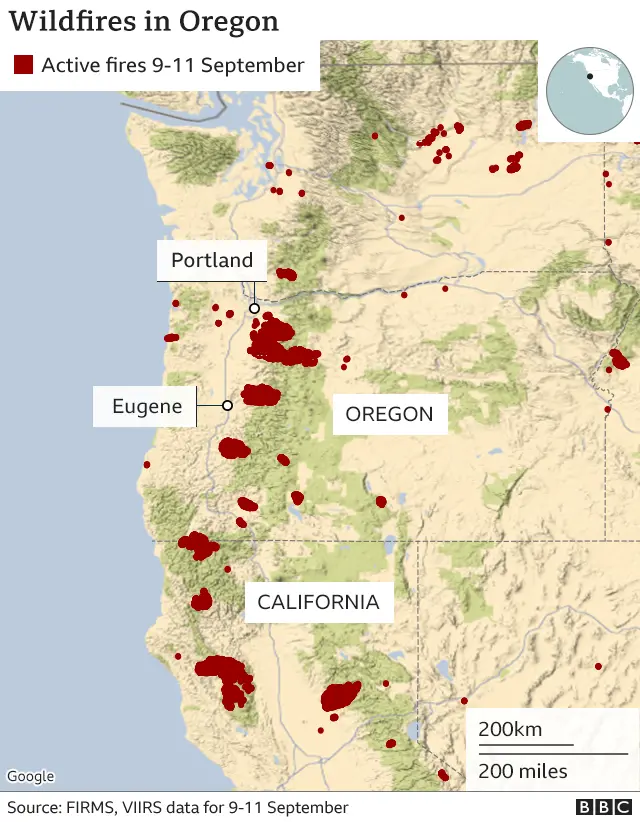
Understanding Oregon’s Fire Landscape
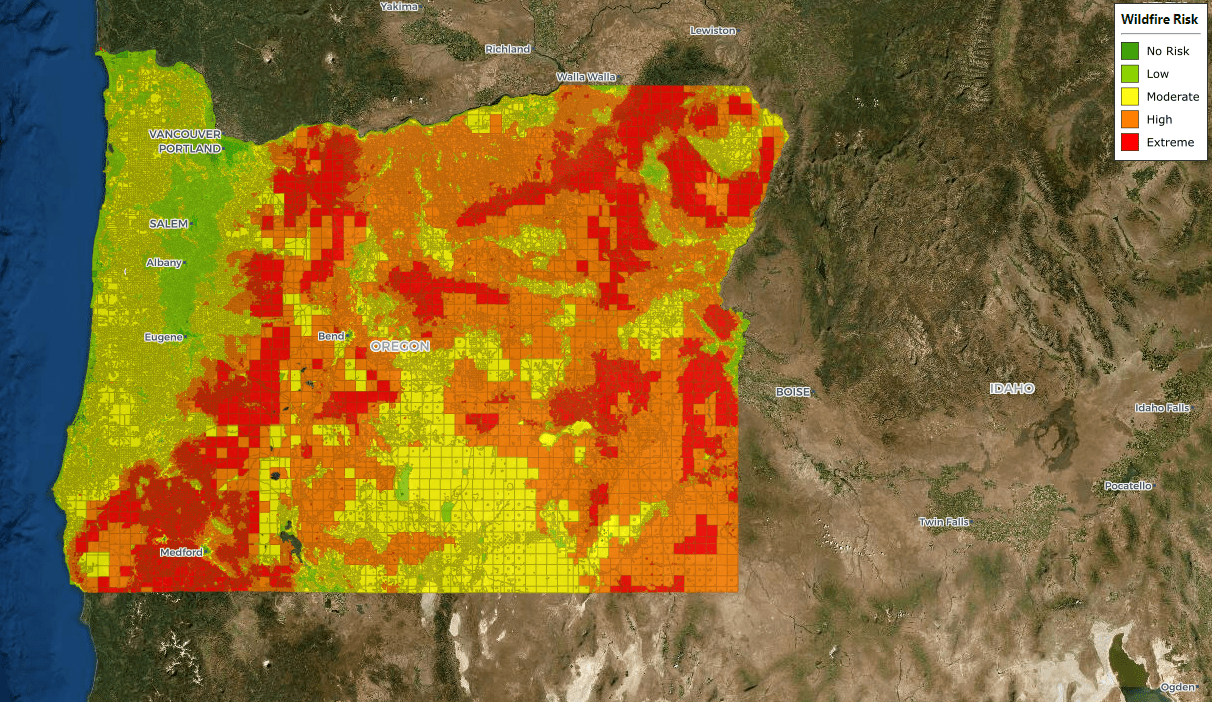
Oregon is a state characterized by its dramatic geographical diversity, ranging from the rugged Pacific Coast to the arid high desert, and the dense evergreen forests of the Cascade Mountains. This varied terrain, coupled with climate patterns, creates distinct fire regimes across the state. Understanding these regional differences is key to appreciating the context of wildfire activity.
Fuels and Fire Behavior
The type and density of vegetation, or “fuels,” are primary drivers of wildfire behavior. In western Oregon, dense coniferous forests like Douglas fir and hemlock can contribute to intense fires when conditions are dry and windy. These forests, often found in areas popular for hiking and camping such as near Mount Hood National Forest or the Oregon Coast Range, can experience crown fires under extreme weather.
Conversely, eastern Oregon features more shrub-steppe and grasslands, with species like sagebrush and juniper. These areas, often visited for their unique desert landscapes and opportunities for stargazing, can burn rapidly in hotter, drier conditions, with fires often spreading quickly across open terrain. Understanding these fuel types helps explain why fire seasons and fire behavior can differ significantly between the western and eastern halves of the state.
Climate and Seasonal Patterns
The Mediterranean climate of western Oregon, with its dry summers and wet winters, naturally leads to increased fire risk during the warmer months. July, August, and September are typically the peak months for wildfire activity, coinciding with peak tourist season for many of the state’s natural attractions, including Crater Lake National Park.
Eastern Oregon, with its more continental climate, experiences hotter, drier summers and can be susceptible to fires year-round, though the risk escalates significantly from late spring through early autumn. Factors such as prolonged drought, high temperatures, and low humidity are consistent indicators of heightened fire danger across all regions. Climate change is exacerbating these conditions, leading to longer and more intense fire seasons.
Human and Natural Ignitions
Wildfires are ignited by both natural and human causes. Lightning is a significant natural ignition source, particularly in the mountainous regions of western Oregon during summer thunderstorms. Human activities, however, account for a substantial percentage of ignitions. These can range from unattended campfires and discarded cigarettes to equipment use, arson, and power line malfunctions. Responsible behavior by visitors is crucial in preventing human-caused fires.
Monitoring Wildfire Activity for Travelers
Staying informed about current wildfire activity is essential for any traveler planning a trip to Oregon. This awareness allows for flexible planning, ensures safety, and helps minimize impact on delicate ecosystems. Fortunately, numerous resources are available to track these events.
Official Fire Information Sources
The most reliable information regarding wildfires in Oregon comes from official government agencies. The Oregon Department of Forestry (ODF) and the U.S. Forest Service (USFS) are primary sources for fire maps, incident reports, and evacuation notices. Websites like Wildfire.gov aggregate data from various federal agencies and provide interactive maps showing active incidents across the nation, including Oregon.
Local emergency management agencies also play a crucial role. County sheriff’s offices often issue evacuation orders and shelter information. Staying tuned to local news broadcasts and official social media channels for the specific regions you plan to visit is highly recommended.
Air Quality and Travel Advisories
Wildfires not only pose a direct threat but also significantly impact air quality over vast distances. Smoke from fires can lead to unhealthy air conditions, affecting visibility and posing respiratory risks. The Oregon Department of Environmental Quality (DEQ) monitors air quality and issues advisories. Travelers can check their website or services like AirNow.gov for real-time air quality data and smoke maps.
These advisories are critical for planning outdoor activities. If air quality is poor, it’s advisable to reschedule strenuous outdoor excursions, seek indoor attractions, or even consider postponing travel to the affected region. Many popular natural attractions, such as the Columbia River Gorge National Scenic Area, can be heavily impacted by smoke, reducing visibility and the enjoyment of scenic views.
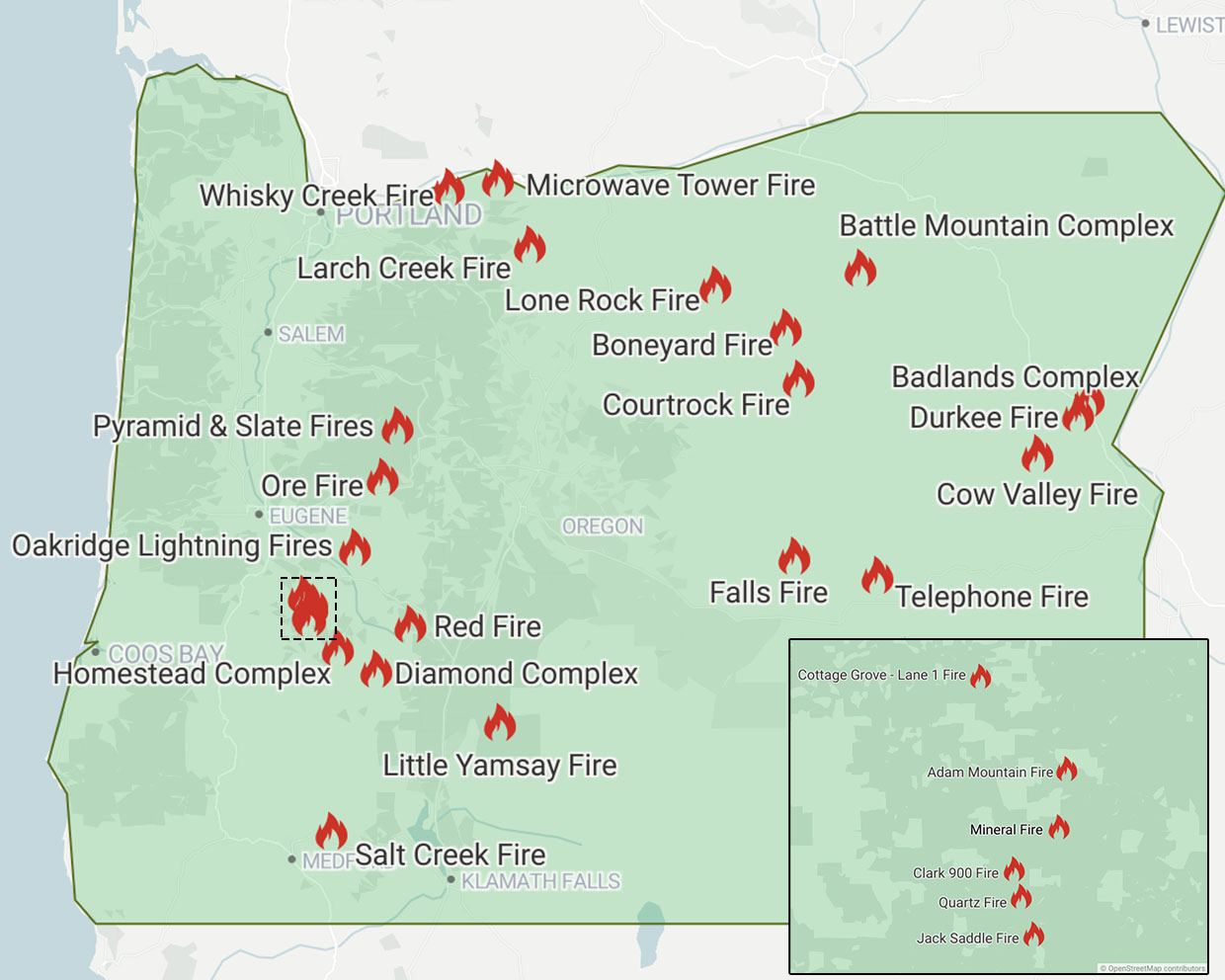
Planning Around Potential Disruptions
When planning your trip to Oregon, it’s prudent to build flexibility into your itinerary. Consider having alternative destinations or activities in mind should your primary plans be affected by wildfire activity or smoke. For instance, if a particular national forest or park is experiencing closures, exploring a coastal town like Cannon Beach or visiting museums in Portland could be excellent substitutes. Always check the status of roads and attractions before departing for your day’s activities.
Experiencing Oregon’s Nature Responsibly
While the presence of wildfires can be concerning, it doesn’t necessitate abandoning plans to explore Oregon’s stunning natural beauty. With careful planning and responsible practices, visitors can continue to enjoy the state’s diverse landscapes.
Choosing Destinations and Activities
During peak fire season, opting for destinations less prone to extreme fire activity or those with robust fire management infrastructure can be a wise choice. Coastal regions often experience less direct impact from inland fires compared to forested mountainous areas. Likewise, urban centers like Portland or Eugene offer numerous cultural and indoor attractions that remain unaffected by outdoor conditions.
When visiting natural areas, always adhere to fire restrictions. This includes “burn bans” that prohibit campfires and sometimes even the use of stoves. Understanding and respecting these regulations is crucial for preventing further ignitions. Many popular campgrounds and backcountry areas within Oregon will have specific rules and closures announced by the managing agency.
Safety Guidelines for Travelers
If you encounter smoky conditions, it’s advisable to limit your time outdoors, especially if you have respiratory sensitivities. Wearing an N95 mask can provide significant protection against fine particulate matter in smoke. Stay hydrated and listen to your body.
In the event of an evacuation order, leave the area immediately. Follow the instructions of emergency personnel and be aware of designated evacuation routes and shelters. It’s wise to have a “go bag” packed with essentials in case of an unexpected evacuation. Always inform someone of your travel plans and expected return time.
Supporting Local Communities
Wildfires can have a devastating economic impact on communities that rely heavily on tourism. When it is safe to travel to areas that have been affected by wildfires, your patronage can be invaluable. Supporting local businesses, restaurants, and lodgings helps these communities recover. Many tourism operators and lodging providers, from boutique hotels in Ashland to lodges near the Wallowa Mountains, are eager to welcome visitors back once conditions permit. Always check the current status of businesses before visiting.
The Long-Term Perspective: Resilience and Renewal
Wildfires, while destructive, are also a natural force that shapes Oregon’s ecosystems. Many native plant species are adapted to fire, and controlled burns can actually promote forest health and reduce the risk of catastrophic wildfires in the future. Understanding this cycle can foster a deeper appreciation for the resilience of nature.
Ecosystem Adaptation
Forests in Oregon, particularly those dominated by ponderosa pine and lodgepole pine, have evolved with fire. Periodic, low-intensity fires clear underbrush, thin dense stands, and can stimulate new growth. The post-fire landscape, while appearing stark initially, often becomes a vibrant canvas for new life, supporting diverse flora and fauna. This renewal process is a fundamental aspect of Oregon’s natural heritage.
Forest Management Practices
Government agencies and conservation organizations are increasingly focused on proactive forest management strategies to mitigate wildfire risk and enhance ecosystem resilience. These include prescribed burning, mechanical thinning, and forest restoration projects. Travelers may encounter areas undergoing these treatments, which are vital for the long-term health of Oregon’s forests. Supporting conservation efforts and understanding the importance of these management practices can enrich a traveler’s connection to the landscape.
A Future of Sustainable Exploration
As Oregon continues to embrace sustainable tourism, understanding the role of wildfires is an integral part of responsible travel. By staying informed, prioritizing safety, and respecting the natural environment, visitors can ensure that their journeys contribute positively to the state’s conservation efforts and the well-being of its communities. The dramatic beauty of Oregon, shaped by both its natural wonders and its environmental challenges, offers an unparalleled experience for those who explore it with knowledge and care.
LifeOutOfTheBox is a participant in the Amazon Services LLC Associates Program, an affiliate advertising program designed to provide a means for sites to earn advertising fees by advertising and linking to Amazon.com. Amazon, the Amazon logo, AmazonSupply, and the AmazonSupply logo are trademarks of Amazon.com, Inc. or its affiliates. As an Amazon Associate we earn affiliate commissions from qualifying purchases.