
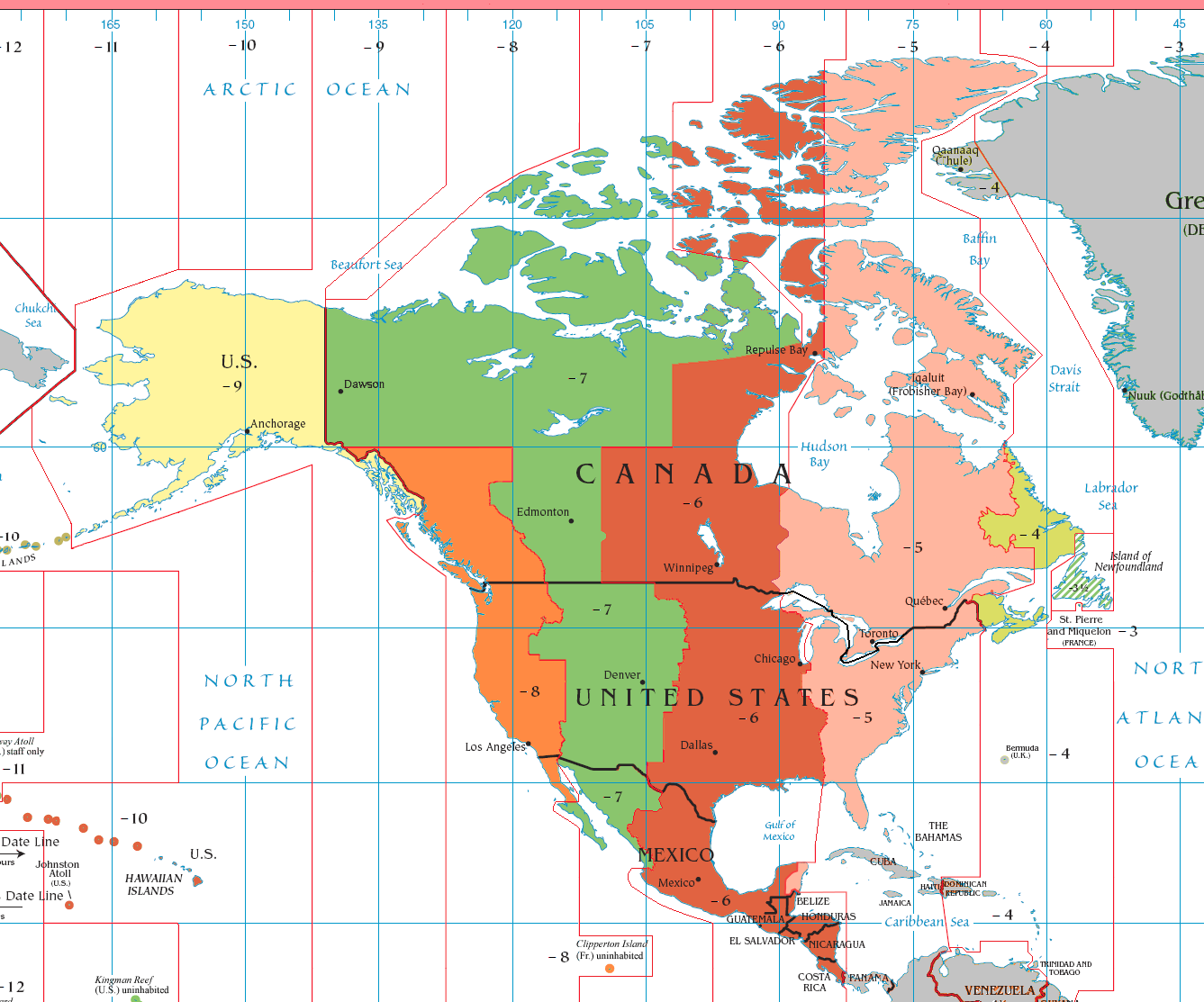
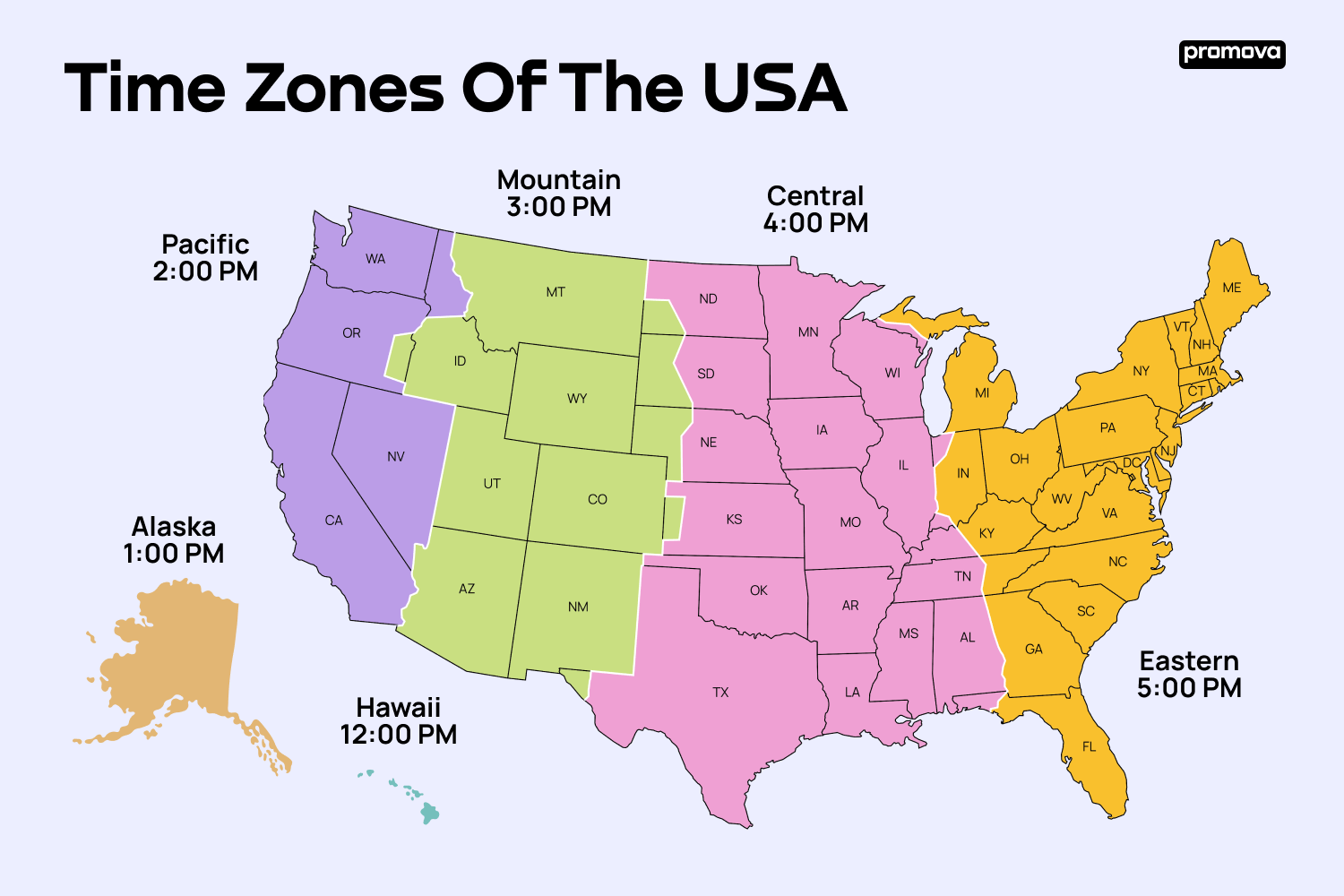
When planning a trip to New York, understanding the local time zone is the first step in ensuring a seamless experience. As one of the most prominent hubs for international finance, fashion, and culture, the city operates on Eastern Standard Time (EST) during the winter months and Eastern Daylight Time (EDT) during the warmer seasons. This consistent adherence to the Eastern time zone is essential for travelers arriving from different corners of the globe, as it dictates everything from your arrival at John F Kennedy International Airport to your dinner reservations in Manhattan.
Mastering the Clock in the City That Never Sleeps
Navigating time in New York City is more than just a matter of checking your watch; it is about synchronizing your rhythm with one of the most fast-paced environments on the planet. Whether you are catching a Broadway show near Times Square or scheduling a morning business meeting, being aware of the local temporal conventions is vital.
Understanding Daylight Saving Time
It is a common point of confusion for international visitors: is New York always on EST? The answer is nuanced. While the city remains within the Eastern Time zone, it observes Daylight Saving Time (DST). From the second Sunday in March until the first Sunday in November, the clocks move forward one hour, shifting the region to Eastern Daylight Time (EDT). This practice is intended to make better use of the extended evening sunlight, which transforms the atmosphere of iconic spaces like Central Park. During these months, the sunset hours stretch into the evening, providing ample time for sunset strolls along the Brooklyn Bridge.
Why Time Precision Matters for Travelers
For a tourist, time management is the difference between a frantic run to catch the Staten Island Ferry and a leisurely morning coffee in Greenwich Village. Because the city functions on such a precise, synchronized schedule, public transportation—including the New York City Subway—adheres strictly to these time standards. Missing an intercity train from Penn Station or Grand Central Terminal due to a misunderstanding of the time zone can derail an entire weekend itinerary.
Coordinating Your Arrival and Departure
Efficient travel planning requires a deep awareness of how time zones impact your flight logistics. Whether you are traveling domestically from Los Angeles or internationally from London, the adjustment to Eastern Time can affect your energy levels and your planned activities for the day of your arrival.
Navigating Jet Lag
Arriving in New York often involves a crossing of multiple time zones. Many travelers landing at LaGuardia Airport or Newark Liberty International Airport find themselves disoriented by the shift. To mitigate the effects of jet lag, experts recommend synchronizing your body clock with the local time as soon as you board your plane. Once you touch down, immediately transitioning to local schedules—taking a brisk walk through Rockefeller Center or enjoying a meal in Little Italy—can help you acclimate significantly faster.
The Importance of Scheduling
Business travelers and luxury tourists alike benefit from utilizing digital tools to track the time in New York compared to their home city. Many high-end hotels, such as the The Plaza Hotel or the St Regis New York, offer concierge services that can assist in managing your schedule, ensuring you are never late for a performance at Lincoln Center or a guided tour of the Metropolitan Museum of Art.
Cultural Significance of Time in New York
In a city defined by its ambition, time is frequently viewed as a precious commodity. The “New York minute” is not just an expression; it is a cultural reality. Locals treat time with a level of respect that dictates the flow of commerce and social life across all five boroughs.
The Pace of Life Across the Boroughs
While Midtown Manhattan embodies the frantic pace of the stock market and corporate world, other areas operate at a slightly different frequency. In Brooklyn, specifically neighborhoods like Williamsburg or Dumbo, the tempo is distinctly more relaxed, though it still remains firmly anchored to the Eastern time zone. Understanding that the city’s energy fluctuates based on the time of day—from the early morning hustle on Wall Street to the vibrant nightlife in SoHo—allows visitors to tailor their trip to their preferred level of intensity.
Essential Timing for Sightseeing
To optimize your time, consider the seasonality of the city. During the winter months, when the city remains on EST, the sun sets early, turning the Empire State Building into a sparkling beacon against a dark sky much sooner than in the summer. Planning your visit to the observation deck of the One World Trade Center requires an understanding of these shifts in daylight.
- Early Morning: Best for visiting popular sites like Statue of Liberty to avoid crowds.
- Mid-Day: Ideal for lunch in Chinatown or exploring the High Line.
- Evening: The perfect time for catching a performance in the Theater District or dining in Hell’s Kitchen.
Practical Tips for the Discerning Traveler
As you finalize your plans, keep in mind that the infrastructure of New York is designed to handle millions of visitors who are all operating on the same Eastern Time standard. Being cognizant of how this uniformity supports the city’s functioning will help you navigate your stay with confidence.
Digital Resources
Do not rely on guessing the time. Your smartphone will automatically adjust to the local network time upon landing at an airport like Teterboro Airport. However, it is always wise to keep a secondary analog watch or an offline clock set to Eastern Time if you have critical appointments. Checking the status of your bookings at The Waldorf Astoria or The Ritz Carlton well in advance will confirm that your arrival times are perfectly aligned with local operational hours.

Staying Ahead of the Curve
The key to mastering your time in this metropolis is preparation. By understanding that New York follows Eastern Time, you eliminate one major variable from your travel equation. Whether you are hiking the trails near Washington Square Park or attending a gala at Carnegie Hall, you can engage with the city’s offerings knowing exactly where you stand on the clock. With the time zone sorted, the only thing left for you to decide is which landmark to explore first. From the historic architecture of the Flatiron Building to the modern marvels of Hudson Yards, your itinerary is now perfectly set to unfold in the heart of the world’s most dynamic urban landscape.
LifeOutOfTheBox is a participant in the Amazon Services LLC Associates Program, an affiliate advertising program designed to provide a means for sites to earn advertising fees by advertising and linking to Amazon.com. Amazon, the Amazon logo, AmazonSupply, and the AmazonSupply logo are trademarks of Amazon.com, Inc. or its affiliates. As an Amazon Associate we earn affiliate commissions from qualifying purchases.