
The journey from the bustling coastal metropolis of Los Angeles to the serene, volcanic archipelago of Hawaii is one of the most iconic travel routes in the Pacific. Whether you are a surfer chasing the legendary swells of the North Shore or a traveler seeking the lush, emerald landscapes of the Garden Isle, understanding the distance is the first step in planning your Pacific odyssey.
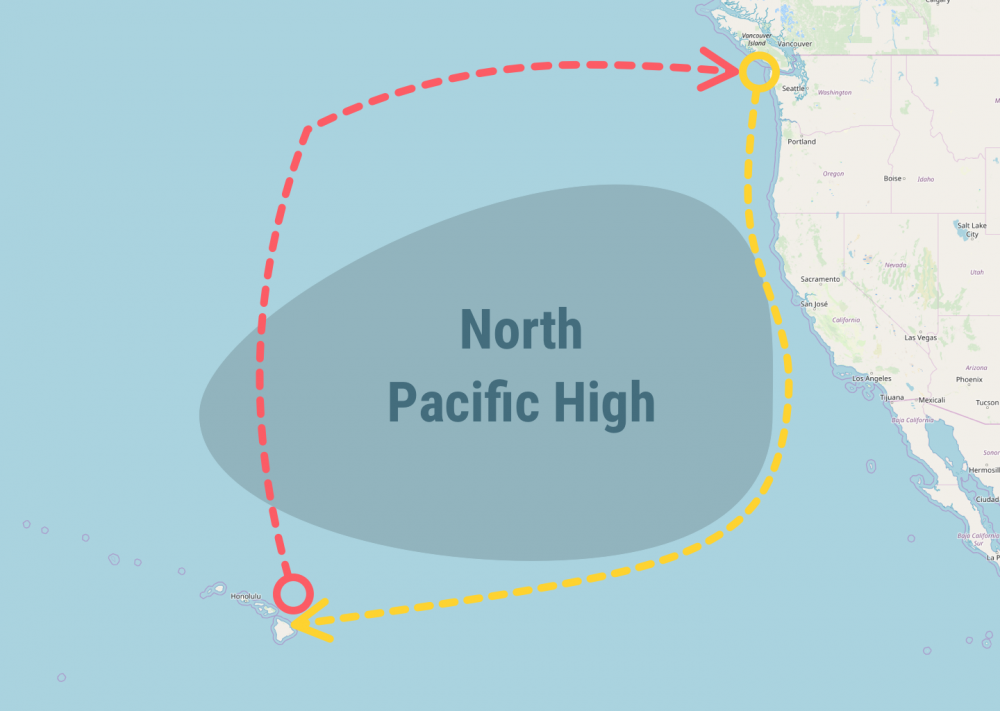
The distance between Los Angeles and Honolulu is approximately 2,550 miles (roughly 4,100 kilometers). While these figures represent the straight-line “as the crow flies” distance, the actual flight time and logistical reality depend on various factors including wind currents, flight paths, and specific island destinations.
Understanding Flight Distances and Air Travel Logistics
When flying from California to the Pacific Ocean islands, the flight duration typically ranges from five to six hours. This span of time is a testament to the sheer scale of the United States and its reach into the central Pacific.
The Great Circle Route
Aviation routes do not follow straight lines across a flat map; instead, they follow the “Great Circle,” the shortest path between two points on a sphere. Because the Earth is curved, flight paths from Los Angeles International Airport often arc slightly north before heading southwest toward the islands. This path minimizes fuel consumption and optimizes time in the air.
Why Distance Varies by Island
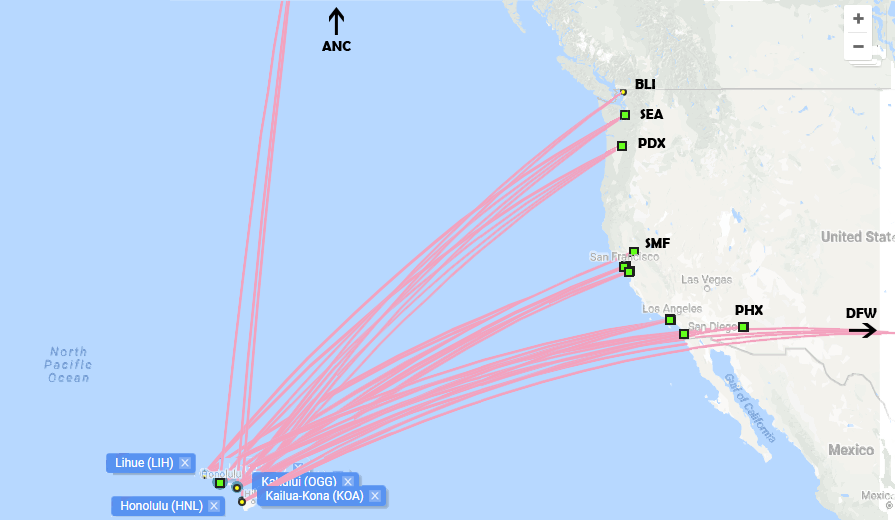
It is a common misconception that Hawaii is a single point on a map. In reality, the archipelago stretches over 1,500 miles. Consequently, the mileage from Los Angeles varies depending on which island you land on:
- Oahu: Home to Honolulu, this is the most common entry point, roughly 2,550 miles away.
- Maui: Slightly closer to the mainland, Kahului Airport sits at a distance of approximately 2,490 miles from Los Angeles.
- The Big Island: Flights to Kona cover about 2,470 miles.
- Kauai: As the northernmost of the main islands, the flight to Lihue is slightly longer, pushing past the 2,600-mile mark.
The Maritime Perspective: Sailing Across the Pacific
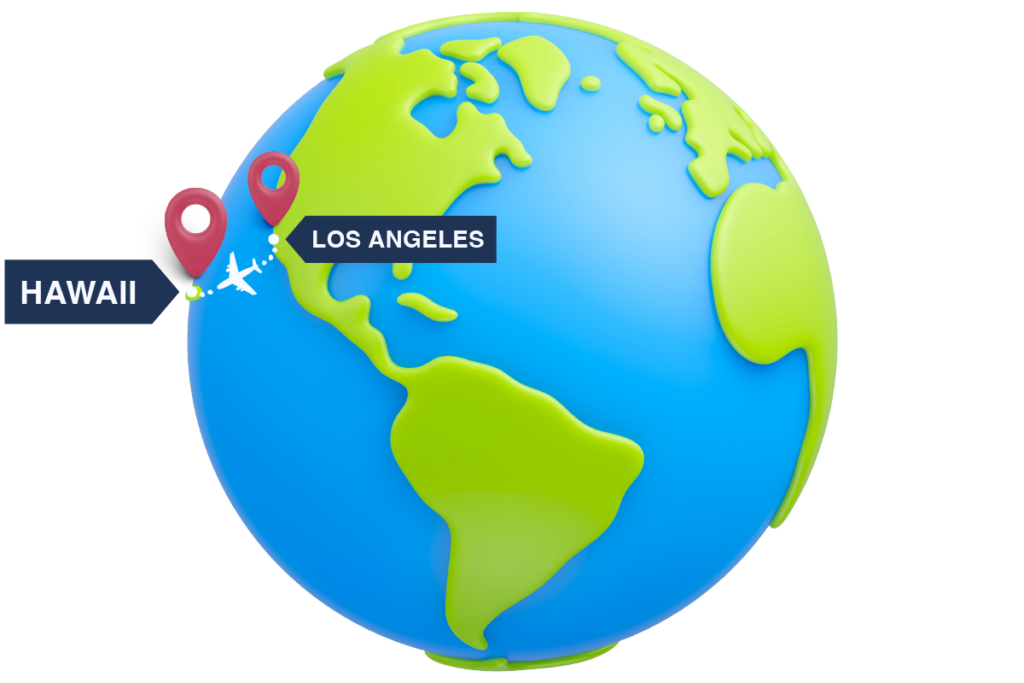
For the adventurous at heart, the distance from Los Angeles to Hawaii is not measured in hours but in weeks. The Transpac (Transpacific Yacht Race) is a historic sailing event that tracks the journey from Point Fermin in San Pedro to Diamond Head on Oahu.
Sailing Distances and Currents
Sailing the 2,225-nautical-mile course (roughly 2,560 statute miles) requires navigating the North Pacific High, a massive subtropical high-pressure system. Skippers must decide whether to sail a “rhumb line” (the most direct route) or to deviate north to catch stronger winds, often adding hundreds of miles to their total journey. The reality of the ocean is that while the map distance remains constant, the sea distance is fluid, dictated by the relentless movement of trade winds and ocean currents.
The Evolution of Pacific Travel
Historically, traveling from California to the Hawaiian Islands was a feat of endurance. In the 19th century, sailing ships would spend weeks or even months navigating the vast, empty stretches of the Pacific Ocean. Today, the 2,500-mile gap is bridged by wide-body commercial jets that have turned an arduous expedition into a morning’s commute, making the transition from the frantic pace of Southern California to the “Aloha Spirit” almost instantaneous.
Planning Your Trip: Distance and Connectivity
Understanding the distance is vital for managing traveler expectations. The six-hour flight from Los Angeles is long enough to warrant careful planning, yet short enough to allow travelers to enjoy a morning breakfast in Venice Beach and a late dinner by the shores of Waikiki.
Time Zone Shifts
Crossing the 2,550 miles from Los Angeles to Hawaii also involves a significant time zone change. Hawaii follows Hawaii-Aleutian Standard Time and does not observe Daylight Saving Time. This means that for a large portion of the year, you gain three hours as you travel west, essentially “adding” time to your vacation day.
Seasonal Factors
While the physical distance between Los Angeles and the islands remains immutable, your perception of the trip can be altered by seasonal winds. Flights traveling west from California to Hawaii are often assisted by the Jet Stream, which can shave time off the journey. Conversely, the return flight—flying against these high-altitude winds—can often take an extra 30 to 45 minutes, a reminder that the Pacific is a dynamic environment, not a static landscape.
Tips for the Long-Haul Journey
Because the distance is substantial, comfort is a priority. Whether you are departing from LAX or opting for a more private charter, several strategies can make the 2,500-mile stretch feel significantly shorter.
- Hydration and Altitude: Crossing thousands of miles in a pressurized cabin can be dehydrating. Drink water regularly and minimize caffeine to combat the physical toll of a long flight over the ocean.
- Entertainment Strategy: With no cell service for the majority of the trip over the Pacific Ocean, downloading content beforehand is essential. The distance is long enough that you can easily finish a full-length movie, read a substantial book, or even catch up on work.
- Island Hopping: Once you have traversed the initial 2,500 miles from Los Angeles, consider how you will move between the islands. Distances between Oahu, Maui, and Kauai are much shorter—often just 30 to 50 minutes of flight time—making them accessible after the main leg of your journey is complete.
Ultimately, the distance from Los Angeles to Hawaii is more than just a number on a navigation console. It is the threshold between the terrestrial mainland and the volcanic, isolated paradise of the middle Pacific. As you cross those 2,500 miles, you leave behind the frantic energy of Santa Monica and Hollywood for the slow, rhythmic tides of the Pacific Basin. Whether you arrive by air in five hours or by sea in a week, the journey across this expanse remains one of the most rewarding travel experiences one can undertake in the United States.
LifeOutOfTheBox is a participant in the Amazon Services LLC Associates Program, an affiliate advertising program designed to provide a means for sites to earn advertising fees by advertising and linking to Amazon.com. Amazon, the Amazon logo, AmazonSupply, and the AmazonSupply logo are trademarks of Amazon.com, Inc. or its affiliates. As an Amazon Associate we earn affiliate commissions from qualifying purchases.