
For many considering a move, a significant investment, or simply planning their long-term future in a new destination, understanding local laws, particularly those pertaining to marital property, can be as crucial as knowing the best boutique hotels or iconic landmarks. New York State, a vibrant hub of culture, finance, and natural beauty, attracts individuals and couples from all walks of life. Whether you dream of owning a piece of Manhattan real estate, a charming Upstate New York retreat, or simply want to understand the financial landscape before embarking on a new chapter, a common question often arises: Is New York State a community property state?

The short answer is no. New York State operates under an equitable distribution system, not a community property system. This distinction carries significant implications for how assets and debts acquired during a marriage are divided in the event of divorce, or even for estate planning. For those contemplating a luxurious lifestyle, a business venture, or a long-term stay in the Empire State, grasping this fundamental legal difference is paramount, influencing everything from property ownership to financial planning and future security.
Navigating Marital Property Laws in the Empire State: Equitable Distribution Explained
Understanding the legal framework that governs marital property is essential for anyone building a life or investing heavily in a new state. When we talk about property division, the terms “community property” and “equitable distribution” often come up, and they represent two distinctly different approaches to handling assets acquired during a marriage.
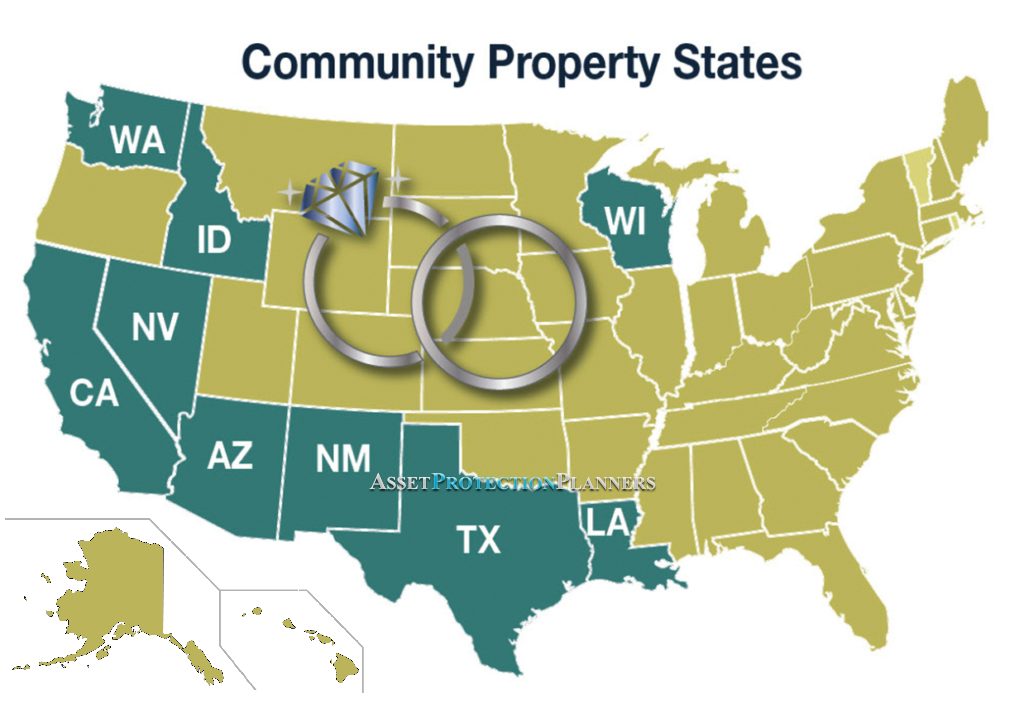
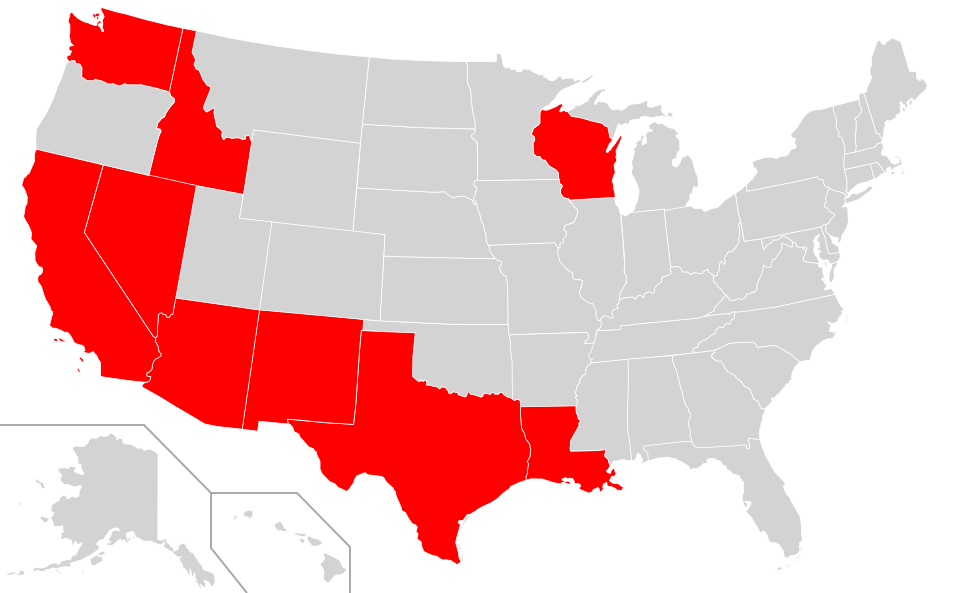
In a community property state (of which there are currently nine in the United States, including popular destinations like California, Texas, and Arizona), marital assets and debts are generally considered to be owned equally by both spouses, regardless of whose name is on the title or who earned the income. Upon divorce, these assets are typically divided 50/50. This system offers a clear-cut rule, making the division process relatively straightforward in principle.
However, New York stands firmly in the other camp, adopting an equitable distribution approach. This means that while marital property is still subject to division, the division isn’t necessarily equal. Instead, courts aim for a fair distribution, which may or may not be 50/50, based on a multitude of factors. This system acknowledges the unique circumstances of each marriage, aiming to achieve a just outcome rather than a rigidly equal one.
Understanding Equitable Distribution: What It Means for Couples in New York
The concept of equitable distribution in New York is nuanced, focusing on fairness rather than strict equality. This is particularly relevant for couples considering purchasing a vacation home in the Hamptons, investing in a Manhattan condo, or establishing a business in Brooklyn.
At its core, New York law distinguishes between marital property and separate property:
- Marital Property: This includes all property acquired by either or both spouses during the marriage, regardless of how it’s titled. This can encompass everything from the family home, investment portfolios, retirement accounts, and businesses to personal property like art collections, vehicles, and even frequent flyer miles. If a couple buys a charming farmhouse in the Hudson Valley during their marriage, even if only one spouse’s name is on the deed, it’s generally considered marital property.
- Separate Property: This category includes assets acquired before the marriage, inheritances, gifts from a third party specifically to one spouse, and compensation for personal injuries. It also includes property acquired in exchange for separate property (as long as it’s kept separate) and any increase in value of separate property, except to the extent that such appreciation is due in part to the contributions or efforts of the non-owner spouse. For example, if one spouse owned a luxury apartment in New York City before marriage, that apartment would typically remain separate property. However, if marital funds were used to renovate it, or if the non-owner spouse contributed significantly to its upkeep and improvement, a portion of its appreciation could become marital property.
When determining an equitable distribution, New York courts consider a wide array of factors, and no single factor is dispositive. These can include:
- The income and property of each party at the time of marriage, and at the time of commencement of the divorce action.
- The duration of the marriage and the age and health of both parties.
- The need of a custodial parent to occupy or own the marital residence and to use or own its household effects.
- The loss of inheritance and pension rights upon dissolution of the marriage as of the date of dissolution.
- The award of spousal maintenance (alimony).
- Any equitable claim to, interest in, or direct or indirect contribution made to the acquisition of such marital property by the party not having title, including joint efforts or expenditures and contributions and services as a spouse, parent, wage earner and homemaker, and to the career or career potential of the other party.
- The liquid or non-liquid character of all marital property.
- The probable future financial circumstances of each party.
- The impossibility or difficulty of evaluating any component asset or any interest in a business, corporation or profession, and the economic desirability of retaining such asset or interest intact and free from any claim or interference by the other party.
- The tax consequences to each party.
- The wasteful dissipation of assets by either spouse.
- Any transfer or encumbrance made in contemplation of a matrimonial action without fair consideration.
- Any other factor which the court shall expressly find to be just and proper.
This comprehensive list highlights why navigating property division in New York requires careful consideration and often, professional legal guidance. It underscores that while the legal framework aims for fairness, the outcome can be highly individualized, making proactive planning all the more crucial for couples.
Lifestyle and Investment Implications for Visitors and Residents
For those drawn to the allure of New York – be it for its vibrant city life, serene natural landscapes, or unparalleled opportunities – understanding equitable distribution extends beyond legal theory into tangible lifestyle and investment implications. This is especially true for individuals and couples seeking to establish roots, invest in real estate, or simply enjoy a sophisticated lifestyle that often comes with significant assets.
Real Estate Investments and Property Ownership
New York’s real estate market is notoriously dynamic, offering everything from sprawling luxury estates to quaint urban apartments. Whether a couple dreams of a stylish condo in Tribeca, a sprawling country home near the Finger Lakes, or a summer retreat in East Hampton, the manner in which property is acquired and titled can have profound effects.
When purchasing property as a married couple in an equitable distribution state like New York, it’s generally considered marital property if acquired during the marriage, regardless of whether one or both names are on the deed. This means that if you purchase a villa in Montauk or an investment property in Buffalo using marital funds or resources, it will be subject to equitable distribution. This principle also extends to the appreciation of such properties. If a New York City apartment purchased during the marriage significantly increases in value, that increase is also part of the marital estate.
This makes it vital for couples, particularly those with diverse asset portfolios or differing financial contributions, to consider how they title property and what agreements they have in place. For instance, if one spouse contributes a substantial amount of separate property (like an inheritance) towards a down payment on a marital home, clarifying the intent and maintaining clear financial records can be crucial in distinguishing separate property contributions from marital assets.
Business Ventures and Professional Licenses
New York is a global financial and business hub, attracting entrepreneurs and professionals from around the globe. For couples engaged in business ventures or holding valuable professional licenses (e.g., medical, legal), equitable distribution rules can have significant implications. A business started or substantially grown during a marriage, even if primarily managed by one spouse, is typically considered marital property. Its valuation and potential division can be complex.
Furthermore, New York is unique in that it recognizes a professional license or degree as a marital asset subject to distribution. This means that if one spouse invested time and marital resources (e.g., supporting the other spouse through medical school or law school) in helping the other obtain a professional license, the non-licensed spouse may be entitled to a share of the enhanced earning capacity that the license provides. This can have a substantial impact on the financial outcomes of a divorce, particularly in high-earning professions common in New York City.
Luxury Travel, Assets, and Estate Planning for the Savvy Traveler
For individuals accustomed to a life of luxury travel and significant asset acquisition, the equitable distribution system requires careful attention to estate planning. This includes not just real estate, but also high-value personal property such as art collections, yachts, private jets, or luxury vehicles acquired during the marriage. These assets, often spread across different locations or even countries, fall under the purview of marital property and would be subject to equitable distribution.
Savvy travelers and investors often have complex financial structures, including trusts, offshore accounts, and multiple residences. When planning for the future in New York, it’s essential to understand how these assets would be treated under New York law, especially if they were acquired or significantly appreciated during the marriage. Estate planning documents like wills and trusts need to be meticulously crafted to align with the state’s equitable distribution principles, ensuring that one’s wishes are honored while also addressing potential marital claims. Without proper planning, international assets and intricate financial arrangements could become complicated during a marital dissolution.
Planning Your Future in New York: Pre-nuptial Agreements and Other Considerations
Given the complexities of equitable distribution, particularly for couples with substantial assets, pre-emptive planning becomes a strategic necessity. Whether you’re planning a destination wedding with a backdrop of the New York City skyline or relocating your family to the Empire State, understanding the tools available to provide clarity and security is paramount.
Pre-nuptial Agreements: A Foundation for Financial Clarity
A pre-nuptial agreement (often called a “prenup”) is a legally binding contract entered into by prospective spouses before marriage. In New York, prenups are widely recognized and highly effective tools for couples to define how their assets and debts will be handled in the event of divorce or death. For individuals bringing significant separate property into a marriage, owning a business, expecting an inheritance, or simply desiring clear financial boundaries, a prenup can be invaluable.
For couples considering a move to New York or those marrying within the state, a prenup can:
- Protect Separate Property: Clearly delineate what assets remain separate property and are therefore exempt from equitable distribution.
- Define Marital Property: Establish how certain assets, even those acquired during the marriage, will be treated (e.g., a vacation home in Lake Placid designated for one spouse).
- Address Business Interests: Specify how a business or professional practice will be valued and distributed, or if it will remain solely with one spouse.
- Outline Spousal Support: Set terms for spousal maintenance (alimony), overriding the court’s discretion under equitable distribution rules.
- Simplify Future Processes: Potentially reduce conflict and litigation costs should the marriage dissolve, allowing for a smoother transition.
For those contemplating luxury travel and investment, a prenup provides peace of mind, allowing couples to enjoy the richness of New York life without lingering financial anxieties.
Post-nuptial Agreements: Flexibility After the Vows
While prenuptial agreements are executed before marriage, a post-nuptial agreement (“postnup”) serves a similar purpose but is entered into after the couple is already married. Life circumstances change, and a postnup allows couples to adapt their financial planning to new realities, such as starting a business, receiving a large inheritance, or simply wishing to clarify financial responsibilities after years of marriage. Like prenups, postnups in New York can define property rights, spousal support, and other financial matters, offering flexibility as a couple’s journey evolves.
The Importance of Legal Counsel
Regardless of whether you choose a prenup, postnup, or simply want to understand your rights, seeking advice from a qualified New York family law attorney is non-negotiable. The nuances of equitable distribution, the factors considered by courts, and the specific requirements for valid marital agreements demand expert guidance. A skilled attorney can help couples navigate the complexities, ensuring agreements are fair, enforceable, and tailored to their unique circumstances and lifestyle goals. For those with international assets or complex portfolios, a legal team well-versed in both New York and potentially international law is even more critical.
New York’s Unique Appeal Beyond Property Laws: A Travel and Lifestyle Hub
While understanding the legal intricacies of equitable distribution is vital for long-term planning and financial security, it’s merely one facet of what makes New York State an unparalleled destination for travel, lifestyle, and investment. Beyond its legal framework, the Empire State offers an extraordinary mosaic of experiences, from bustling urban centers to serene natural wonders, catering to every taste and desire.
New York City Experiences: The Ultimate Urban Adventure
New York City stands as a beacon of global tourism and lifestyle, a vibrant metropolis that truly never sleeps. For visitors and residents alike, the city offers an inexhaustible list of attractions and experiences:
- Iconic Landmarks: Marvel at the majestic Statue of Liberty, ascend the historic Empire State Building for breathtaking views, or cross the architectural marvel of the Brooklyn Bridge.
- World-Class Culture: Immerse yourself in the arts with a Broadway show, explore the vast collections of the Metropolitan Museum of Art (The Met), or discover contemporary masterpieces at the Museum of Modern Art (MoMA).
- Parks and Recreation: Find tranquility amidst the urban sprawl in Central Park, a sprawling oasis perfect for strolls, picnics, and people-watching.
- Culinary Delights: From Michelin-starred restaurants to diverse ethnic eateries, New York City’s food scene is a global gastronomic adventure.
- Accommodation: The city boasts an incredible array of hotels, from opulent luxury establishments like The St. Regis New York and The Plaza Hotel to chic boutique stays in Greenwich Village and convenient options for every budget across its five boroughs.
Upstate New York Adventures: Nature, Wine, and Charm
Beyond the urban glitter, Upstate New York reveals a different kind of beauty, appealing to those seeking nature, outdoor activities, and quaint town charm.
- Natural Wonders: Witness the awe-inspiring power of Niagara Falls, hike or ski in the majestic Adirondack Mountains, or explore the picturesque gorges and waterfalls of the Finger Lakes region.
- Wine Country: The Finger Lakes region is renowned for its burgeoning wine industry, offering delightful tours and tastings at numerous vineyards.
- Historic Towns: Discover the equestrian elegance of Saratoga Springs, the artistic allure of Hudson, or the historic significance of Albany, the state capital.
- Accommodation: Upstate New York provides a diverse range of accommodations, from rustic cabins and charming bed & breakfasts to luxurious resorts offering spa treatments and outdoor activities.
Long Island Escapes: Beaches and Luxury Living
Long Island offers another distinct New York experience, known for its pristine beaches, world-class golf courses, and affluent communities.
- The Hamptons: A legendary destination for summer luxury, the Hamptons are synonymous with stunning oceanfront properties, celebrity sightings, and vibrant social scenes.
- North Fork: A quieter, more agricultural counterpart to the Hamptons, the North Fork boasts vineyards, farm stands, and charming small towns, perfect for a relaxed getaway.
- Beaches: Enjoy the sun and surf at iconic beaches like Jones Beach State Park or the secluded shores of Shelter Island.
- Accommodation: From lavish resorts and private villas in the Hamptons to cozy inns on the North Fork, Long Island provides upscale options for every traveler.
Making New York Your Home: A Seamless Blend of Lifestyle and Legal Prudence
New York State, with its equitable distribution laws, presents a unique legal landscape that requires careful consideration for anyone planning a long-term future, significant investments, or a luxurious lifestyle within its borders. While it may not be a community property state, its system is designed to provide fair, albeit not always equal, outcomes, reflecting the individual circumstances of each marriage.
By understanding these nuances, engaging in proactive financial planning, and seeking expert legal advice, individuals and couples can confidently navigate the financial aspects of their journey in New York. This informed approach allows them to fully embrace the unparalleled opportunities and experiences that the Empire State has to offer, from the dizzying heights of New York City’s skyscrapers to the tranquil beauty of its Adirondack wilderness. Whether you’re here for an unforgettable travel experience, a new beginning, or a lifelong adventure, combining legal prudence with an appreciation for its diverse offerings ensures that your New York story is as rich and rewarding as possible.
LifeOutOfTheBox is a participant in the Amazon Services LLC Associates Program, an affiliate advertising program designed to provide a means for sites to earn advertising fees by advertising and linking to Amazon.com. Amazon, the Amazon logo, AmazonSupply, and the AmazonSupply logo are trademarks of Amazon.com, Inc. or its affiliates. As an Amazon Associate we earn affiliate commissions from qualifying purchases.