
The allure of a perfectly grilled steak is undeniable, and for many, the New York strip holds a prime position in the pantheon of beef cuts. Renowned for its rich flavor, satisfying chew, and the characteristic fat cap, it’s a steakhouse staple and a backyard barbecue favorite. However, as dietary consciousness continues to shape our culinary choices, a crucial question arises: is the New York strip truly a lean option? Understanding the nuances of this popular cut goes beyond a simple yes or no; it involves delving into its nutritional profile, preparation methods, and how it compares to other steak varieties. For those navigating the vibrant food scene of New York City or seeking healthier indulgence, this exploration will illuminate the lean characteristics, or lack thereof, of the New York strip.
Understanding the Anatomy of a New York Strip
To accurately assess the leanness of a New York strip, it’s essential to understand its origins and inherent characteristics. This cut, also known as the strip loin, Kansas City strip, or top loin, is derived from the short loin primal cut of the cow. This section of the cow is relatively inactive, which contributes to the tenderness of the meat. The defining feature of a New York strip is its marbling – those fine streaks of intramuscular fat that weave through the muscle. This marbling is crucial for flavor and juiciness, as it melts during cooking, basting the meat from within.
The Role of Marbling in Flavor and Fat Content
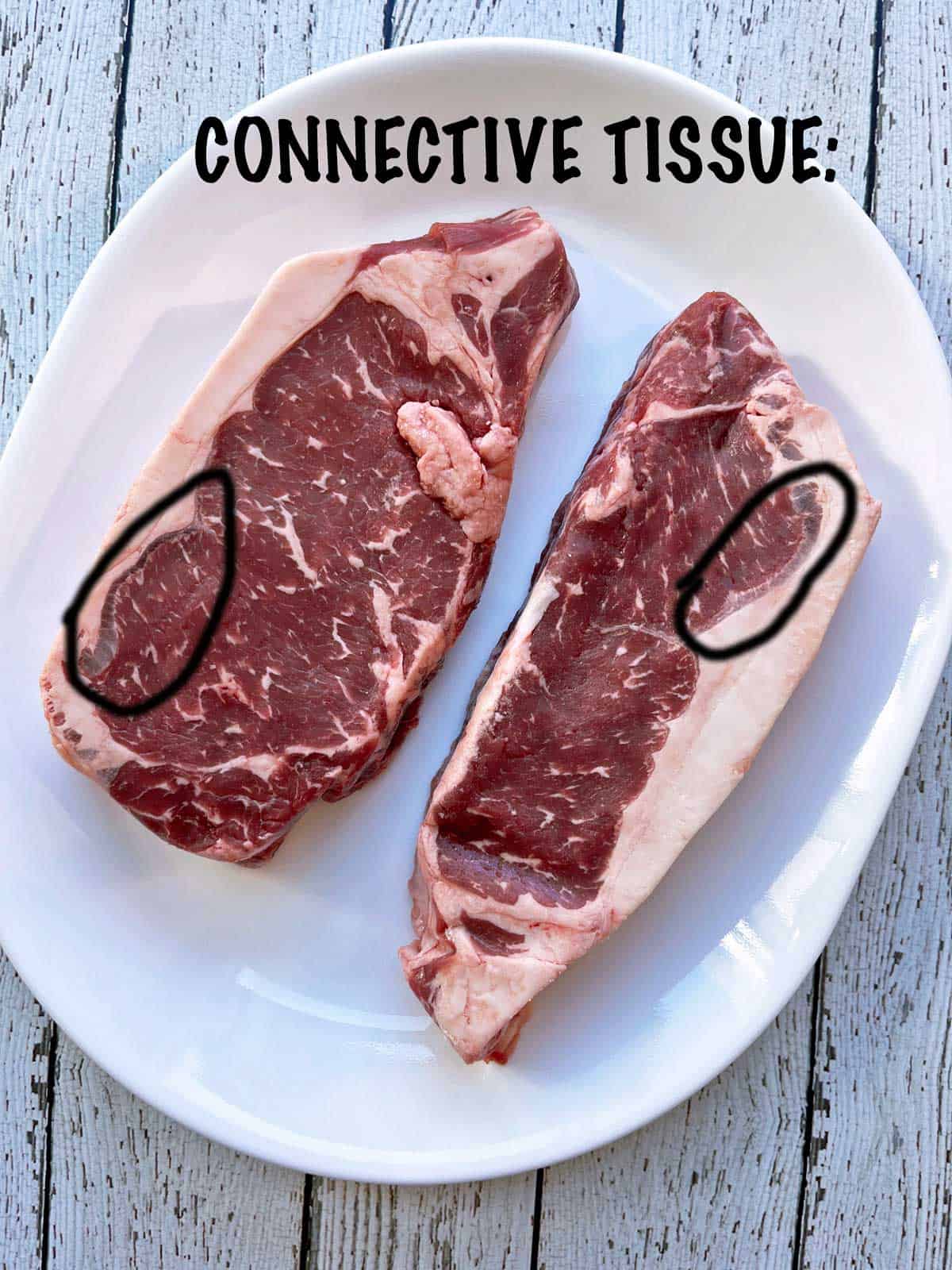
The presence and distribution of marbling are the primary factors influencing the fat content of any steak, including the New York strip. While a moderate amount of marbling is desirable for palatability, an excessive amount directly translates to a higher overall fat content. The lean muscle fibers themselves contain fat, and the New York strip, while leaner than some cuts like ribeye, is not as lean as, for instance, a beef tenderloin. The fat cap, a visible layer of external fat, also adds to the total fat. Many chefs and home cooks choose to trim this fat cap before cooking, which can significantly reduce the fat content of the final dish. However, even with trimming, the intramuscular marbling remains, contributing to the steak’s inherent richness and caloric density. Therefore, while not the fattiest cut, it’s crucial to acknowledge that the New York strip is not an inherently “lean” meat in the same way a skinless chicken breast or certain fish would be considered. Its appeal lies in the balance of flavor and texture, which is intrinsically linked to its fat content.
Nutritional Breakdown: Calories, Protein, and Fat
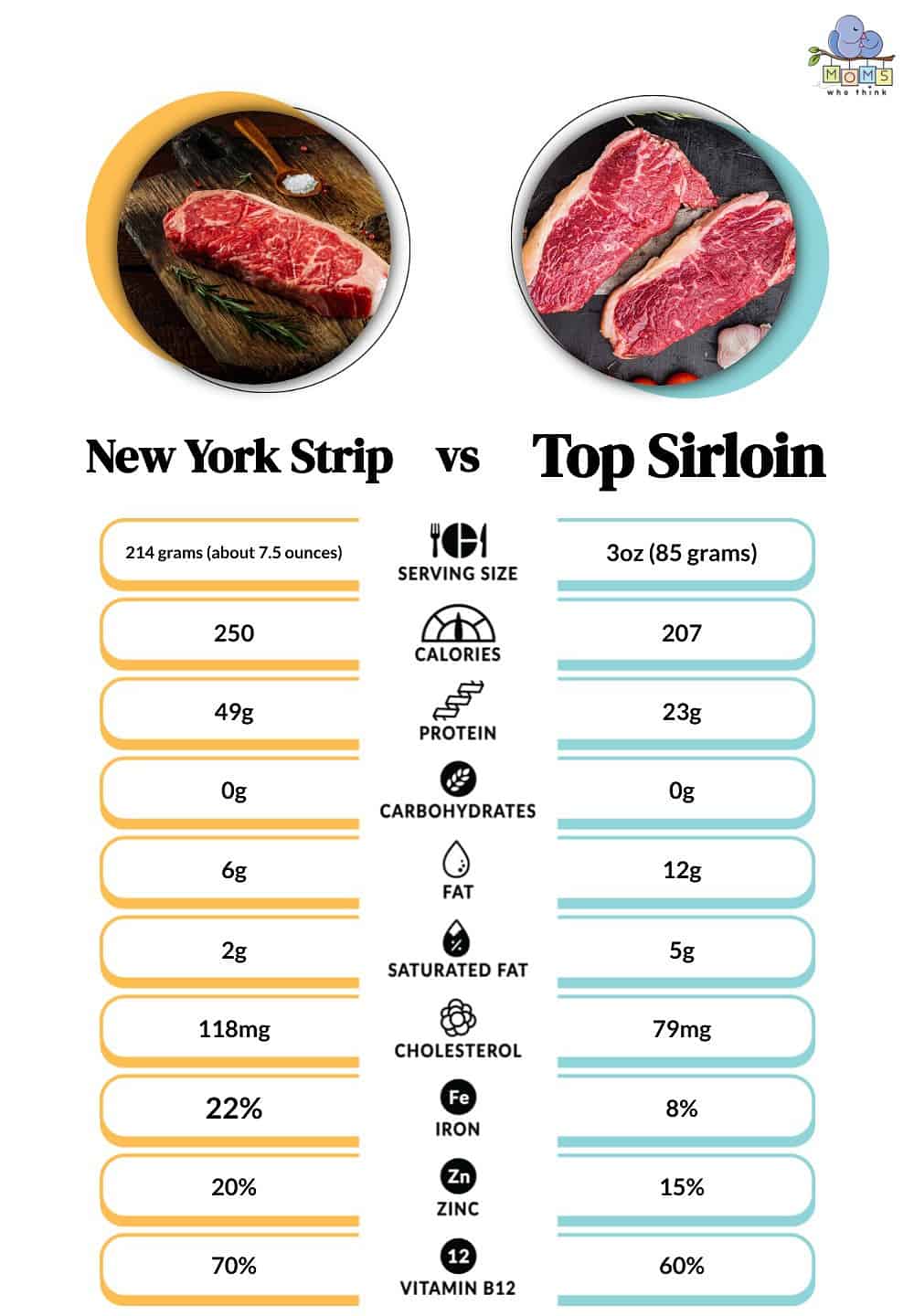
A closer look at the nutritional profile of a New York strip reveals a more precise picture of its leanness. Typically, a 4-ounce (113-gram) cooked serving of trimmed New York strip steak can contain approximately 250-300 calories. This figure can fluctuate based on the degree of marbling and how much fat is trimmed away. The protein content is commendably high, usually around 25-30 grams per serving, making it an excellent source for muscle building and satiety. However, the fat content is where the “lean” designation becomes debatable. The same 4-ounce serving can contain anywhere from 15 to 20 grams of fat, with a significant portion being saturated fat.
Comparing to Other Steak Cuts
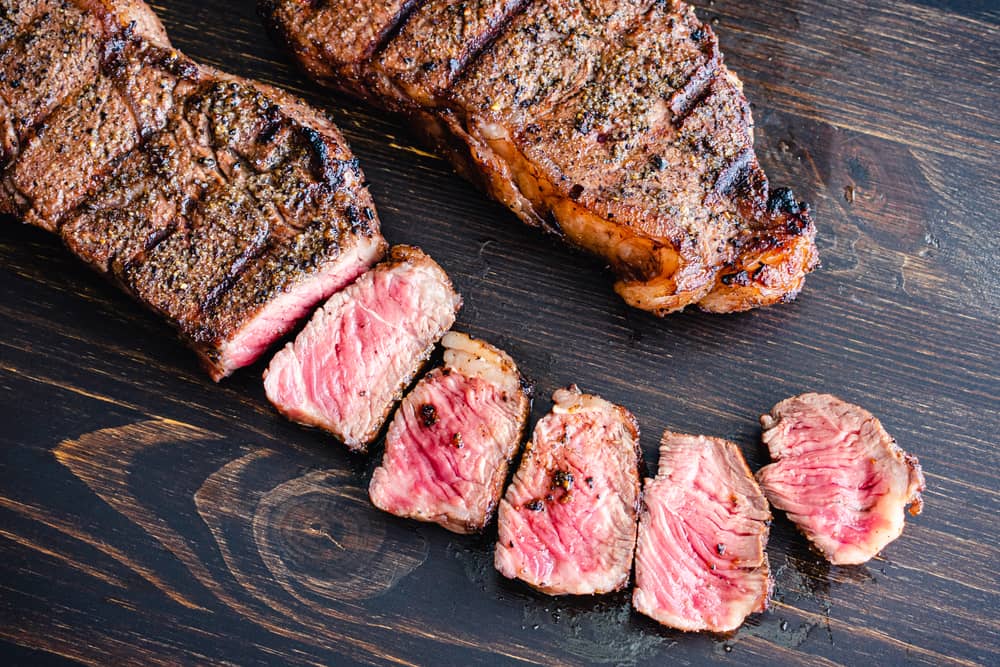
To truly understand where the New York strip stands on the leanness spectrum, it’s helpful to compare it to other popular steak cuts.
- Ribeye: Generally considered one of the fattiest cuts, the ribeye boasts abundant marbling and often a substantial fat cap. A 4-ounce serving can easily exceed 300 calories and contain 20-25 grams of fat.
- Tenderloin (Filet Mignon): This cut is renowned for its extreme tenderness and is typically much leaner than the New York strip. A 4-ounce serving of tenderloin might contain around 200-220 calories and 10-15 grams of fat.
- Sirloin: While there are different types of sirloin, the top sirloin is a good lean option. A 4-ounce serving can be similar to a trimmed New York strip in terms of leanness, or slightly leaner, with around 220-250 calories and 12-18 grams of fat.
- Flank Steak/Skirt Steak: These cuts, often used in fajitas or stir-fries, are typically very lean and flavorful but can be tougher if not prepared correctly. They generally contain less fat per serving than a New York strip.
Based on these comparisons, the New York strip falls into a moderate category. It is significantly leaner than a ribeye but contains more fat than a tenderloin or some cuts of sirloin. Therefore, calling it strictly “lean” might be an overstatement for those adhering to very low-fat diets. However, for many, the fat content is integral to its appeal and is consumed in moderation as part of a balanced diet.
Preparation Methods and Their Impact on Leanness
The way a New York strip is prepared plays a pivotal role in its final nutritional composition. Simple cooking methods can either enhance or reduce its fat content, making it a more or less “lean” option depending on the approach.
Trimming Fat and Cooking Techniques
The most straightforward way to reduce the fat content of a New York strip is to trim the visible fat cap before cooking. A chef or home cook can carefully use a sharp knife to remove most, if not all, of this external fat. This single step can shave off a considerable amount of calories and fat from the steak. When it comes to cooking techniques, methods that allow fat to render and drain away are generally preferred for leanness. Grilling, broiling, and pan-searing (with proper fat management) are excellent choices. For instance, when pan-searing, using a minimal amount of oil and allowing the rendered fat to drain off the pan can lead to a leaner final product. Conversely, methods like deep-frying would drastically increase the fat content, transforming what could be a moderately lean meal into a very high-fat indulgence.
Healthy Pairings and Serving Sizes
Beyond the steak itself, the accompaniments and portion sizes significantly influence the overall healthfulness of the meal. A lean steak paired with heavy, creamy sauces, generous amounts of butter, or refined carbohydrates like white bread or french fries can quickly negate any leanness achieved by the cut itself. Instead, consider pairing your New York strip with nutrient-dense, lower-calorie options. Steamed or roasted vegetables such as broccoli, asparagus, or bell peppers provide fiber and essential vitamins without adding significant fat or calories. A side of quinoa or a small baked sweet potato offers complex carbohydrates and fiber. Maintaining appropriate serving sizes is also crucial. A standard 4-ounce portion of steak is generally considered reasonable for most individuals. Overconsumption, regardless of the leanness of the cut, will lead to a higher intake of calories and fat. Therefore, when aiming for a healthier steak experience, mindful preparation and thoughtful pairing are as important as the inherent leanness of the New York strip itself. This balanced approach allows diners to enjoy the rich flavor of this classic cut without compromising their dietary goals, whether they are exploring the culinary delights of Chicago or enjoying a meal at home.
LifeOutOfTheBox is a participant in the Amazon Services LLC Associates Program, an affiliate advertising program designed to provide a means for sites to earn advertising fees by advertising and linking to Amazon.com. Amazon, the Amazon logo, AmazonSupply, and the AmazonSupply logo are trademarks of Amazon.com, Inc. or its affiliates. As an Amazon Associate we earn affiliate commissions from qualifying purchases.