
Understanding time zones is crucial for anyone planning a trip to or doing business with New York, a city that never sleeps and operates on a global scale. The concept of Greenwich Mean Time (GMT) serves as a foundational reference point for global timekeeping, and knowing New York’s relationship to it is key to avoiding confusion and ensuring smooth coordination.
Understanding Time Zones and GMT
Before delving into New York’s specific time zone, it’s essential to grasp the principles of time zones and the role of GMT.
The Global System of Time Zones
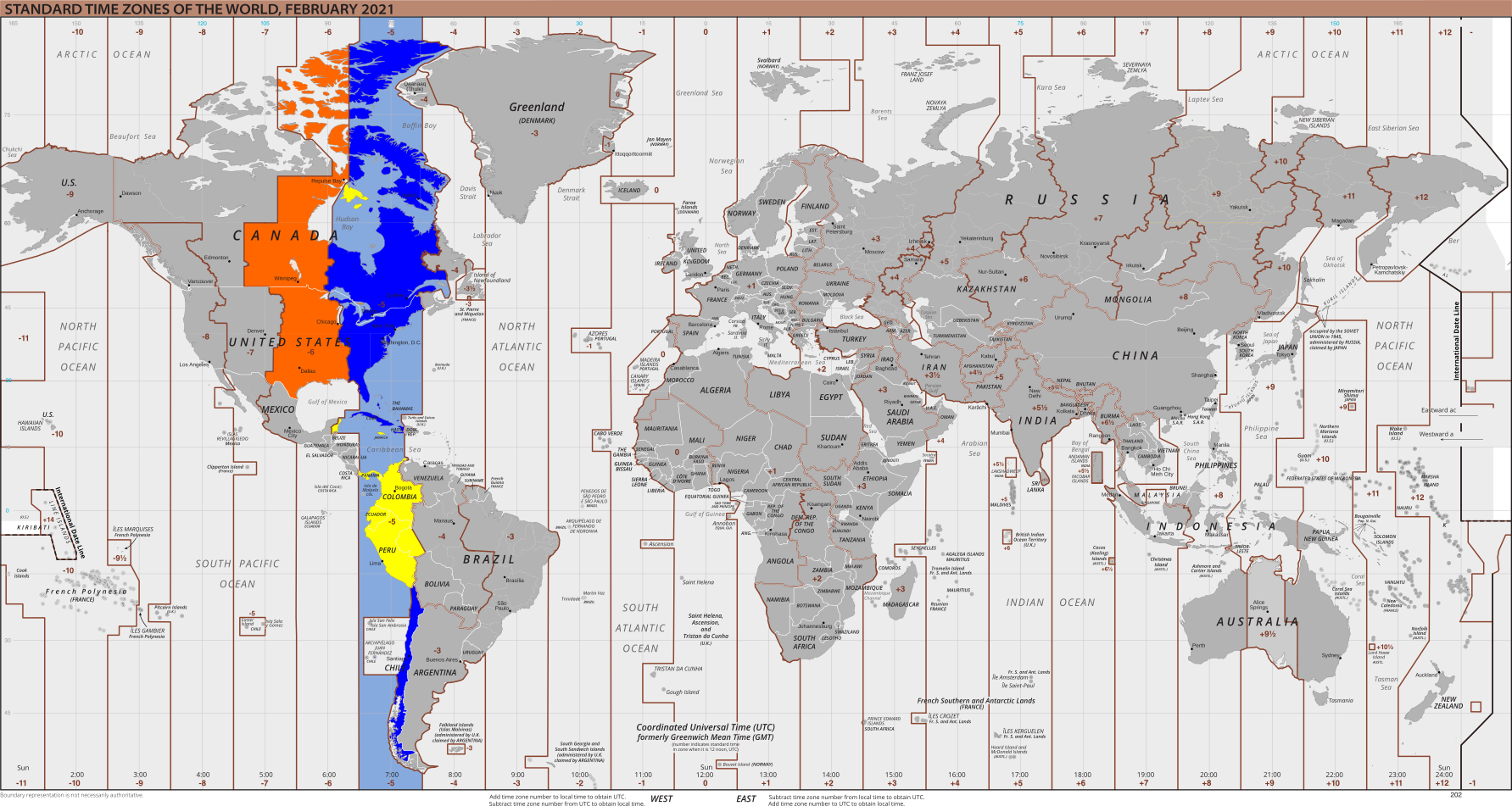
The Earth rotates on its axis, completing a full rotation approximately every 24 hours. This rotation causes different parts of the world to experience daylight and darkness at different times. To standardize time and facilitate communication and transportation, the world is divided into 24 time zones, each roughly 15 degrees of longitude wide. These zones are generally set to be one hour apart.
Greenwich Mean Time (GMT) as a Reference
Greenwich Mean Time (GMT) is a time standard based on the mean solar time at the Royal Observatory in Greenwich, London, England. It was historically the world’s time standard before the widespread adoption of Coordinated Universal Time (UTC). While UTC has largely replaced GMT as the primary international time standard, GMT is still commonly used and understood, particularly in informal contexts and in certain regions. For practical purposes, GMT is often used interchangeably with UTC, especially when discussing time zones relative to it.
Daylight Saving Time (DST)
A significant factor affecting a location’s time relative to GMT is Daylight Saving Time (DST). DST is the practice of advancing clocks during warmer months so that darkness falls at a later hour of the clock. In regions that observe DST, clocks are typically moved forward by one hour during the spring and back by one hour during the fall. This adjustment means that the difference between a location’s local time and GMT can change throughout the year.
New York’s Time Zone: Eastern Standard Time (EST) and Eastern Daylight Time (EDT)
New York City, along with a significant portion of the eastern United States, observes a specific time zone that is directly linked to GMT.
Eastern Standard Time (EST)
During the standard time period, New York operates on Eastern Standard Time (EST). EST is UTC−5, meaning it is five hours behind Coordinated Universal Time. When GMT is used as the reference, EST is therefore GMT−5. This means that when it is 12:00 PM GMT, it is 7:00 AM EST in New York.
Eastern Daylight Time (EDT)
When Daylight Saving Time is in effect in New York, the time zone shifts to Eastern Daylight Time (EDT). EDT is UTC−4, meaning it is four hours behind Coordinated Universal Time. Consequently, EDT is GMT−4. This shift occurs because clocks are moved forward by one hour. So, when it is 12:00 PM GMT during EDT, it is 8:00 AM EDT in New York.
The Dates of Daylight Saving Time in New York

In the United States, Daylight Saving Time typically begins on the second Sunday in March and ends on the first Sunday in November. This means that for approximately two-thirds of the year, New York is on EDT (GMT−4), and for the remaining one-third, it reverts to EST (GMT−5). This cyclical change is a critical factor for travelers and businesses to consider when scheduling appointments or coordinating activities across different time zones.
Navigating Time Differences for Travelers and Businesses
Understanding New York’s time difference relative to GMT is essential for seamless travel, business operations, and even personal communication.
Practical Implications for Travelers
For tourists visiting New York City, whether for leisure or to explore iconic landmarks like the Empire State Building or experience the vibrant atmosphere of Times Square, knowing the time difference is fundamental. When booking flights, hotels such as the Plaza Hotel, or tours, it’s important to confirm arrival and departure times in local New York time. This prevents confusion about when to check in, when events start, and how to best plan your itinerary to maximize your enjoyment of attractions like the Metropolitan Museum of Art or a Broadway show. If you are traveling from a country using GMT or a time zone close to it, the five-hour (EST) or four-hour (EDT) difference can lead to jet lag, and being aware of this can help in managing expectations and adjusting your schedule upon arrival.
Coordination in Global Business
In the interconnected world of global business, precise timekeeping is paramount. Companies with operations or clients in New York must be acutely aware of its time zone relative to their own and to GMT. For instance, a business meeting scheduled between London (which historically aligned with GMT) and New York will require careful consideration of the EST/EDT offset. A call scheduled for 9:00 AM in London would be 4:00 AM EST or 5:00 AM EDT in New York, necessitating early mornings for one party or alternative scheduling to accommodate all participants comfortably. This is especially true for financial markets, news organizations, and international logistics, where real-time communication and synchronized operations are critical. The availability of online time zone converters and the consistent use of UTC or GMT as a reference point are invaluable tools for ensuring that collaborations across continents are efficient and error-free.
Communication and Scheduling
Beyond formal business, even casual communication benefits from an understanding of time differences. Whether arranging a video call with friends in Europe or checking the latest news updates from the United States, knowing New York’s time relative to GMT or UTC prevents miscommunications. For example, if a friend in a GMT-aligned country mentions an event at “3 PM,” it is vital to clarify if they mean 3 PM their local time or 3 PM New York time. This distinction can save significant confusion and ensure that everyone is on the same page. The advent of smartphones and smart devices has made time zone conversions more accessible than ever, but a foundational understanding of the relationship between GMT and New York’s time zones remains a key piece of practical knowledge.
Understanding the Broader Eastern Time Zone
New York’s time zone, EST/EDT, is part of a larger geographical region that spans across North America.
States and Provinces within Eastern Time
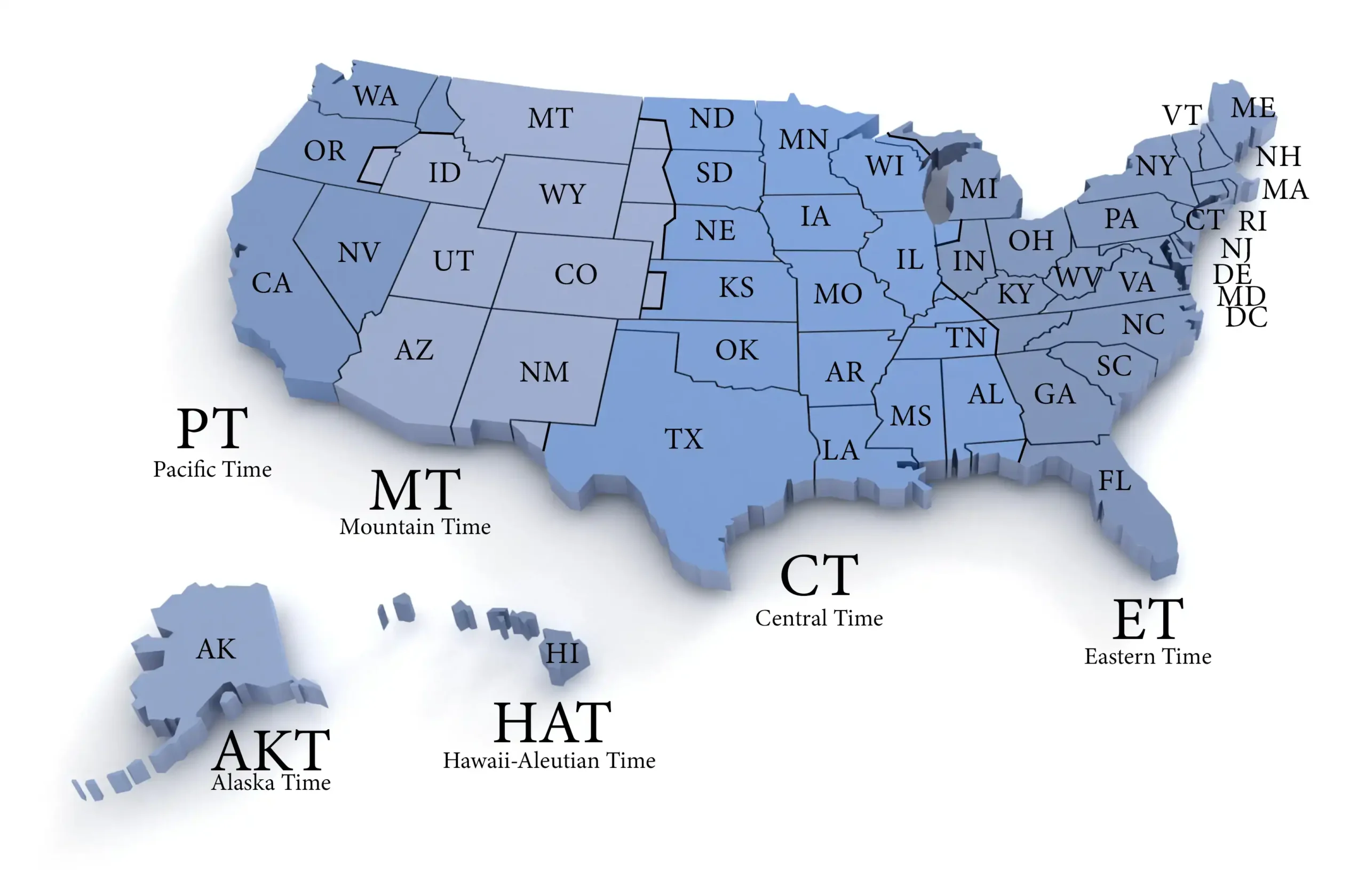
The Eastern Time Zone encompasses a vast area of North America. In the United States, it includes states like Florida, Pennsylvania, and Massachusetts, in addition to New York. In Canada, parts of Ontario and Quebec observe Eastern Time. This broad coverage means that the GMT−5 (EST) and GMT−4 (EDT) designations apply to a significant population and a wide range of economic activities. Understanding this regional consistency is useful when planning travel or business interactions not just within New York City, but also across other major hubs within the Eastern Time Zone, such as Toronto or Miami.
Historical Context of Time Zone Development
The establishment of standardized time zones was a response to the growing complexities of the railway age in the 19th century. Before standardized time, each town or city often kept its own local time, based on the sun’s position. This created chaos for railway scheduling, making it difficult to coordinate train departures and arrivals. The concept of a global system of time zones, with GMT as a prime meridian, gradually emerged to solve these logistical challenges. While New York was an early adopter of synchronized time for practical reasons, its formal integration into the standardized time zone system, linked to GMT, was a crucial step in its development as a global hub for commerce and communication.
The Role of UTC in Modern Timekeeping
While GMT remains a familiar term, Coordinated Universal Time (UTC) is the modern international time standard. UTC is based on highly precise atomic clocks and is the legal time in many countries. For practical purposes, UTC is kept within 0.9 seconds of mean solar time at the Prime Meridian (0 degrees longitude), which is essentially the same location as Greenwich. The relationship between New York’s time zone and GMT can therefore be accurately expressed in relation to UTC: EST is UTC−5 and EDT is UTC−4. This modern standard ensures a higher degree of accuracy and global synchronization, which is indispensable for critical systems like GPS, international telecommunications, and aviation.
LifeOutOfTheBox is a participant in the Amazon Services LLC Associates Program, an affiliate advertising program designed to provide a means for sites to earn advertising fees by advertising and linking to Amazon.com. Amazon, the Amazon logo, AmazonSupply, and the AmazonSupply logo are trademarks of Amazon.com, Inc. or its affiliates. As an Amazon Associate we earn affiliate commissions from qualifying purchases.