
The quest for the perfect steak is a culinary journey many embark upon, a pursuit that often intertwines with the excitement of travel and the exploration of diverse food cultures. Among the pantheon of celebrated beef cuts, the New York Strip stands as a formidable icon. Renowned for its robust flavor and satisfying texture, it consistently sparks a fundamental question among enthusiasts and first-time diners alike: Is the New York Strip truly tender? The answer, as with many of life’s delicious mysteries, is nuanced. While inherently possessing characteristics that lend themselves to tenderness, achieving that melt-in-your-mouth experience with a New York Strip is a symphony of factors, from the cut’s anatomical origins to the expert hands that prepare it, and the vibrant culinary landscapes where it is savored. For travelers exploring destinations from bustling New York City steakhouses to charming local eateries, understanding this classic cut not only enhances the dining experience but also enriches their overall appreciation of local food and lifestyle.
Understanding the Essence of the New York Strip
Before delving into the intricacies of its tenderness, it’s crucial to understand what the New York Strip is and what makes it such a cherished cut. Its very nature holds the keys to its potential for a tender bite.
The Cut and Its Characteristics
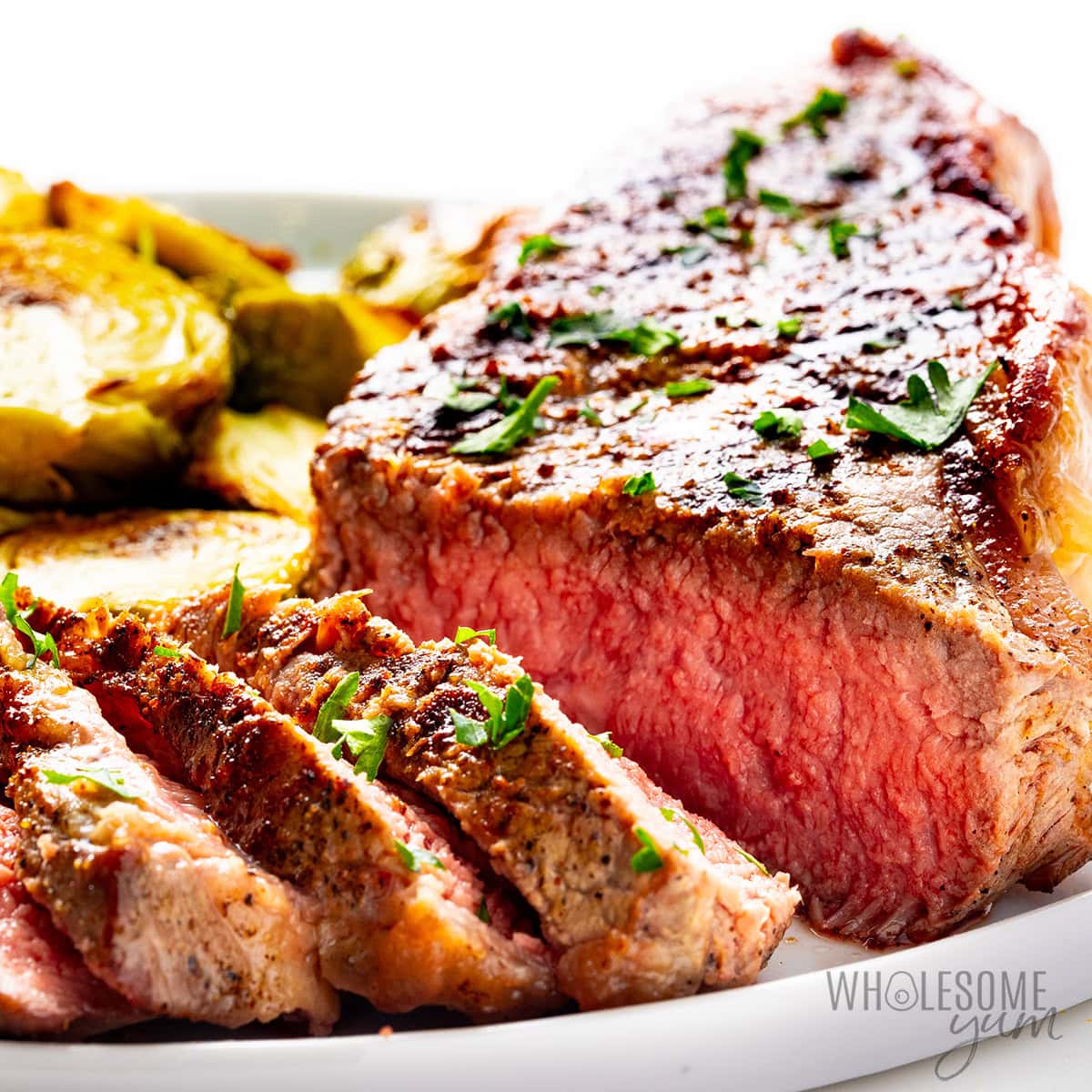
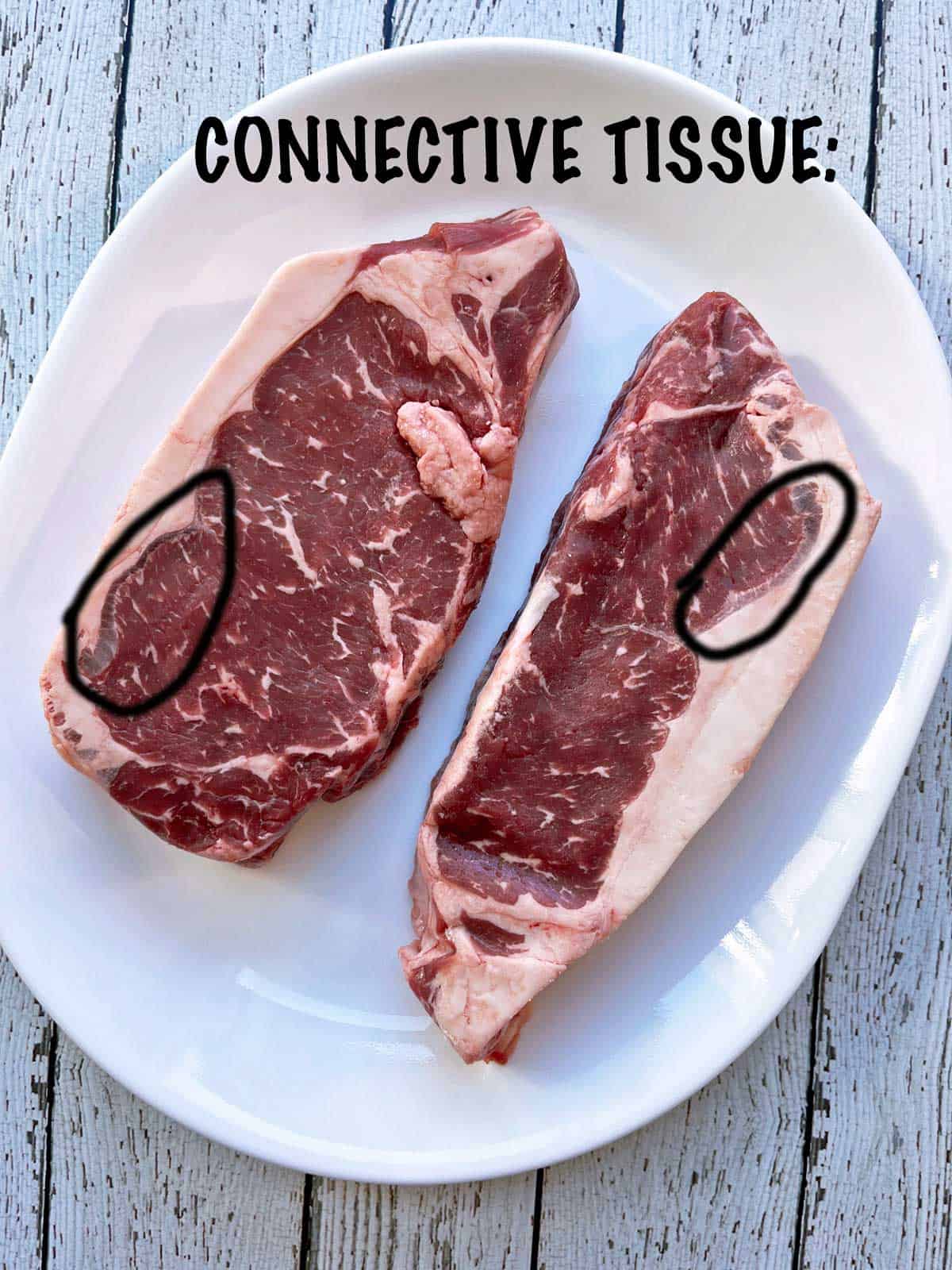
The New York Strip steak originates from the short loin of the cow, specifically from the longissimus dorsi muscle. This muscle runs along the spine and is relatively less active compared to muscles in the leg or shoulder, which inherently contributes to its potential tenderness. Across the United States and beyond, this versatile cut goes by several aliases, including Kansas City Strip, Manhattan steak, or simply Strip Loin steak. Its distinctive appearance is typically rectangular, boasting a fine, consistent grain and often a noticeable fat cap along one edge. This fat cap can be rendered during cooking, imparting additional flavor and moisture to the meat.
Compared to other popular cuts, the New York Strip strikes a harmonious balance. It generally features less intense marbling (intramuscular fat) than a Ribeye, which is known for its rich, fatty succulence. However, it boasts significantly more marbling than a Filet Mignon, celebrated for its lean, buttery tenderness. This intermediate level of marbling gives the New York Strip its signature robust, beefy flavor profile—a hearty taste that is rich without being overwhelmingly fatty. When evaluating cuts like the Porterhouse or T-Bone, which are essentially a New York Strip and Filet Mignon separated by a bone, it becomes clear that the strip component is a key contributor to the overall experience, offering a satisfying chew and depth of flavor that appeals to a broad range of steak lovers.
Factors Influencing Inherent Tenderness
The journey to a tender New York Strip begins long before it reaches the grill. Several critical factors contribute to the inherent tenderness of the meat itself:
- Muscle Activity: As mentioned, the longissimus dorsi muscle is not heavily exercised, resulting in shorter, finer muscle fibers and less connective tissue. This anatomical advantage is a primary reason the New York Strip has the potential to be very tender.
- Marbling: Intramuscular fat, or marbling, plays a vital role in both flavor and tenderness. As the steak cooks, this fat renders, basting the muscle fibers from within, adding moisture, and contributing to a juicier, more tender mouthfeel. Steaks with good marbling tend to be more forgiving during cooking.
- USDA Grading: In the United States, the USDA (U.S. Department of Agriculture) grading system is a crucial indicator of quality and, by extension, tenderness.
- Prime: This is the highest grade, characterized by abundant marbling. Prime cuts are typically the most tender, juicy, and flavorful, often found in high-end steakhouses.
- Choice: A very high-quality grade, Choice beef is widely available and offers good marbling, providing a tender and flavorful experience.
- Select: Leaner than Choice or Prime, Select beef has less marbling and tends to be less tender. While still a good option for certain preparations, it might require more careful cooking to achieve desired tenderness.
- Aging: The process of aging beef significantly impacts its tenderness and flavor.
- Wet Aging: This common method involves vacuum-sealing the beef in its own juices. Enzymes naturally present in the meat break down muscle fibers over time, enhancing tenderness and flavor retention.
- Dry Aging: A more specialized and time-consuming process, dry aging involves exposing the beef to a controlled environment for several weeks. This process evaporates moisture, concentrating the beef’s flavor, and allows enzymes to tenderize the meat more effectively. Dry-aged New York Strip steaks are often lauded for their profound depth of flavor and exceptional tenderness.
- Source and Breed: The breed of cattle and its rearing practices also contribute to meat quality. While specific breeds like Wagyu from Japan are famed for extreme marbling and tenderness, high-quality beef from breeds raised in the United States, Australia, or Argentina can also yield excellent New York Strip steaks when properly managed and aged.
Mastering the Art of Cooking for Peak Tenderness
Even the most promising cut of New York Strip can be compromised by improper cooking. Achieving peak tenderness is an art form that combines careful preparation with precise heat application.
Pre-Cooking Preparations and Techniques
The steps taken before the steak even touches the heat are critical for success:
- Bringing to Room Temperature: Remove the steak from the refrigerator at least 30-60 minutes before cooking. This allows the meat to come closer to room temperature, ensuring more even cooking from edge to edge and preventing the exterior from overcooking while the interior remains cold.
- Seasoning: A New York Strip’s robust flavor benefits from simple yet effective seasoning. A generous application of coarse salt and freshly ground black pepper is often all that’s needed. The salt not only enhances flavor but also aids in tenderizing the meat by drawing out moisture and then reabsorbing it, creating a brine effect.
- Patting Dry: This step is often overlooked but is paramount for achieving a superior sear. Excess moisture on the steak’s surface will steam rather than sear, hindering the development of that desirable, flavorful crust. Use paper towels to thoroughly pat the steak dry on all sides before seasoning.
The Science of Heat Application
The actual cooking process is where skill truly transforms the raw ingredient into a tender, succulent steak:
- Searing: The Maillard reaction—the browning of amino acids and sugars at high temperatures—is responsible for the complex, savory flavors of a well-seared steak. A screaming hot pan (preferably cast iron) or grill grates are essential for creating that beautiful, caramelized crust that locks in juices and contributes to the overall eating experience.
- Cooking Methods:
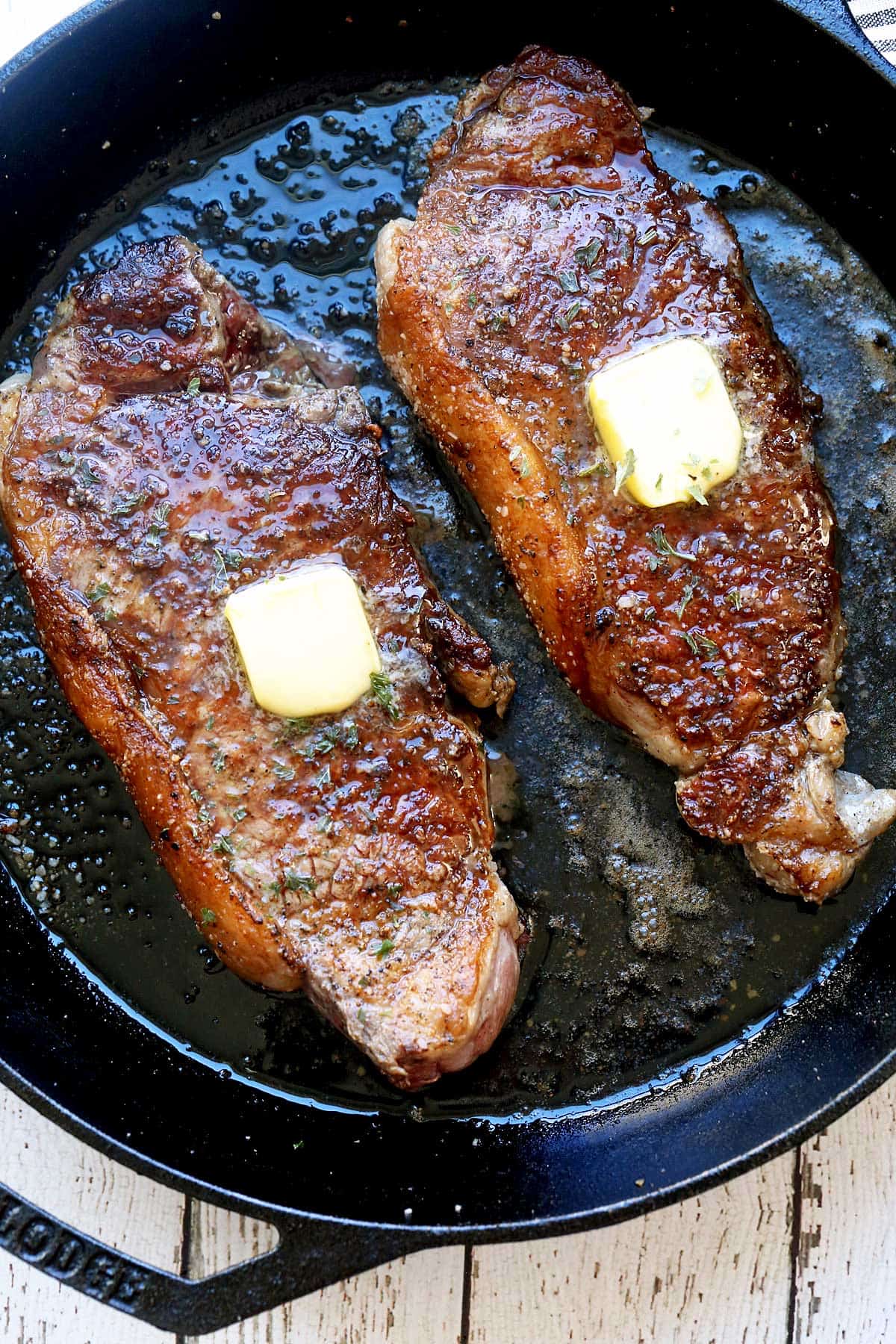
- Pan-searing: An excellent method for New York Strip, especially for steaks up to 1.5 inches thick. Sear on high heat for a few minutes per side, then reduce heat or finish in the oven to reach the desired internal temperature. Basting with butter, garlic, and herbs during the last few minutes can infuse additional flavor.
- Grilling: For those who love a smoky char, grilling is a classic choice. Ensure the grates are clean and hot. Sear over direct high heat, then move to indirect heat to finish cooking, creating distinctive grill marks and a smoky essence.
- Reverse Searing: This method is particularly effective for thicker New York Strip steaks (1.5 inches or more). It involves cooking the steak slowly at a low temperature in an oven until it’s just shy of the desired doneness, then finishing with a quick, high-heat sear on both sides. This technique ensures an incredibly even cook from edge to edge, reducing the “gray band” effect often seen with traditional searing, and ultimately contributing to perceived tenderness.
- Monitoring Temperature: A reliable meat thermometer is your best friend. Relying on visual cues alone can lead to over or undercooked steak. For medium-rare (often considered ideal for New York Strip), aim for an internal temperature of 125-130°F (52-54°C) before resting, as the temperature will continue to rise during this period.
- The Crucial Rest: Perhaps the most overlooked step, resting the steak is non-negotiable for tenderness and juiciness. Once cooked, transfer the steak to a cutting board and allow it to rest for 5-10 minutes (longer for thicker cuts). This allows the muscle fibers, which have contracted during cooking, to relax, and for the internal juices to redistribute evenly throughout the meat. Cutting into a steak too soon will result in a gush of juices onto the plate, leaving the meat dry and less tender.
- Slicing Against the Grain: When it’s finally time to serve, slice the New York Strip against the grain. This means cutting perpendicular to the direction the muscle fibers run. Doing so shortens the fibers, making each bite significantly easier to chew and dramatically enhancing the perception of tenderness.
The New York Strip Experience: A Culinary Journey in Travel
Beyond its inherent qualities and meticulous preparation, the New York Strip transforms into a complete experience when enjoyed as part of a culinary journey, especially for those who appreciate the intersection of food, travel, and lifestyle.
Iconic Steakhouses and Culinary Destinations
The New York Strip holds a special place in the heart of American steakhouse culture, particularly in its namesake city. A trip to New York City often includes a pilgrimage to one of its legendary steakhouses, where the New York Strip is not just a dish but an institution. Establishments like Peter Luger Steak House, Wolfgang’s Steakhouse, and Keens Steakhouse have perfected the art of serving this cut, offering a glimpse into a rich culinary history that spans decades, if not centuries. These are not merely restaurants; they are landmarks of gastronomic tradition, drawing travelers from across the globe seeking an authentic taste of American luxury dining.
However, the appeal of a great New York Strip extends far beyond New York City. Major cities across the United States boast their own stellar steakhouse scenes, making the pursuit of a perfect steak a delightful component of domestic travel. From the robust culinary offerings in Chicago to the sophisticated dining experiences found in California, iconic names like Del Frisco’s Double Eagle Steakhouse, Morton’s The Steakhouse, and Ruth’s Chris Steak House consistently serve impeccably prepared New York Strip steaks. Exploring these steakhouses isn’t just about the food; it’s about immersing oneself in local culture and experiencing a facet of tourism that speaks to indulgence and tradition. It transforms a simple meal into a memorable attraction, much like visiting a historical site or enjoying a local festival.
Beyond the Plate: A Lifestyle Choice
Dining on a New York Strip in a celebrated steakhouse is more than just eating; it’s an experience that encapsulates a certain lifestyle. The ambiance and service play as significant a role as the steak itself. Dim lighting, plush seating, impeccable table settings, and attentive staff all contribute to an atmosphere of refined elegance. This is where luxury travel meets everyday pleasure, making the dining room an extension of a five-star hotel suite or an opulent villa stay.
The culinary journey also includes thoughtful pairings. A robust New York Strip finds its perfect companion in a full-bodied red wine, such as a Cabernet Sauvignon from California’s Napa Valley, a rich Bordeaux from France, or a bold Super Tuscan from Italy. The sommelier’s recommendations enhance the meal, turning it into a nuanced exploration of flavors. Beyond wine, a classic cocktail, like an Old Fashioned or a Martini, can set the tone for an indulgent evening. Complementary side dishes—creamed spinach, crispy onion rings, or perfectly baked potatoes—round out the experience, creating a symphony of textures and tastes that elevate the steak from a simple cut of meat to a grand feast.
For travelers, food acts as a profound gateway to understanding a destination’s culture and heritage. The search for the “perfect steak” becomes a legitimate travel quest, a delicious adventure that leads them through different cities and introduces them to distinct culinary traditions. Whether opting for a luxurious, splurge-worthy dinner in a famous steakhouse or recreating a gourmet meal in the comfort of a rented apartment on a budget-conscious trip, the New York Strip offers flexibility. It’s a testament to the fact that exceptional food experiences are accessible across various travel styles, contributing significantly to the memories forged during a trip. Enjoying this classic cut is not just about satisfying hunger; it’s about indulging in a moment, celebrating good company, and savoring the rich tapestry of flavors that make travel so rewarding.
In conclusion, the question “Is New York Strip steak tender?” is definitively answered with a resounding “yes,” but with the crucial caveat that its tenderness is a product of an intricate interplay of factors. From the inherent qualities of the cut itself—its muscle structure and marbling—to the meticulous processes of USDA grading and aging, and finally, the skilled artistry of its preparation and cooking, every step contributes to that desired succulent bite. For travelers and culinary enthusiasts, the New York Strip offers more than just a meal; it presents a rich opportunity for a truly memorable experience. Whether sought out in the venerable halls of a New York City steakhouse or lovingly prepared at home, this iconic cut remains a benchmark of beef excellence, promising a flavorful and, when done right, exceptionally tender journey for the palate.