
The question “Is Oregon a compact state?” might initially seem to refer to its geographical size or density. However, within the realms of professional licensing, interstate commerce, and the broader context of professional mobility, the term “compact state” holds a very specific and crucial meaning. For anyone considering relocating to the Pacific Northwest for work, planning an extended stay, or simply curious about the regulatory landscape impacting various services, understanding Oregon’s status in various interstate compacts is essential.
This article delves into what it means for a state to be “compact,” examining Oregon’s participation in key professional licensing compacts. We will explore the implications of this status not just for professionals, but also for the overall travel, tourism, and lifestyle experience within the state. From the bustling streets of Portland to the serene shores of the Oregon Coast and the majestic peaks surrounding Crater Lake, Oregon offers an incredibly diverse array of destinations and experiences. The ease with which skilled professionals can move into and practice within the state directly impacts the quality and availability of services, ultimately shaping the economic landscape and the visitor experience.
Understanding Professional Licensing Compacts: What Does “Compact State” Truly Mean?
The concept of a “compact state” primarily refers to a state’s participation in an interstate compact, which is an agreement between two or more states of the United States. These compacts are legally binding agreements designed to address issues of mutual concern, often to streamline regulatory processes and reduce barriers to interstate practice for licensed professionals. In a nation with 50 individual state licensing boards, each with its own specific requirements, practicing across state lines can be a bureaucratic nightmare. Interstate compacts aim to simplify this, offering a pathway for eligible professionals to hold a single license that grants them the privilege to practice in all participating “compact states.”
The Core Concept of Interstate Compacts
Interstate compacts serve as a powerful tool for states to collaborate and overcome challenges that extend beyond their individual borders. Rooted in Article I, Section 10 of the U.S. Constitution, which permits states to enter into agreements or compacts with the consent of Congress, these agreements are vital for a modern, mobile workforce. They are particularly prevalent in sectors where public safety and consistent standards are paramount, such as healthcare, emergency services, and education.
For professionals, joining a compact state simplifies the process of obtaining licensure in multiple jurisdictions. Instead of applying for a new, full license in each state, which can involve significant time, effort, and expense, a professional licensed in a compact state can obtain a “privilege to practice” or a “multi-state license” in other member states. This flexibility is crucial in today’s dynamic economy, enabling professionals to respond to workforce demands, pursue career opportunities, or even participate in travel-based assignments without excessive administrative hurdles.
Benefits for Professionals and the Public
The advantages of interstate compacts extend far beyond individual professionals. For the public, these compacts can significantly improve access to essential services. For instance, in times of natural disaster or public health crises, compacts allow for rapid deployment of medical personnel across state lines, ensuring that aid reaches where it’s most needed. For travelers, this could mean access to consistent healthcare services even when away from their home state.
From an economic and tourism perspective, compacts facilitate workforce mobility, which can be a boon for states like Oregon that experience seasonal fluctuations in demand for various services. For example, a travel nurse licensed through a compact can easily move to a popular tourist destination like the Oregon Coast during peak season to support local healthcare facilities, enhancing the capacity of the local infrastructure. This not only supports local businesses, including hotels and accommodation providers, but also ensures that visitors have access to necessary support, contributing to a positive overall experience. Moreover, states that are part of more compacts can become more attractive to a diverse professional talent pool, bolstering their economy and diversifying their local lifestyle.
Oregon’s Engagement with Interstate Compacts
When we ask if Oregon is a “compact state,” the answer is not a simple yes or no; it’s nuanced and profession-specific. Oregon has strategically chosen to participate in some compacts while opting out of others, reflecting the unique priorities and regulatory frameworks within the state for different professions. This selective participation means that a professional’s ability to practice in Oregon through a compact depends entirely on their specific field.
Oregon and Key Healthcare Compacts
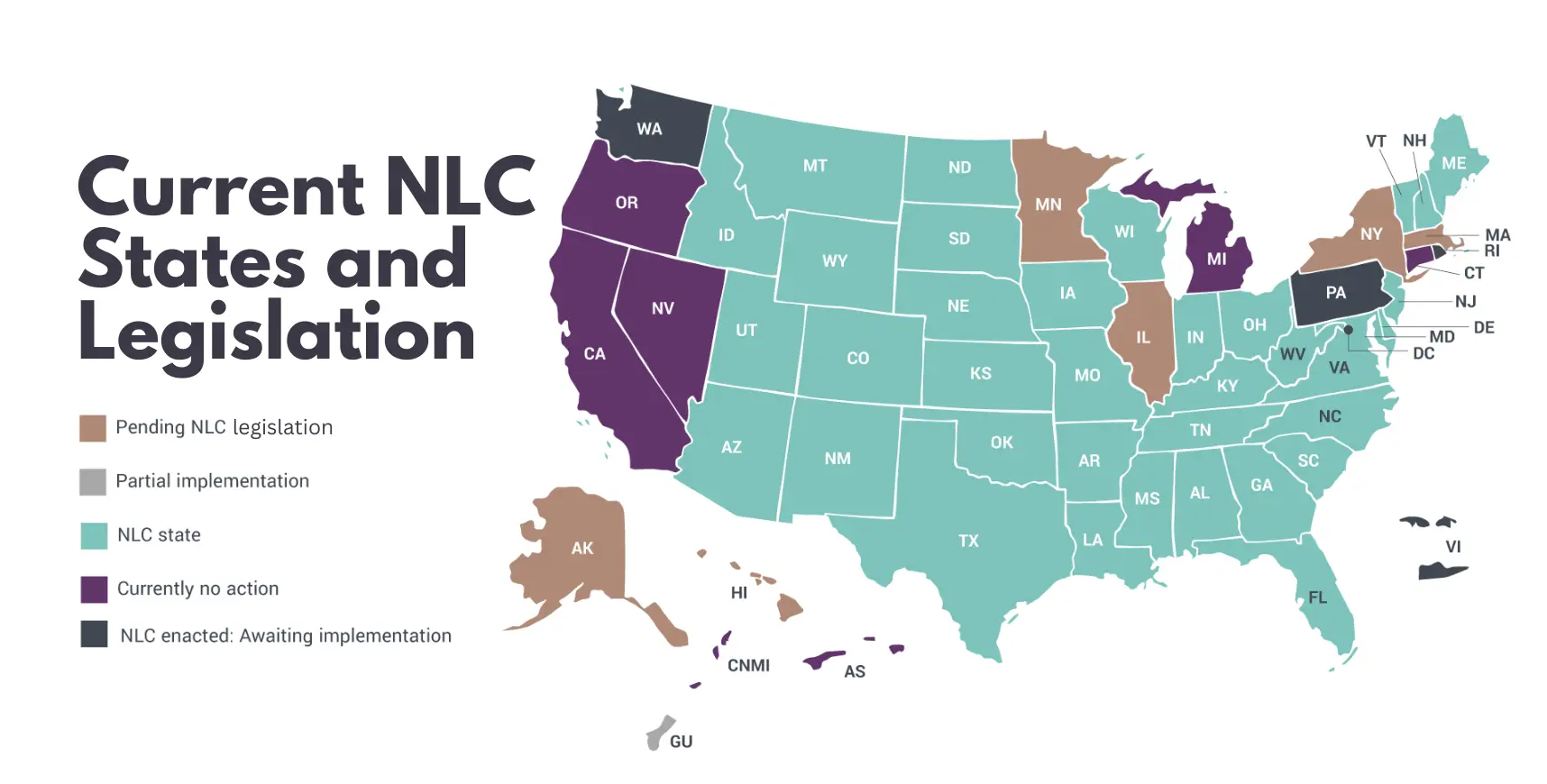
Perhaps the most widely known and discussed compact, especially in the context of mobility and public health, is the Nurse Licensure Compact (NLC). The NLC allows registered nurses (RNs) and licensed practical/vocational nurses (LPN/VNs) to have one multi-state license, with the privilege to practice in their home state and all other participating NLC states. For nurses, this greatly simplifies interstate practice, making it easier to take on travel assignments, work in telehealth, or relocate.
However, as of late 2023 and early 2024, Oregon is not a member state of the Nurse Licensure Compact (NLC). This means that a nurse licensed in an NLC compact state still needs to apply for and obtain a separate Oregon license to practice within the state. This distinction is significant for travel nurses, healthcare staffing agencies, and even for nurses considering relocating to Oregon to enjoy its vibrant cities or natural landscapes. The absence from the NLC can introduce additional bureaucratic steps and delays, impacting the rapid deployment of nursing staff, especially during periods of high demand, such as the tourist season or public health emergencies. While Oregon has explored joining the NLC in the past, legislative efforts have not yet resulted in full membership. Similarly, Oregon is also not a member of the Advanced Practice Registered Nurse (APRN) Compact.
Other Professional Compacts and Oregon’s Participation
While Oregon hasn’t joined the NLC, it has embraced other significant professional compacts, demonstrating a commitment to facilitating mobility for certain crucial professions:
- Interstate Medical Licensure Compact (IMLC): Oregon is a proud member of the IMLC. This compact simplifies the process for qualified physicians to obtain licenses in multiple states. For doctors, especially those in specialized fields, the IMLC significantly reduces the administrative burden of practicing across state lines. This is particularly beneficial for healthcare systems in Oregon that might need to recruit specialists from other states or for physicians looking to provide telehealth services to Oregon residents. This participation directly impacts the availability and accessibility of medical care, which is a critical consideration for both residents and visitors exploring Oregon’s diverse attractions.
- Psychology Interjurisdictional Compact (PSYPACT): Oregon is also a participating member of PSYPACT, which offers a pathway for licensed psychologists to practice telepsychology and conduct temporary in-person practice across state boundaries. In an age where mental health services are increasingly delivered remotely, PSYPACT plays a vital role in ensuring continuity of care and expanding access to psychological services, benefiting both Oregon residents and visitors who might require ongoing therapy while traveling.
- Emergency Medical Services (EMS) Compact: To ensure seamless care during emergencies, Oregon is part of the EMS Compact. This compact supports the recognition of EMS personnel licenses across participating states, which is critical for coordinated responses to large-scale events, natural disasters, or simply providing assistance along its long border with Washington, Idaho, California, and Nevada.
- Physical Therapy Licensure Compact (PTLC): While legislation to join the PTLC was introduced in Oregon, it has not yet passed, meaning Oregon is not currently a member of this compact.
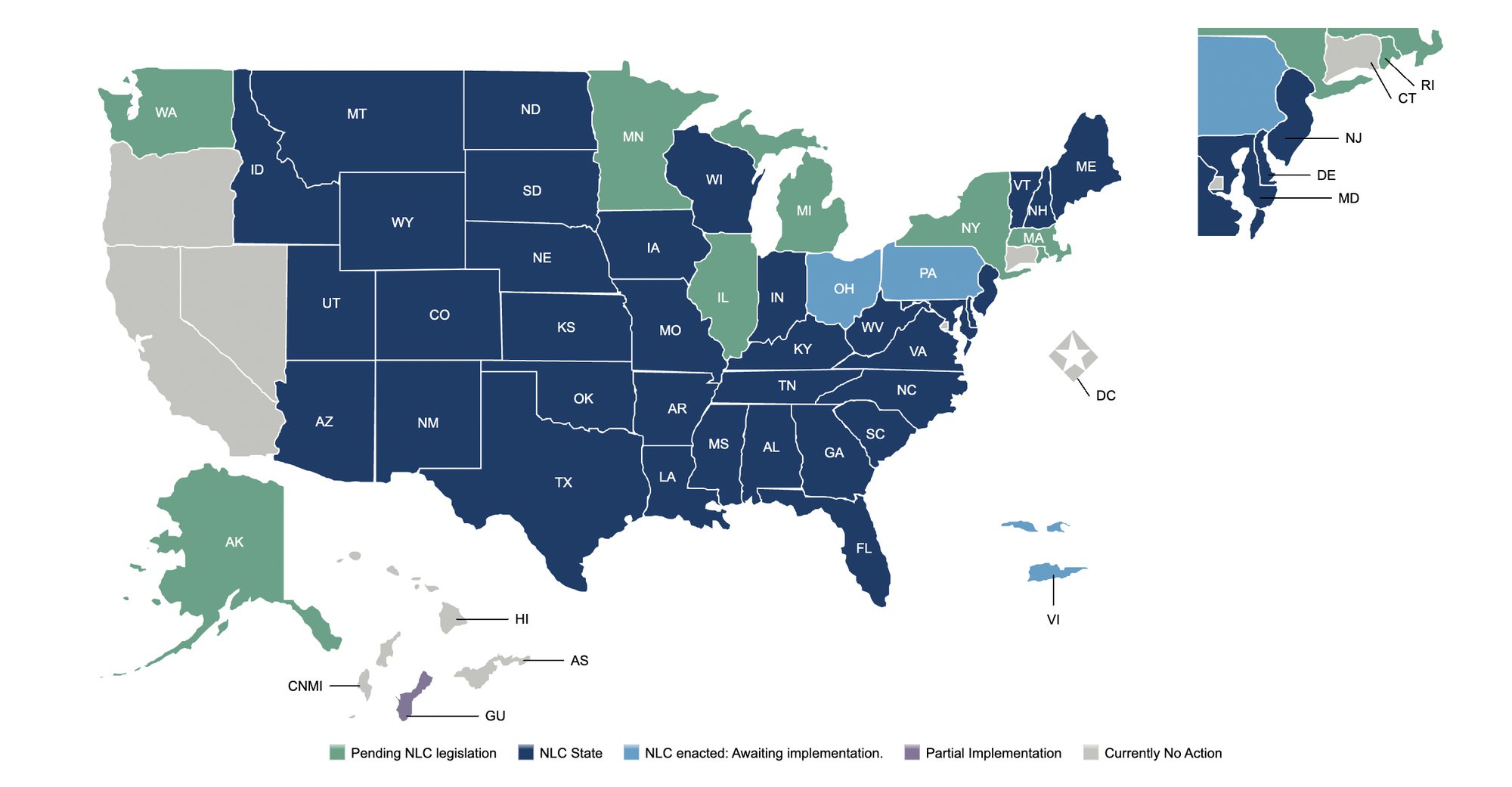
This mixed picture illustrates that while Oregon values the principles of professional mobility and streamlined licensing for certain professions, it also maintains distinct regulatory autonomy for others, such as nursing.
The Broader Impact on Travel, Tourism, and Lifestyle in Oregon
Oregon’s participation, or lack thereof, in various interstate compacts has tangible implications that ripple through its economy, affect its tourism sector, and shape the lifestyle for both residents and visitors. From the availability of skilled workers to the quality of public services, the regulatory framework for professionals is an often-overlooked component of a vibrant state.
Facilitating Professional Mobility and Economic Growth
For the professions where Oregon is a compact state (e.g., medicine, psychology, EMS), the benefits are clear. The ease of obtaining a license means that Oregon can more readily attract and retain top talent. This influx of skilled professionals contributes to a robust workforce that can support not just critical public services but also the broader economy. For example, a thriving medical community enhances the state’s appeal for long-term residents and retirees, who contribute significantly to local economies by purchasing real estate, frequenting local businesses, and utilizing various services.
Furthermore, a strong professional base directly supports the tourism industry. When visitors feel confident that they have access to quality healthcare, mental health support, or efficient emergency services, their overall travel experience is enhanced. This peace of mind is invaluable, particularly for families or those with specific medical needs. Increased professional mobility also allows businesses to staff specialized roles more efficiently, which can lead to higher quality services across various sectors, from hospitality to guiding tours in Oregon’s numerous state parks and national forests. This, in turn, can spur economic growth, leading to more job opportunities and a higher standard of living. For instance, new professionals moving to Oregon will seek accommodation, whether apartments in Portland or villas in the Willamette Valley, boosting the local housing and rental markets.
Considerations for Visitors and Aspiring Residents
For those looking to move to Oregon for work, or even for an extended stay, understanding the compact status for their profession is paramount. A travel nurse, for example, would need to factor in the additional time and cost associated with obtaining an Oregon-specific license. This could influence their decision to choose Oregon over a fully compact state like Idaho or Washington for certain assignments.
The lifestyle implications are also significant. Oregon boasts a unique blend of urban sophistication and rugged wilderness, offering everything from the culinary delights of Portland and the craft breweries of Bend to the world-renowned wine country of the Willamette Valley and the dramatic vistas of the Columbia River Gorge. For professionals eager to experience this lifestyle, the ease of transitioning their professional practice is a key factor. While some may be willing to navigate additional licensing requirements to live in Oregon, others might prefer states with simpler processes.
For tourists, the impact is less direct but still relevant. A state with robust healthcare and emergency services, bolstered by flexible professional licensing, provides an added layer of security. This is particularly important when engaging in outdoor activities like hiking in the Cascade Mountains or surfing on the Oregon Coast, where quick access to medical care can be vital. Furthermore, a stable and well-staffed service industry, made possible by an accessible workforce, ensures high-quality amenities and experiences for all visitors, whether they’re staying in luxury resorts or budget-friendly hotels.
Navigating Oregon: Practical Advice for Professionals and Travelers
Given Oregon’s nuanced status regarding interstate compacts, prospective professionals and thoughtful travelers can take specific steps to ensure a smooth transition or a worry-free visit. Understanding the regulatory landscape is key to maximizing opportunities and minimizing potential roadblocks.
Planning Your Professional Journey to Oregon
For professionals considering Oregon as their next career destination, the most critical advice is to always verify the current licensing requirements directly with the specific Oregon licensing board for your profession. Do not rely on general information, as compact statuses can change, and requirements vary significantly between fields.
- For nurses: Since Oregon is not currently part of the NLC, prepare to apply for an Oregon-specific license. Begin this process well in advance of your intended start date, as it can take time. Consult the Oregon State Board of Nursing for detailed instructions.
- For physicians and psychologists: Oregon’s participation in the IMLC and PSYPACT simplifies your path. Ensure you meet the eligibility criteria for these compacts and follow their streamlined application processes. Resources like the Interstate Medical Licensure Compact Commission and the PSYPACT Commission websites provide essential guidance.
- Other professions: For fields like physical therapy, occupational therapy, or teaching, check the respective Oregon state boards. Some may have individual endorsement processes that facilitate licensing from other states, even without a formal compact.
Connecting with professional associations in Oregon can also provide invaluable insights and support during the licensing process. They often have resources and networks that can assist newcomers.

Enhancing Your Oregon Travel Experience
While compact status primarily affects professionals, its underlying implications for service availability and economic vitality certainly touch upon the travel and tourism sectors. Regardless of specific compact participation, Oregon remains an exceptionally attractive destination renowned for its unparalleled natural beauty, innovative food scene, and diverse cultural experiences.
- Diverse Accommodation Options: From boutique hotels and luxury resorts in areas like Bend and the Willamette Valley to cozy vacation rentals along the Oregon Coast and charming inns nestled in historic towns, Oregon offers accommodation to suit every preference and budget. Major cities like Portland boast a wide range of hotels, including prominent chains and independent establishments offering suites and apartments for longer stays.
- Iconic Landmarks and Attractions: Explore the stunning depths of Crater Lake, witness the majestic waterfalls of the Columbia River Gorge, or discover the unique ecosystem of the Oregon Dunes National Recreation Area. Each region provides distinct opportunities for adventure, relaxation, and cultural immersion.
- Lifestyle and Experiences: Whether you’re interested in wine tasting, hiking, skiing, or exploring diverse urban neighborhoods, Oregon provides a rich tapestry of lifestyle choices. The state’s commitment to sustainability and local culture further enhances the visitor experience.
In conclusion, while the question “Is Oregon a compact state?” yields a complex answer depending on the profession, Oregon remains a highly desirable location for both professionals seeking new opportunities and travelers yearning for unforgettable experiences. Its strategic participation in some key compacts supports crucial sectors, while its unique independent regulatory stance in others reflects its distinct approach to professional governance. For anyone engaging with Oregon, a little research goes a long way in ensuring a seamless and rewarding journey.
LifeOutOfTheBox is a participant in the Amazon Services LLC Associates Program, an affiliate advertising program designed to provide a means for sites to earn advertising fees by advertising and linking to Amazon.com. Amazon, the Amazon logo, AmazonSupply, and the AmazonSupply logo are trademarks of Amazon.com, Inc. or its affiliates. As an Amazon Associate we earn affiliate commissions from qualifying purchases.