
Understanding the precise time in Florida, USA, is far more than a simple inquiry for those planning a visit to the Sunshine State; it’s a critical element that can significantly shape every aspect of your travel experience. From coordinating flight arrivals and hotel check-ins to maximizing your time at world-renowned attractions and immersing yourself in local culture, knowing the correct time is fundamental. While much of the state observes one time zone, a crucial distinction in the Florida Panhandle means that what time it is “now” can depend on your exact location within this geographically diverse and vibrant destination.
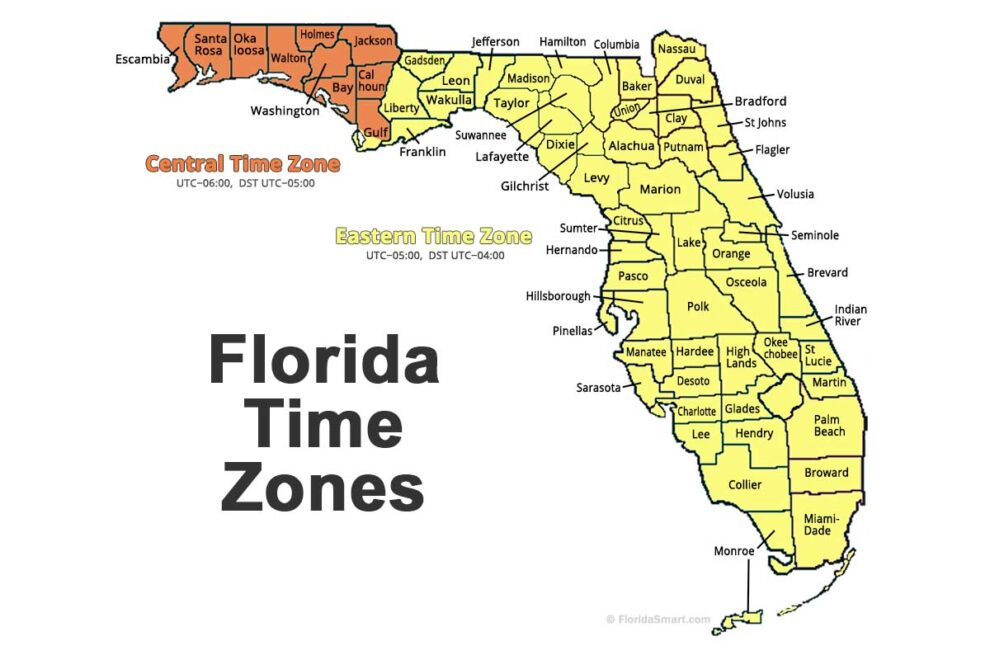
Florida is a state celebrated globally for its stunning beaches, exhilarating theme parks, rich history, and unique ecosystems. As a prime destination for travel and tourism, millions flock here annually, seeking everything from luxurious resorts and pristine suites to adventurous family trips and serene long-term stays. For the majority of your stay, if you’re visiting popular spots like Orlando, Miami, or Tampa, you’ll be operating on Eastern Time Zone. However, venturing west into a specific segment of the Panhandle introduces you to the Central Time Zone, creating a unique temporal split that savvy travelers must acknowledge.
This comprehensive guide will not only clarify the current time in Florida but will also delve into the implications of its dual time zones on various facets of travel, accommodation, lifestyle choices, and the overall enjoyment of your Florida adventure, ensuring you can plan a seamless and enriching experience without missing a beat.
Understanding Florida’s Dual Time Zones: A Geographical Overview
To truly answer “What time is it now in Florida?” one must first grasp its geographical placement and the resulting time zone distribution. Florida, a peninsular state bordered by the Atlantic Ocean to the east and the Gulf of Mexico to the west, experiences two distinct time zones, primarily due to its elongated shape and proximity to other states observing Central Time.
The Dominance of Eastern Time (ET) Across Most of the State
The vast majority of Florida operates on Eastern Time. This includes all major metropolitan areas and top tourist attractions, making it the default time zone for most visitors. Whether you’re exploring the magical realms of Walt Disney World Resort in Orlando, enjoying the vibrant nightlife of South Beach in Miami, delving into the history of St. Augustine, or relaxing on the shores of Key West, you will be on Eastern Time.
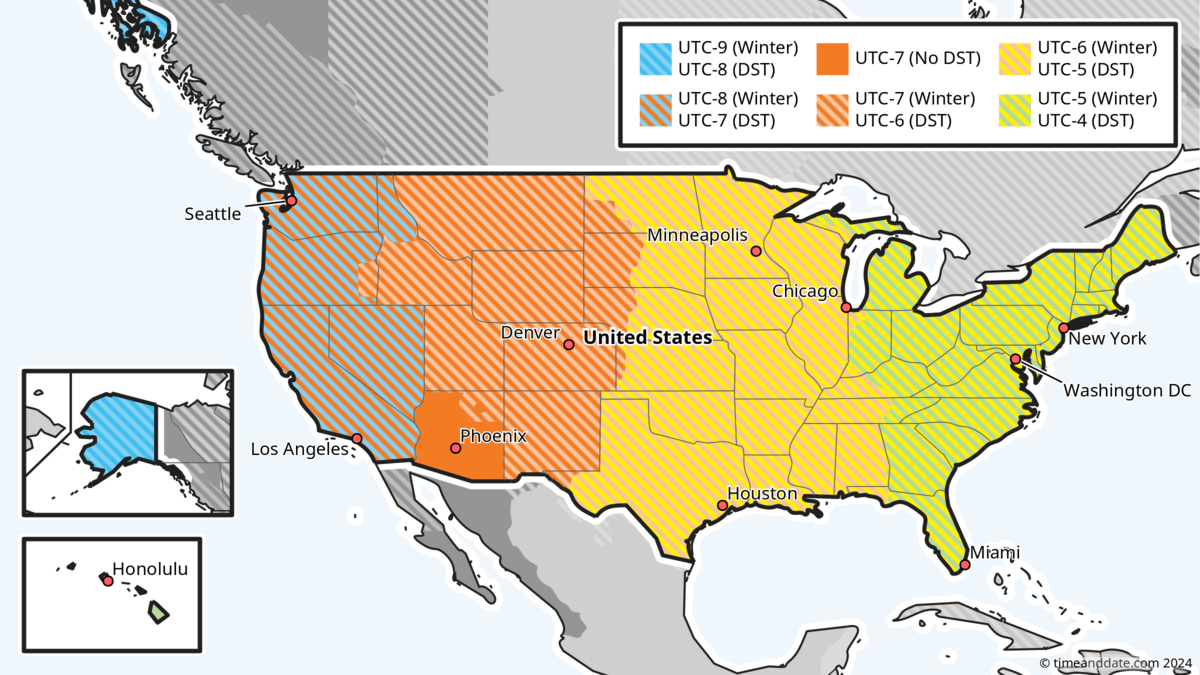
During standard time, this is referred to as Eastern Standard Time (EST), which is five hours behind Coordinated Universal Time (UTC-5). When Daylight Saving Time is observed from March to November, the clocks move forward one hour, and it becomes Eastern Daylight Time (EDT), which is four hours behind Coordinated Universal Time (UTC-4). It’s crucial for travelers to remember that Florida adheres to Daylight Saving Time, meaning the time will change twice a year.
The Central Time Zone Exception in the Panhandle
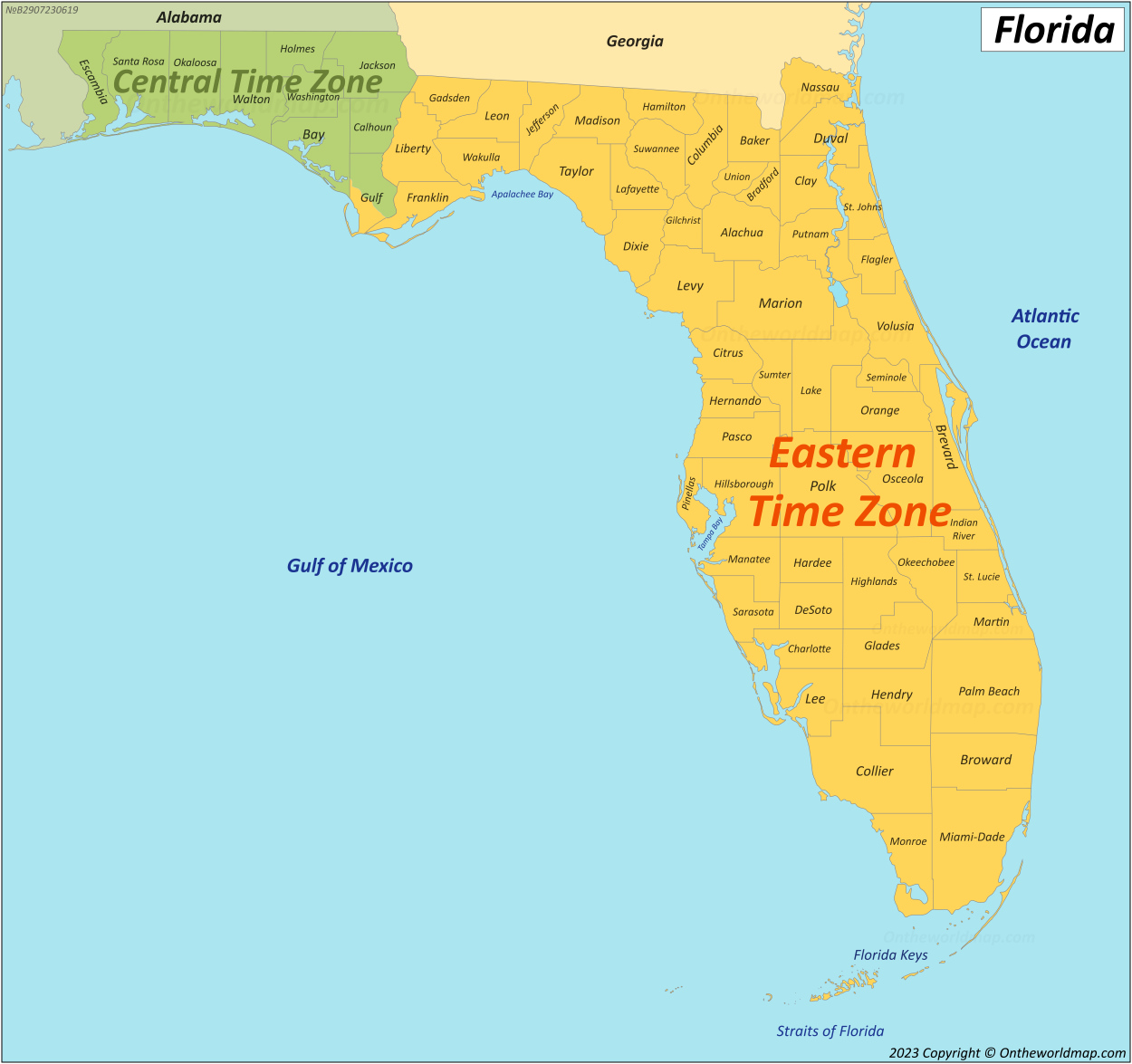
The notable exception to Florida’s Eastern Time rule is found in the western part of its Panhandle. A handful of counties in this region observe Central Time (CT). These counties include Escambia, Santa Rosa, Okaloosa, and Walton, as well as parts of Bay County (specifically west of the Apachicola River). This means popular destinations like Pensacola, Destin, and most of Panama City Beach are one hour behind the rest of the state.
When it’s standard time, this is Central Standard Time (CST), which is six hours behind Coordinated Universal Time (UTC-6). During Daylight Saving Time, it shifts to Central Daylight Time (CDT), five hours behind Coordinated Universal Time (UTC-5). This hour difference, while seemingly small, can have significant implications for travel logistics, particularly for those flying into or driving through this specific region from other parts of Florida. Knowing whether you’re in Eastern Time or Central Time is essential for synchronizing your itinerary.
Navigating Time for Your Florida Travel and Accommodation Plans
The awareness of Florida’s time zones moves beyond mere curiosity when it comes to practical travel planning. It directly influences everything from flight schedules and hotel bookings to the timing of your chosen activities and experiences, ensuring a smooth and stress-free journey.
Booking Flights, Hotels, and Accommodation Seamlessly
When booking flights to Florida, always double-check the arrival and departure times against the local time zone of your destination airport. For instance, a flight from New York City (ET) to Orlando International Airport (ET) will be straightforward. However, a connecting flight from Miami International Airport (ET) to Pensacola International Airport (CT) means you’ll “gain” an hour upon arrival. Missing this detail can lead to confusion, rushed connections, or even missed appointments.
Similarly, accommodation bookings are time-sensitive. Standard check-in and check-out times for hotels, resorts, apartments, or villas are always based on local time. If you’ve booked a villa in Destin (CT) and are traveling from Jacksonville (ET), remember that your 3:00 PM check-in will feel like 4:00 PM your internal clock. Confirming the specific time zone of your booked hotel or apartment is crucial to avoid late arrival fees or miscalculating your departure for check-out. Reputable hotels like the Grand Hyatt Tampa Bay or the Waldorf Astoria Orlando operate strictly on their local time zone, as do smaller boutique hotels and vacation rentals across the state. This diligence ensures a smooth transition into your chosen living space, whether it’s for a quick stay or a long-term stay.
Maximizing Your Experiences at Attractions and Activities
Florida’s world-class attractions operate on precise schedules, and being time-aware is key to making the most of your visit. For instance, at Walt Disney World Resort in Orlando, which is firmly in Eastern Time, knowing the park opening hours for Magic Kingdom, Epcot, Hollywood Studios, or Animal Kingdom is paramount. Showtimes, parade schedules, and even dining reservations at places like Cinderella’s Royal Table are meticulously timed. The same applies to other major theme parks such as Universal Studios Florida and Busch Gardens Tampa Bay, or even unique landmarks like the Kennedy Space Center Visitor Complex on the Space Coast.
If you are planning a multi-day itinerary that involves crossing the time zone boundary—say, visiting theme parks in Orlando and then heading to the beaches of Panama City for a change of pace—it’s vital to adjust your internal clock. A morning excursion from Tallahassee (ET) to a fishing charter departing from Port St. Joe (CT) needs careful planning to avoid missing the boat. The difference in time can affect everything from your early morning Everglades National Park airboat tour to sunset cruises off Clearwater Beach, emphasizing the importance of local time awareness for every planned activity.
Practical Tips for a Seamless Florida Trip
Successful travel in Florida hinges on thoughtful preparation, especially when navigating its unique time zone situation. A few simple strategies can prevent confusion and ensure you fully enjoy your stay.
Staying Synchronized: Tech, Planning, and Local Confirmations
Modern technology is your best friend when traveling across time zones. Ensure your smartphone automatically updates to the local time. Most devices will do this seamlessly when you land, but it’s always wise to double-check in your settings. For manual time-keeping, consider wearing a dual-time watch or setting alarms that account for the local time.
Before embarking on any critical activities, such as an early morning flight, a scheduled tour, or a restaurant reservation in a different time zone, always confirm the time with the local provider. A quick call to your hotel or attraction can alleviate any lingering doubts. This is particularly relevant for unique experiences like hot air balloon rides over Orlando, which often have very early morning start times, or evening dinner cruises from Fort Lauderdale. Furthermore, when traveling between different parts of Florida that fall into separate time zones, make a conscious effort to mentally switch your clock. For instance, when driving from Gainesville to Pensacola, know precisely where the time zone boundary lies (roughly around the Apalachicola River or Calhoun County) and adjust accordingly.
Bridging the Time Zone Divide within Florida
For those embarking on a comprehensive Florida road trip that spans both Eastern and Central Time Zones, proactive planning is paramount. If you’re driving from Miami to Destin, you’ll “gain” an hour. If you’re reversing the trip, you’ll “lose” an hour. This shift affects travel time estimates, meal planning, and arrival times for pre-booked accommodations or activities.
Consider building in a buffer period around the time zone boundary if your itinerary is tight. This extra hour or so can be invaluable for unexpected delays or simply to allow your internal clock to adjust. For example, if you have an important business meeting in Tallahassee (ET) after spending a weekend in Panama City Beach (CT), ensure you depart with plenty of time to account for the “lost” hour when crossing back into Eastern Time. This awareness is especially beneficial for business stays where punctuality is critical.
Lifestyle and Business Implications of Florida’s Time Zones
Beyond immediate travel logistics, Florida’s time zones can subtly influence various aspects of lifestyle and even the flow of business. Whether you’re considering a permanent move, a long-term stay, or conducting remote work, time zone awareness extends its utility.
Remote Work, Business Stays, and Global Connectivity
For professionals on business stays or those enjoying the flexibility of remote work from a sunny Florida locale, the time zone is a critical consideration. If you’re working for a company headquartered on the West Coast (PT), being in Florida’s Eastern Time Zone means you’re three hours ahead, significantly shifting your workday. Early morning meetings for West Coast colleagues might mean a very early start for you in Orlando. Conversely, if you’re collaborating with teams in Europe or Asia, Florida’s position offers more favorable overlap times compared to other US time zones.
The specific choice of location within Florida can also matter. A digital nomad or business traveler might choose Pensacola (CT) over Tampa (ET) if their primary business interactions are with clients or teams in the Central US, offering a more synchronized workday. This seemingly minor detail can significantly impact productivity, work-life balance, and the ease of coordinating international or national calls and conferences. Hotels and serviced apartments catering to business travelers often provide amenities like 24-hour business centers and high-speed internet, but the onus is on the individual to manage their schedule according to the local clock and their remote team’s time.
Enjoying Florida’s Diverse Offerings with Time Awareness
Understanding the time zones enhances the lifestyle aspect of any Florida visit or residency. Whether you’re on a luxury travel escapade, a carefully budgeted family trip, or a casual exploration of local culture and food, time management is key. For a luxury travel experience, precise timing ensures you don’t miss a Michelin-starred dinner reservation in Miami or a private yacht charter departure from Sarasota. For budget travel and family trips, optimizing your schedule means less waiting, more activity, and potentially catching early bird specials or happy hours.
Even local events, festivals, and market hours are dictated by the specific time zone of their location. Attending a concert in Tallahassee (ET) after a day on the Panama City Beach (CT) requires a mental shift to arrive punctually. From the sunrises over the Atlantic to the sunsets over the Gulf of Mexico, which are inherently tied to solar time, a deep appreciation of Florida’s temporal rhythms allows for a richer, more integrated experience of its natural beauty, dynamic cities, and welcoming communities. This awareness ensures that every moment, from the quiet morning coffee at your apartment rental to the vibrant evening entertainment at a resort, is enjoyed without temporal friction.
In conclusion, “What time is it now in Florida, USA?” is a question with a nuanced answer, reflecting the state’s unique geographical and administrative divisions. While most of Florida proudly operates on Eastern Time (ET), a significant portion of its western Panhandle observes Central Time (CT). This distinction, coupled with the annual observance of Daylight Saving Time, means that travelers and residents alike must remain vigilant about their precise location and the corresponding local time. By understanding and accounting for these temporal subtleties, you can seamlessly navigate flight schedules, secure optimal accommodation bookings, meticulously plan visits to iconic landmarks and attractions, and fully immerse yourself in the rich culture and diverse lifestyles that Florida offers. Your journey to the Sunshine State will be all the more enjoyable and efficient when every minute is accounted for.
LifeOutOfTheBox is a participant in the Amazon Services LLC Associates Program, an affiliate advertising program designed to provide a means for sites to earn advertising fees by advertising and linking to Amazon.com. Amazon, the Amazon logo, AmazonSupply, and the AmazonSupply logo are trademarks of Amazon.com, Inc. or its affiliates. As an Amazon Associate we earn affiliate commissions from qualifying purchases.