
Oregon, a jewel of the Pacific Northwest, is renowned for its breathtaking natural beauty, from the rugged coastline to the towering peaks of the Cascade Mountains, and its vibrant, progressive culture. For travelers planning a visit, or individuals considering a longer stay, understanding the state’s policies can be an important aspect of their travel preparations. Among these policies, the term “sanctuary state” often comes up, raising questions about what it truly means for residents, visitors, and the state’s overall identity.
The question “Is Oregon a sanctuary state?” can be answered with a resounding yes. Oregon holds the distinction of being the first state in the United States to pass a sanctuary law, a legislative milestone that dates back to 1987. This designation reflects a deliberate policy choice to limit the cooperation of state and local law enforcement agencies with federal immigration authorities, primarily U.S. Immigration and Customs Enforcement (ICE). For those interested in travel, tourism, and lifestyle, this status has broader implications for the state’s welcoming atmosphere, diverse communities, and how individuals interact with public services.

Understanding Sanctuary Policies in the United States
To fully grasp what it means for Oregon to be a sanctuary state, it’s essential to first understand the broader concept of sanctuary policies within the United States. These policies, whether at the state, county, or city level, are designed to create a sense of safety and trust between immigrant communities and local authorities, fostering an environment where individuals feel comfortable reporting crimes or seeking assistance without fear of deportation based solely on their immigration status.
What is a Sanctuary State?
A “sanctuary state” is a colloquial term for a state that has policies in place to limit its cooperation with federal immigration enforcement efforts. This typically means that state and local law enforcement agencies are restricted from using their resources, personnel, or information to aid in the detection, apprehension, or deportation of individuals based solely on their immigration status, unless a serious crime has been committed. It’s crucial to understand that sanctuary policies do not make a state a haven for criminals, nor do they prevent federal immigration agencies like ICE from operating independently within their jurisdiction. Instead, they primarily serve to delineate a boundary between local law enforcement’s role in public safety and the federal government’s role in immigration enforcement.
The core intent behind these policies is multifaceted. Firstly, it aims to encourage undocumented immigrants to report crimes, act as witnesses, or seek emergency services without fear that such interactions will lead to their deportation. This approach is believed to enhance overall public safety for everyone, as crimes are more likely to be reported and investigated. Secondly, it is often driven by humanitarian concerns, seeking to protect vulnerable populations and uphold civil liberties. For visitors and new residents, this translates into a generally more inclusive environment where diverse communities contribute to the local culture and economy.
The Legal Framework and Historical Context
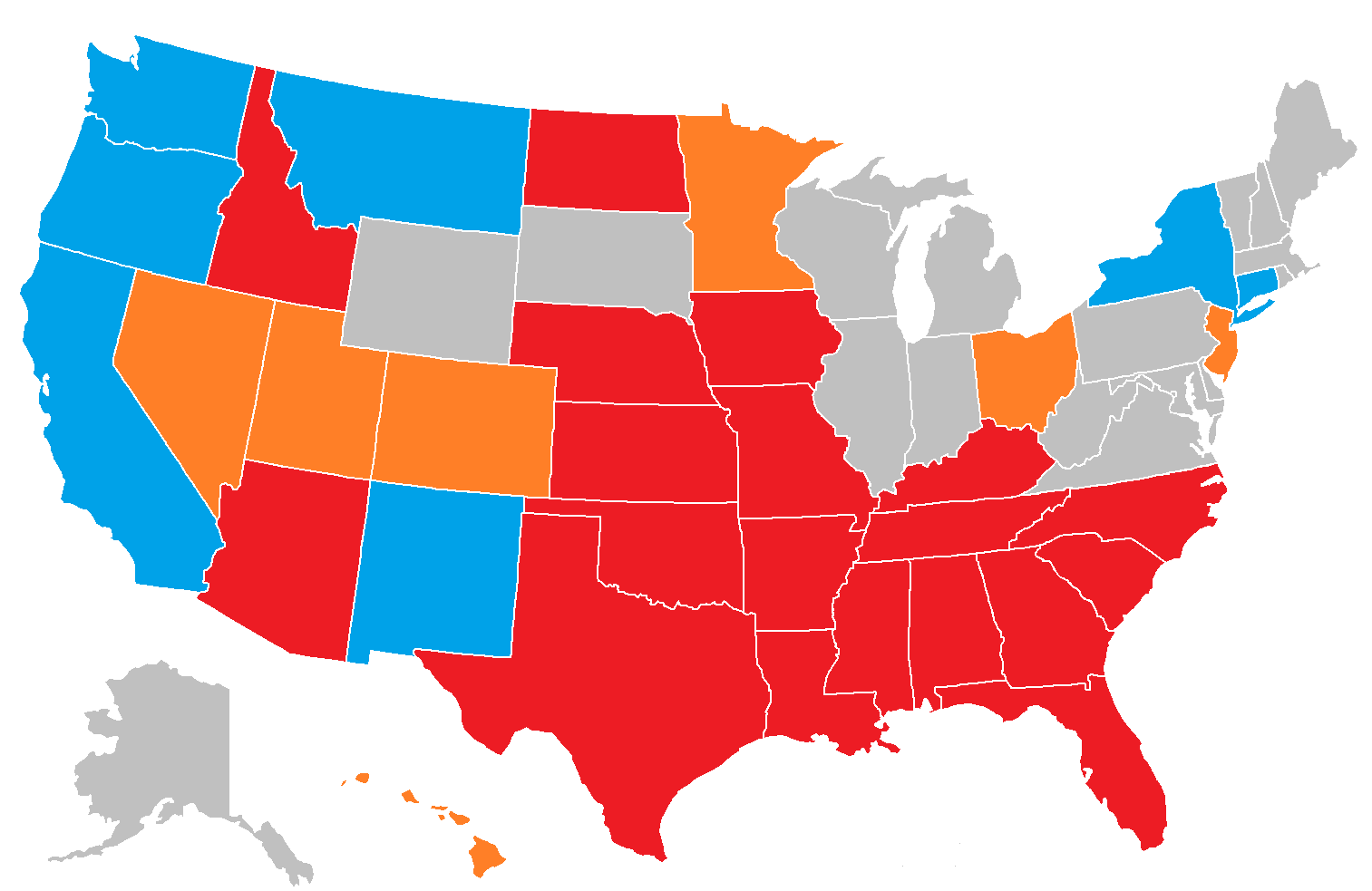
The debate around sanctuary policies often involves complex legal arguments, particularly concerning federal supremacy versus states’ rights. The Tenth Amendment to the United States Constitution grants states powers not delegated to the federal government, forming the basis for states’ ability to pass laws that limit their involvement in federal programs, including immigration enforcement. States like California, New York, and Illinois have followed Oregon’s lead in enacting various forms of sanctuary legislation, each with its own specific provisions.
Historically, the sanctuary movement has roots in religious organizations that offered refuge to Central American refugees in the 1980s, protesting United States foreign policy. Over time, this evolved into broader legislative efforts. Oregon’s early adoption of a statewide sanctuary law was groundbreaking, setting a precedent that would later be considered by other jurisdictions grappling with similar issues. The policy has faced legal challenges and political opposition over the years, with debates often centering on national security, the rule of law, and the appropriate division of power between federal and state governments. Despite these challenges, Oregon has consistently upheld its sanctuary status, demonstrating a long-standing commitment to its principles.
Oregon’s Stance: A Deep Dive into SB 101
Oregon’s journey to becoming a sanctuary state is distinct and rooted in a specific piece of legislation, Senate Bill 101 (SB 101). This law, enacted in 1987, predates many similar policies in other states and represents a foundational aspect of Oregon’s legal and social landscape.
The Birth of a Sanctuary State: SB 101 (1987)
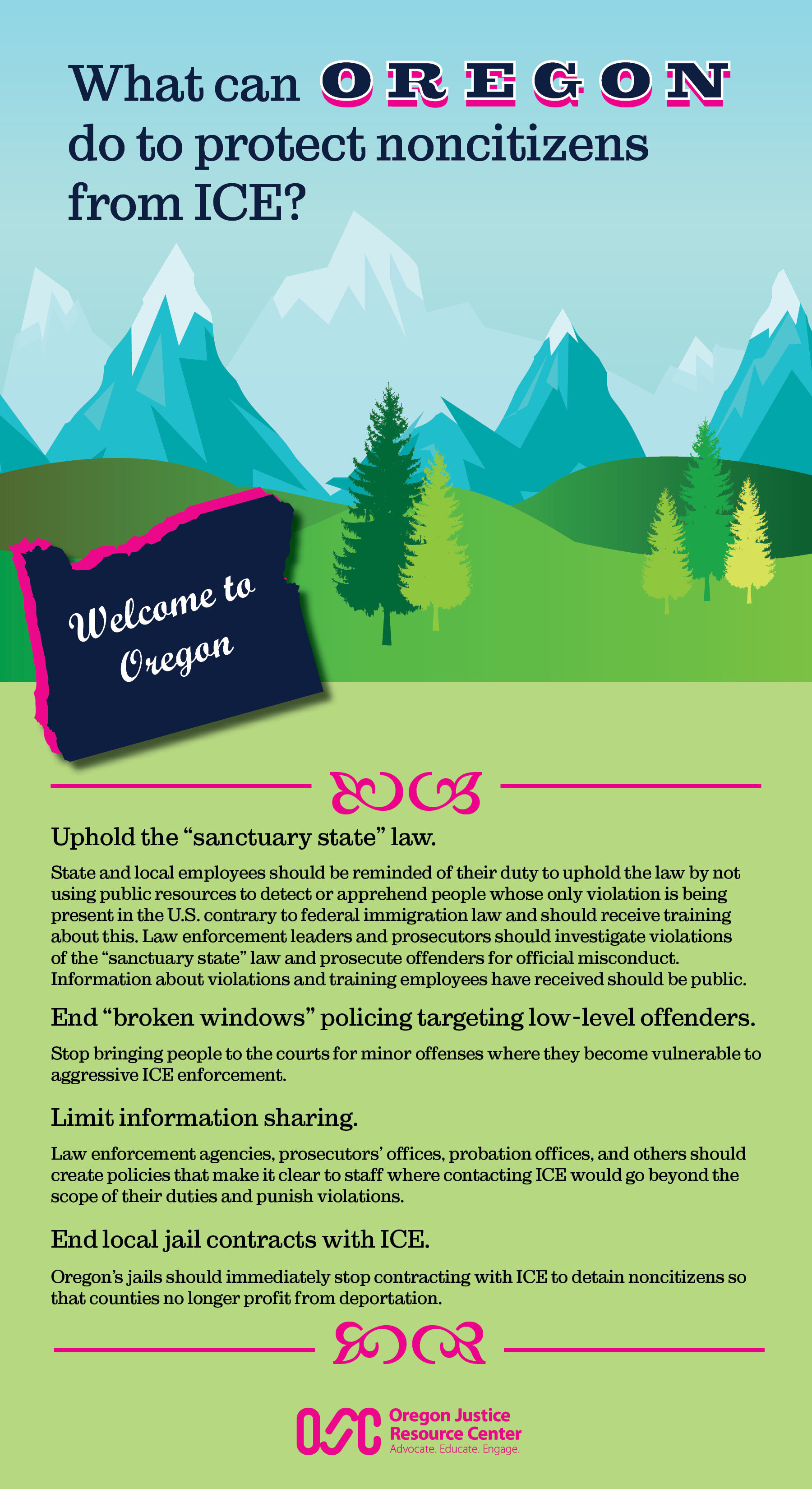
SB 101 was signed into law by then-Governor Neil Goldschmidt, making Oregon the first state in the nation to enact a statewide sanctuary policy. The essence of SB 101 is straightforward: it prohibits state and local law enforcement agencies from using their personnel or resources to detect or apprehend individuals whose only violation is being in the country without authorization. The law explicitly states that no law enforcement agency of the state or any political subdivision of the state shall “use agency moneys, equipment or personnel for the purpose of detecting or apprehending persons whose only violation of law is that they are persons of foreign citizenship present in the United States in violation of federal immigration laws.”
This legislation was a direct response to concerns about racial profiling and the potential for local police to be diverted from their primary public safety duties to enforce federal immigration laws. Proponents argued that such a policy would build trust between immigrant communities and law enforcement, encouraging cooperation in reporting crimes and engaging with local government without fear of immigration consequences. It’s important to note that SB 101 does not prevent Oregon authorities from cooperating with federal agencies on criminal matters or when a person has committed a serious offense. It specifically targets situations where immigration status is the sole reason for interaction.
In 2018, voters in Oregon overwhelmingly rejected a ballot measure (Measure 105) that sought to repeal SB 101. This vote reaffirmed the state’s commitment to its sanctuary law, demonstrating strong public support for the policy and cementing Oregon’s identity as a welcoming state for immigrants. This outcome sent a clear message that Oregonians value the principles of community trust and limited local involvement in federal immigration enforcement.
Practical Implications for Residents and Visitors
For residents, whether long-term or new, Oregon’s sanctuary status means that interactions with local police or state agencies generally focus on the matter at hand—be it a traffic stop, reporting a crime, or seeking social services—rather than initiating inquiries into immigration status. This approach is designed to foster trust and ensure that all individuals, regardless of their immigration background, feel secure in accessing essential services and engaging with public institutions. It means that an undocumented immigrant involved in a car accident, for example, can typically interact with local police without immediate fear of being turned over to ICE solely for their immigration status.
For visitors and travelers, the practical implications are less direct but contribute to the overall atmosphere of the state. Oregon’s sanctuary status often reflects a broader progressive and inclusive ethos that is palpable in its cities and towns, from the vibrant streets of Portland to the artistic community of Ashland. This can translate into a more diverse and welcoming environment, where various cultures are celebrated, and communities feel empowered. It reinforces the idea that Oregon prioritizes the well-being and safety of all its inhabitants and guests.
It’s crucial to reiterate that Oregon’s sanctuary law does not provide immunity from federal law or criminal prosecution. If an individual commits a crime, they will be subject to the appropriate legal processes, and their immigration status may become relevant in the context of federal law enforcement. The policy specifically limits local and state resources from being used for civil immigration enforcement where no other crime has been committed. This distinction is vital for understanding the scope and intent of SB 101.
The Impact on Tourism, Travel, and Lifestyle in Oregon
Oregon’s sanctuary status is not merely a legal detail; it shapes the very fabric of the state, influencing its culture, communities, and how it is perceived as a destination for tourism and lifestyle. For a website like lifeoutofthebox.com, which focuses on travel, hotels, tourism, accommodation, landmarks, and lifestyle, understanding this aspect is key to appreciating the full Oregon experience.
A Welcoming Destination? Perceptions and Realities
The perception of Oregon as a sanctuary state can significantly influence how different types of travelers view the destination. For some, it reinforces the state’s image as a progressive, tolerant, and inclusive place, aligning with values of diversity and social justice. This can attract visitors who are drawn to destinations with strong humanitarian policies and who seek experiences in welcoming, multicultural environments. Many travelers appreciate the feeling of arriving in a place where all individuals are treated with respect, and where local communities thrive due to a sense of security and belonging. This can contribute to a more enriching travel experience, allowing visitors to engage more deeply with local culture and people.
Conversely, others might view the policy with skepticism, perceiving it differently. However, the reality on the ground for the vast majority of tourists is that the sanctuary policy does not directly impact their daily travel experiences. Instead, it contributes to the broader socio-cultural landscape, which indirectly enhances the visitor experience by fostering diverse communities, vibrant local economies, and a generally open and accepting atmosphere. This is reflected in the state’s rich culinary scene, diverse arts, and a population known for its progressive outlook.
Exploring Oregon: Beyond Policy
When one travels to Oregon, the immediate draw is often its spectacular natural attractions and unique urban centers. From the iconic waterfalls of the Columbia River Gorge to the serene beauty of Crater Lake National Park, the majestic peaks of Mount Hood, and the dramatic shores of the Oregon Coast, the state offers unparalleled outdoor adventures.
Urban centers like Portland are celebrated for their distinctive neighborhoods, world-class dining, craft breweries, independent boutiques, and quirky charm. Eugene offers a vibrant arts scene and a strong connection to outdoor activities, while Bend in Central Oregon is a hub for adventure sports. The Willamette Valley and Rogue Valley are renowned for their burgeoning wine industries. Towns like Ashland host internationally recognized cultural events such as the Oregon Shakespeare Festival.
Oregon’s sanctuary status aligns well with this diverse and open brand identity. The state’s progressive policies often reflect a broader commitment to environmental sustainability, social equity, and community welfare. This holistic approach to governance and lifestyle contributes to a state that is not only naturally stunning but also socially conscious. Travelers seeking destinations that embody such values will find Oregon particularly appealing. The presence of diverse communities, made more secure by sanctuary policies, enriches the local culture, offering a broader range of authentic experiences, from various ethnic cuisines to community festivals.
Accommodation and Services
The accommodation sector in Oregon, from luxury hotels and resorts in Portland and Bend to charming bed and breakfasts along the Oregon Coast and vacation rentals near Crater Lake National Park, operates seamlessly within the state’s legal framework. Sanctuary policies do not alter how businesses provide services to customers. Hotels, restaurants, tour operators, and other tourism-related businesses serve all patrons without discrimination, focusing on delivering exceptional experiences.
Guests booking hotels, suites, apartments, or villas in Oregon can expect standard booking procedures, amenities, and hospitality. The state’s welcoming environment extends to its service industry, which thrives on catering to a diverse clientele. Long-term stays and residents can also access various services, including healthcare, education, and public libraries, without facing questions about immigration status from state or local entities. This integration of all community members ultimately contributes to a more stable, vibrant, and cohesive society, which benefits everyone, including the tourism sector.
In essence, Oregon’s sanctuary status enhances its reputation as a globally aware and inclusive destination, attracting visitors who value cultural richness and social responsibility alongside natural beauty and adventurous experiences.
In conclusion, Oregon is unequivocally a sanctuary state, having established this status through SB 101 in 1987 and reaffirming it through subsequent voter approval. This policy reflects a deep-seated commitment to separating local law enforcement from federal immigration enforcement, aiming to foster trust within communities and enhance overall public safety. For anyone considering travel to or a lifestyle within Oregon, this designation underscores the state’s progressive values and its dedication to creating a welcoming and inclusive environment for all. It’s part of what makes Oregon not just a scenic wonder, but a culturally rich and socially conscious place to visit and live.
LifeOutOfTheBox is a participant in the Amazon Services LLC Associates Program, an affiliate advertising program designed to provide a means for sites to earn advertising fees by advertising and linking to Amazon.com. Amazon, the Amazon logo, AmazonSupply, and the AmazonSupply logo are trademarks of Amazon.com, Inc. or its affiliates. As an Amazon Associate we earn affiliate commissions from qualifying purchases.