
Embarking on a journey to the vast and vibrant state of Texas offers an unparalleled blend of culture, history, and natural beauty. From the bustling metropolises of Dallas and Houston to the historic charm of San Antonio and the live music scene of Austin, the Lone Star State captivates millions of travelers each year. However, for those planning a visit or even longtime residents, understanding the nuances of Daylight Saving Time (DST) can be crucial for a seamless experience. The question “When time changes in Texas?” is more than just a matter of adjusting clocks; it impacts everything from flight schedules and tour timings to the simple rhythm of daily life and leisure activities.
In the United States, the practice of Daylight Saving Time sees clocks “spring forward” in the spring and “fall back” in the autumn. Texas, largely situated within the Central Time Zone (CT), adheres to this biannual tradition, with significant implications for travel, tourism, and accommodation planning. This comprehensive guide will delve into the specifics of when these time changes occur, their practical effects on your Texas itinerary, and offer valuable tips to ensure your visit remains as enjoyable and stress-free as possible, regardless of whether the clock is gaining or losing an hour. From optimizing your travel arrangements to making the most of Texas’s iconic landmarks and local experiences, understanding DST is a key component of a well-planned Texas adventure.
Understanding Daylight Saving Time in Texas
Daylight Saving Time is a familiar concept to most, yet its exact implementation and rationale can often be confusing. In Texas, as in much of the United States, the practice is observed with consistent adherence to federal guidelines, impacting daily life and the experiences of visitors alike.
The Rationale Behind DST
The concept of Daylight Saving Time was first widely adopted during World War I, primarily as a measure to conserve energy. The idea was to extend daylight into the evening hours during warmer months, reducing the need for artificial lighting and potentially saving fuel. Over time, other benefits were cited, including increased opportunities for outdoor recreation, reduced traffic accidents, and even a boost to retail sales due to people having more daylight for evening activities.
While debates continue regarding the actual benefits and drawbacks of DST, Texas remains committed to the practice. For travelers, this means an important consideration for planning, especially when crossing time zones or scheduling activities that rely on specific times. The extra hour of evening daylight in summer can be a boon for exploring attractions and enjoying the state’s vibrant nightlife, while the shift in autumn can alter morning routines and travel schedules.
Key Dates for Time Changes in Texas
For the majority of Texas, which operates under the Central Time Zone, the time changes follow the standard United States schedule:
- Spring Forward: Clocks are moved forward by one hour on the second Sunday in March at 2:00 AM local time. This means 2:00 AM instantly becomes 3:00 AM, effectively “losing” an hour of sleep or an hour from the early morning.
- Fall Back: Clocks are moved back by one hour on the first Sunday in November at 2:00 AM local time. This means 2:00 AM instantly becomes 1:00 AM, effectively “gaining” an hour of sleep or an hour in the early morning.
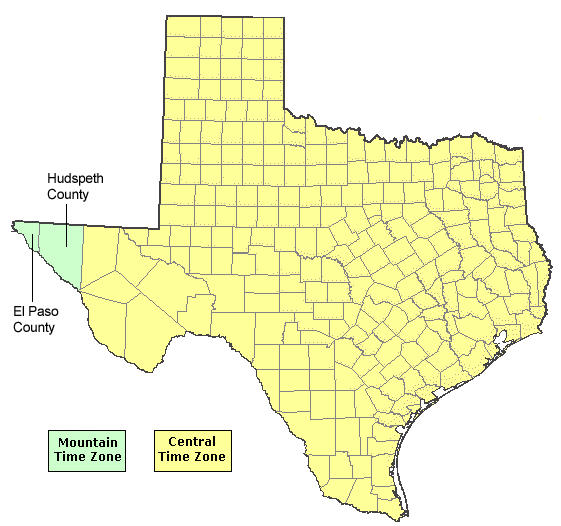
It’s important to note a geographical exception within Texas. The far western part of Texas, including the city of El Paso and parts of Hudspeth County, operates in the Mountain Time Zone (MT). While these areas also observe Daylight Saving Time, their time change occurs one hour earlier than the Central Time Zone in relation to coordinated universal time (UTC), meaning they also spring forward and fall back on the same designated Sundays, but their local clock readings will reflect MT. This distinction is crucial for travelers journeying across the state, particularly those planning road trips or multi-city itineraries that might span different time zones within Texas. Always verify the local time zone for your specific destination to avoid any confusion.
Understanding these key dates and regional differences is the first step toward a flawlessly planned Texas vacation or business trip.
Impact on Travel and Tourism in the Lone Star State
The biannual time change, while seemingly minor, can have a ripple effect across the entire travel and tourism ecosystem in Texas. From meticulously planned itineraries to spontaneous exploration, visitors need to be aware of how DST impacts their experience.
Planning Your Texas Itinerary Around DST
When planning a trip to Texas, especially one that coincides with the Daylight Saving Time changes, it’s essential to consider how this will affect your schedule.
- Flight and Transportation Schedules: Air travel is perhaps the most immediately impacted sector. Flight departure and arrival times are typically listed in local time. If you’re flying into or out of Texas during the spring forward or fall back weekend, always double-check your airline’s notifications. A flight scheduled for 3:00 AM on the day of spring forward might effectively be a 2:00 AM flight under the old time, potentially causing you to miss it if you don’t adjust. Similarly, buses, trains, and even car rental pick-up/drop-off times need careful verification. For road trips across the state, particularly near the El Paso region where the time zone shifts, ensure your GPS and internal clock are correctly updated to avoid delays or missed appointments.
- Tour and Activity Bookings: Many popular Texas attractions and tour operators run on strict schedules. Guided tours of the Alamo, Space Center Houston experiences, or reserved times for the Sixth Floor Museum at Dealey Plaza could be affected. Always reconfirm your booked times a day or two before the activity, especially if it falls on or near a DST change date. This proactive approach ensures you don’t arrive an hour early or, worse, an hour late for a non-refundable experience.
- Dining and Entertainment: Restaurant reservations, theatre show times, live music gigs in Austin, or even a scheduled rodeo at the Fort Worth Stockyards National Historic District can all be thrown off by the time change. While most establishments are aware of the shift, confirming your timings is a good practice to prevent any confusion or disappointment, allowing you to fully immerse yourself in Texas’s vibrant lifestyle.
Accommodation and Booking Considerations
The impact of Daylight Saving Time extends to your accommodation choices, from luxury resorts to budget-friendly apartments.
- Check-in and Check-out Times: Hotels, resorts, and vacation rentals typically adhere to fixed check-in and check-out times. If your arrival or departure day coincides with a time change, understand how it affects your schedule. For instance, if you check out on a “spring forward” Sunday, you effectively have one less hour in the morning. Conversely, on a “fall back” Sunday, you gain an extra hour. While most properties are equipped to handle this, it’s always wise to confirm specific timings with the front desk or host upon booking, particularly if you have tight connections or plans immediately before or after your stay.
- Hotel Amenities and Services: Services like breakfast hours, shuttle schedules, or spa appointments within your hotel might subtly shift. While major hotel chains are usually well-prepared, smaller boutique hotels or independent accommodations might have less flexible schedules. Inquire about any potential adjustments to amenities and services to ensure they align with your vacation plans.
- Booking and Payment Windows: For those managing bookings across different time zones or for properties with dynamic pricing, being aware of the precise local time is critical. An offer that expires at midnight in Texas on a specific date will effectively expire an hour earlier or later depending on the DST change, which can impact special rates or limited-time deals on accommodations. When comparing prices and booking, always consider how time zone differences and DST might play a role in the validity of specific offers.
Experiencing Texas Landmarks and Attractions
Texas is home to an incredible array of landmarks, from historical sites to breathtaking national parks. Daylight Saving Time can influence how you experience these iconic locations.
- Opening and Closing Hours: Many attractions, especially outdoor ones like Big Bend National Park or Guadalupe Mountains National Park, adjust their operating hours seasonally, and DST is a part of this. The “spring forward” shift often brings longer daylight hours, leading to extended evening closures for many attractions, allowing visitors more time to explore. This extra daylight is perfect for enjoying the San Antonio River Walk or catching a sunset on South Padre Island. Conversely, the “fall back” means earlier sunsets, which can shorten the effective visiting time for outdoor sites, requiring careful planning to maximize your experience. Indoor attractions such as the Dallas Arts District museums or Houston’s Museum District may also adjust their schedules, so checking their official websites is paramount.
- Natural Light for Photography: Photographers and nature enthusiasts will find the changes in daylight particularly relevant. During spring and summer, the extended evening light provides excellent opportunities for “golden hour” photography at popular spots like Padre Island National Seashore. In contrast, the autumn shift means earlier mornings might be needed to capture the sunrise or avoid harsh midday light.
- Outdoor Activities and Events: Texas offers a plethora of outdoor activities, from hiking and cycling to festivals and sporting events. The change in daylight can affect when these activities are best enjoyed. For instance, an early morning hike in summer might feel cooler and more comfortable with the extended morning twilight before the sun gets too intense, while in autumn, that same hike might need to start later to benefit from the sun’s warmth. Always check local event listings for any schedule adjustments related to DST.
By being proactive and understanding these impacts, travelers can seamlessly integrate the time change into their Texas adventure, ensuring no moment is lost and every experience is fully savored.
Navigating the Time Change: Tips for Visitors and Residents
Whether you’re a first-time visitor or a seasoned Texas resident, the biannual time change can disrupt routines and potentially cause confusion. However, with a few practical strategies, you can navigate these transitions smoothly and minimize any inconvenience.
Adjusting to the New Time
The shift in time, especially the “spring forward” where an hour is lost, can mimic the effects of mild jet lag, affecting sleep patterns and overall well-being.
- Gradual Adjustment: For those sensitive to time changes, try to adjust your sleep schedule gradually in the days leading up to the change. Shift your bedtime and wake-up time by 15-20 minutes earlier (for spring forward) or later (for fall back) for a few nights before the actual change. This helps your body ease into the new rhythm.
- Prioritize Sleep: Ensure you get adequate rest, especially on the night of the time change. Avoid late-night activities and excessive caffeine or alcohol, which can interfere with sleep quality.
- Leverage Sunlight Exposure: Sunlight plays a crucial role in regulating your body’s internal clock. On the day of the time change, expose yourself to natural light in the morning (for spring forward) or late afternoon (for fall back) to help reset your circadian rhythm. If you’re exploring Texas landmarks, take advantage of outdoor activities to naturally adjust.
- Stay Hydrated and Eat Well: Maintaining good hydration and a balanced diet can help your body cope with the minor stress of the time change. Avoid heavy meals close to bedtime.
- Patience is Key: It might take a day or two for your body to fully adjust. Be patient with yourself and allow for a slight dip in energy or focus during the transition period.
Practical Advice for a Smooth Transition
Beyond personal adjustment, several practical steps can ensure your Texas travel or daily life isn’t derailed by the clock change.
- Update All Your Clocks: Most modern smartphones, computers, and smart devices automatically update. However, don’t forget manual clocks in your hotel room, rental car, or traditional watches. Confirming that all your timekeeping devices are accurate is paramount, especially when you have early morning flights or tours.
- Reconfirm Appointments and Bookings: As mentioned, always reconfirm flight times, tour departures, restaurant reservations, and any other scheduled appointments, particularly if they fall on the Sunday of the time change or the following Monday. While businesses try their best to communicate, a quick call or check of their website can prevent misunderstandings.
- Travel Documents and Itineraries: When printing or saving travel documents, note the local time zone and be mindful of how DST affects it. If you have a detailed itinerary, add a reminder about the time change so you don’t forget.
- Emergency Contacts and Services: While emergency services (like 911) are not affected by DST in their operation, be aware of the local time when contacting friends, family, or other services to avoid confusion.
- Understand Local Customs: In some parts of Texas, particularly more rural areas, there might be a more relaxed approach to precise timing. However, for most major cities and tourist-focused businesses, adhering strictly to the new time is expected.
By following these tips, both visitors and residents can minimize the potential disruptions of Daylight Saving Time, ensuring their experience in Texas remains enjoyable and on schedule.
The Future of Daylight Saving in Texas
The practice of Daylight Saving Time has been a subject of ongoing debate in the United States for many years. While currently observed in Texas, legislative efforts and public discussions continue to explore alternative approaches, potentially shaping how and when time changes in the future.
Debates and Potential Changes
Across the United States, states like Hawaii and most of Arizona do not observe DST, operating on standard time year-round. This has fueled discussions in other states, including Texas, about the benefits and drawbacks of continuing the biannual time shift.
- Arguments for Abolition: Proponents of abolishing DST often cite potential health impacts (disrupted sleep, increased heart attacks after spring forward), economic costs (loss of productivity, confusion for businesses), and the argument that the energy-saving benefits are negligible or even non-existent in the modern era. For the tourism industry, a consistent time could simplify travel planning and reduce confusion for visitors.
- Arguments for Permanent DST: Conversely, some advocate for making Daylight Saving Time permanent, effectively extending evening daylight year-round. This approach is often favored for its perceived benefits to retail, outdoor recreation, and public safety. From a lifestyle perspective, permanent DST could mean more opportunities for evening activities after work or travel, enhancing visitor experiences during different seasons.
- Legislative Efforts in Texas: The Texas Legislature has seen various bills introduced in recent years aimed at either abolishing DST entirely or making it permanent. These legislative efforts reflect a broader national conversation. While none have passed into law thus far, the persistent introduction of such bills indicates a strong interest in re-evaluating Texas’s stance on time changes. Any state-level change would require a waiver from federal law, which currently mandates DST for states that choose to observe it. Alternatively, Congress could pass a national law to allow states to choose permanent standard time or permanent DST.
- Impact on Travel and Lifestyle: Should Texas ever decide to eliminate or make DST permanent, it would significantly alter the landscape for travelers and residents. Permanent standard time would mean earlier sunsets in summer but consistent mornings. Permanent DST would mean later sunsets year-round but darker mornings in winter. Such a change would require a considerable adjustment in planning for tour operators, hotels, and individual travelers, potentially simplifying long-term planning but introducing new considerations for seasonal activities.
For now, Texas continues to observe Daylight Saving Time. Therefore, staying informed about the “spring forward” and “fall back” dates remains a crucial aspect of planning any visit or managing daily life within the state. However, the ongoing debate suggests that the question of “When time changes in Texas?” might eventually evolve into “Does time change in Texas at all?”

Conclusion
Understanding when the time changes in Texas is more than a trivial detail; it’s a fundamental aspect of planning a successful and enjoyable trip to the Lone Star State. As the majority of Texas observes Daylight Saving Time, clocks “spring forward” on the second Sunday in March and “fall back” on the first Sunday in November. This biannual adjustment, while intended to optimize daylight, has far-reaching implications for travel, tourism, and daily life.
From meticulously coordinating flight arrivals and hotel check-ins to scheduling immersive tours of the Alamo or exploring the vast expanses of Big Bend National Park, being aware of the time change ensures your itinerary remains on track. It influences the operating hours of landmarks, the availability of recreational activities, and even your personal adjustment to the rhythm of your vacation. For those venturing near El Paso, remembering the shift to the Mountain Time Zone is an additional layer of planning that can prevent any logistical hiccups.
By proactively updating your devices, reconfirming your bookings, and allowing yourself a gentle adjustment to the new time, you can navigate these transitions with ease. Whether you’re seeking luxury accommodation in Dallas, a unique cultural experience in San Antonio, or an adventurous lifestyle getaway in Texas’s natural landscapes, being informed about Daylight Saving Time will empower you to make the most of every moment. While the debate around the future of DST continues in the Texas Legislature, for now, anticipating and planning for these time changes remains an essential tip for any traveler or resident in this dynamic state.
LifeOutOfTheBox is a participant in the Amazon Services LLC Associates Program, an affiliate advertising program designed to provide a means for sites to earn advertising fees by advertising and linking to Amazon.com. Amazon, the Amazon logo, AmazonSupply, and the AmazonSupply logo are trademarks of Amazon.com, Inc. or its affiliates. As an Amazon Associate we earn affiliate commissions from qualifying purchases.