
For travelers planning a visit to the verdant landscapes and vibrant cities of Oregon, a fundamental question often arises: what time zone does this diverse state observe? Understanding local time is not merely a logistical detail; it’s a cornerstone for seamless travel, affecting everything from flight schedules and hotel check-ins to restaurant reservations and the timing of iconic attractions. The short answer is, predominantly, yes: Oregon operates on Pacific Time. However, like many things rooted in geography and local governance, there’s a nuance that discerning travelers should be aware of to ensure a smooth and well-coordinated journey across the Beaver State.

This article delves into the intricacies of Oregon’s time zones, exploring the general rule and its rare exception, and, crucially, outlining why this knowledge is indispensable for any traveler seeking to maximize their experience in this captivating destination. From the bustling streets of Portland to the serene shores of the Oregon Coast and the rugged beauty of its eastern reaches, being time-aware will elevate your travel planning from good to exceptional.
Understanding Oregon’s Time Zone Landscape
Oregon’s time zone configuration is straightforward for the vast majority of its landmass, aligning it with its western neighbors. However, a small but significant exception exists, adding a layer of detail for those venturing to specific corners of the state.
The Predominant Pacific Time Zone (PST/PDT)
The vast majority of Oregon, encompassing its major metropolitan areas, popular tourist destinations, and nearly all its population centers, observes Pacific Time. This means that during standard time, it operates under Pacific Standard Time (PST), which is UTC-8. When Daylight Saving Time is in effect, the state switches to Pacific Daylight Time (PDT), making it UTC-7.
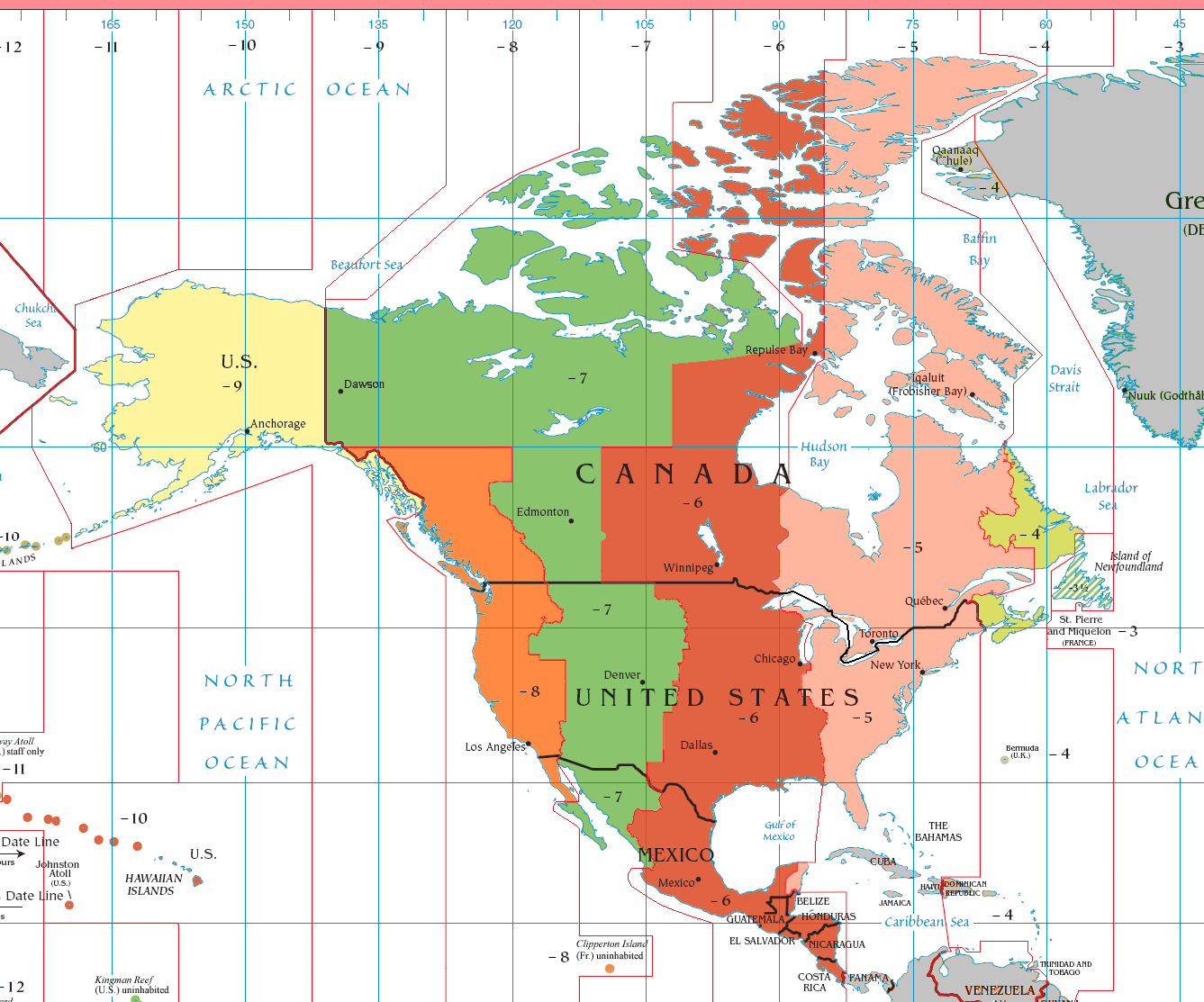
This alignment is consistent with the entire western seaboard of the contiguous United States, including California and Washington, as well as parts of Nevada and British Columbia in Canada. For travelers, this offers a relatively predictable and consistent time framework across most key Oregon destinations like Portland, Eugene, Salem, Bend, and the entire Oregon Coast.
The Eastern Exception: Malheur County
The notable exception to Oregon’s Pacific Time dominance lies in its far southeastern corner: Malheur County. This expansive, sparsely populated county observes Mountain Time (MST/MDT), aligning its clocks with its neighbor, Idaho. Specifically, the northern portion of Malheur County, including the city of Ontario, follows Mountain Time. This decision was made decades ago to facilitate economic and social integration with nearby Boise and other communities in western Idaho.
For travelers, this means that if your itinerary takes you into Eastern Oregon, particularly to Malheur County, you’ll need to adjust your clock forward by one hour relative to the rest of the state. While this area is less frequently visited by general tourists compared to the Willamette Valley or the coast, those exploring Oregon’s lesser-known, rugged high desert landscapes should be aware of this time shift.
Daylight Saving Time in Oregon
Like most of the United States, Oregon observes Daylight Saving Time (DST). This means that on the second Sunday in March, clocks “spring forward” one hour, transitioning from Pacific Standard Time (PST) to Pacific Daylight Time (PDT). On the first Sunday in November, they “fall back” one hour, reverting to PST. This annual adjustment applies uniformly across the state, including Malheur County, which moves between Mountain Standard Time (MST) and Mountain Daylight Time (MDT). While there have been discussions and proposals in Oregon and other western states to potentially move to permanent DST, as of now, the seasonal change remains in effect. Travelers should always verify the current DST status, especially for trips planned around the spring or fall transitions.
Why Time Zones Matter for Travelers to Oregon
Understanding Oregon’s time zones goes beyond academic interest; it’s a practical necessity that can significantly impact the flow and enjoyment of your trip. Ignoring time differences can lead to missed connections, closed attractions, and unnecessary stress.
Planning Flights and Transportation
For most travelers, the journey to Oregon begins with a flight into Portland International Airport (PDX), which operates on Pacific Time. When booking flights, especially those originating from different time zones (e.g., Eastern Time or Central Time), it’s crucial to pay close attention to arrival and departure times in local time. A flight departing at 9:00 AM Eastern Time and arriving at 11:00 AM Pacific Time is a five-hour journey, not two. Miscalculations can lead to missed connections for onward travel, whether it’s a connecting flight, a rental car pickup, or a pre-booked shuttle service.
Similarly, if you’re planning a multi-modal trip that includes a drive into or out of Malheur County, remember that crossing the time zone boundary will necessitate a clock adjustment. This is particularly relevant for those driving across the state, perhaps on a grand tour from the coast to the eastern high desert. Confirming the time for any scheduled pick-ups, tours, or accommodations in Malheur County according to Mountain Time is essential.
Coordinating with Locals and Other Time Zones
Whether you’re meeting friends or family, conducting business, or simply making phone calls back home, time zone awareness is paramount. When communicating with people outside Oregon, always specify local time or account for the difference. A “noon meeting” could mean vastly different things depending on where the participants are located.
For travelers who have pre-arranged activities with local guides, outfitters, or tour operators, confirming the correct time zone for meetings is critical. Imagine arriving an hour late for a whitewater rafting trip on the Deschutes River near Bend or missing your slot for a wine tasting in the Willamette Valley simply because of a time zone miscalculation. Clear communication regarding meeting times, always in local time, prevents these frustrating scenarios.
Business Hours and Attraction Timings
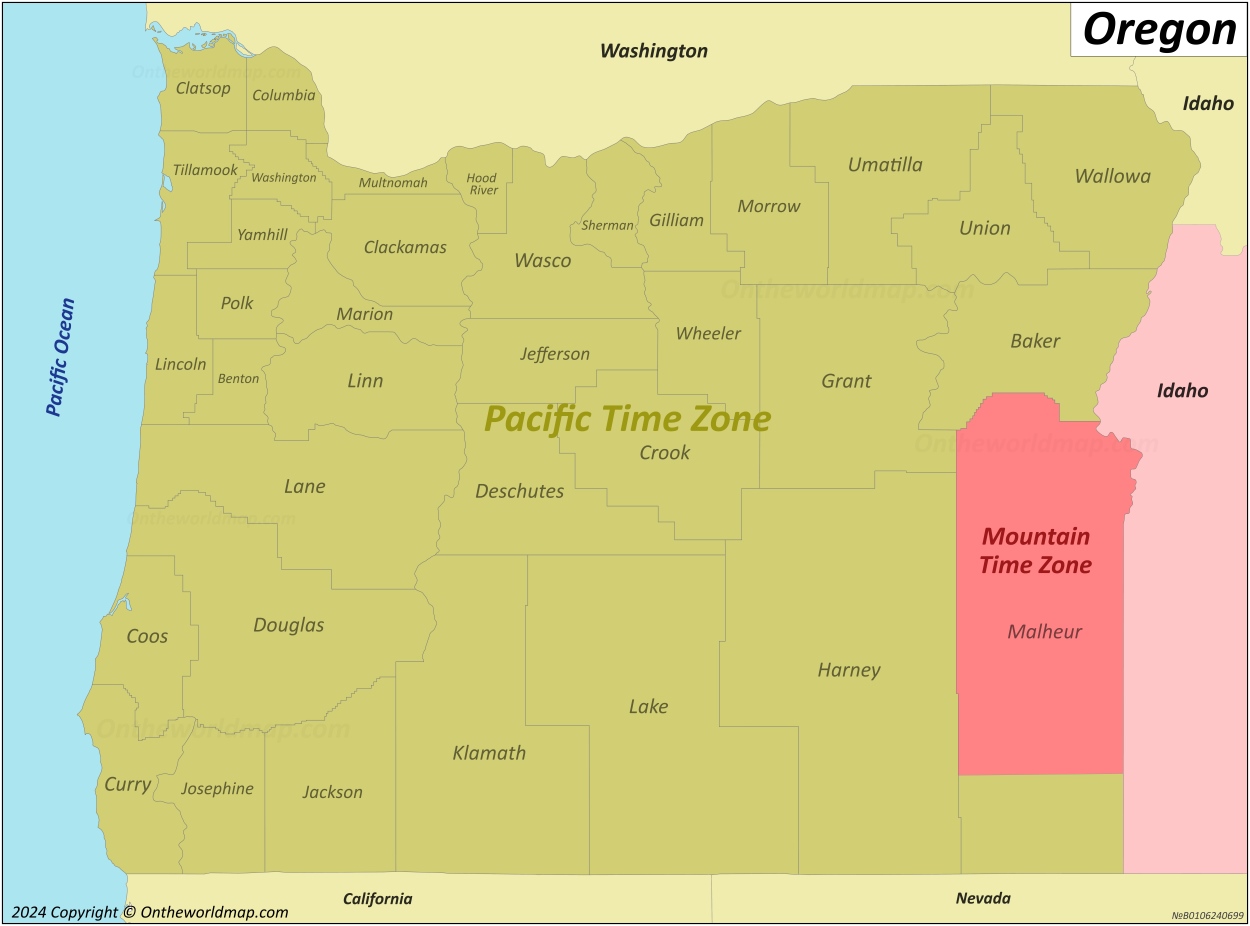
Businesses, restaurants, museums, and attractions in Oregon all operate according to their respective local time zones. Most of the state follows Pacific Time, meaning a museum closing at 5:00 PM will do so at 5:00 PM PST/PDT. However, if your itinerary includes a visit to the National Historic Oregon Trail Interpretive Center near Baker City (which is in Pacific Time) and then an overnight stay in Ontario (Mountain Time), you need to adjust your internal clock.
Checking the operating hours of specific attractions, especially when moving between the main part of Oregon and Malheur County, is highly recommended. This ensures you arrive during open hours and don’t miss out on planned experiences, whether it’s exploring the historic sites of Astoria, hiking around Mount Hood, or visiting the shops in Ashland.
Navigating Time Differences: Practical Tips for Your Oregon Trip
Armed with the knowledge of Oregon’s time zones, here are some practical tips to ensure a smooth, time-savvy trip.
Before You Go: Pre-Trip Preparation
- Verify All Bookings: Double-check flight confirmations, hotel reservations, car rental pickups, and tour bookings for their stated times, ensuring they are in the local time of the destination. If in doubt, contact the provider for clarification.
- Time Zone Apps: Utilize smartphone apps or online tools that display multiple time zones. This makes it easy to compare Oregon’s time with your home time zone and, if necessary, with Mountain Time for Malheur County.
- Itinerary Notes: When creating your travel itinerary, specifically note the time zone for each entry, especially for activities that span the PST/MST boundary. For example, “Arrive Ontario at 3:00 PM MDT.”
- Daylight Saving Awareness: If traveling around March or November, confirm the exact date of the DST change and how it might impact your schedule.
During Your Visit: On-the-Ground Strategies
- Automatic Device Updates: Most smartphones, smartwatches, and GPS devices automatically update to the local time zone when they connect to a cellular network. Rely on these devices for the most accurate current time. However, it’s wise to have a backup or cross-reference.
- Manual Clock Adjustment: If you’re driving into Malheur County, physically adjust your car clock (if it doesn’t auto-update) and any analog watches. This helps prevent confusion when checking appointment times or business hours.
- Ask Locals: When in doubt, don’t hesitate to ask a local what time it is, especially if you feel you might have crossed a time zone boundary or are unsure about Daylight Saving adjustments.
- Buffer Time: Build in extra buffer time for crucial appointments, especially on travel days or days involving time zone changes. This reduces stress if minor delays or confusions arise.
Adjusting to the Time Change (Jet Lag Considerations)
For travelers arriving from significantly different time zones (e.g., the East Coast of the United States or international destinations), adjusting to Pacific Time can involve jet lag. Oregon is three hours behind Eastern Time and one hour behind Mountain Time (excluding Malheur County).
- Gradual Adjustment: Before your trip, try to shift your sleep schedule by an hour or two each day to gradually align with Pacific Time.
- Hydration and Light Meals: Stay well-hydrated and eat light meals during your flight and upon arrival. Avoid excessive alcohol and caffeine.
- Embrace the Sun: Upon arrival, expose yourself to natural light, especially in the morning, to help reset your body clock. Try to stick to Oregon’s local meal and sleep times.
- Short Naps if Needed: If you must nap, keep it short (20-30 minutes) to avoid deeper sleep that can worsen jet lag.
Exploring Oregon: Top Destinations and Time Zone Awareness
Let’s briefly consider some of Oregon’s top travel regions and how time zone knowledge applies.
Coastal Gems and Pacific Time
The entire Oregon Coast, stretching from Astoria in the north to Samuel H. Boardman State Scenic Corridor near the California border, observes Pacific Time. Whether you’re whale watching in Depoe Bay, exploring tide pools in Cannon Beach, or enjoying fresh seafood in Newport, your clock will remain consistent with the rest of western Oregon.
Portland and the Willamette Valley
Portland, the state’s largest city, and the fertile Willamette Valley (home to Oregon’s renowned wine country, Eugene, and Salem) are firmly in the Pacific Time Zone. Planning your urban explorations, wine tours, or scenic drives through this region will be straightforward regarding time. From a morning visit to Powell’s City of Books to an afternoon tasting in Dundee and an evening show in Portland, all will operate on PST/PDT.
Central Oregon’s High Desert Adventures
The popular outdoor recreation hub of Bend, the majestic Crater Lake National Park, and the high desert landscapes of Central Oregon also adhere to Pacific Time. Travelers planning to hike Smith Rock State Park, ski Mount Bachelor, or explore the geological wonders of the Newberry National Volcanic Monument will do so without time zone shifts within this vast and beautiful region.
Eastern Oregon: A Different Rhythm (and Time Zone)
Eastern Oregon presents a fascinating blend of history, agriculture, and rugged wilderness. While much of this region, including cities like Pendleton, Baker City, and the Wallowa Mountains, remains on Pacific Time, it is here that the exception of Malheur County comes into play. If your travels take you to Ontario or other parts of Malheur County near the Idaho border, you will indeed need to adjust your clock forward by one hour to Mountain Time. This distinction is vital for anyone planning to cross the entire state or spend significant time in its far southeastern reaches.
In conclusion, for the vast majority of your journey through Oregon, you can confidently set your watch to Pacific Time, observing Daylight Saving Time as applicable. The key takeaway for a truly seamless travel experience is to be mindful of the single, but significant, exception in Malheur County. With a little pre-planning and awareness, your exploration of Oregon’s diverse landscapes and vibrant communities will be perfectly timed, allowing you to immerse fully in all the wonders this captivating state has to offer.
LifeOutOfTheBox is a participant in the Amazon Services LLC Associates Program, an affiliate advertising program designed to provide a means for sites to earn advertising fees by advertising and linking to Amazon.com. Amazon, the Amazon logo, AmazonSupply, and the AmazonSupply logo are trademarks of Amazon.com, Inc. or its affiliates. As an Amazon Associate we earn affiliate commissions from qualifying purchases.