
As the active hurricane season continues to bring its share of uncertainty to the Florida peninsula, residents and visitors alike are closely monitoring the path and potential impact of developing tropical systems. One such system that has recently garnered significant attention is Hurricane Helene. The question on many minds, particularly those planning or currently enjoying a trip to the heart of theme park country, is whether Orlando is likely to be affected by this powerful storm.
Understanding the dynamics of tropical cyclones and how they interact with landmasses like Florida is crucial for making informed decisions, whether you are a permanent resident or a temporary guest. This article delves into the factors influencing the potential impact of Hurricane Helene on Orlando, offering insights for travelers and locals navigating the unpredictable nature of hurricane season.

Understanding Hurricane Helene’s Trajectory and Intensity
The formation and evolution of a hurricane are complex processes influenced by a multitude of atmospheric and oceanic conditions. Hurricane Helene, like any tropical cyclone, is characterized by its track, intensity, and size. These elements collectively determine the threat it poses to specific geographic areas.
Monitoring the Storm’s Path
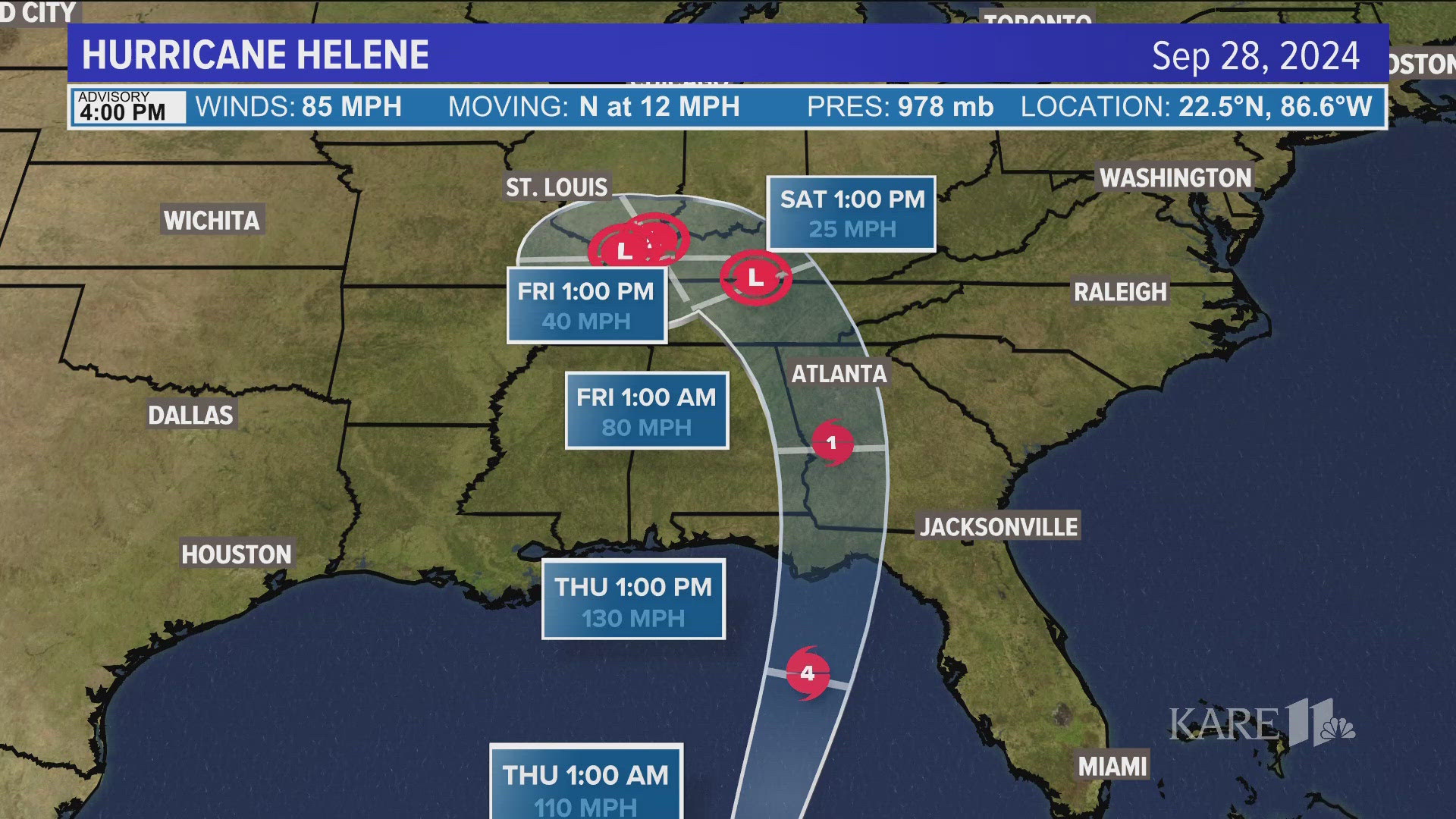
Forecasting the precise path of a hurricane is a challenging endeavor. Meteorologists utilize sophisticated computer models that analyze vast amounts of data, including sea surface temperatures, atmospheric pressure, wind patterns, and the presence of steering currents. These models provide a range of potential tracks, and the consensus among them helps in defining the cone of uncertainty.
For Orlando, its inland location, situated in the central part of Florida, offers a degree of protection from direct coastal impacts like storm surge. However, this does not render it immune to the effects of a hurricane. Hurricanes that make landfall on either the east or west coast of Florida can still bring significant hazards to inland areas.
Assessing Intensity and Wind Fields
The intensity of Hurricane Helene, measured on the Saffir-Simpson Hurricane Wind Scale, dictates the severity of its destructive potential. Higher category storms possess stronger sustained winds and can produce more significant damage. Even as a hurricane weakens over land, it can still maintain tropical storm-force winds, which are capable of causing widespread power outages, downing trees, and damaging structures.
The wind field of a hurricane is also important. Larger storms have broader areas of damaging winds, extending far beyond the immediate eyewall. This means that even if Hurricane Helene‘s center tracks at a considerable distance from Orlando, strong winds and heavy rainfall can still be experienced across the metropolitan area.
Potential Impacts on Orlando
The specific impacts on Orlando depend on the storm’s proximity and intensity at the time it affects the region.
- Wind: Tropical storm-force winds (39-73 mph) are a significant possibility, even if the hurricane makes landfall elsewhere on the peninsula. These winds can lead to downed trees, power lines, and damage to less sturdy structures. Hurricane-force winds (74 mph or higher) would be a more severe threat, though less likely for an inland city unless the storm maintains exceptional strength and proximity.
- Rainfall: Hurricanes are prodigious rain producers. Orlando can expect significant rainfall from Hurricane Helene, potentially leading to flash flooding, especially in low-lying areas and areas with poor drainage. Urban areas can exacerbate flooding issues due to the prevalence of impervious surfaces.
- Tornadoes: Inland areas are also susceptible to the formation of tornadoes embedded within the outer rain bands of a hurricane. While typically weaker than those spawned by supercell thunderstorms, hurricane-spawned tornadoes can still cause localized but significant damage.
- Inland Flooding: Beyond flash flooding, prolonged heavy rainfall can lead to riverine flooding and widespread inundation of neighborhoods and roadways, impacting transportation and essential services.
Navigating Travel and Tourism During Hurricane Season
For those planning a visit to Orlando, particularly during the peak of hurricane season (typically August through October), understanding how to prepare for potential disruptions is paramount. The city is a global epicenter for theme parks and family entertainment, drawing millions of visitors annually. When a hurricane threatens, the well-being of these visitors, alongside local residents, becomes a top priority.
Theme Park Operations and Cancellations
Major theme parks in Orlando, such as Walt Disney World Resort and Universal Orlando Resort, have robust hurricane preparedness plans. These plans often involve:
- Closures: In anticipation of severe weather, parks may announce voluntary or mandatory closures. This decision is usually made well in advance, based on official hurricane warnings and projections.
- Guest Notifications: Park operators will communicate extensively with guests through their websites, social media channels, and direct communications for those with reservations.
- Refund and Rebooking Policies: Most parks and resorts offer flexible policies regarding cancellations and rebookings due to hurricanes, often waiving change fees.
- Shelter-in-Place: For guests already within the resorts, accommodations are typically well-equipped to serve as safe shelters if necessary, with provisions for food and water.
It is imperative for travelers to stay informed through official park communications and local news outlets. Flexibility in travel dates or itineraries is highly recommended during hurricane season.
Accommodation Preparedness
Hotels, resorts, and vacation rental properties across Orlando also adhere to stringent safety protocols.
- Hurricane Clauses: Many lodging establishments have specific hurricane clauses in their booking terms, outlining procedures for cancellations, refunds, and guest safety during storms.
- Emergency Supplies: Hotels typically stock up on emergency supplies, including non-perishable food, water, batteries, and first-aid kits, to ensure guest comfort and safety if evacuations are not feasible or recommended.
- Evacuation Orders: In the event of mandatory evacuation orders from local authorities, hotels will assist guests in complying with these directives, often coordinating transportation or providing information on designated shelters.
Travelers should familiarize themselves with the specific hurricane policies of their chosen accommodation provider before booking. This proactive step can alleviate considerable stress should a storm disrupt travel plans.
Local Activities and Transportation

Beyond the theme parks, Orlando offers a wide array of other attractions and activities, from dining and shopping to nature excursions.
- Attraction Status: Museums, dinner shows, shopping malls like the Mall at Millenia, and other entertainment venues will follow similar preparedness protocols to the theme parks. Visitors should check individual venue websites for updates on operating status.
- Transportation Disruptions: Airports, including Orlando International Airport (MCO), may experience flight cancellations and delays as a hurricane approaches. Roadways can also be affected by flooding and debris, impacting car rentals and local transit. Commuters should monitor traffic advisories and public transportation updates.
- Emergency Services: It is crucial to be aware of emergency service statuses and to heed any advisories or orders issued by local emergency management agencies.
Community Response and Safety Measures
The impact of a hurricane on Orlando extends beyond tourism and travel. It affects the entire community, necessitating a coordinated response from local government, emergency services, and residents.
Evacuation Zones and Advisories
When a hurricane poses a significant threat, local authorities may issue evacuation orders for specific areas, particularly those in low-lying regions or coastal communities if Orlando is impacted by a storm that has made landfall nearby. Understanding whether one’s location falls within an evacuation zone is critical.
- Official Channels: Evacuation orders and other safety information will be disseminated through official channels such as local news broadcasts, emergency management websites, and public alert systems.
- Shelter Information: Designated public shelters are established for residents who are unable or unwilling to evacuate to a safer location outside the threatened area.
Utility Disruptions and Recovery
Hurricanes can cause widespread power outages due to high winds damaging power lines and substations.
- Power Outages: Utility companies like Duke Energy Florida work diligently to restore power as quickly and safely as possible after a storm. However, in severe cases, outages can last for days or even weeks. Residents and visitors should have emergency kits prepared, including flashlights, extra batteries, and non-perishable food that does not require cooking.
- Water and Sanitation: In some instances, water and sewer systems can be compromised by flooding or power failures.
Preparedness for Residents
For Orlando residents, hurricane preparedness is an ongoing necessity. This includes:
- Developing a Family Emergency Plan: This plan should outline communication strategies, meeting points, and evacuation routes.
- Assembling an Emergency Supply Kit: This kit should contain enough food, water, medications, and other essential supplies to last for at least 72 hours.
- Securing Homes: Reinforcing windows and doors, trimming trees, and securing outdoor items can mitigate potential damage.
- Staying Informed: Continuously monitoring weather updates from official sources is vital.
Long-Term Considerations for Orlando’s Resilience
The cyclical nature of hurricane seasons underscores the importance of building and maintaining resilience in communities like Orlando. As climate patterns evolve, understanding and adapting to potential future threats is a continuous process.
Infrastructure Improvements
Investment in infrastructure plays a crucial role in mitigating the impact of extreme weather events. This can include:
- Stormwater Management: Enhancing drainage systems to cope with increased rainfall intensity.
- Grid Hardening: Strengthening the electrical grid to withstand higher winds and reduce the frequency and duration of power outages.
- Building Codes: Adhering to and updating stringent building codes that require structures to withstand hurricane-force winds and heavy precipitation.
Economic Impact and Recovery
The economic repercussions of a significant hurricane event on a major tourist destination like Orlando can be substantial.
- Tourism Downturn: Extended closures of attractions and reduced visitor numbers can lead to significant revenue losses for businesses across the hospitality, retail, and entertainment sectors.
- Insurance Claims: Widespread property damage results in a surge of insurance claims, impacting both individuals and the insurance industry.
- Recovery Efforts: Post-storm recovery involves not only physical rebuilding but also economic revitalization and community support to help affected businesses and residents rebound.
Climate Change and Future Preparedness
The scientific consensus suggests that climate change may be influencing the intensity and frequency of tropical cyclones. This necessitates a forward-looking approach to hurricane preparedness.
- Adaptive Strategies: Developing adaptive strategies that account for potential shifts in storm patterns and intensity is crucial for long-term resilience.
- Community Education: Continuous community education and outreach programs on hurricane preparedness can foster a culture of safety and preparedness.
In conclusion, while the direct impact of Hurricane Helene on Orlando remains subject to the evolving nature of tropical weather systems, understanding the potential threats—wind, rain, flooding, and tornadoes—is essential for both visitors and residents. By staying informed, adhering to official guidance, and implementing robust preparedness measures, Orlando can navigate the challenges posed by hurricane season and continue to offer its unique blend of attractions and experiences to the world.
LifeOutOfTheBox is a participant in the Amazon Services LLC Associates Program, an affiliate advertising program designed to provide a means for sites to earn advertising fees by advertising and linking to Amazon.com. Amazon, the Amazon logo, AmazonSupply, and the AmazonSupply logo are trademarks of Amazon.com, Inc. or its affiliates. As an Amazon Associate we earn affiliate commissions from qualifying purchases.