
Oklahoma, a state often visualized through the lens of its wide-open prairies and amber waves of grain, presents a far more diverse and dynamic landscape than its popular imagery might suggest. From the rugged terrain of the panhandle to the lush, rolling hills of the Ozarks, and from bustling urban centers to tranquil lakeside retreats, Oklahoma offers a multifaceted visual experience that is rich in natural beauty, historical significance, and cultural vibrancy. Understanding what Oklahoma looks like is to peel back the layers of stereotype and discover a state characterized by its resilience, its evolving identity, and its enduring connection to the land.
Diverse Geographic Tapestry
Oklahoma’s topography is a fascinating study in contrasts, shaped by ancient geological forces and the passage of time. The state is broadly divided into distinct physiographic regions, each contributing its unique character to the overall visual narrative.
The Plains and Prairies
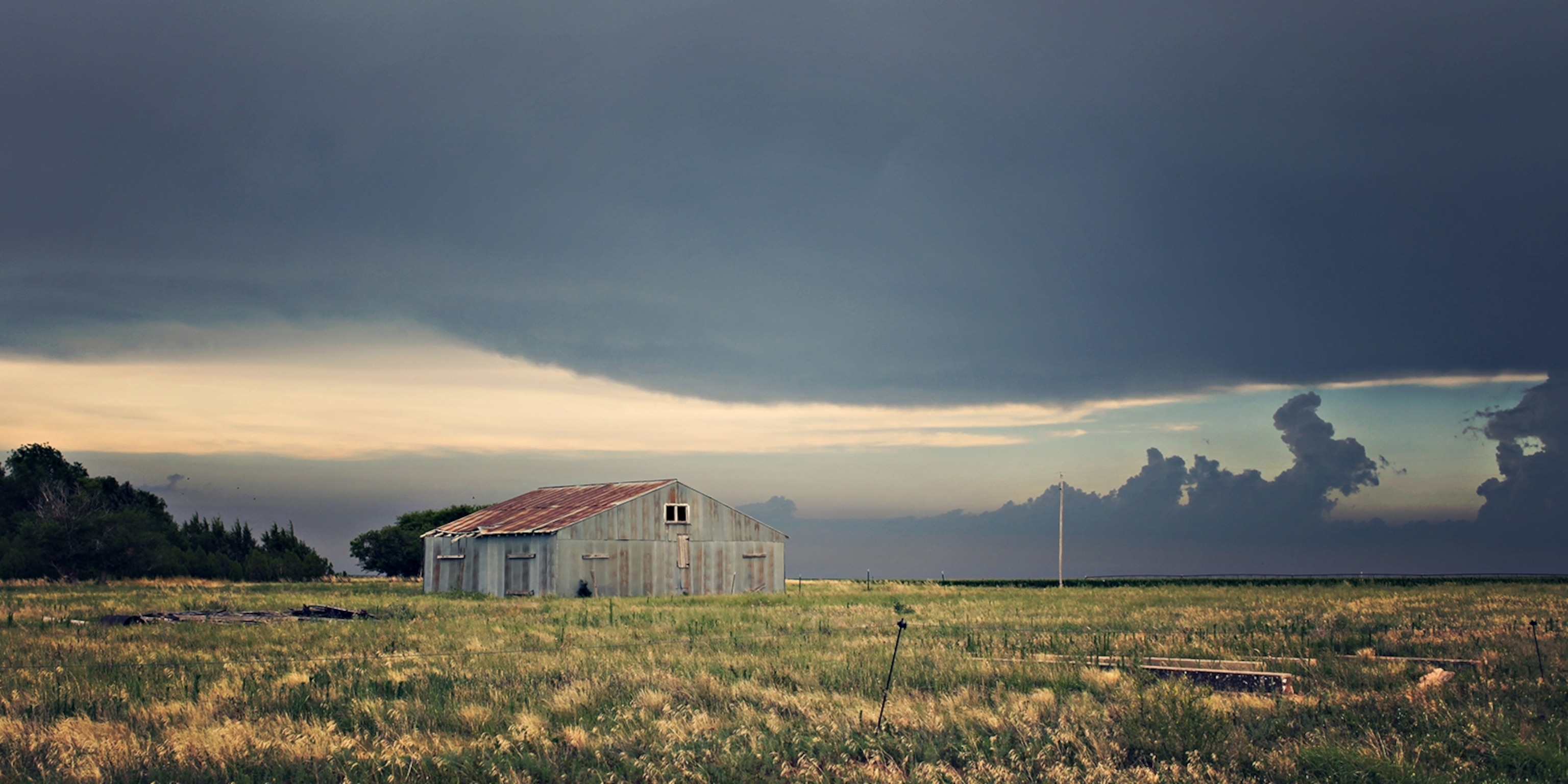
The quintessential image of Oklahoma is undoubtedly its vast plains and rolling prairies, particularly prevalent in the western and central parts of the state. These expansive landscapes are characterized by endless horizons, dotted with grasses that turn golden in the late summer sun and shimmer with a vibrant green in the spring. This is the domain of cattle ranches, where fences stretch for miles, and the sky feels immense, offering dramatic displays of sunrises and sunsets. The wind is a constant presence, sculpting the land and influencing the very rhythm of life. Iconic features include mesas and buttes, remnants of ancient geological formations that stand as solitary sentinels against the sky, particularly in the Oklahoma Panhandle. The Tallgrass Prairie Preserve near Pawhuska offers a glimpse into this historical ecosystem, where bison roam freely, evoking a sense of untamed America.
The Ouachita Mountains and Arbuckle Uplift
In stark contrast to the western plains, southeastern Oklahoma is dominated by the rugged beauty of the Ouachita Mountains. This region is characterized by heavily forested peaks, deep valleys, and clear, flowing rivers and streams. Unlike many mountain ranges formed by tectonic collision, the Ouachitas are an ancient fold-and-thrust belt, creating a landscape of dramatic elevation changes and verdant wilderness. Hiking trails wind through dense forests of oak, hickory, and pine, leading to breathtaking overlooks and hidden waterfalls. Broken Bow Lake, with its crystal-clear waters and surrounding pine-covered hills, is a prime example of the scenic splendor found here, offering a picturesque setting for outdoor recreation. To the south, the Arbuckle Mountains, though smaller, offer a unique geological spectacle with their ancient rock formations and the famous Turner Falls Park.
Lakes and Rivers
Water is a defining element of Oklahoma’s landscape, with an abundance of lakes and rivers that dot the state. Created primarily through extensive dam construction for flood control and water supply, these bodies of water have transformed the state’s appearance, offering recreational havens and unique ecological niches. From the sprawling Grand Lake O’ the Cherokees in the northeast, with its numerous coves and islands, to the vast Lake Texoma on the Texas border, these lakes provide opportunities for boating, swimming, fishing, and lakeside living. The Arkansas River, flowing across the state, is also a significant waterway, supporting ecosystems and providing a scenic backdrop to many communities.
Urban Vibrancy and Architectural Evolution
Beyond its natural landscapes, Oklahoma’s urban centers offer a dynamic visual experience, showcasing a blend of historical architecture, modern development, and a growing artistic spirit.

Oklahoma City: A City Transformed
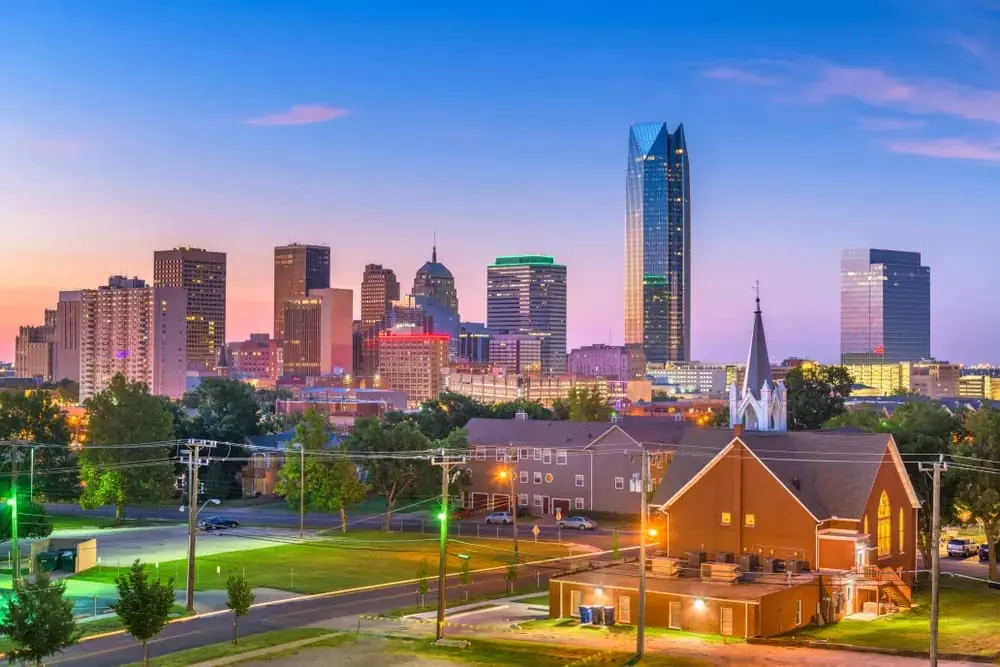
Oklahoma City, the state capital, presents a compelling picture of urban renewal and growth. The skyline, once dominated by older, more utilitarian buildings, has been dramatically reshaped in recent decades by ambitious development projects. The Bricktown Entertainment District, with its revitalized canal, trendy restaurants, and entertainment venues housed in former warehouses, is a vibrant hub. The Myriad Botanical Gardens and its iconic Crystal Bridge Conservatory offer a green oasis in the heart of the city. Architectural landmarks like the Skirvin Hilton Oklahoma City, a historic hotel, stand alongside contemporary structures such as the Devon Energy Center, one of the tallest buildings in the state. The Oklahoma City National Memorial & Museum, a poignant tribute to the victims of the 1995 bombing, is a powerful and somber landmark.
Tulsa: Art Deco and Cultural Richness
Tulsa, located in northeastern Oklahoma, is renowned for its rich Art Deco architectural heritage. Driving through downtown Tulsa is like stepping back in time, with an impressive concentration of buildings from the 1920s and 1930s, characterized by their geometric patterns, ornate detailing, and glamorous facades. The Philtower Building, the Atlas Life Building, and the Boston Avenue Methodist Church are prime examples of this architectural style. Beyond its historic downtown, Tulsa boasts a thriving arts scene, evident in the Philbrook Museum of Art, a stunning Italian Renaissance villa housing an impressive collection, and the Gilcrease Museum, dedicated to the art and history of the American West. The Blue Dome District and the Brady Arts District (now Tulsa Arts District) showcase the city’s modern cultural pulse with galleries, performance spaces, and vibrant nightlife.
The Human Element: Culture and Community
The visual essence of Oklahoma is not solely defined by its landscapes or buildings, but also by the people who inhabit it and the cultural threads that weave through its communities.
Rural Charm and Small-Town Life
The visual narrative of Oklahoma is incomplete without acknowledging its numerous small towns and rural communities. These places often exude a sense of timelessness, with classic Main Street architectures, local diners, and community gathering spots. The pace of life is generally slower, reflecting a deep connection to the land and to neighboring residents. Churches, with their steeples reaching towards the sky, are often central landmarks. Local festivals, rodeos, and farmers’ markets provide vibrant glimpses into the cultural heart of these communities, showcasing local crafts, agricultural bounty, and a spirit of neighborly camaraderie.
Indigenous Heritage
Oklahoma has a profound connection to its Indigenous heritage, with a significant portion of the state’s population belonging to federally recognized tribes. This heritage is visually expressed through art, cultural centers, and historical sites scattered across the state. The Five Civilized Tribes Museum in Okmulgee offers insight into the history and culture of the Cherokee, Chickasaw, Choctaw, Creek, and Seminole nations. Powwows, with their colorful regalia and intricate dances, are a powerful visual testament to living Indigenous traditions. The landscapes themselves often hold sacred significance for Native peoples, with ancient trails, burial grounds, and natural formations interwoven into their historical narratives.
The Influence of Oil and Agriculture
Two industries have profoundly shaped Oklahoma’s visual identity: agriculture and oil. The vast fields of wheat, corn, and cotton are a constant reminder of the state’s agricultural roots, especially in the western and southern regions. The iconic grain elevators, standing tall against the prairie sky, are an enduring symbol of this industry. Simultaneously, the landscape is punctuated by the derricks and pumping units of the oil industry, particularly in areas known for their petroleum reserves. These industrial elements, while sometimes stark, are an integral part of Oklahoma’s economic and visual history, reflecting the state’s resourcefulness and its entrepreneurial spirit.
In essence, what Oklahoma looks like is a rich and complex mosaic. It is the sweeping vistas of the prairie, the dramatic peaks of the Ouachitas, the shimmering surfaces of its countless lakes, the elegant geometry of Art Deco in Tulsa, and the determined urban renewal of Oklahoma City. It is also the quiet charm of its small towns, the enduring strength of its Indigenous cultures, and the visual testament to the industries that have fueled its growth. To truly understand Oklahoma’s appearance is to embrace its diversity, to look beyond preconceptions, and to discover a state that is continually evolving while remaining deeply connected to its roots.
LifeOutOfTheBox is a participant in the Amazon Services LLC Associates Program, an affiliate advertising program designed to provide a means for sites to earn advertising fees by advertising and linking to Amazon.com. Amazon, the Amazon logo, AmazonSupply, and the AmazonSupply logo are trademarks of Amazon.com, Inc. or its affiliates. As an Amazon Associate we earn affiliate commissions from qualifying purchases.