
As the gateway to the magic of Central Florida, Orlando International Airport (MCO) is a vital hub for millions of travelers each year. Whether you’re arriving for a thrilling theme park adventure, a relaxing beach getaway, or a business engagement, understanding the operational status and services of MCO is crucial for a seamless travel experience. This guide delves into the current operational landscape of Orlando International Airport, addressing common concerns and providing insights into what travelers can expect.
Navigating Orlando International Airport: An Overview
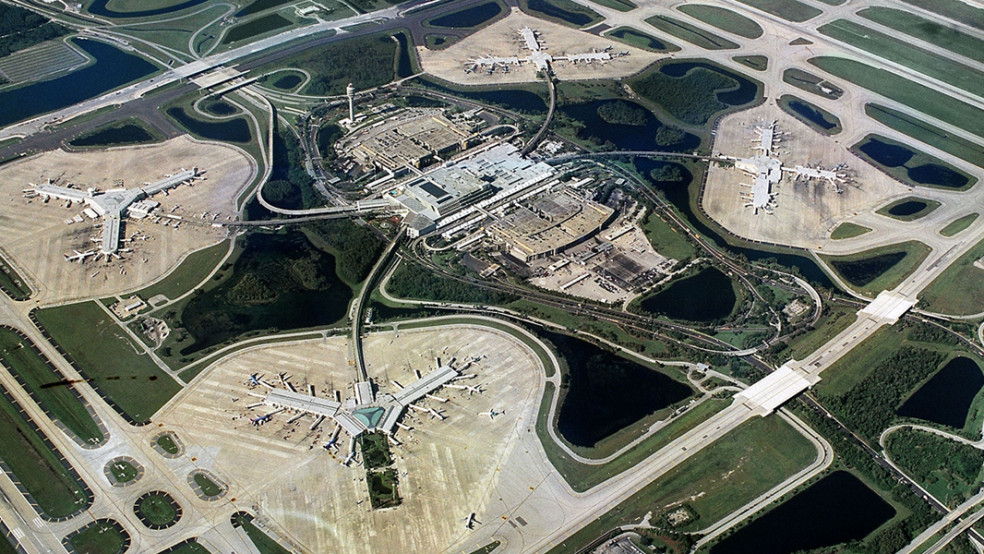
Orlando International Airport is one of the busiest airports in the world, consistently ranking among the top airports for passenger traffic in the United States. Its expansive facilities, spread across two main terminals—the North Terminal and the South Terminal—handle a vast number of domestic and international flights daily. The airport is a major operational base for numerous airlines, including Southwest Airlines, Delta Air Lines, and Spirit Airlines, among many others.
Terminal Operations and Airline Assignments
The operational status of an airport can fluctuate due to various factors, including weather, air traffic control, and airline scheduling. Generally, Orlando International Airport operates at near-full capacity throughout the year, especially during peak travel seasons.
North Terminal (Airside 1 & 4): This terminal primarily serves airlines such as Delta Air Lines, United Airlines, and some international carriers. It offers a wide array of amenities, including retail shops, dining options, and lounges.
South Terminal (Airside 2 & 3): The South Terminal is a hub for airlines like American Airlines, JetBlue Airways, and Spirit Airlines. It is known for its modern design and extensive passenger services.
To determine the precise operational status of specific flights, it is always recommended to check directly with your airline or utilize real-time flight tracking services. The airport’s official website also provides up-to-date information on flight statuses and operational alerts.
Transportation to and from MCO
Efficient transportation is a hallmark of a well-operating airport. Orlando International Airport offers a comprehensive network of ground transportation options to connect travelers with the attractions and accommodations in the greater Orlando area.
Rental Cars: Numerous car rental agencies operate on-site, providing a convenient option for independent travel. The consolidated rental car facility is easily accessible via shuttle services from both terminals.
Ride-Sharing Services: Uber and Lyft are readily available, with designated pick-up zones outside the baggage claim areas.
Taxis: A fleet of licensed taxis is available for hire 24/7, offering a direct route to your destination.
Public Transportation: The Lynx Bus System provides affordable public transit options connecting MCO to various parts of Orange County and beyond. For those heading to the theme park areas, specific routes are designed to serve visitors.
Airport Shuttles: Many hotels and resorts offer complimentary shuttle services for their guests, which can be arranged in advance or upon arrival.
Brightline: A significant recent development is the integration of Brightline, Florida’s intercity passenger rail service, directly at MCO. This provides a high-speed, sustainable, and convenient link to Miami, Fort Lauderdale, and West Palm Beach, revolutionizing travel for those looking to explore beyond Orlando.
Ensuring a Smooth Travel Experience at MCO
The operational efficiency of Orlando International Airport directly impacts the travel experience. While the airport consistently strives for peak performance, proactive planning by travelers can mitigate potential disruptions.
Pre-Travel Preparations
- Check Flight Status: Before heading to the airport, confirm your flight’s status directly with your airline. Delays or cancellations can often be communicated in advance.
- Arrive Early: For domestic flights, it’s recommended to arrive at least two hours before departure. For international flights, three hours is advisable. This buffer accounts for potential queues at check-in, security, and your gate.
- Pack Smart: Ensure your carry-on and checked baggage comply with airline regulations. Familiarize yourself with the TSA’s prohibited items list to avoid delays at security checkpoints.
- Download Airline and Airport Apps: Many airlines offer apps that provide real-time flight updates, mobile boarding passes, and airport maps. The MCO airport app can also be a valuable resource for navigation and information.
Navigating Security and Check-in
Orlando International Airport utilizes advanced security screening technologies. Travelers can significantly expedite the process by:
- Utilizing TSA PreCheck or Global Entry: These expedited screening programs allow eligible travelers to move through security with less hassle.
- Being Prepared: Have your boarding pass and identification ready. Remove laptops and large electronics from your bag, and ensure liquids are in a clear, quart-sized bag.
- Understanding the Re-screening Process: If you are selected for additional screening, remain calm and cooperative. Airport personnel are trained to assist you.
Leveraging Airport Amenities
Even during peak times, MCO offers a wealth of amenities to enhance the passenger experience:
- Dining and Shopping: From quick snacks to gourmet meals, and from essential travel items to souvenirs, the airport boasts a diverse selection of dining and retail outlets.
- Lounges: For those seeking a more comfortable and quiet environment, various airline and independent lounges are available, offering amenities like Wi-Fi, complimentary refreshments, and business facilities.
- Charging Stations and Wi-Fi: Staying connected is easy with ample charging stations and complimentary Wi-Fi throughout the terminals.
Impact of External Factors on Airport Operations
While MCO is designed for high-volume operations, certain external factors can influence its day-to-day functioning.
Weather Events
Florida is susceptible to a variety of weather phenomena, including thunderstorms, hurricanes, and tropical storms. During severe weather, flight operations can be impacted, leading to delays or cancellations. The airport authority and airlines work closely to manage these situations, prioritizing safety above all else. Travelers are advised to monitor weather forecasts and follow airline advisories during such periods.
Air Traffic Control
The Federal Aviation Administration (FAA) manages air traffic control for the United States, including the airspace around MCO. Air traffic control initiatives, such as capacity constraints due to weather or volume, can affect flight schedules. MCO’s strategic location and advanced air traffic management systems aim to minimize these impacts.
Special Events and Peak Seasons
Orlando is a major global destination, attracting millions of visitors for holidays, theme park events, and conventions. During peak travel periods, such as Thanksgiving, Christmas, spring break, and summer vacations, passenger volume at MCO significantly increases. While the airport infrastructure is robust, increased passenger flow can lead to longer wait times at various points. Advance planning and flexibility are key during these high-demand periods.
Future Developments and Enhancements
Orlando International Airport is committed to continuous improvement and expansion to meet the growing demands of the travel industry and enhance the passenger experience.
Terminal C and Beyond
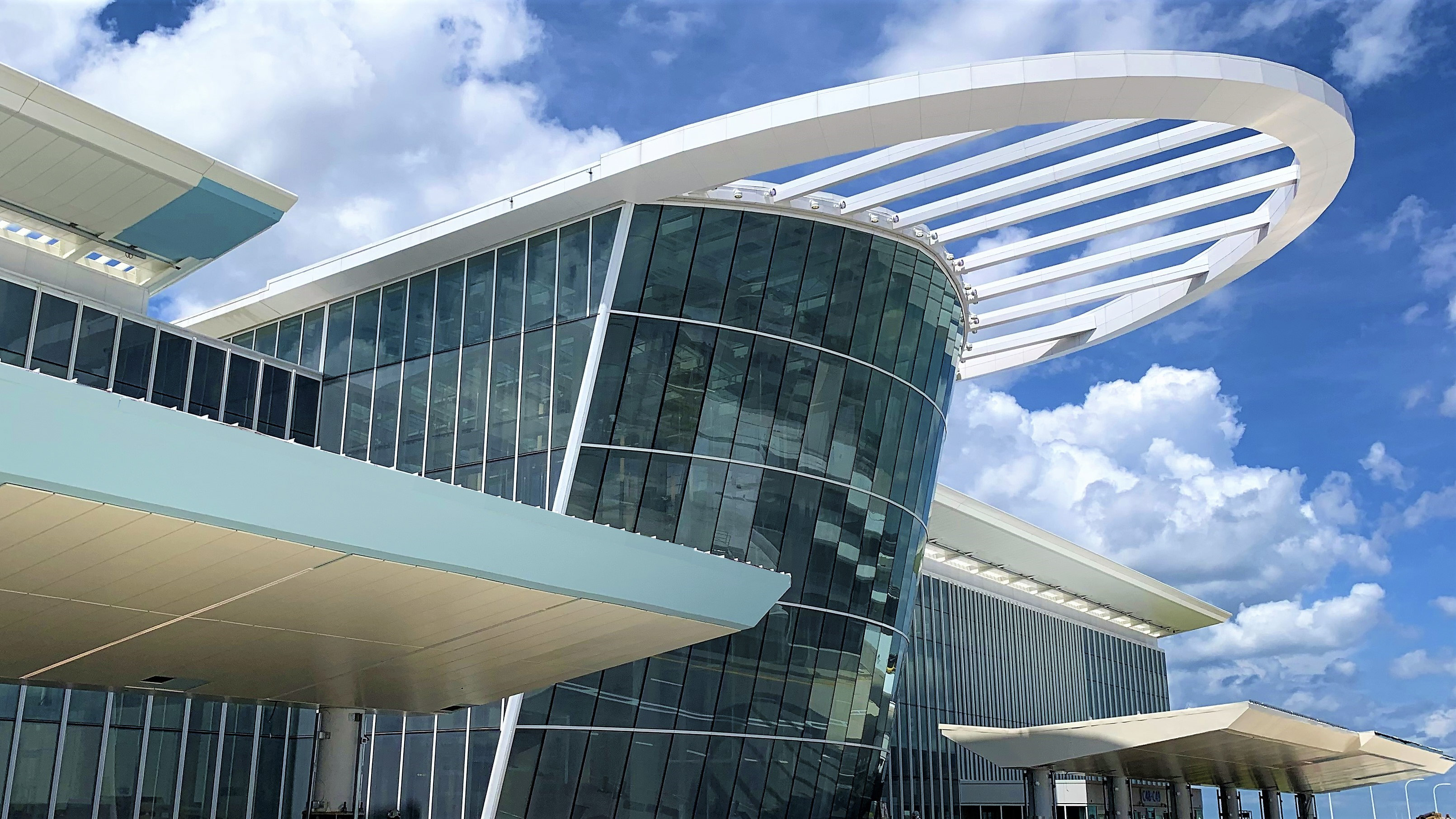
The recent opening of the new South Terminal Complex (Terminal C) represents a significant leap forward in MCO’s operational capacity and passenger amenities. This state-of-the-art facility offers a more streamlined check-in and security process, advanced technology, and a broader range of dining and retail options. Terminal C is designed to accommodate larger aircraft and further integrate with the airport’s transportation network.
Technology Integration
MCO is at the forefront of adopting new technologies to improve efficiency and passenger convenience. This includes enhanced biometric screening capabilities, smart signage, and improved digital wayfinding. The focus is on creating a seamless and intuitive travel journey from arrival to departure.

Sustainability Initiatives
Recognizing the importance of environmental stewardship, MCO is actively pursuing sustainability initiatives. These include investments in renewable energy, waste reduction programs, and the promotion of sustainable transportation options like Brightline. These efforts contribute to the airport’s long-term operational viability and its role as a responsible global hub.
In conclusion, Orlando International Airport is consistently operating and is a highly functional and dynamic travel hub. While operational status is generally excellent, being informed and prepared is the traveler’s best strategy for a stress-free journey to and from the magic of Orlando. Whether you are visiting iconic theme parks like Walt Disney World Resort or Universal Orlando Resort, or exploring other attractions in the region, MCO stands ready to welcome you.
LifeOutOfTheBox is a participant in the Amazon Services LLC Associates Program, an affiliate advertising program designed to provide a means for sites to earn advertising fees by advertising and linking to Amazon.com. Amazon, the Amazon logo, AmazonSupply, and the AmazonSupply logo are trademarks of Amazon.com, Inc. or its affiliates. As an Amazon Associate we earn affiliate commissions from qualifying purchases.