
The allure of Dallas, Texas extends far beyond its dynamic skyline and burgeoning culinary scene. For the traveler, understanding the prevailing weather conditions in this vibrant Texan metropolis is a fundamental aspect of planning a successful and enjoyable visit. Whether you’re considering a weekend getaway to explore its world-class museums, a business trip that necessitates comfortable attire, or a family adventure to its numerous attractions, the current temperature in Dallas serves as a crucial barometer for your packing and itinerary decisions. This comprehensive guide delves into the intricacies of Dallas’s climate, offering insights that empower you to make the most of your journey, regardless of the season.
Navigating Dallas’s Climate: A Seasonal Overview
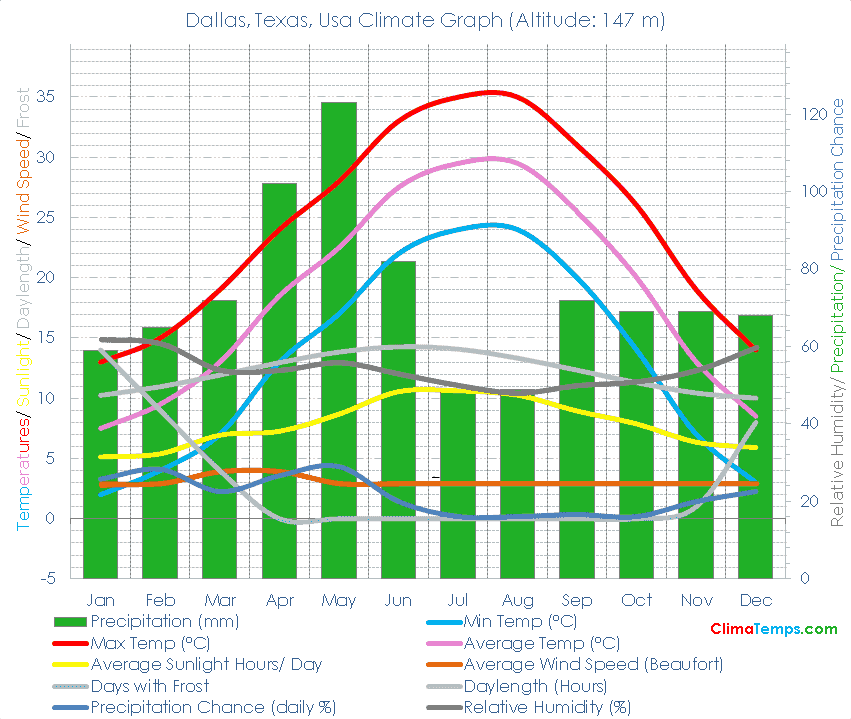
Dallas experiences a humid subtropical climate, characterized by distinct seasons, each with its own unique weather patterns. Understanding these general trends, in conjunction with the immediate temperature reading, will provide a holistic view of what to expect during your visit.
Spring: A Gentle Awakening (March – May)
Spring in Dallas marks a welcome transition from the cooler winter months. The air begins to warm, and the city bursts into bloom. Temperatures during this period are generally mild and pleasant, making it an ideal time for outdoor exploration.
- March: While early March can still carry a hint of winter’s chill, average daily temperatures begin to climb into the comfortable 60s Fahrenheit (around 15-20°C). Expect occasional cooler days and the possibility of spring showers.
- April: This month typically offers some of the most agreeable weather. Daytime highs frequently reach into the 70s Fahrenheit (21-26°C), with evenings remaining relatively mild. It’s a prime time for outdoor festivals and visiting attractions like the Dallas Arboretum and Botanical Garden.
- May: As summer approaches, temperatures in May steadily increase, often hitting the 80s Fahrenheit (27-32°C). Humidity also begins to rise, and while still generally pleasant, it can feel warmer. Thunderstorms are more common during this month.
Travelers visiting in spring should pack layers, including light jackets or sweaters for cooler mornings and evenings, alongside t-shirts and comfortable walking shoes. An umbrella is also a wise inclusion.
Summer: The Intensity of the Sun (June – August)
Summers in Dallas are synonymous with heat and humidity. The sun reigns supreme, and temperatures frequently soar, making air-conditioned indoor attractions and early morning or late evening outdoor activities highly recommended.
- June: The summer heat officially arrives, with average daily temperatures quickly settling into the high 80s and low 90s Fahrenheit (30-35°C). Humidity levels are significant, making the “feels like” temperature often higher than the actual reading.
- July & August: These are typically the hottest months. Daytime highs consistently reach into the mid-90s Fahrenheit (35-38°C), and it’s not uncommon for temperatures to climb into the triple digits. Heat advisories are frequent. Outdoor activities during the peak daylight hours can be challenging.
- Thunderstorms: While the sun dominates, summer is also prone to intense, albeit often brief, thunderstorms, sometimes accompanied by hail and strong winds.
For summer travel to Dallas, lightweight, breathable clothing is essential. Sunscreen, hats, and sunglasses are non-negotiable. Staying hydrated is paramount, and planning indoor activities like exploring the Perot Museum of Nature and Science or enjoying a show at the AT&T Performing Arts Center during the hottest parts of the day is a sensible strategy.
Autumn: A Return to Comfort (September – November)
As the calendar turns to September, Dallas begins to experience a welcome relief from the summer’s intensity. Autumn offers a delightful period of cooling temperatures and reduced humidity, often considered one of the best times to visit.
- September: While still warm, September sees a gradual decline in temperatures from the August highs. Daytime averages hover in the low 80s Fahrenheit (27-32°C), but the oppressive humidity of summer starts to dissipate.
- October: This month often presents near-perfect weather. Crisp mornings give way to comfortably warm afternoons, with average highs in the mid-70s Fahrenheit (21-26°C). It’s an excellent time for exploring the city’s many neighborhoods, from the historic Deep Ellum to the upscale Highland Park.
- November: Temperatures continue to cool, with average highs settling into the 60s Fahrenheit (15-20°C). Evenings can become quite cool, requiring warmer outerwear. The fall foliage, while not as dramatic as in some other regions, adds a pleasant visual touch to the landscape.
Autumn travelers can pack a versatile wardrobe, including light sweaters, long-sleeved shirts, and perhaps a light jacket. Jeans and comfortable walking shoes are ideal for extended sightseeing.
Winter: Mild but Variable (December – February)
Dallas winters are generally mild compared to many other parts of the United States. Freezing temperatures are not the norm, but the season can bring periods of cooler weather, and occasionally, a cold snap.
- December: Early December can be quite pleasant, but as the month progresses, average daily temperatures typically range from the high 40s to the mid-50s Fahrenheit (8-15°C). Frost is common overnight.
- January & February: These are usually the coldest months. Daytime highs average in the 50s Fahrenheit (10-15°C), with overnight lows often dipping into the 30s Fahrenheit (0-5°C). Snowfall is rare, but ice storms can occur, causing disruptions.
- Occasional Warm Spells: It’s not unusual for winter to experience brief periods of unseasonably warm weather, with temperatures climbing into the 60s or even 70s Fahrenheit (15-26°C).
For winter travel, layering is key. Pack sweaters, long-sleeved shirts, a heavier coat or jacket, and perhaps a scarf and gloves for cooler days and evenings. Comfortable, closed-toe shoes are a must.

Real-Time Temperature and Its Significance for Your Trip
While understanding seasonal trends is invaluable, the most immediate concern for a traveler is the current temperature in Dallas, Texas. This single metric profoundly influences immediate decisions:
Packing Essentials
The current temperature directly dictates what you should pack. A quick check reveals whether you need a swimsuit for a dip in the hotel pool at The Adolphus, a light rain jacket for an unexpected shower, or a substantial winter coat for a crisp evening stroll through Klyde Warren Park. Packing appropriately ensures comfort and preparedness, allowing you to focus on enjoying your experience rather than battling the elements.
Activity Planning
Knowing the current temperature is crucial for planning your daily activities.
- High Temperatures: On very hot days, consider prioritizing indoor attractions such as the Dallas Museum of Art, the Sixth Floor Museum at Dealey Plaza, or enjoying a meal at one of the city’s renowned restaurants. Outdoor activities like exploring the Dallas World Aquarium or a visit to the Dallas Zoo might be best scheduled for early morning or late afternoon.
- Moderate Temperatures: On pleasant days, take full advantage of the weather. Walking tours, exploring neighborhoods like the Bishop Arts District, or attending outdoor events become highly enjoyable.
- Low Temperatures: Cooler days are perfect for indoor shopping at NorthPark Center, experiencing the vibrant nightlife, or enjoying the city’s rich cultural offerings without the discomfort of extreme heat or cold.
Transportation Choices
The current temperature can also subtly influence your transportation choices. On sweltering summer days, you might opt for ride-sharing services or the Dallas Area Rapid Transit (DART) light rail to minimize time spent walking outdoors. Conversely, on a crisp autumn day, a leisurely walk or bike ride might be more appealing.
Beyond the Thermometer: Factors Affecting Your Dallas Experience
While the numerical temperature is a key indicator, several other weather-related factors in Dallas can impact your visit:
Humidity
Dallas can experience significant humidity, particularly during the summer months. High humidity can make even moderately warm temperatures feel much hotter and more uncomfortable due to the reduced rate of sweat evaporation. Conversely, low humidity, often found in winter, can make cooler temperatures feel more biting.
Precipitation
The likelihood and intensity of rain or other precipitation are important considerations. Unexpected downpours can disrupt outdoor plans, while prolonged wet spells might necessitate a shift towards indoor activities. Checking the forecast for precipitation is as crucial as checking the temperature.
Wind
While not as dominant a factor as temperature or humidity, wind can influence how the temperature feels, particularly during cooler months. A brisk wind can make a 50°F (10°C) day feel considerably colder.
Sun Intensity
The intensity of the sun, especially during peak summer hours, is a significant factor in Dallas. Even if the temperature is manageable, direct sunlight can lead to sunburn and heat exhaustion if adequate precautions are not taken.
Conclusion: Stay Informed, Travel Prepared
The current temperature in Dallas, Texas is more than just a number; it’s a vital piece of information that empowers travelers to plan effectively, pack wisely, and ultimately, have a more comfortable and fulfilling experience. By understanding the city’s climate patterns and staying informed about real-time conditions, you can navigate Dallas with confidence, maximizing your enjoyment of its diverse attractions, from the historic Reunion Tower to its renowned culinary landscape and lively entertainment venues. A well-informed traveler is a happy traveler, and in Dallas, that knowledge begins with the temperature.
LifeOutOfTheBox is a participant in the Amazon Services LLC Associates Program, an affiliate advertising program designed to provide a means for sites to earn advertising fees by advertising and linking to Amazon.com. Amazon, the Amazon logo, AmazonSupply, and the AmazonSupply logo are trademarks of Amazon.com, Inc. or its affiliates. As an Amazon Associate we earn affiliate commissions from qualifying purchases.