
The question of whether Orlando is being evacuated is one that can cause considerable alarm, particularly for those planning a visit or with existing travel arrangements. While large-scale, city-wide mandatory evacuations are rare and typically reserved for imminent and severe threats like Category 5 hurricanes or catastrophic infrastructure failures, understanding the mechanisms and triggers for such an event is crucial for any traveler. This article delves into the factors that might lead to an evacuation scenario in Orlando, the entities responsible for such decisions, and what travelers should do if an evacuation order is issued or anticipated.
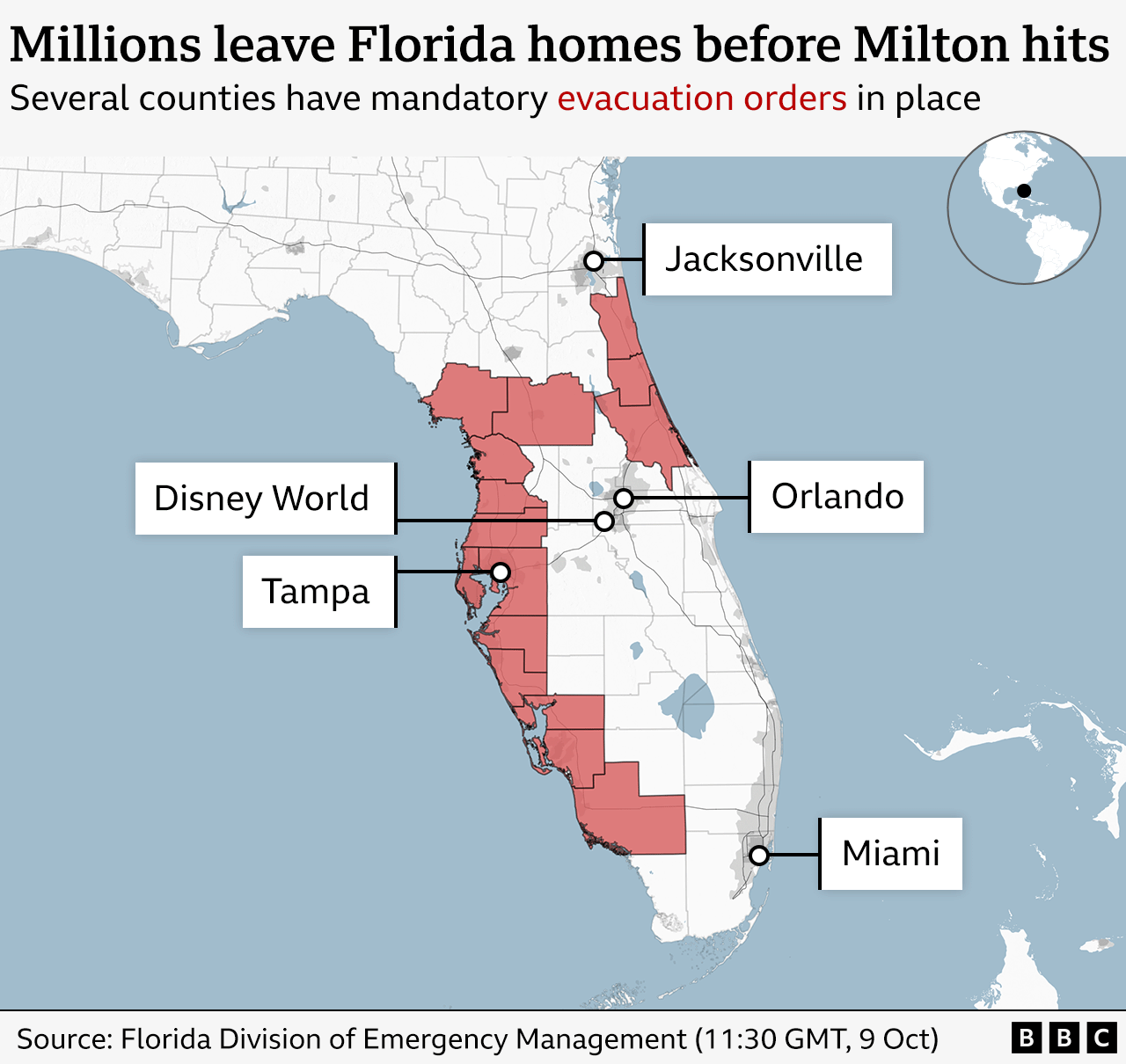
Understanding Evacuation Triggers and Authority
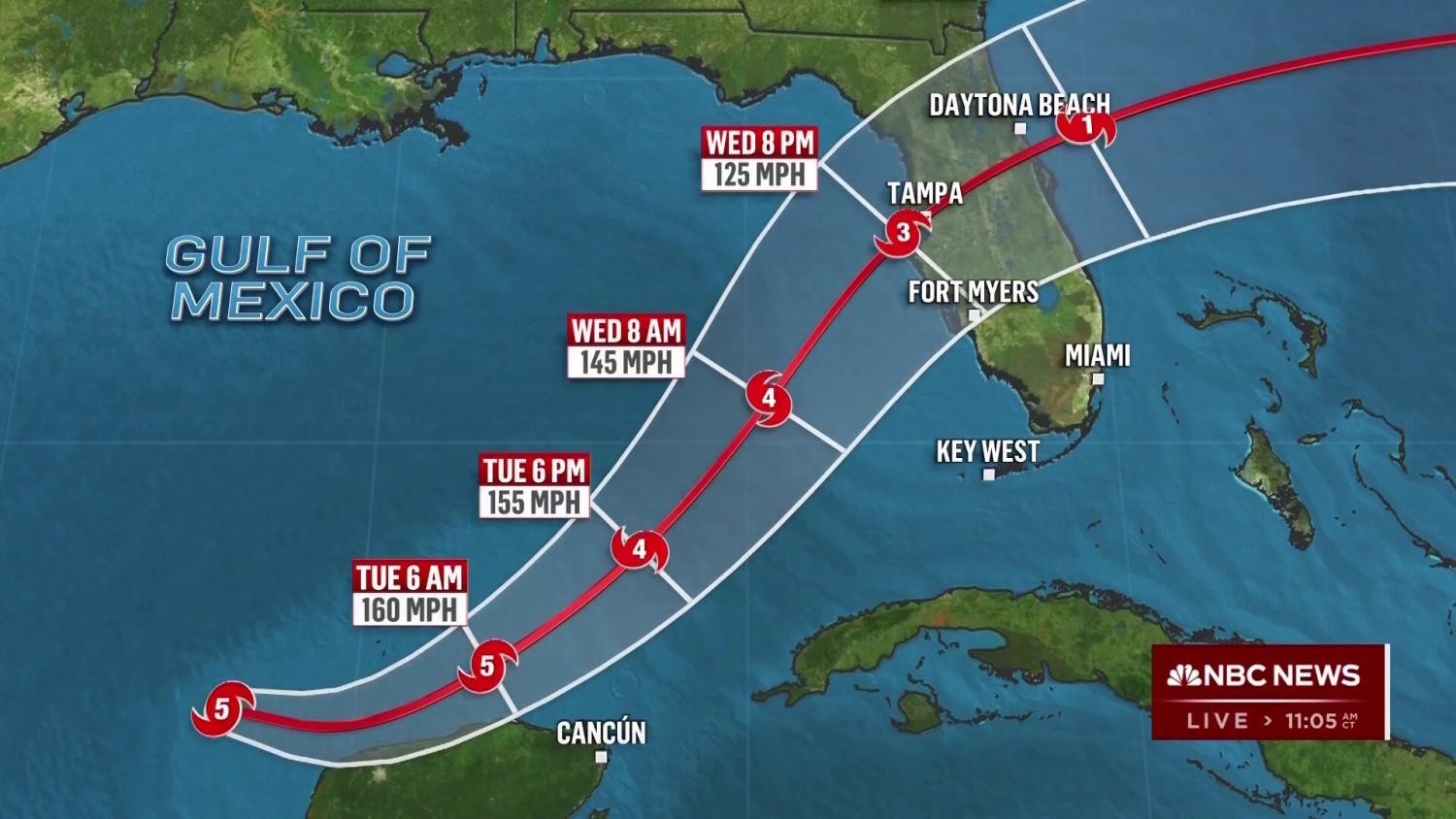
Evacuations in Orlando, like in most major tourist destinations, are primarily driven by public safety concerns. The most common and significant trigger is, without question, severe weather, particularly hurricanes. Florida‘s position on the Atlantic coast makes it a frequent target for tropical cyclones. When a hurricane poses a significant threat, local and state officials will closely monitor its track and intensity.
Weather-Related Evacuations
The decision to evacuate is a complex one, based on forecasts from agencies like the National Hurricane Center. Factors considered include:
- Storm Category and Intensity: Higher category storms with sustained winds exceeding certain thresholds, coupled with a projected path directly impacting populated areas, are key indicators.
- Storm Surge Potential: Coastal areas are particularly vulnerable to storm surge, a rise in sea level caused by the storm’s winds pushing water towards the shore. This is often the most life-threatening aspect of a hurricane and a primary driver for evacuation orders in low-lying and coastal zones.
- Inland Flooding Risk: Even storms that weaken before reaching the coast can bring torrential rainfall, leading to significant inland flooding. This can necessitate evacuations in areas prone to flash floods or riverine flooding.
- Wind Damage Potential: High winds can cause widespread structural damage, down power lines, and create flying debris, posing a direct threat to life and property.
When these factors suggest a significant and imminent threat to life and safety, evacuation orders may be issued. These orders are typically tiered, starting with designated “Zone A” residents in low-lying coastal areas and expanding as the storm threat increases. For a major city like Orlando, which is inland but can still experience severe wind and rain, an evacuation order would likely be a last resort, reserved for the most extreme circumstances.
Non-Weather Related Emergencies
While less common as triggers for city-wide evacuations, other emergencies could theoretically necessitate such action. These might include:
- Major Industrial Accidents: A catastrophic failure at a chemical plant or other industrial facility could release hazardous materials, requiring the evacuation of surrounding areas.
- Terrorist Threats or Attacks: In the event of a credible and severe terrorist threat, or following a major attack, authorities might order evacuations to ensure public safety and prevent further harm.
- Infrastructure Failure: A catastrophic failure of critical infrastructure, such as a dam breach or a major power grid collapse impacting essential services across a wide area, could also lead to evacuation considerations.
However, for a city of Orlando‘s size and its primary function as a tourist hub, these scenarios are significantly less probable as reasons for a full-scale evacuation compared to weather events.
The Authority Behind Evacuations
The authority to issue evacuation orders typically rests with local government officials, such as the Mayor or County Executive, in conjunction with state emergency management agencies. In Florida, the Florida Division of Emergency Management plays a crucial role in coordinating state-level responses and providing resources to local governments.
Local Government and Emergency Management
County Emergency Management agencies, like the Orange County Emergency Management, are responsible for developing and implementing emergency plans. They work closely with local law enforcement, fire departments, transportation authorities, and public works to manage the logistics of evacuations. This includes:
- Identifying Evacuation Zones: Pre-determined zones are established based on vulnerability to specific hazards like flooding or storm surge.
- Establishing Evacuation Routes: Designated routes are mapped out to facilitate the orderly movement of people away from danger zones.
- Opening Shelters: Public facilities like schools and community centers are designated as shelters for those who cannot evacuate to other locations or who do not have a safe place to go.
- Coordinating with Transportation: For individuals without personal transportation, arrangements may be made for public transportation to evacuation points or shelters.
State and Federal Support
While local governments lead evacuation efforts, the state and federal governments provide crucial support. The Governor of Florida can declare a state of emergency, which unlocks resources and facilitates the coordination of state agencies. Federal agencies, such as FEMA (Federal Emergency Management Agency), can provide financial assistance, logistical support, and coordinate federal resources in response to major disasters, including evacuations.
What Travelers Should Do
For visitors to Orlando, understanding potential evacuation scenarios is part of responsible travel planning. The key is to stay informed and to have a plan.
Monitoring Official Information
The most critical action for travelers is to monitor official information channels. This includes:
- Local News Outlets: Major television and radio stations in the Orlando area will provide continuous updates.
- Official Government Websites: Websites of Orange County, the City of Orlando, and the Florida Division of Emergency Management will have alerts and advisories.
- Social Media: Official government and emergency management social media accounts often provide real-time updates.
- Weather Apps and Services: Reputable weather forecasting services are essential for tracking potential threats.
Communicating with Accommodation Providers
If an evacuation order is issued or appears likely, communication with your accommodation provider is paramount.
- Hotels and Resorts: Major hotel chains and resorts, such as those found along International Drive or near the theme parks like Walt Disney World Resort and Universal Orlando Resort, have established emergency protocols. They will typically inform guests of any evacuation orders and provide guidance on procedures, including potential refunds or rebooking options. Many have on-site support staff trained to assist guests during emergencies.
- Vacation Rentals: If you are staying in a vacation rental, the property manager or owner should be your primary point of contact. Ensure you have their contact information readily available.
Pre-Planned Contingencies
Travelers should consider building contingencies into their travel plans, especially when visiting Florida during hurricane season (June 1 to November 30).
- Travel Insurance: Comprehensive travel insurance can provide coverage for trip cancellations or interruptions due to natural disasters, including evacuations. Review the policy details carefully to understand what is covered.
- Flexible Booking Options: Whenever possible, choose accommodations and airlines that offer flexible cancellation or rebooking policies. This can significantly reduce financial losses if travel plans are disrupted.
- “Go Bags”: While not for city-wide evacuation in a typical sense, having a small bag packed with essentials like medications, important documents (passports, IDs), a change of clothes, and basic toiletries can be helpful in any emergency situation, including a hasty departure from a hotel or rental.

The Reality for Tourists
It is important to reiterate that a full evacuation of Orlando is an extreme scenario. The city is largely inland, mitigating the immediate threat of storm surge that affects coastal communities. However, Orlando is highly susceptible to high winds, torrential rainfall, and subsequent inland flooding, which can still pose significant risks.
The vast majority of visitors to Orlando will never experience an evacuation order. The city’s infrastructure is designed to withstand typical weather events, and its emergency management agencies are well-prepared for various scenarios. However, staying informed and having a proactive approach to travel planning can ensure peace of mind, allowing for a more enjoyable and safer visit to the theme park capital of the world. When faced with the possibility of an evacuation, prioritizing safety and following official guidance are the most important steps for any traveler.
LifeOutOfTheBox is a participant in the Amazon Services LLC Associates Program, an affiliate advertising program designed to provide a means for sites to earn advertising fees by advertising and linking to Amazon.com. Amazon, the Amazon logo, AmazonSupply, and the AmazonSupply logo are trademarks of Amazon.com, Inc. or its affiliates. As an Amazon Associate we earn affiliate commissions from qualifying purchases.