
Acquiring a state identification card in Florida is a foundational step for anyone establishing roots or settling in for an extended period in the Sunshine State. Whether you’re a new resident, a seasonal visitor, or simply someone seeking a reliable form of non-driving identification, a Florida ID simplifies countless aspects of daily life, fostering a smoother, more integrated lifestyle. This comprehensive guide navigates the process, ensuring you’re well-prepared to secure your official Florida identification.
Why a Florida ID Is Essential for Your Lifestyle
More than just a piece of plastic, a Florida ID card or driver’s license acts as your primary key to unlocking various services and conveniences, profoundly impacting your lifestyle in the state. For new residents, it signifies a formal connection to your new community, making tasks like opening bank accounts, registering a vehicle, or even applying for local employment significantly easier.
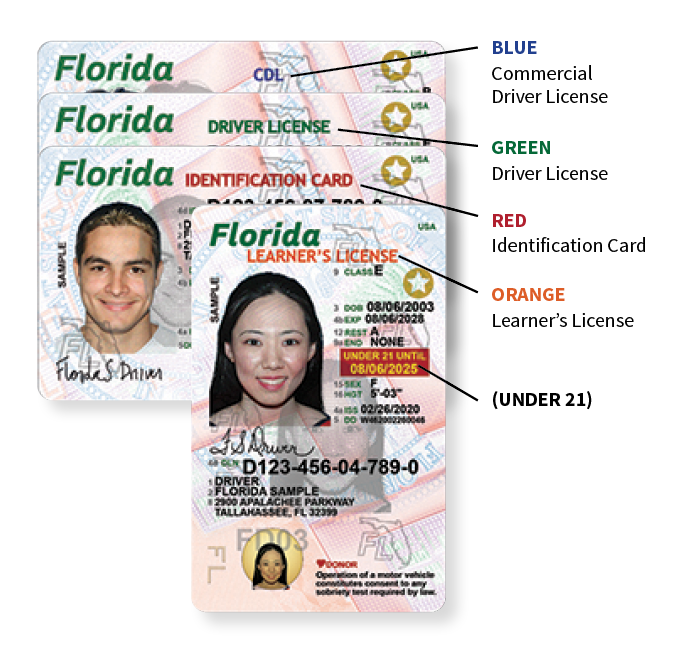
Seasonal residents, often referred to as “snowbirds,” benefit immensely from a Florida ID. While a valid out-of-state license might suffice for driving, a Florida ID can streamline interactions with local businesses, provide access to resident discounts at attractions or public facilities, and serve as proof of address for various necessities during your stay. It eliminates the need to constantly rely on potentially less recognized out-of-state documents.
Beyond driving privileges, a state ID serves as primary proof of age for purchases, access to venues, and voting. It’s also invaluable in emergencies, providing quick identification for medical professionals or law enforcement. For those who don’t drive, the official Florida identification card offers all the identification benefits of a driver’s license without the driving component, ensuring everyone can fully participate in their chosen Florida lifestyle. In essence, obtaining a Florida ID is a crucial investment in convenience, security, and seamless integration into the state’s vibrant way of life.
Required Documents: Building Your Florida Identity Profile
The backbone of your Florida ID application is a meticulously assembled portfolio of supporting documents. The Florida Department of Highway Safety and Motor Vehicles (DHSMV) requires specific proofs to verify your identity, residency, and social security number. Understanding these requirements beforehand is crucial to avoid multiple trips and delays in establishing your Florida identity.
Proof of Primary Identification
This category establishes who you are. You will need one of the following original documents:
- Certified U.S. Birth Certificate: Must be issued by a state, county, or municipal bureau of vital statistics or equivalent agency. Hospital birth certificates are not accepted.
- Valid U.S. Passport or Passport Card: Unexpired U.S. passports are an excellent form of primary identification.
- Consular Report of Birth Abroad: Issued by the U.S. Department of State.
- Certificate of Naturalization, Certificate of Citizenship: These documents prove U.S. citizenship.
- Valid Alien Registration Receipt Card (Green Card, Form I-551): For non-U.S. citizens.
- Employment Authorization Card (Form I-766): Issued by the U.S. Citizenship and Immigration Services (USCIS).
- Other USCIS-issued documents: Check the DHSMV website for a full list of acceptable documents for non-U.S. citizens, which may include I-94, I-20, or DS-2019 forms, depending on your visa status.
Proof of Social Security Number (SSN)
You must provide one document proving your Social Security Number. The name on this document must match the name on your primary identification. Acceptable documents include:
- Social Security Card: The original card is preferred.
- W-2 Form: From the past two years, showing your full SSN.
- Pay Stub: Showing your full SSN.
- SSA-1099 Form: From the past two years.
- Any 1099 Form (not SSA-1099): From the past two years, showing your full SSN.
Individuals who have never been issued an SSN by the U.S. government must present a letter from the Social Security Administration (SSA) indicating this fact.
Proof of Residential Address
To establish your Florida residency, you’ll need two different documents showing your physical address. Post office boxes are not accepted. These documents must be dated within the last two months (unless otherwise noted). Examples include:
- Deed, Mortgage, Monthly Mortgage Statement, or Payment Booklet: For homeowners.
- Residential Rental Lease Agreement: Signed by both parties.
- Utility Bills: Such as electric, water, natural gas, internet, or landline phone bills. Cell phone bills are generally not accepted.
- Automobile, Homeowner’s, or Renter’s Insurance Policy or Card:
- Educational Institution Transcript: From the current or previous year.
- Proof of Public Assistance Benefits: Such as a food stamp card or government benefit statement.
- W-2 Form or 1099 Form: From the past year.
- Mail from any governmental agency: Federal, state, county, or city.
- A Statement from a Parent/Guardian/Roommate: If you live with someone else and have no bills in your name, they can complete a Certification of Address form, along with two proofs of address in their name, and present their ID.
Always bring original documents; photocopies are rarely accepted, except for specific proofs like insurance cards. It’s also advisable to check the official Florida Department of Highway Safety and Motor Vehicles (DHSMV) website for the most current and detailed list of acceptable documents, as requirements can occasionally change.
Navigating the Application Process: Your Path to a Florida ID
Once your documents are in order, the application process for a Florida ID is straightforward, though it requires a visit to a Florida Department of Highway Safety and Motor Vehicles (DHSMV) office or an authorized tax collector’s office. This step is crucial for transitioning into your Florida lifestyle, ensuring you have the necessary identification for all future endeavors.
Scheduling Your Appointment
The first and most important step is to schedule an appointment. While some offices may accept walk-ins, wait times can be extensive. Most county tax collector offices and DHSMV service centers offer online appointment scheduling, which is highly recommended for efficiency. Visit the official DHSMV website and use their office locator to find the nearest service center and book a convenient time. Arriving prepared and on time for your appointment is key to a smooth process.
What to Expect at the Office
Upon arrival at your scheduled appointment, you will:
- Check-in: Present your appointment confirmation and any initial paperwork.
- Document Verification: A clerk will meticulously review all your original documents to ensure they meet the DHSMV’s requirements. This is where your thorough preparation pays off. Any discrepancies or missing documents will lead to delays.
- Application Form Completion: You may be asked to complete a paper application form, although much of the information will be gathered from your documents.
- Vision Test (for Driver’s License): If you are applying for a driver’s license, you will undergo a basic vision screening. For a non-driver ID card, this step is skipped.
- Photo and Signature: Your photograph will be taken for the ID card, and you will provide an electronic signature. Ensure you are presentable, as this photo will represent your official identity for years.
- Fingerprints: In some instances, depending on the type of ID or background, fingerprints may be required.
- Payment of Fees: You will pay the applicable fee for your ID card or driver’s license. Fees can vary slightly, so check the DHSMV website for current rates. Payment is typically accepted via cash, check, or major credit/debit cards.
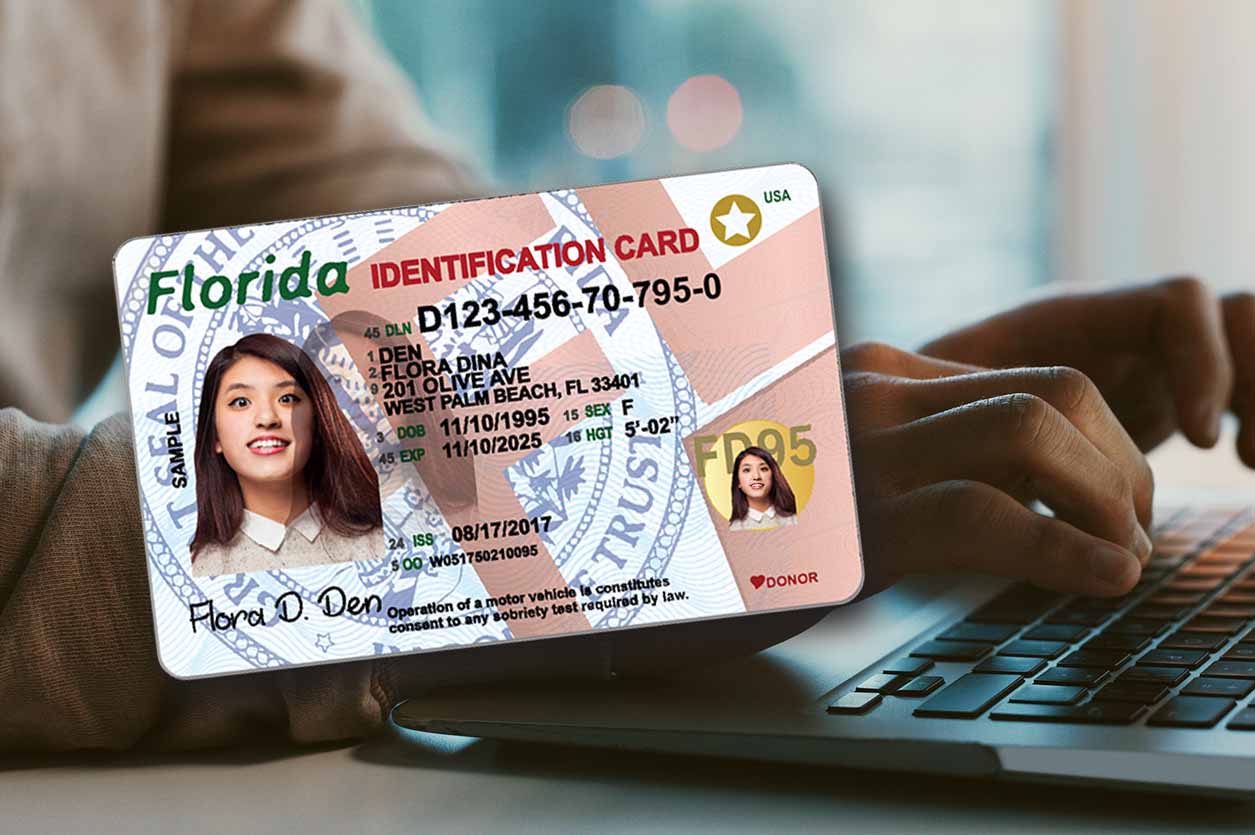
Receiving Your ID
After completing the application process and paying the fees, you will typically receive a temporary paper ID. Your official, permanent Florida ID card or driver’s license will then be mailed to your residential address within a few weeks, usually within 2-4 weeks. It is crucial to keep your temporary ID as valid proof of identity until your permanent card arrives. If your permanent card does not arrive within the expected timeframe, contact the DHSMV immediately.
Beyond the Standard ID: Special Considerations
While the general process for obtaining a Florida ID is consistent, several factors might introduce special considerations, particularly important for ensuring your identification aligns with broader lifestyle requirements and federal mandates.
REAL ID Act Compliance
The REAL ID Act, passed by Congress in 2005, enacted the 9/11 Commission’s recommendation that the federal government “set standards for the issuance of sources of identification, such as driver’s licenses.” This means that starting on May 7, 2025, every air traveler 18 years of age or older will need a REAL ID Act compliant driver’s license or identification card, or another acceptable form of identification, for domestic air travel. Florida issues REAL ID Act compliant credentials, which are identifiable by a gold star in the upper right-hand corner of the card. When applying for your Florida ID, ensure you bring all necessary documents for REAL ID Act compliance, as detailed in the “Required Documents” section. This will allow you to use your Florida ID for future federal purposes, including boarding domestic flights, a vital aspect for many Florida lifestyles involving travel. The Department of Homeland Security provides comprehensive information on the REAL ID Act.
Non-U.S. Citizens
The process for non-U.S. citizens largely mirrors that for U.S. citizens, but with specific document requirements for proof of identity and legal presence. Depending on your visa type (e.g., student, work, permanent resident), you will need to present appropriate original documents issued by the U.S. Citizenship and Immigration Services (USCIS) or U.S. Department of State. These often include:
- Valid foreign passport.
- Visa (if applicable).
- Form I-94 (Arrival/Departure Record).
- Form I-551 (Permanent Resident Card).
- Employment Authorization Document (EAD) or Form I-766.
- Other USCIS forms such as I-20 (Certificate of Eligibility for Nonimmigrant Student Status) for students or DS-2019 (Certificate of Eligibility for Exchange Visitor Status) for exchange visitors.
The validity period of your Florida ID or driver’s license will typically be tied to the expiration date of your legal presence documents. It’s crucial for non-U.S. citizens to verify the precise documents required based on their specific immigration status on the DHSMV website or by contacting them directly.
First-Time Drivers and Driving Tests
If you are a first-time driver in Florida and plan to obtain a driver’s license, you will also need to complete a Traffic Law and Substance Abuse Education (TLSAE) course and pass a written knowledge test and a driving skills test. This is an additional step beyond just proving identity and residency. Ensure you factor in the time and resources needed for these tests if your goal is a driver’s license rather than just a non-driver ID card. This ensures you’re prepared for the responsibilities of driving and integrating into the Florida traffic environment.
Maintaining Your Florida ID and Staying Current
Obtaining your Florida ID is a significant milestone, but maintaining its validity and ensuring its accuracy is equally important for a seamless Florida lifestyle. Life changes, and your identification should reflect these updates to remain a reliable and effective document.
Renewals
Florida driver’s licenses and ID cards are typically valid for eight years. You will receive a renewal notice in the mail prior to your expiration date. Many renewals can be processed online, especially if you are a U.S. citizen and your information hasn’t changed significantly. However, some renewals may require an in-person visit to a Florida Department of Highway Safety and Motor Vehicles (DHSMV) office, particularly if your photo needs updating or if specific documents need re-verification (e.g., for non-U.S. citizens with expiring legal presence). Plan ahead to avoid having an expired ID, which can lead to complications with travel, banking, or other essential services.
Changes of Address
If you move within Florida, it is mandatory to update your address on your driver’s license or ID card within 30 days of the change. This can often be done online through the DHSMV’s website, where you can order a new card with the updated address. You may also visit an office to have the change processed immediately. Keeping your address current ensures that important notices from state agencies reach you and that your ID accurately reflects your current residence, which is crucial for proving residency for various local services and benefits.
Name Changes
A name change due to marriage, divorce, or any legal process requires an in-person visit to a DHSMV service center. You will need to bring your existing Florida ID, along with original legal documents proving the name change (e.g., marriage certificate, divorce decree, court order). Ensure that your name has also been updated with the Social Security Administration (SSA) prior to visiting the DHSMV, as your records must match. Updating your name on your ID is vital to ensure all your official documents reflect your current legal identity.

Replacing a Lost or Stolen ID
Losing your Florida ID can be disruptive, but replacing it is a relatively simple process. You can often order a replacement online through the DHSMV website. However, if your ID was stolen, it is highly recommended to first file a police report to document the theft and protect against identity fraud. For online replacements, ensure your address on file is current, as the new card will be mailed to that address. If you need a replacement immediately or have significant changes, an in-person visit to a DHSMV office is the best course of action.
By staying informed and proactive about your Florida ID, you ensure that this essential document continues to serve you effectively, allowing you to fully enjoy and navigate all aspects of your life in the Sunshine State.
LifeOutOfTheBox is a participant in the Amazon Services LLC Associates Program, an affiliate advertising program designed to provide a means for sites to earn advertising fees by advertising and linking to Amazon.com. Amazon, the Amazon logo, AmazonSupply, and the AmazonSupply logo are trademarks of Amazon.com, Inc. or its affiliates. As an Amazon Associate we earn affiliate commissions from qualifying purchases.