
As the peak of hurricane season approaches, the question of whether Orlando, Florida‘s beloved hub for travel and tourism, lies in the direct path of an approaching storm like Hurricane Helene becomes a critical concern for visitors and residents alike. Orlando, often synonymous with world-class theme parks, vibrant attractions, and diverse accommodation options, is a magnet for millions of tourists annually. When a significant weather event, particularly a hurricane, threatens the region, understanding its potential trajectory, local impacts, and necessary preparedness measures is paramount for anyone planning or currently experiencing a trip to Central Florida.
This comprehensive guide aims to shed light on how hurricane threats are assessed, what a storm like Hurricane Helene could mean for your Orlando plans, and how the destination’s robust infrastructure and tourism industry respond to ensure safety and minimize disruption. From understanding official advisories to navigating hotel policies and adapting your travel experiences, we’ll cover essential information to help you make informed decisions during hurricane season.

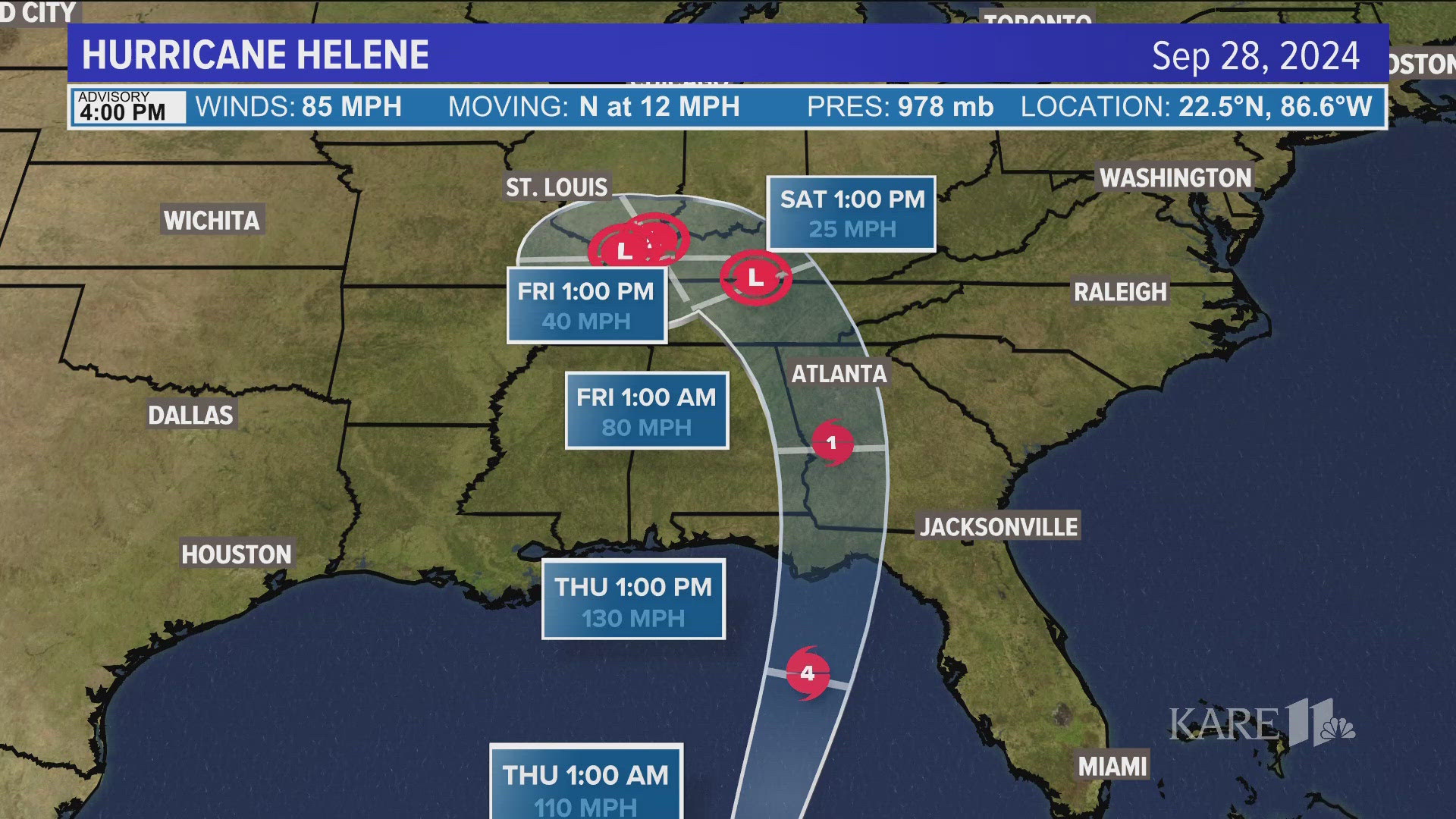
Understanding Hurricane Helene’s Trajectory and Potential Impact
The first and most crucial step in assessing any hurricane threat is to monitor official forecasts from reputable sources such as the National Hurricane Center (NHC). These agencies provide the most accurate and up-to-date information regarding a storm’s projected path, intensity, and potential hazards. When a storm like Hurricane Helene forms in the Atlantic or Gulf of Mexico, its potential impact on Orlando is determined by various factors, including its track, speed, and whether it makes landfall on the Atlantic Coast or Gulf Coast of Florida and then moves inland.
Orlando is situated approximately 50-70 miles inland from both the Atlantic and Gulf Coasts, which often means it experiences less severe direct impacts compared to coastal areas. However, even indirect hits or the outer bands of a hurricane can bring significant rainfall, strong winds, and the potential for localized flooding and power outages.

Decoding Official Forecasts and Advisories
The NHC issues various advisories, watches, and warnings that travelers should be familiar with:
- Tropical Storm Watch/Warning: Indicates tropical storm conditions (sustained winds of 39-73 mph) are possible/expected within 48/36 hours.
- Hurricane Watch/Warning: Indicates hurricane conditions (sustained winds of 74 mph or higher) are possible/expected within 48/36 hours.
For Hurricane Helene, constant vigilance of these advisories is key. Models predicting a storm’s path can shift significantly, sometimes in a matter of hours, making it imperative to consult the latest updates. A storm approaching the Florida peninsula from the Atlantic, for instance, might weaken considerably as it moves over land before reaching Orlando. Conversely, a strong storm making landfall on the Gulf Coast and tracking across the state could still bring substantial weather to the Orlando area.
Anticipating Specific Impacts on Orlando
While a direct, high-intensity hit from Hurricane Helene on Orlando is less common due to its inland location, potential impacts could include:
- Heavy Rainfall and Flooding: Even a weakened storm can dump immense amounts of rain, leading to street flooding, especially in low-lying areas.
- Strong Winds: Winds can cause downed trees, power lines, and minor structural damage, disrupting services and posing safety risks.
- Power Outages: Widespread or localized power outages are common during significant weather events, affecting everything from hotels to attractions.
- Transportation Disruptions: Flight cancellations at Orlando International Airport (MCO) and other regional airports, as well as road closures, are highly probable.
Tourism and accommodation providers in Orlando are highly experienced in managing these situations. They typically activate comprehensive emergency plans well in advance, focusing on guest safety and continuity of essential services.
Navigating Your Orlando Trip During Hurricane Season
For those planning or currently enjoying a trip to Orlando during hurricane season (June 1st to November 30th), preparedness is paramount. Understanding how your travel plans, accommodation, and activities might be affected by a storm like Hurricane Helene is crucial for a smooth and safe experience.
Pre-Travel Planning and Monitoring
Before you even depart, it’s essential to integrate hurricane monitoring into your travel planning.
- Travel Insurance: Consider purchasing comprehensive travel insurance that covers hurricane-related cancellations or interruptions. Carefully review the policy’s fine print regarding “named storms” and cancellation clauses. Many policies have a specific cut-off date relative to when a storm is named.
- Airline Policies: Stay updated on your airline’s specific hurricane waivers, which often allow changes or cancellations without penalty if travel is affected by a named storm. Check Orlando International Airport (MCO)’s website for real-time flight status and advisories.
- Hotel and Accommodation Policies: Most reputable hotels, resorts, and vacation rentals in Orlando, from the sprawling Walt Disney World Resort properties to boutique apartments on International Drive, have hurricane policies. These often include provisions for waiving cancellation fees or allowing rebooking if a hurricane warning is issued for the area or your point of origin. Confirm these policies directly with your chosen accommodation provider.
- Stay Informed: Follow local news channels and the official social media accounts of Visit Orlando for real-time updates specific to the area.
During Your Stay: Safety and Adaptability
If Hurricane Helene poses a threat while you are in Orlando, your priority should be safety and following local directives.
- Theme Parks and Attractions: Major theme parks like Walt Disney World Resort, Universal Orlando Resort, and SeaWorld Orlando have well-established hurricane protocols. They will typically announce closures or modified operating hours based on official weather warnings. Guests are usually directed to safe, designated areas within their resorts or advised to shelter in place. Keep an eye on their official apps and websites for the latest operational updates.
- Hotels and Resorts: Your hotel is likely your safest refuge. Most Orlando hotels are built to withstand hurricane-force winds and have emergency generators, backup food supplies, and trained staff. They will provide guidance on securing your room, where to go in case of an evacuation, and what services might be limited during the storm (e.g., pools closed, restaurant hours altered). Many resorts, like those in Lake Buena Vista or Kissimmee, become self-sufficient shelters.
- Local Culture and Food: During a hurricane, local businesses may close, and dining options might be limited to hotel restaurants or quick-service alternatives. Be prepared for this and consider stocking up on non-perishable snacks and water, especially if you are staying in an apartment or villa with kitchen facilities.
- Transportation: Public transportation may be suspended, and taxis or rideshares might be unavailable. If you have a rental car, ensure it has a full tank of gas well in advance of the storm’s arrival.
Preparedness and Resilience: Orlando’s Approach
Orlando and the broader Central Florida region are exceptionally well-prepared for hurricane season, having faced numerous storms over the decades. This experience has fostered a strong culture of resilience and robust emergency management systems that benefit both residents and visitors.
Local Emergency Resources and Communications
Local authorities, including Orange County Emergency Management, continuously monitor weather developments and coordinate with state and federal agencies like FEMA. Key communication channels include:
- Emergency Alerts: Sign up for local emergency alerts (e.g., through Orange County’s alert system) for real-time updates and instructions.
- NOAA Weather Radio: A battery-powered NOAA weather radio is an excellent backup for receiving critical information if power or cell service is disrupted.
- Local News Outlets: Tune into local television and radio stations for continuous coverage and official announcements.
Personal Preparedness for Travelers
While your hotel will provide much of what you need, a small emergency kit can offer peace of mind:
- Essential Documents: Keep passports, IDs, and reservation confirmations in a waterproof bag.
- Medications: Ensure you have an adequate supply of any necessary prescription medications.
- Cash: ATMs and credit card machines may not function during power outages.
- Chargers and Power Banks: Keep all devices fully charged, and consider portable power banks for your phone.
- Basic Supplies: A flashlight, extra batteries, a first-aid kit, and any specific items for children or pets.
The Tourism Industry’s Commitment to Safety
The tourism sector in Orlando operates with an acute awareness of hurricane threats. Major players like Walt Disney World Resort and Universal Orlando Resort often serve as community resources, providing shelter for cast members and guests, and maintaining essential services. Hotels, from the luxurious Grand Cypress Resort to budget-friendly options, rigorously train staff for emergency procedures and invest in resilient infrastructure. The Orange County Convention Center, for instance, has robust plans to handle large gatherings safely, even during severe weather. This collective commitment ensures that visitors are in capable hands should a storm like Hurricane Helene threaten the region.
Beyond the Storm: Orlando’s Enduring Appeal
Once the immediate threat of a storm like Hurricane Helene passes, Orlando is renowned for its swift recovery. The destination’s resilience is a testament to its strong community spirit and dedicated tourism infrastructure. Attractions and businesses typically work quickly to assess damage, restore services, and reopen their doors, often within days, ensuring minimal long-term disruption to the visitor experience.
Post-Storm Recovery and Reopening
After a hurricane, the focus shifts to recovery. Utility companies like Orlando Utilities Commission prioritize restoring power, while road crews clear debris. Theme parks will conduct thorough safety checks before announcing their reopening. Travelers who deferred their plans due to the storm can typically reschedule with ease, often benefitting from flexible booking policies offered by the industry. The speed at which Orlando bounces back is a key aspect of its appeal, demonstrating its commitment to hospitality even in challenging times.
Planning Future Trips with Confidence
While hurricane season demands respect and preparation, it shouldn’t deter travelers from experiencing the magic of Orlando. Many visitors enjoy the quieter crowds and often lower prices during these months. By staying informed, having comprehensive travel insurance, and choosing reputable accommodations, you can confidently plan a trip. Exploring local culture, indulging in diverse food experiences, or visiting iconic landmarks like the Kennedy Space Center Visitor Complex (a short drive away), remains a fulfilling experience even with the possibility of a storm.
In conclusion, while the question “Is Orlando In The Path Of Hurricane Helene?” demands serious attention and diligent monitoring of official forecasts, it’s important to recognize Orlando’s preparedness and resilience. The city’s robust infrastructure, experienced tourism industry, and community-wide emergency response systems are designed to safeguard visitors and residents alike. By taking proactive steps and staying informed, travelers can navigate hurricane season with confidence, ensuring that their journey to Central Florida remains as magical and memorable as intended.
LifeOutOfTheBox is a participant in the Amazon Services LLC Associates Program, an affiliate advertising program designed to provide a means for sites to earn advertising fees by advertising and linking to Amazon.com. Amazon, the Amazon logo, AmazonSupply, and the AmazonSupply logo are trademarks of Amazon.com, Inc. or its affiliates. As an Amazon Associate we earn affiliate commissions from qualifying purchases.