
California, a land celebrated for its breathtaking landscapes, vibrant cities, and diverse attractions, annually faces a formidable and devastating challenge: wildfires. These infernos, which have increasingly become a persistent feature of the state’s hot, dry seasons, leave a trail of destruction that impacts everything from natural ecosystems and private properties to the state’s thriving tourism industry and the very fabric of local communities. For travelers planning a trip to the Golden State, or residents living within its stunning but sometimes volatile wilderness-urban interface, understanding the origins of these fires is not merely academic; it’s crucial for safety, preparedness, and appreciating the delicate balance of this remarkable destination. The question “How did the fire in California start?” doesn’t have a single, simple answer, as the causes are multifaceted, ranging from natural phenomena to human negligence and complex environmental factors exacerbated by climate change.
Unraveling the Primary Causes of California Wildfires
The genesis of wildfires in California can generally be categorized into two broad areas: natural ignitions and human-caused incidents. While both contribute to the problem, human activities account for a significant majority of fire starts, particularly those that occur close to populated areas.
Natural Ignitions: The Role of Lightning
While less frequent than human-caused fires, lightning strikes are a natural and unavoidable source of wildfire ignition, especially in the state’s more remote, mountainous regions. Often occurring during dry thunderstorms that produce little rain but considerable electrical activity, these strikes can hit trees or dry vegetation, igniting fires that smolder undetected for days before erupting into larger blazes, especially if conditions are windy and dry. These natural fires play a historical role in forest ecology, clearing underbrush and promoting new growth. However, in an era of prolonged droughts and increased fuel loads, even naturally ignited fires can quickly escalate into unmanageable conflagrations, posing a threat to remote natural landmarks and ecosystems that are popular destinations for ecotourism. Destinations like Yosemite National Park and parts of the Sierra Nevada are particularly susceptible to lightning-induced fires, though park services often implement controlled burns to mitigate risks.
Human-Caused Fires: A Preponderance of Preventable Tragedies
By far the most common catalyst for wildfires in California is human activity, often unintentional but sometimes malicious. These incidents stem from a wide array of sources, many of which are entirely preventable.
Power Lines and Electrical Equipment: Faulty or aging electrical infrastructure is a leading cause of some of the most destructive fires. Downed power lines, equipment malfunctions, or contact between vegetation and energized lines can generate sparks capable of igniting dry grasses and brush. Utility companies, notably Pacific Gas and Electric (PG&E), have faced intense scrutiny and legal repercussions for their role in numerous catastrophic fires across the state, prompting significant investments in grid hardening, undergrounding power lines, and enhanced vegetation management programs to protect communities and infrastructure, including hotels and resorts in affected areas.
Vehicle Malfunctions: Sparks from catalytic converters, hot exhaust pipes coming into contact with dry grass, or discarded cigarette butts from vehicles can easily ignite roadside vegetation. This is a common cause, especially along busy highways leading to popular travel destinations or through arid landscapes. Travelers exploring areas like Big Sur or the scenic routes of Southern California are often reminded of these risks.
Campfires and Outdoor Cooking: While enjoying California’s vast natural beauty through camping is a quintessential experience, improperly managed campfires are a significant ignition source. Leaving a fire unattended, failing to properly extinguish it, or building fires during red flag warnings when conditions are critically dry and windy, can have devastating consequences. Regulations for campfires are strict in national parks and state forests, and adherence is vital for visitor safety and ecosystem preservation, protecting natural attractions that draw millions of tourists annually.
Arson: Sadly, a subset of fires is deliberately set by arsonists. While less frequent than accidental human-caused fires, these acts of malicious intent can result in extremely destructive and unpredictable blazes, often targeting remote areas but sometimes threatening suburban developments and the travel infrastructure nearby.
Agricultural Burns and Debris Burning: Farmers and landowners sometimes use controlled burns to clear land or dispose of waste. If not properly managed or if conditions shift unexpectedly, these fires can escape their intended boundaries and become uncontrolled wildfires. Similarly, individuals burning yard waste can inadvertently start larger fires if embers escape or the burn pile is too close to flammable materials.
Fireworks: Despite widespread bans in many dry areas, illegal fireworks remain a significant cause of fires, particularly around holidays. The allure of spectacular displays often overrides caution, leading to sparks landing on dry vegetation and igniting widespread fires, sometimes impacting urban-adjacent green spaces or even hotel properties on the fringes of wilderness.
The Contributing Factors: A Landscape Primed for Ignition
Beyond the immediate ignition source, several environmental and human-influenced factors exacerbate the frequency and intensity of California wildfires, transforming what might be a small brush fire into a fast-moving, destructive inferno.
Climate Change and Prolonged Droughts: The New Normal
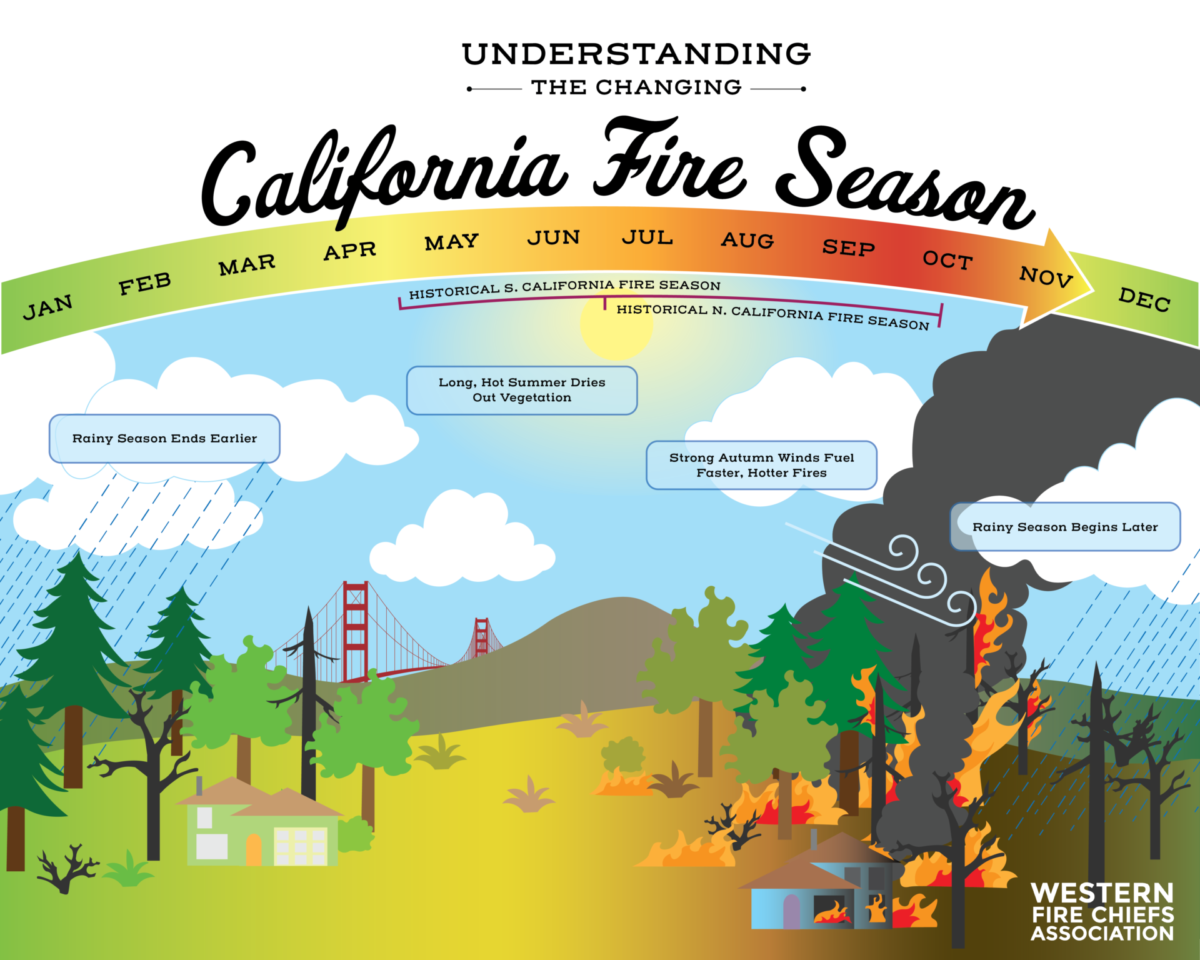
Perhaps the most significant overarching factor contributing to California’s wildfire crisis is climate change. Rising global temperatures lead to warmer, drier conditions across the state, extending the length of the fire season and increasing the aridity of vegetation. Prolonged droughts, which have become more frequent and severe in recent decades, deprive the landscape of essential moisture, turning forests and grasslands into vast stores of highly combustible fuel. This drying effect intensifies wildfire behavior, making fires spread faster, burn hotter, and become more resistant to containment efforts. Such conditions impact not just the environment but also the availability of water for firefighting and the overall appeal of destinations struggling with water scarcity, influencing future tourism trends and development.
Forest Management Practices and Fuel Accumulation
Historically, Native American tribes regularly used controlled burns to manage forests, clearing underbrush and promoting healthy ecosystems. However, a century of aggressive fire suppression policies, aimed at extinguishing all fires quickly, led to an unnatural accumulation of dense vegetation, dead trees, and dry biomass on forest floors. This “fuel load” acts like kindling, creating conditions for mega-fires once ignited. Modern forest management now emphasizes thinning forests, selective logging, and prescribed burns to reduce fuel loads and restore ecological balance, especially in vital natural landmarks like Redwood National Park and state forests, critical for preserving both nature and the travel experiences they offer. The challenge lies in implementing these practices effectively across vast and often privately-owned lands.
The Santa Ana Winds and Diablo Winds: Fueling the Flames
California’s geography and climate are also characterized by unique wind patterns that critically influence wildfire spread. The infamous Santa Ana Winds in Southern California and the similar Diablo Winds in the north are hot, dry, gusty winds that descend from inland deserts and mountains, often reaching hurricane-force speeds. These winds rapidly desiccate vegetation, fan flames, and carry embers long distances, enabling fires to jump firebreaks, roads, and even rivers. The speed and unpredictability of wind-driven fires make them extremely dangerous and difficult to control, often leading to rapid evacuations of entire communities, including guests from hotels and resorts in popular areas like Malibu or near Lake Tahoe during periods of high risk.
The Far-Reaching Impact on California’s Travel and Tourism Industry
The frequent and intense wildfires in California have profound implications for the state’s vibrant travel and tourism sector, affecting destinations, accommodations, and the overall visitor experience.
Protecting Iconic Destinations and Natural Wonders
California is home to an unparalleled array of iconic destinations, from the towering trees of Redwood National Park and the majestic cliffs of Yosemite National Park to the scenic coastline of Big Sur and the vineyards of Napa Valley. Many of these natural landmarks and tourist attractions are situated in or near fire-prone wildland-urban interfaces. Wildfires directly threaten these areas, leading to temporary closures, damage to infrastructure, and air quality issues due to smoke, which can extend hundreds of miles, impacting cities like San Francisco and Los Angeles. For instance, smoke from fires can obscure scenic views, deterring visitors from planning trips to otherwise unaffected areas. The preservation of these natural assets is not just an environmental imperative but also an economic one, as they form the backbone of California’s appeal to global travelers.
Adapting Accommodation and Travel Experiences
The accommodation sector, from luxury resorts in Sonoma to budget-friendly hotels in gateway cities, faces unique challenges during fire season. Wildfires can necessitate rapid evacuations, leading to widespread booking cancellations and significant financial losses for hotels, vacation rentals, and other tourism businesses. Insurance costs for properties in high-risk areas can skyrocket, impacting profitability and future development. Furthermore, hotels and resorts in affected zones often pivot to housing evacuees and emergency personnel, shifting their primary function from leisure and business travel to community support. Travelers themselves must adapt their plans, frequently checking fire maps and air quality indexes, and being prepared for last-minute changes. This dynamic environment necessitates increased flexibility from both travelers and accommodation providers, with many establishments implementing enhanced safety protocols and evacuation plans to protect guests.
Mitigating Risks and Promoting Responsible Travel in Fire-Prone Regions
Understanding the causes of California wildfires empowers both residents and visitors to contribute to prevention and resilience. Responsible tourism is key to ensuring the continued enjoyment and preservation of this stunning state.
What Travelers Can Do: Safety Tips and Awareness
Travelers play a crucial role in preventing human-caused fires. Before embarking on a California adventure, especially during the dry season (typically late spring through late autumn):
- Check Fire Conditions: Consult official state and national park websites, as well as local news, for current fire alerts, red flag warnings, and air quality reports in your planned destination.
- Adhere to Fire Bans: Strictly follow all campfire restrictions and bans. If campfires are allowed, ensure they are in designated fire rings and are completely extinguished before leaving.
- Be Mindful of Sparks: Avoid parking vehicles on dry grass, ensure tow chains aren’t dragging, and never discard cigarette butts from vehicles.
- Plan Evacuation Routes: If staying in a potentially fire-prone area, familiarize yourself with local evacuation plans and designated shelters, often available through hotel staff or local tourism boards.
- Stay Informed: Follow local emergency services on social media or sign up for alert systems for real-time updates.
By exercising caution and common sense, visitors can significantly reduce the risk of inadvertently starting a fire, thus protecting not only themselves but also the communities and natural beauty they’ve come to enjoy.

The Future of Tourism in California: Resilience and Sustainability
The ongoing challenge of wildfires is driving innovation and a greater focus on resilience within California’s tourism sector. There’s a growing emphasis on sustainable tourism practices, including supporting businesses that invest in fire-resistant landscaping, energy-efficient infrastructure, and community preparedness programs. Destinations are also exploring how to adapt their offerings, perhaps promoting shoulder-season travel to reduce pressure during peak fire risk periods or highlighting destinations less impacted by fires. The development of fire-resilient communities and landscapes, combined with robust emergency response systems, will be crucial for maintaining California’s appeal as a premier travel destination. This involves a collaborative effort between government agencies, local businesses, including those operating hotels and resorts, and the visitors themselves, fostering a culture of awareness and proactive prevention.
In conclusion, the question “How did the fire in California start?” reveals a complex interplay of natural forces, human actions, and environmental vulnerabilities exacerbated by a changing climate. While lightning strikes initiate some fires, the vast majority result from human activity, whether accidental or intentional. Coupled with factors like prolonged droughts, overgrown forests, and the relentless Santa Ana and Diablo Winds that fan the flames, California is often a landscape primed for ignition. For those who live in or visit this extraordinary state, understanding these origins is the first step toward prevention, fostering responsible travel, and building a more resilient future for its invaluable natural wonders and vibrant communities.
