
Florida, a perennial magnet for tourists worldwide, is renowned for its sun-drenched beaches, vibrant theme parks, and bustling cityscapes. Millions flock annually to experience everything from the magical allure of Orlando to the Art Deco charm of Miami. Amidst the captivating attractions and lively street scenes, visitors may encounter individuals engaging in panhandling, a common occurrence in urban environments globally. For those unfamiliar with local customs and laws, the question “Is panhandling illegal in Florida?” is a pertinent one, impacting both their comfort and understanding of the local landscape. The answer, however, is not a simple yes or no, but rather a nuanced tapestry woven from constitutional rights, state statutes, and a patchwork of local ordinances that vary significantly from city to city.
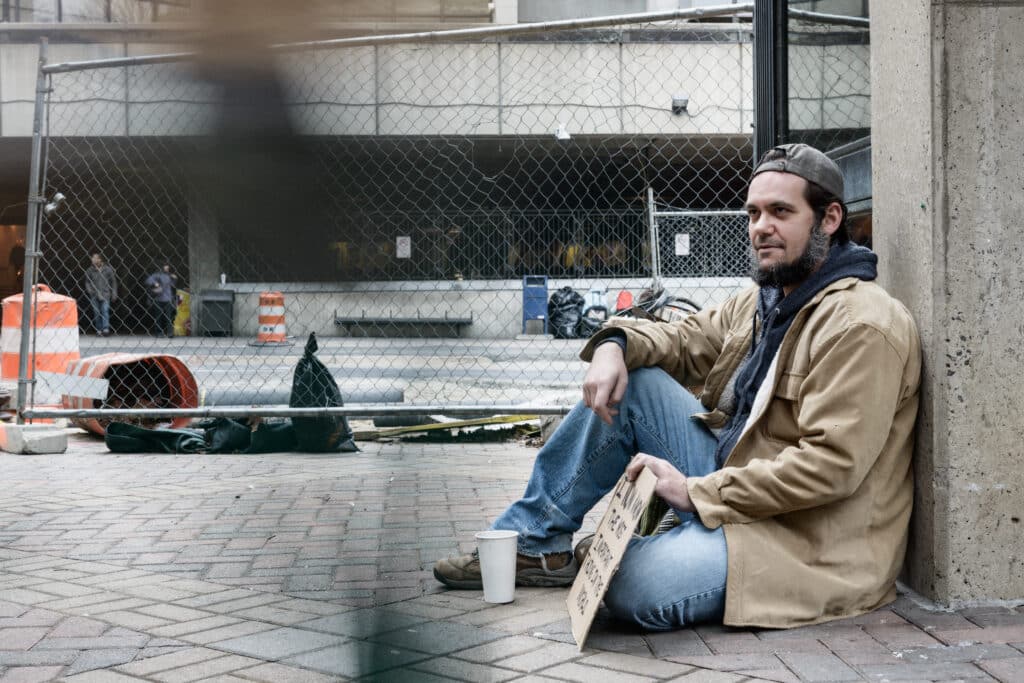
Understanding the legal and social context of panhandling is crucial for any discerning tourist or long-term visitor seeking to navigate Florida’s public spaces respectfully and safely. This article delves into the complexities surrounding panhandling in the Sunshine State, offering insights into its legality, its impact on the tourism experience, and practical advice for visitors on how to approach such encounters. By exploring the interplay between individual rights and public order, we aim to provide a comprehensive guide that enhances your understanding of Florida’s unique urban dynamics, ensuring a more informed and enjoyable visit.
The Nuance of Legality: Free Speech vs. Public Safety
The question of panhandling’s legality in Florida, much like in other parts of the United States, is fundamentally rooted in the First Amendment of the U.S. Constitution. This foundational principle protects freedom of speech, which courts have broadly interpreted to include the act of soliciting donations in public spaces. However, this right is not absolute and often comes into tension with municipalities’ legitimate interests in maintaining public safety, order, and the economic vitality of tourist-heavy areas.
The First Amendment’s Shield: Protected Speech
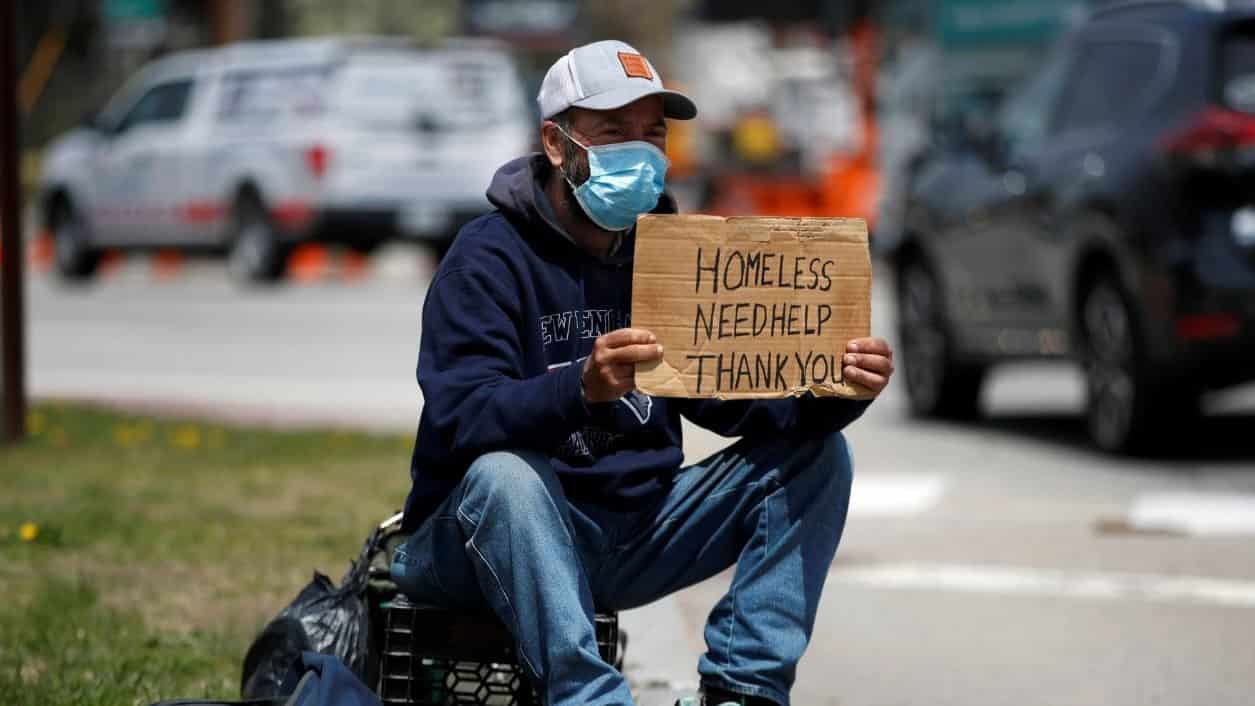
The core of the legal debate surrounding panhandling rests on its classification as a form of expressive conduct. Asking for money, especially through passive means like holding a sign, is generally considered protected speech under the First Amendment. This means that a blanket ban on all forms of panhandling in a public place is usually unconstitutional. Courts have consistently struck down laws that attempt to prohibit all solicitation, recognizing that individuals have a right to convey their message, even if that message is a request for financial assistance. This judicial stance aims to safeguard the rights of individuals, including those experiencing homelessness or economic hardship, to communicate their needs in public forums. For tourists, this implies that they are likely to encounter panhandling in many public areas, and the act itself, if passive and non-disruptive, is generally not illegal.
Defining the Boundaries: Aggressive Panhandling and Solicitation
While passive panhandling often enjoys constitutional protection, the legal landscape shifts considerably when the solicitation becomes “aggressive” or takes on characteristics that disrupt public order or threaten safety. Florida statutes and local ordinances frequently target specific behaviors that cross the line from protected speech to prohibited conduct. Aggressive panhandling typically involves:
- Following or Accosting: Persistent requests for money after an initial refusal, or following someone.
- Intimidation or Coercion: Using threatening gestures, words, or actions to pressure someone into giving money.
- Physical Contact: Touching or grabbing a person without consent.
- Blocking Passage: Obstructing sidewalks, doorways, or public transit entrances.
- Soliciting in Restricted Locations: Asking for money near ATMs, public restrooms, payphones, or within a certain distance of an entrance to a business or public transportation stop.
- Using Abusive or Threatening Language: Employing offensive or threatening speech.
These types of behaviors are widely viewed as undermining public safety and interfering with the free movement and enjoyment of public spaces. Laws against aggressive panhandling are generally upheld by courts because they regulate the manner of speech rather than its content, and they serve a compelling governmental interest in protecting citizens from harassment and ensuring public order. Tourists should be aware of this distinction: while encountering someone asking for money is common, aggressive or intrusive behavior is often against the law and can be reported to local authorities.
A Mosaic of Regulations: State and Local Ordinances
Understanding panhandling laws in Florida requires looking beyond the general constitutional principles to the specific statutes and ordinances enacted at both the state and municipal levels. The “Sunshine State” does not have a single, statewide ban on panhandling. Instead, its approach is characterized by a blend of state-level prohibitions and a diverse array of local regulations that can vary significantly from one city or county to another. This creates a complex legal environment where what is permissible in Tampa might be restricted in Orlando or Miami.
Florida’s State Stance and Specific Prohibitions
Florida state law generally defers to local governments regarding the regulation of panhandling in public spaces, as long as those local ordinances do not infringe upon First Amendment rights. However, certain state laws do indirectly impact solicitation. For example, laws against trespass, disorderly conduct, or obstructing public thoroughfares can be applied to situations involving panhandling that escalate beyond passive requests.
More directly, Florida Statutes 810.09 and 810.097 criminalize trespass in certain areas, which could apply if a panhandler refuses to leave private property after being asked. Additionally, Section 316.130(10) of Florida Statutes prohibits pedestrians from standing on a roadway to solicit a ride, contributions, or business from the occupant of any vehicle, or to distribute any material to the occupant of any vehicle. This specifically targets “roadway panhandling” or “median panhandling,” which is a common sight in some areas. This state law aims to enhance traffic safety and prevent disruptions to vehicle flow. For tourists driving through Florida, understanding this specific prohibition is important, as interacting with individuals on roadways could lead to safety hazards.
City-Specific Rules: Major Tourist Hubs
The real complexity of panhandling legality in Florida emerges at the municipal level. Major tourist destinations often implement their own ordinances to manage panhandling, balancing constitutional rights with the imperative to maintain safe, pleasant, and economically viable public spaces. These ordinances are typically tailored to address specific concerns in high-traffic commercial and tourist districts.
- Miami: Miami and Miami Beach have implemented various measures to address aggressive solicitation. Ordinances often prohibit panhandling in specific commercial zones, near outdoor dining areas, or within a certain distance of ATMs and public transportation stops. The focus is usually on preventing harassment and ensuring public access and safety, particularly in areas frequented by international visitors drawn to the city’s vibrant nightlife and beaches.
- Orlando: As the home of world-renowned theme parks, Orlando faces unique challenges. Its ordinances tend to restrict panhandling in downtown areas, near major attractions, and within certain distances of commercial establishments. These rules are often designed to enhance the family-friendly atmosphere and ensure that visitors feel safe and unmolested during their vacation. Like many cities, Orlando distinguishes between passive and aggressive solicitation, permitting the former but prohibiting the latter.
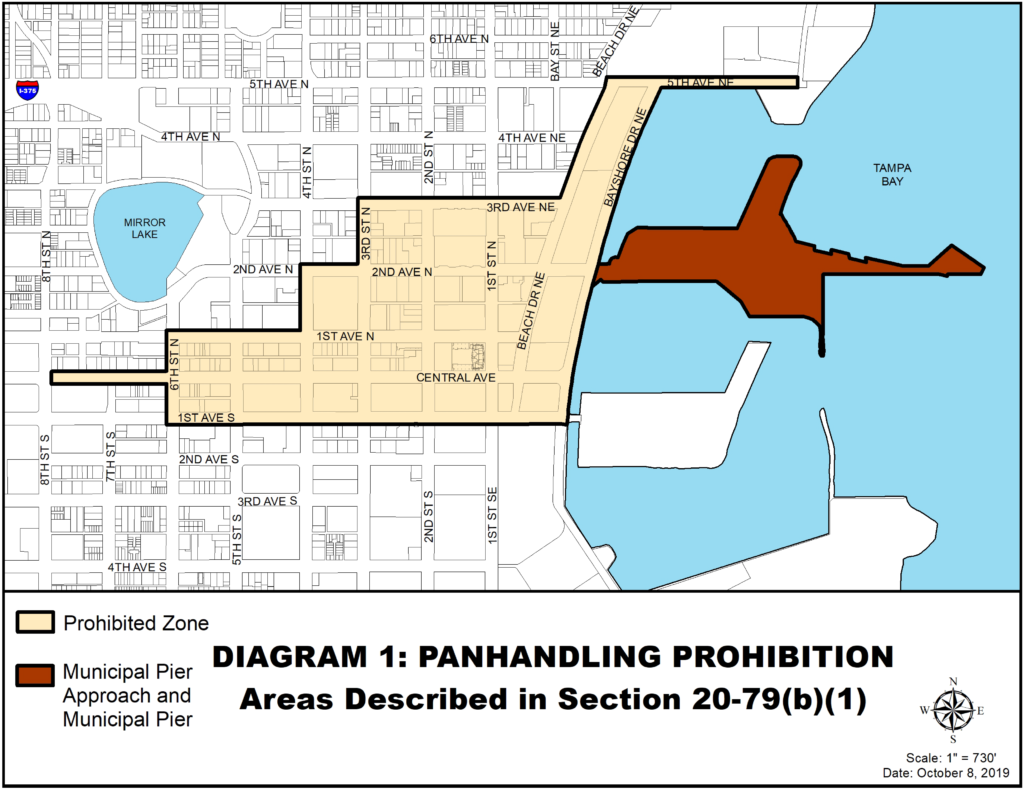
- Tampa: Tampa has also grappled with panhandling regulations, especially around its bustling Riverwalk and entertainment districts. Ordinances here might include restrictions on the time and place of solicitation, prohibiting panhandling after dark in certain areas or within specific distances of business entrances. The goal is to preserve the aesthetic and commercial appeal of its revitalized downtown and waterfront areas.
- Jacksonville: Florida’s largest city, Jacksonville, has also enacted ordinances focusing on aggressive panhandling and solicitation in public rights-of-way, particularly near intersections and highways, aligning with the state’s traffic safety concerns.
These city-specific rules highlight the importance for tourists to be aware that the legal landscape for panhandling is not uniform across Florida. A behavior that might be tolerated in one municipality could lead to a fine or warning in another.
The Evolution of Laws: Court Challenges and Refinements
The history of panhandling regulation in Florida and the United States is marked by frequent legal challenges. Civil liberties groups often contest overly broad bans, arguing they infringe on First Amendment rights. As a result, many cities have had to revise their ordinances to be more narrowly tailored. Instead of outright prohibitions, cities now often focus on “time, place, and manner” restrictions. This means regulations must be content-neutral (not based on the message), serve a significant government interest (like public safety or flow of traffic), and leave open ample alternative channels for communication. For tourists, this means that while panhandlers may be present, laws are typically designed to prevent harassment rather than to eliminate all forms of solicitation.
Impact on the Tourist Experience in the Sunshine State
Florida’s reputation as a premier global tourist destination hinges significantly on the perceived safety, comfort, and welcoming atmosphere it offers visitors. The presence and manner of panhandling, therefore, can have a tangible impact on the overall tourist experience, influencing perceptions and potentially affecting decisions about where to spend vacation time and money. While not inherently negative, encounters with panhandling are an aspect of urban tourism that cities actively manage to preserve their appeal.
Perceptions of Safety and Comfort
For many tourists, especially those from areas with different social norms regarding public solicitation, encounters with panhandlers can evoke a range of emotions, from empathy to discomfort or even a sense of insecurity. Aggressive panhandling, in particular, can be perceived as threatening or harassing, undermining a visitor’s sense of safety. Even passive panhandling, if prevalent in key tourist areas, can detract from the idealized image of a pristine, carefree vacation.
This perception of safety is paramount. Tourists want to explore attractions, dine outdoors, and shop without feeling pressured or uneasy. When they encounter persistent or intimidating solicitation, it can lead to negative reviews, discourage repeat visits, and even influence the destination choices of potential future visitors. Florida’s tourism industry relies heavily on word-of-mouth and positive experiences, making the management of public interactions a critical component of its economic strategy.
Maintaining Florida’s Welcoming Image
Cities across Florida face the delicate task of balancing the constitutional rights of individuals to solicit in public with the desire to maintain a clean, safe, and welcoming environment for their millions of visitors. Tourist districts, often characterized by meticulously maintained public spaces, family-friendly attractions, and high-end retail, are particularly sensitive to anything that might tarnish their image.
Local governments and business improvement districts often invest heavily in programs designed to address homelessness and poverty, not just through law enforcement but also through social services. The goal is to provide sustainable solutions for individuals while simultaneously ensuring that public spaces remain appealing and accessible for everyone, including tourists. These efforts are part of a broader strategy to protect Florida’s brand as a top-tier destination, where visitors can enjoy their holidays without undue concern. For tourists, understanding that cities are actively managing these dynamics can provide a context for the panhandling they might observe.
Navigating Interactions: Tips for Responsible Tourism
As a visitor to [Florida](https://lifeoutofthebox.com/florida], you’re likely to encounter panhandling in various urban and tourist-heavy areas. Knowing how to react, whether to give money, and how to maintain your personal safety are important aspects of responsible tourism. The key is to be informed, respectful, and prepared, ensuring that your interactions, or non-interactions, contribute positively to your overall experience without compromising your comfort or safety.
Understanding Your Rights and Limits
First and foremost, it’s important to remember that as a tourist, you are under no obligation to give money to anyone who asks. You have the right to politely decline and continue on your way. Here are some tips for navigating direct requests:
- Polite Refusal: A simple “No, thank you” or “Sorry, I can’t help today” is usually sufficient. Maintain eye contact initially to acknowledge the person, then disengage.
- Maintain Boundaries: Avoid engaging in long conversations if you do not wish to give. Prolonged interaction can sometimes be interpreted as an invitation for further requests.
- Stay Aware: Be mindful of your surroundings, especially in crowded areas or at night. Keep your valuables secure and out of sight.
- Report Aggressive Behavior: If you experience aggressive panhandling (e.g., being followed, intimidated, touched, or subjected to abusive language), do not hesitate to report it to local law enforcement or security personnel. These actions are often illegal and should not be tolerated.
Supporting the Community Responsibly
Many tourists feel a genuine desire to help individuals experiencing homelessness or financial hardship. While direct street giving is one option, many charities and social service organizations argue that it can sometimes perpetuate a cycle of street life rather than providing sustainable solutions. For those who wish to make a meaningful difference, supporting local charities is often a more impactful and responsible way to contribute:
- Research Local Charities: Look for reputable organizations in [Florida](https://florida] (or the specific city you are visiting, like Miami, Orlando, or Tampa) that focus on homelessness prevention, food security, job training, mental health services, and shelter provision. Examples might include local homeless shelters, food banks, or community outreach programs.
- Donate Directly: Financial donations to these organizations ensure that help is provided in a structured way, addressing the root causes of poverty and homelessness. Many offer online donation options, making it easy to contribute from anywhere.
- Volunteer (if feasible): For long-term visitors or those looking for a more immersive experience, volunteering a few hours at a local shelter or soup kitchen can provide direct support and a deeper understanding of community needs.
By choosing to support established organizations, tourists can ensure their generosity contributes to long-term solutions, providing comprehensive assistance that direct street giving often cannot.
Prioritizing Personal Safety
Your personal safety should always be your top priority. While Florida is generally a safe place for tourists, being street smart is always advisable:
- Travel in Groups: When possible, especially in urban centers and at night, travel with companions.
- Avoid Isolated Areas: Stick to well-lit, populated areas, particularly in unfamiliar neighborhoods.
- Limit Displays of Wealth: Try not to overtly display expensive jewelry, electronics, or large amounts of cash.
- Trust Your Instincts: If a situation or individual makes you feel uncomfortable, remove yourself from it.
By adopting these practices, visitors can responsibly navigate urban environments, manage interactions with panhandlers, and contribute positively to the communities they visit, all while ensuring a safe and enjoyable journey through Florida.
In conclusion, the legality of panhandling in Florida is multifaceted, reflecting a balance between constitutional rights and public interest. While passive solicitation is largely protected under the First Amendment, aggressive panhandling and solicitation in certain restricted zones are typically prohibited by state and local laws. For tourists, understanding these nuances and adopting respectful, safety-conscious behaviors will contribute to a more informed and pleasant experience in the Sunshine State. By supporting reputable charities, visitors can also offer meaningful assistance to those in need, aligning their generosity with effective community solutions.
LifeOutOfTheBox is a participant in the Amazon Services LLC Associates Program, an affiliate advertising program designed to provide a means for sites to earn advertising fees by advertising and linking to Amazon.com. Amazon, the Amazon logo, AmazonSupply, and the AmazonSupply logo are trademarks of Amazon.com, Inc. or its affiliates. As an Amazon Associate we earn affiliate commissions from qualifying purchases.