
Planning a trip to the sun-drenched shores of Puerto Rico? One of the most common questions that arises during the initial planning stages, particularly for travelers from the United States, concerns the necessity of a passport. The answer, while seemingly straightforward, carries nuances that are crucial for a smooth and stress-free journey. This comprehensive guide will demystify the identification requirements for traveling to Puerto Rico, ensuring you arrive prepared and ready to explore its vibrant culture and stunning landscapes.
Understanding Puerto Rico’s Unique Status
To fully grasp the passport requirements for Puerto Rico, it’s essential to understand its political relationship with the United States. This unique status dictates the type of documentation needed for entry and departure, drawing a clear distinction from international travel.

A U.S. Territory
Puerto Rico is an unincorporated territory of the United States. This means that individuals born in Puerto Rico are natural-born U.S. citizens, and the island operates under U.S. federal law, albeit with its own local government and distinct cultural identity. For all intents and purposes related to travel, a journey from the continental United States (or any other U.S. territory like the U.S. Virgin Islands, Guam, or American Samoa) to Puerto Rico is considered domestic travel. This fundamental fact shapes the entire framework of entry requirements.
Implications for U.S. Citizens
Since Puerto Rico is part of the United States, U.S. citizens do not need a passport to travel to or from the island. This applies whether you’re flying directly from the mainland U.S. or arriving from another U.S. territory. The requirement for identification mirrors that of domestic air travel within the continental United States. This simplifies travel logistics considerably for American citizens, making spontaneous getaways to the Caribbean much more accessible without the added step of applying for or renewing a passport.
Distinguishing from International Travel
It’s crucial to understand that while Puerto Rico shares a borderless travel experience with the rest of the U.S., this differs significantly from traveling to independent Caribbean nations. For example, a trip to the Dominican Republic or Mexico would absolutely require a valid U.S. passport for U.S. citizens (and potentially visas for other nationalities). The distinction lies in sovereignty; while Puerto Rico has a unique cultural identity, it remains under U.S. jurisdiction, simplifying travel documentation for its citizens.
Entry Requirements for U.S. Citizens
As established, U.S. citizens do not need a passport for travel to Puerto Rico. However, proper identification is still mandatory, especially for air travel. The Transportation Security Administration (TSA) requires specific forms of ID for all passengers boarding domestic flights.
Domestic Travel Guidelines
For U.S. citizens aged 18 and older, you will need a valid, government-issued photo identification to fly. This requirement is consistent with all domestic flights within the United States. Children under 18 traveling with an adult generally do not need to show ID at the TSA checkpoint, but it’s always wise to check with your airline for any specific policies they might have.
Acceptable Forms of Identification
The TSA accepts several forms of ID for domestic air travel, including flights to Puerto Rico. The most common and widely accepted include:
- State-issued Driver’s License or ID Card: This is the most frequently used form of identification. Ensure it is current and has not expired.
- U.S. Passport or Passport Card: While not required, a U.S. passport or passport card is always an acceptable form of identification.
- DHS Trusted Traveler Cards: Programs like Global Entry, NEXUS, or SENTRI cards are also accepted.
- Permanent Resident Card (Green Card): For lawful permanent residents.
- U.S. Military ID: For active duty military personnel and veterans.
- Other Government-Issued IDs: These can include a U.S. Department of Defense ID, a foreign government-issued passport (if accompanied by another form of ID), or an Enhanced Driver’s License (EDL).
It’s crucial that any form of identification presented be valid and unexpired. The name on your ticket must also match the name on your ID exactly.
Real ID Act Considerations
The Real ID Act, enacted in 2005, establishes minimum security standards for state-issued driver’s licenses and identification cards and prohibits federal agencies from accepting for certain purposes driver’s licenses and identification cards from states that do not meet these standards. While the full enforcement deadline has been extended multiple times, it is currently set for May 7, 2025.
After this date, if you are 18 years of age or older, you will need a REAL ID compliant driver’s license or identification card, or another acceptable form of identification (like a U.S. passport), to fly within the United States, including to Puerto Rico. You can identify a REAL ID compliant card by the star located at the top of the card. Travelers without a REAL ID or other acceptable form of ID may be denied entry to the TSA checkpoint. It’s highly advisable to check your state’s Department of Motor Vehicles website to ensure your ID is compliant or to understand how to obtain one.
Entry Requirements for Non-U.S. Citizens
While Puerto Rico is a domestic destination for U.S. citizens, the rules are different for international visitors. Since Puerto Rico is a U.S. territory, the entry requirements for non-U.S. citizens are the same as those for entering the continental United States.
International Visitors and Visa Requirements
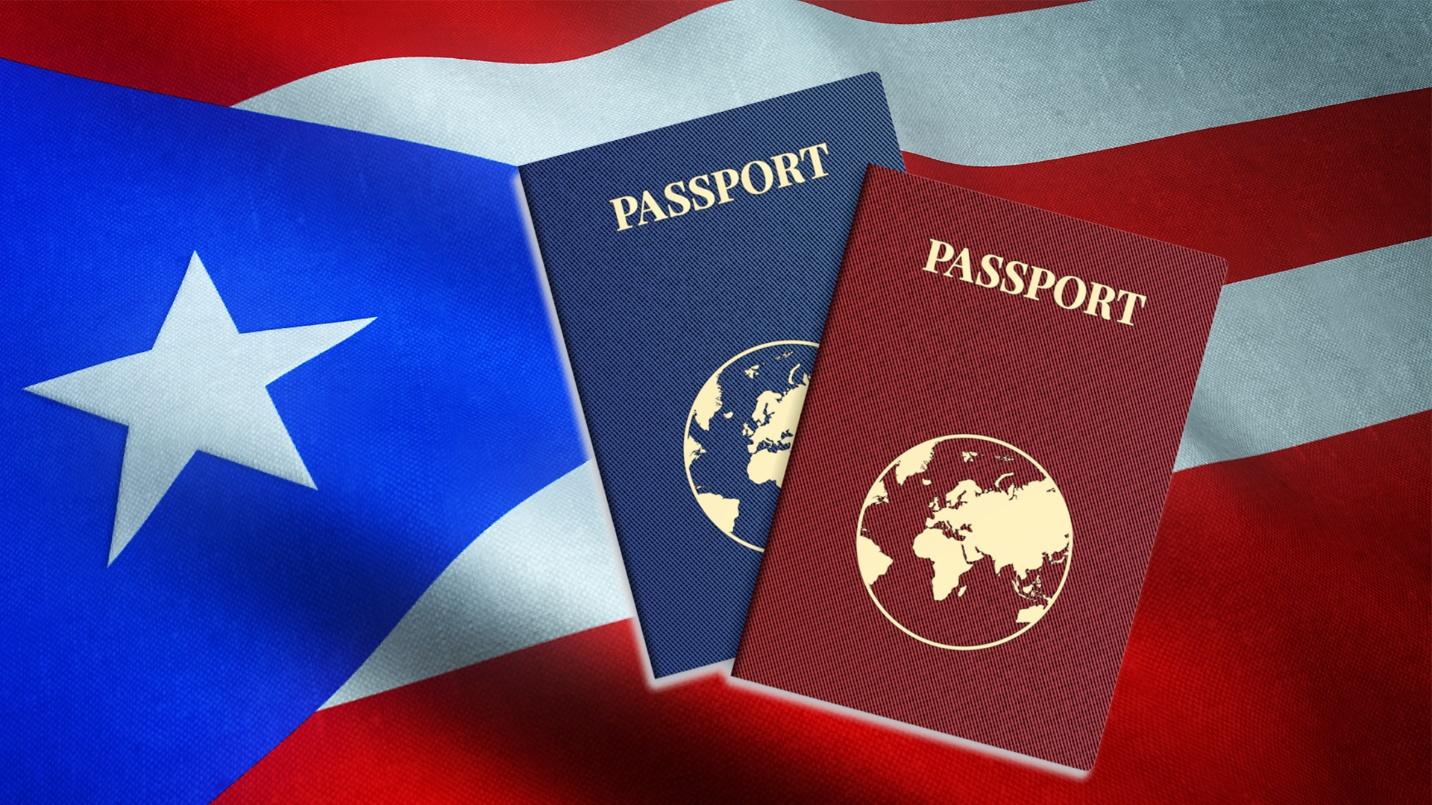
International travelers, meaning individuals who are not U.S. citizens or lawful permanent residents, will need a valid passport and, in most cases, a U.S. visa to enter Puerto Rico. The type of visa required depends on the purpose of travel (e.g., tourism, business, study).
Travelers from countries participating in the Visa Waiver Program (VWP) may be able to visit Puerto Rico for tourism or business for up to 90 days without a visa, provided they obtain an approved travel authorization through the Electronic System for Travel Authorization (ESTA) prior to their departure. It is crucial for international visitors to research the specific requirements based on their country of citizenship and purpose of travel by consulting the U.S. Department of State website or the nearest U.S. embassy or consulate.
Green Card Holders and Permanent Residents
Lawful Permanent Residents (Green Card holders) of the United States generally do not need a passport to travel to Puerto Rico. Their valid Permanent Resident Card (Form I-551) is sufficient for identification purposes for domestic air travel. However, carrying a valid passport from their country of citizenship alongside their Green Card is often recommended, especially if there’s a chance of needing to travel internationally afterward or if they encounter unforeseen circumstances.
Specific Cases (e.g., Canadian Citizens, other visa-exempt countries)
For citizens of Canada, who typically enjoy relatively relaxed entry requirements into the continental U.S. by land or sea, air travel to Puerto Rico still falls under the same rules as air travel to the mainland U.S.. This means a valid passport is required. Similarly, citizens of other countries with specific visa exemptions (e.g., Bermuda) must also adhere to the standard U.S. entry requirements for air travel to U.S. territories. The general rule for non-U.S. citizens is that if you need a passport to enter the United States, you will need it to enter Puerto Rico.
Essential Travel Preparations Beyond ID
While securing your identification is paramount, a successful trip to Puerto Rico also involves other important preparations. Focusing on these details will enhance your travel experience and ensure a smooth journey.
Air Travel and TSA Regulations
Beyond presenting your valid ID, remember that all standard TSA regulations for domestic flights apply. This includes restrictions on liquids, gels, and aerosols in carry-on luggage (3-1-1 rule), prohibitions on certain items, and procedures for security screenings. Familiarizing yourself with these guidelines beforehand can significantly speed up your time at the airport security checkpoint. Airlines also have specific baggage allowance rules, so it’s wise to check with your carrier regarding weight limits and dimensions for both checked and carry-on bags to avoid unexpected fees.
Best Practices for Document Security
Even though a passport isn’t always required, safeguarding your identification documents is critical. Consider these best practices:
- Keep your ID accessible but secure: During travel, keep your driver’s license or passport in a secure location, such as a wallet or a travel pouch that is not easily visible or accessible to pickpockets.
- Carry photocopies or digital copies: While not valid for identification at the TSA checkpoint, having a photocopy or a clear digital image of your ID on your phone can be invaluable in case your physical ID is lost or stolen. This can help with verification processes and obtaining temporary travel documents if needed.
- Inform your travel companions: If traveling with family or friends, ensure everyone understands the ID requirements and has their documents readily available.
Health and Safety Guidelines
While primarily about documentation, general health and safety considerations are always part of responsible travel. Stay informed about any current health advisories for Puerto Rico, such as those related to mosquito-borne illnesses or seasonal weather events. Pack appropriate clothing for the tropical climate, including sun protection and insect repellent. Be mindful of your surroundings, especially in unfamiliar areas, and take standard precautions to protect your personal belongings. Most importantly, consider travel insurance to cover unforeseen medical emergencies or trip cancellations, offering an extra layer of peace of mind.
Exploring Puerto Rico: What Awaits You
With your documentation in order, you’re ready to immerse yourself in the enchanting experiences Puerto Rico has to offer. The island is a treasure trove of history, natural beauty, and vibrant culture, promising an unforgettable adventure for every traveler.
San Juan and its Historic Charm
The capital city of San Juan is often the first stop for visitors, and for good reason. Old San Juan is a UNESCO World Heritage site, characterized by its colorful Spanish colonial architecture, cobblestone streets, and formidable fortresses. Explore the historic walls of El Morro and Castillo San Cristóbal, which once protected the island from invaders. Wander through the charming plazas, discover hidden courtyards, and enjoy the lively atmosphere of its restaurants, shops, and art galleries. The vibrant nightlife and rich culinary scene in San Juan also provide a taste of authentic Puerto Rican hospitality.
Natural Wonders and Outdoor Activities
Beyond its urban allure, Puerto Rico boasts incredible natural diversity. Venture into El Yunque National Forest, the only tropical rainforest in the U.S. National Forest System, where you can hike lush trails, discover stunning waterfalls, and listen to the unique call of the coqui frog. The island is also home to three of the world’s five bioluminescent bays — Mosquito Bay in Vieques, Laguna Grande in Fajardo, and La Parguera in Lajas. Kayaking through these glowing waters at night is a magical, once-in-a-lifetime experience. For beach lovers, the island offers miles of pristine coastline, from surfing hotspots to tranquil coves perfect for snorkeling and relaxation.
Cultural Immersion
Puerto Rico’s culture is a rich tapestry woven from Taíno, Spanish, and African influences, manifesting in its music, dance, cuisine, and traditions. Engage with locals, savor authentic Mofongo or Lechón Asado, and feel the rhythm of salsa and bomba music. Explore the smaller towns and villages to experience a different pace of life and discover local crafts and festivals. The warmth and hospitality of the Puerto Rican people will undoubtedly be one of the most memorable aspects of your trip.
In conclusion, for U.S. citizens, a passport is not required for travel to Puerto Rico, making it an accessible and enticing domestic destination. A valid government-issued photo ID is sufficient. For international travelers, standard U.S. entry requirements, including a passport and potentially a visa or ESTA, apply. With your documentation prepared, you’re all set to enjoy the splendor and adventure of this captivating Caribbean gem.
LifeOutOfTheBox is a participant in the Amazon Services LLC Associates Program, an affiliate advertising program designed to provide a means for sites to earn advertising fees by advertising and linking to Amazon.com. Amazon, the Amazon logo, AmazonSupply, and the AmazonSupply logo are trademarks of Amazon.com, Inc. or its affiliates. As an Amazon Associate we earn affiliate commissions from qualifying purchases.