
Planning a trip to the Big Apple can be an exhilarating experience, and one of the most crucial aspects of that planning often revolves around the weather. The question, “When does it start to get warm in New York?” is on the minds of many travelers hoping to experience the city in its most pleasant, sun-kissed months. While New York experiences distinct seasons, each offering its unique charm, there’s a certain magic that descends when the chill of winter finally retreats, and the city begins to thaw into warmer climes. This transition is a celebrated period, marked by longer days, blooming parks, and an uptick in outdoor activities.
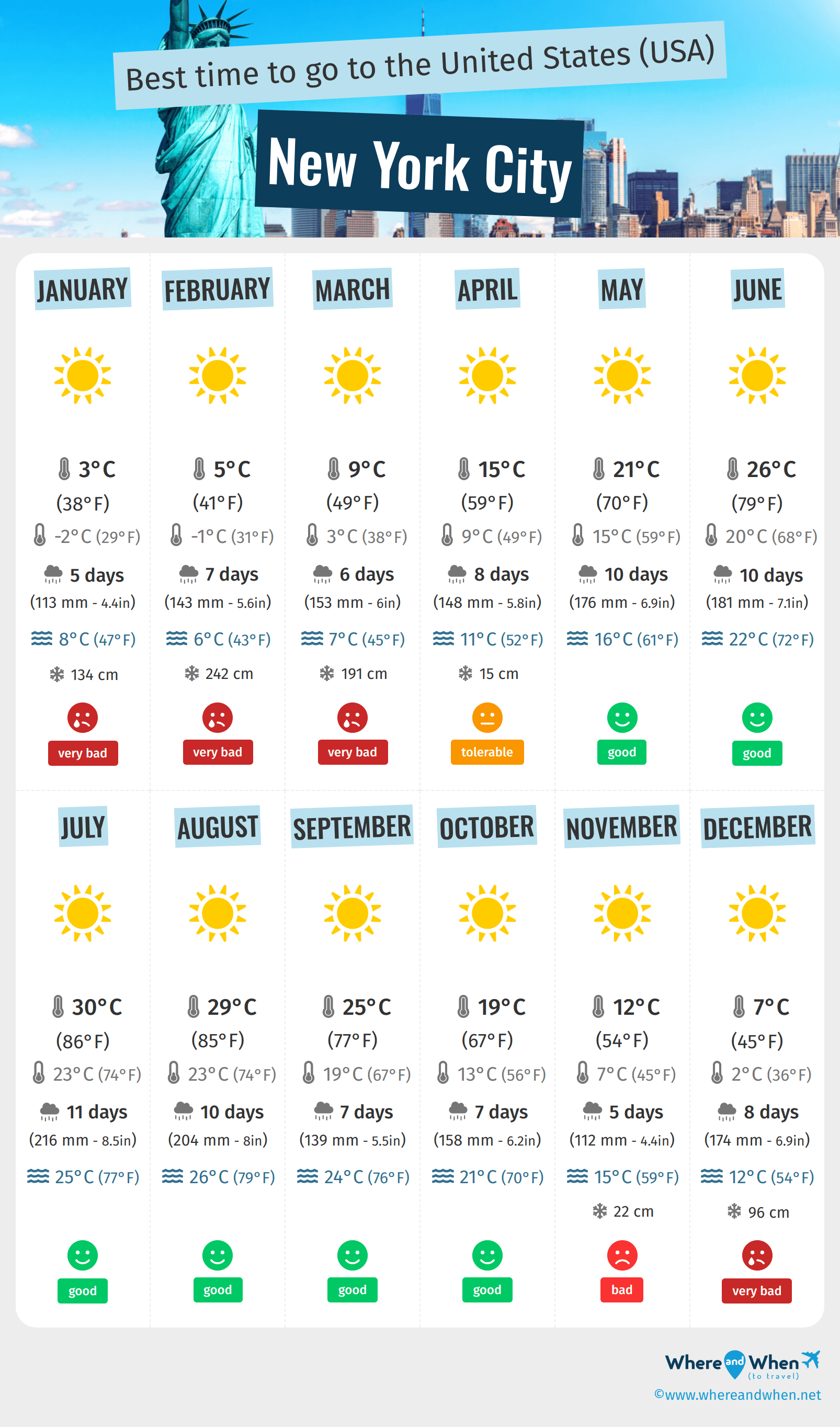
The precise moment when warmth truly settles in can be a nuanced affair. It’s not an abrupt switch from freezing to balmy but rather a gradual, often delightful, progression. Understanding this shift helps in timing your visit to align with your desired travel experience, whether you’re dreaming of strolling through Central Park in the gentle spring sun or enjoying al fresco dining on a lively New York street.
The Gradual Embrace of Spring: When the Chill Recedes
The answer to “When does it start to get warm in New York?” is intrinsically tied to the arrival of spring. This season, a period of renewal and burgeoning life, begins officially in March. However, March itself is a transitional month. While you might catch glimpses of sunshine and slightly milder temperatures, it’s often a fickle month, prone to lingering winter snaps. The average temperatures in March can still hover around the low to mid-40s Fahrenheit (around 4-7°C), with occasional days that feel warmer, and others that still require a good winter coat.
The true warmth, the kind that allows for comfortable exploration without bulky layers, typically begins to take hold in April. By April, New York starts to shed its winter coat in earnest. Daytime temperatures begin to climb into the 50s and even 60s Fahrenheit (10-15°C, sometimes higher), making it an ideal time for walking tours, visiting iconic landmarks like the Empire State Building, or enjoying a leisurely ferry ride to see the Statue of Liberty. The parks, dormant for months, begin to awaken, with early blossoms appearing on trees and a vibrant green hue returning to the landscape.
Embracing April’s Promise: Outdoor Activities Flourish
April marks a significant turning point in New York‘s weather. The days become noticeably longer, bathing the city in daylight for extended periods, which further enhances the feeling of warmth and invigoration. This is when you’ll see more locals and tourists alike venturing out to explore. Central Park becomes a hub of activity, with people picnicking, cycling, and simply enjoying the burgeoning spring. The city’s famous rooftops start to open their doors, offering spectacular views of the skyline with the added bonus of pleasant, comfortable air.
For travelers looking for a balance between pleasant weather and avoiding the peak summer crowds and prices, April often hits the sweet spot. You can enjoy many of the quintessential New York experiences without the intense heat or humidity that can define July and August. Think about leisurely strolls through neighborhoods like Greenwich Village or the Upper West Side, discovering charming boutiques and cafes.
May: The Quintessential Spring Warmth Arrives
By May, New York has fully embraced its spring warmth. This is arguably one of the most beautiful months to visit, as the city is awash in floral displays, and the temperatures are consistently delightful. Average daytime temperatures in May often reach into the 60s and 70s Fahrenheit (15-25°C), making it perfect for extended outdoor adventures. The evenings are pleasantly mild, ideal for enjoying dinner at one of the city’s many world-class restaurants or catching an outdoor performance.
May is a prime time for exploring New York‘s many attractions. Museums like the Metropolitan Museum of Art and the American Museum of Natural History are always popular, but the real draw during this time is the city’s vibrant outdoor life. Consider a bike ride across the Brooklyn Bridge, a visit to the High Line, an elevated park built on a historic freight rail line, or exploring the botanical gardens in the Bronx or Brooklyn. The energy of the city is palpable, fueled by the sunshine and the collective joy of emerging from winter.
The Transition to Summer: The Heat Begins to Build
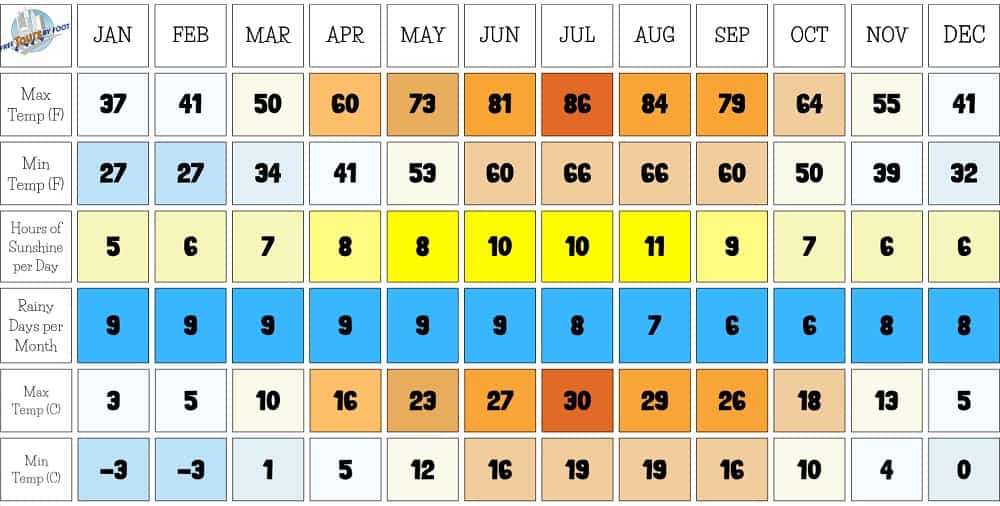
While May often brings ideal spring warmth, the question of “When does it start to get warm in New York?” can also be interpreted as when does the heat of summer truly begin. This transition is gradual, with June serving as the bridge between the comfortable warmth of spring and the more intense heat of mid-summer.
June: A Prelude to Summer Heat
June is typically a beautiful month in New York, often considered the start of summer for many. The temperatures are warm, with average highs consistently in the 70s and low 80s Fahrenheit (20-27°C). June offers the promise of long, sunny days, perfect for experiencing New York’s diverse array of activities and attractions. It’s a fantastic time to enjoy street festivals, outdoor concerts, and the many parks that dot the city.
However, June can sometimes bring with it the first hints of summer humidity, which can make the temperatures feel warmer than they are. While not yet the full-blown heat and humidity of July and August, it’s a good indicator of what’s to come. For many, June is the ideal month to visit, offering warm weather, abundant sunshine, and a lively atmosphere, before the more oppressive heat of peak summer arrives.
Factors Influencing Warmth in New York
Understanding when New York starts to get warm isn’t just about the calendar; it’s also influenced by a variety of meteorological and geographical factors. New York City‘s location on the northeastern coast of the United States means it experiences continental climate patterns, which can lead to significant temperature fluctuations throughout the year.
Microclimates within the City
Interestingly, even within New York City itself, there can be microclimates that affect perceived warmth. Areas further inland, away from the moderating influence of the Atlantic Ocean, might experience slightly warmer temperatures during the day but also cooler nights. Conversely, areas closer to the water, or on islands like Manhattan, can benefit from the sea breeze, which can offer a refreshing respite on hotter days. This is a detail that travelers staying in different boroughs or neighborhoods might notice. For instance, a hotel in Queens might feel a bit warmer than one in Brooklyn Heights on a given spring day.

Year-to-Year Variations
It’s also important to remember that weather is inherently variable. While historical averages provide a good guideline, individual years can deviate significantly. Some springs might arrive early, with a warm spell in late March, while others can be slow to release their grip, with April still feeling quite cool. Likewise, the intensity of summer heat can vary, with some years experiencing prolonged heatwaves and others having more temperate summers. Staying informed about weather forecasts closer to your travel dates is always a wise practice, regardless of when you plan to visit.
Ultimately, the arrival of consistent, pleasant warmth in New York is a process that unfolds throughout the spring months. While March offers hope, April brings noticeable improvement, and May typically delivers the quintessential warm spring experience, setting the stage for the summer to come. Regardless of the exact date, the transition is a time of renewal, vibrant energy, and unparalleled opportunities for travel and exploration in this iconic global city. Whether you’re seeking world-class accommodations, soaking in local culture, or marveling at historic landmarks, New York welcomes you with open arms as the warmth returns.
LifeOutOfTheBox is a participant in the Amazon Services LLC Associates Program, an affiliate advertising program designed to provide a means for sites to earn advertising fees by advertising and linking to Amazon.com. Amazon, the Amazon logo, AmazonSupply, and the AmazonSupply logo are trademarks of Amazon.com, Inc. or its affiliates. As an Amazon Associate we earn affiliate commissions from qualifying purchases.