
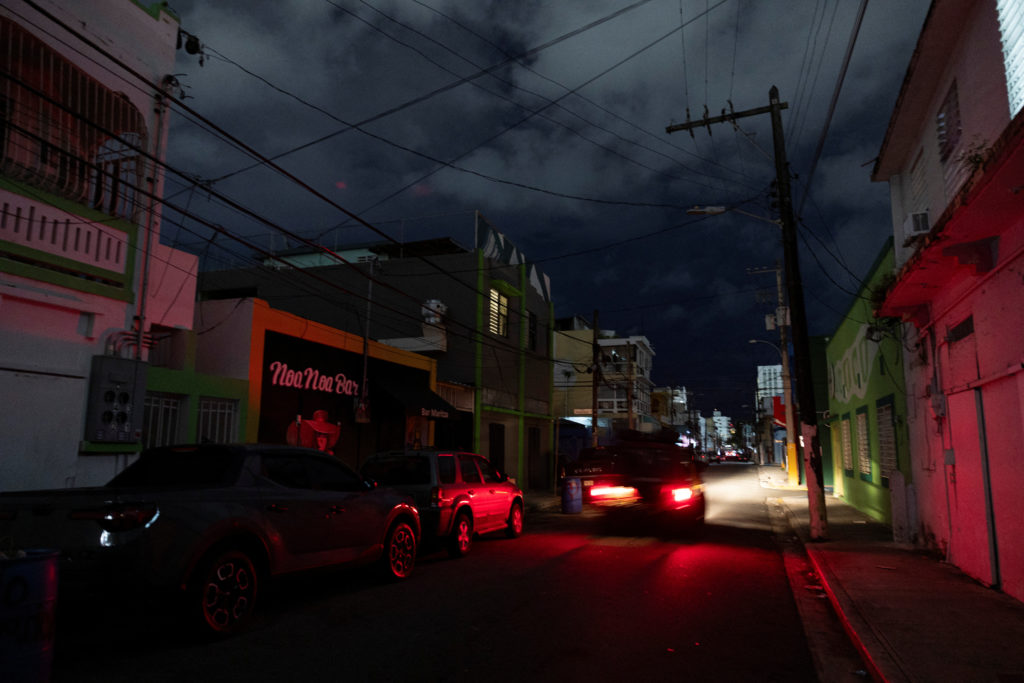
The question of whether the power is back on in Puerto Rico is not a simple yes or no. It’s a nuanced situation that has evolved significantly since major disruptions, most notably following Hurricane Maria in 2017 and subsequent storms. For travelers considering a visit, understanding the current state of the electrical grid is crucial for planning a smooth and enjoyable experience. While widespread outages are no longer the norm, localized issues and the ongoing modernization of the grid mean that a degree of preparedness and awareness is still recommended.
The Evolving Electrical Landscape
Following the devastation of Hurricane Maria, Puerto Rico faced an unprecedented challenge in restoring its power infrastructure. The storm exposed deep-seated vulnerabilities in the aging electrical grid, which had been underfunded and poorly maintained for years. The initial restoration efforts were slow and fraught with difficulties, leading to prolonged power outages across the island. This period significantly impacted daily life, businesses, and the tourism sector.

In the years since, there has been a monumental effort to rebuild and modernize the grid. This includes significant investment from both federal and local sources, aimed at creating a more resilient and sustainable energy system. The focus has shifted towards decentralization, the integration of renewable energy sources like solar power, and the deployment of microgrids. While substantial progress has been made, the sheer scale of the undertaking means that the process is ongoing.
Grid Modernization Projects
Numerous projects are underway to upgrade the island’s electrical infrastructure. These initiatives aim to enhance reliability, reduce the frequency and duration of outages, and transition towards cleaner energy sources. Key projects include:
- Grid Hardening: Fortifying existing infrastructure against extreme weather events through undergrounding power lines in critical areas and upgrading substations.
- Microgrid Development: Establishing localized power generation and distribution systems that can operate independently of the main grid during outages. This is particularly beneficial for essential services and tourist areas.
- Renewable Energy Integration: Increasing the capacity for solar and other renewable energy sources, which not only diversifies the energy mix but also contributes to grid stability.
- Smart Grid Technologies: Implementing advanced technologies for monitoring, control, and management of the electrical grid, allowing for faster detection and response to issues.
Impact on Daily Life and Businesses
For residents and businesses in Puerto Rico, the improved reliability of the power grid has been a significant development. While occasional localized outages can still occur, particularly after severe weather, they are generally shorter and less widespread than in the past. Many businesses, including hotels and restaurants, have invested in backup generators and solar power systems to ensure continuous operation, providing an added layer of security for visitors.
The improved power situation has been instrumental in the recovery and growth of the tourism industry. Hotels and resorts are now more confident in their ability to provide essential amenities and services without interruption. This stability is crucial for maintaining the guest experience and encouraging repeat visits.
What Travelers Need to Know
For tourists planning a trip to Puerto Rico, the question of power reliability is understandably important. While you should not expect widespread, prolonged blackouts like those experienced in the immediate aftermath of Hurricane Maria, it’s wise to be aware of the ongoing developments.
Current Power Availability
In general, major tourist destinations, hotels, and urban centers have stable power. The efforts to rebuild the grid have prioritized these areas, ensuring that essential services and tourist infrastructure are well-supported. You can expect electricity to be available for your accommodation, dining, and activities in most popular locations.
However, it’s worth noting that Puerto Rico is an island with diverse geography, including mountainous regions and more remote coastal areas. In these less densely populated or more exposed locations, occasional power interruptions might still occur, especially during periods of inclement weather. These are typically resolved relatively quickly.
Preparing for Potential Outages
While the grid is significantly improved, a small degree of preparedness is always prudent when traveling. This is standard advice for any destination, as minor electrical issues can arise anywhere.

- Backup Power at Accommodations: Most hotels and resorts in Puerto Rico are equipped with backup generators. If you are staying in a smaller guesthouse or a rental property, you may want to inquire about backup power availability.
- Portable Chargers and Power Banks: Bringing fully charged power banks for your electronic devices is always a good idea, regardless of your destination. This ensures you can stay connected and access essential information if an unexpected, brief outage occurs.
- Flashlights: A small, portable flashlight is a practical item to pack.
- Stay Informed: For the most up-to-date information, you can often check local news sources or inquire with your hotel concierge. The Puerto Rico Electric Power Authority (PREPA) website, while undergoing modernization itself, may offer some information on grid status or planned maintenance.
Tourism and Infrastructure
The resilience of Puerto Rico’s infrastructure, including its power grid, is a testament to the island’s commitment to recovery and its burgeoning tourism sector. Destinations like Old San Juan, with its historic charm and vibrant atmosphere, rely on stable power to welcome visitors. Similarly, beach resorts along the northern coast, such as those near Dorado, are equipped to offer seamless experiences.
The ongoing investments in renewable energy are also a positive aspect for eco-conscious travelers. Many hotels and attractions are increasingly incorporating sustainable practices, aligning with a global trend in responsible tourism.
Regions and Their Power Stability
While the overall situation is positive, understanding that different regions of Puerto Rico might experience variations is helpful for planning.
San Juan Metropolitan Area
The capital city and its surrounding areas, including San Juan, Carolina, and Bayamón, generally have the most robust and reliable power supply. This is due to the concentration of businesses, government facilities, and the majority of the island’s tourism infrastructure. Major hotels, convention centers, and popular attractions in this region operate with a high degree of consistency.
Coastal Regions and Islands
Coastal areas, including popular tourist spots like Ponce on the southern coast and towns along the east, such as Fajardo (gateway to the islands of Culebra and Vieques), also benefit from significant grid improvements. The smaller islands of Culebra and Vieques, while more remote, have also seen investments in microgrids and improved energy resilience to support their tourism economies. However, due to their distance from the mainland grid, these islands might be more susceptible to longer restoration times if a significant issue arises.
Inland and Mountainous Areas
The interior of Puerto Rico, with its lush mountains and agricultural communities, presents a different scenario. These areas are more challenging to maintain and protect from weather impacts. While power has been restored and is generally reliable, travelers venturing into the El Yunque National Forest or visiting rural towns should be aware that localized, shorter outages are more likely here, particularly during tropical storm seasons.
The Future of Energy in Puerto Rico
The narrative of power in Puerto Rico is one of continuous recovery and transformation. The challenges of the past have spurred an ambitious vision for a modern, resilient, and sustainable energy future. This commitment to improvement directly benefits the tourism sector, ensuring that Puerto Rico remains an attractive and reliable destination.
Renewable Energy Initiatives
A significant thrust of the modernization is the push towards renewable energy. The goal is to not only reduce reliance on imported fossil fuels but also to create a more decentralized and robust energy system. Solar power, in particular, is a growing component, with many businesses and homes installing solar panels. This distributed generation model enhances grid stability and reduces the impact of single points of failure.
Grid Resilience and Climate Change Adaptation
Puerto Rico is on the front lines of climate change, facing the increasing threat of hurricanes and extreme weather. The ongoing upgrades to the electrical grid are designed with this reality in mind. Hardening the infrastructure, incorporating smart technologies, and developing microgrids are all crucial steps in adapting to a changing climate and ensuring that the island can withstand future challenges.
For travelers, this means that the investments in the power grid are not just about restoring normalcy but about building a more secure and sustainable future for Puerto Rico and its vibrant tourism industry. The island is not only bouncing back but is actively reinventing itself, offering a compelling and reliable destination for those seeking adventure, culture, and relaxation.
LifeOutOfTheBox is a participant in the Amazon Services LLC Associates Program, an affiliate advertising program designed to provide a means for sites to earn advertising fees by advertising and linking to Amazon.com. Amazon, the Amazon logo, AmazonSupply, and the AmazonSupply logo are trademarks of Amazon.com, Inc. or its affiliates. As an Amazon Associate we earn affiliate commissions from qualifying purchases.