
Understanding the current time in New Orleans is more than just a practical necessity for travelers; it’s the first step in synchronizing with the unique rhythm of this vibrant city. Whether you’re planning an early morning swamp tour, a late-night jazz set, or simply aiming to make your dinner reservation, knowing the local time is paramount. New Orleans observes the Central Time Zone, which means it adheres to either Central Standard Time (CST) or Central Daylight Time (CDT) depending on the time of year. This distinction is crucial for accurately scheduling your adventures, from exploring the historic French Quarter to experiencing the lively atmosphere of Frenchmen Street.

This guide will not only clarify the current time but also delve into the implications for your travel plans, helping you make the most of every moment in the Big Easy. Understanding time zone differences can prevent missed flights, ensure you’re present for iconic parades, and allow you to fully immerse yourself in the cultural tapestry that makes New Orleans an unforgettable destination.
Navigating Time Zones for Your New Orleans Adventure
The temporal landscape of New Orleans is defined by the Central Time Zone. This zone spans a significant portion of the United States, and New Orleans is firmly within its embrace. The designation of this zone is a practical matter of coordinating activities across a vast geographical area. For travelers arriving from other parts of the country or the world, understanding this zone is the first crucial step in adjusting to local life.
Central Standard Time (CST) vs. Central Daylight Time (CDT)
The Central Time Zone operates on two different standards throughout the year: Central Standard Time (CST) and Central Daylight Time (CDT). The transition between these two occurs with Daylight Saving Time, which typically begins on the second Sunday in March and ends on the first Sunday in November. During CST, the zone is UTC-6, meaning it is six hours behind Coordinated Universal Time. Once Daylight Saving Time commences, New Orleans shifts to CDT, which is UTC-5, effectively moving the clock forward by one hour.
This shift is important for several reasons. Firstly, it impacts flight schedules and arrival times. Secondly, it affects the duration of daylight, which can influence when you plan outdoor activities, such as a stroll through the Garden District or a visit to City Park. Being aware of whether New Orleans is currently observing CST or CDT will help you accurately gauge travel times, plan your sightseeing, and ensure you don’t miss out on the city’s abundant daytime and evening attractions.
Impact on Travel Planning
The time in New Orleans directly influences numerous aspects of your trip. For those coordinating travel with family or friends, establishing a common understanding of the local time is essential to avoid confusion. When booking flights to Louis Armstrong New Orleans International Airport, always verify the arrival and departure times in local New Orleans time. Similarly, when arranging airport transfers or car rentals, ensure your booking aligns with the actual time you’ll be landing.
Reservations at popular restaurants, such as those in the French Quarter or the trendy Warehouse District, should also be confirmed with the local time in mind. Many establishments have specific seating times, and arriving significantly early or late can disrupt your dining experience. Furthermore, activities like guided tours, cooking classes, and performances are scheduled precisely, making punctuality a virtue. For instance, if you’ve booked a ghost tour of St. Louis Cemetery No. 1, arriving on time is non-negotiable.
Embracing the New Orleans Pace: Time and Daily Life
Beyond the logistics of travel, understanding the time in New Orleans offers insight into the city’s unique cadence of daily life. The concept of time here often feels more fluid, influenced by the rich cultural heritage and the pervasive spirit of enjoyment that permeates the city.
Morning Rituals and Early Activities
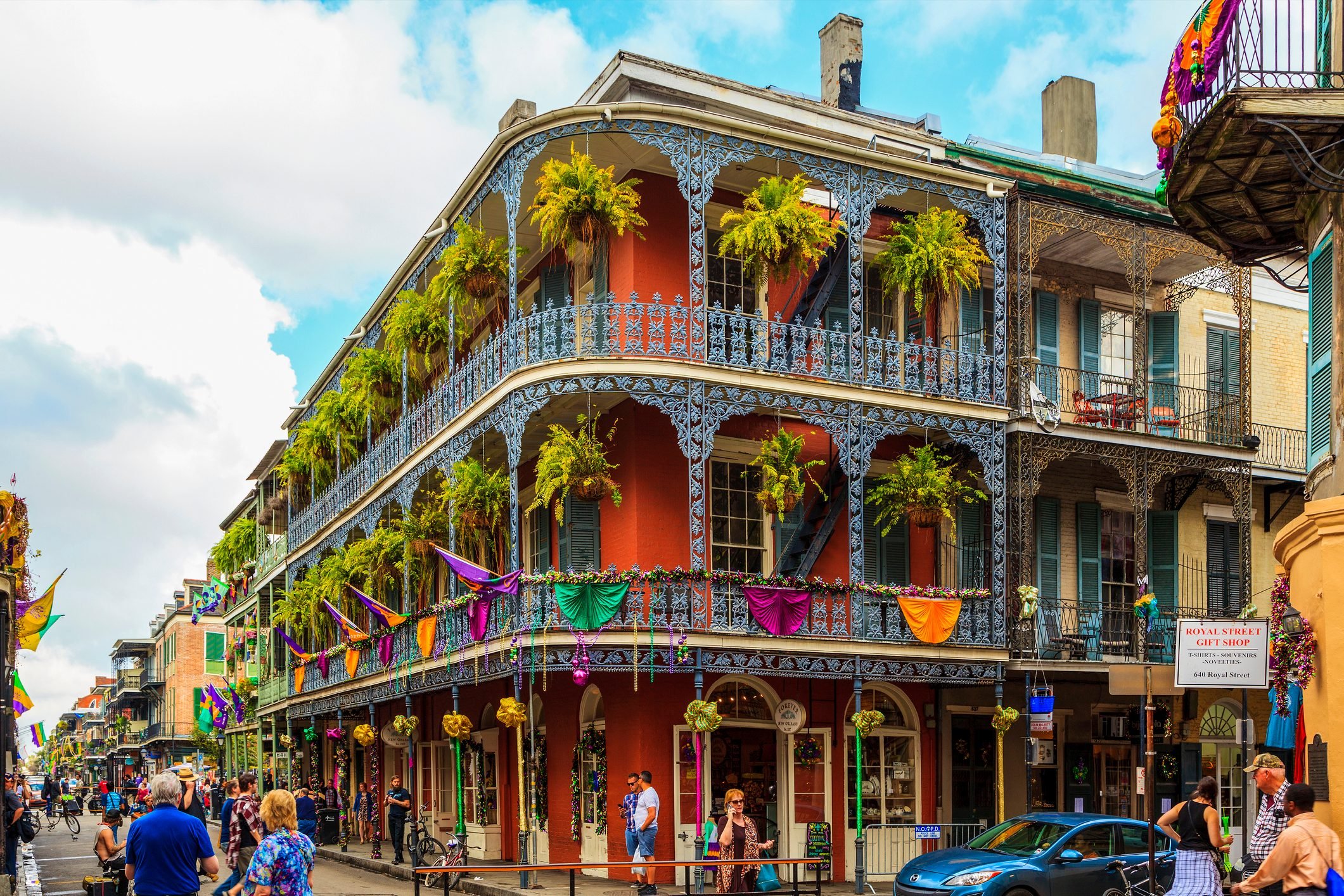
Mornings in New Orleans can begin with the aroma of freshly brewed chicory coffee and beignets at Café Du Monde. These establishments often open very early, catering to early risers and those eager to start their day with a classic New Orleans treat. For the more adventurous, early morning is an ideal time for activities like kayaking in the nearby bayous or taking a peaceful stroll through the tranquil Audubon Park before the heat of the day sets in. These early hours also provide a wonderful opportunity to witness the city awaken without the usual crowds, allowing for a more intimate experience of its charm.
Midday Exploration and Attractions
As the day progresses, New Orleans comes alive with a flurry of activity. Museums like the New Orleans Museum of Art and historical sites such as the Old Ursuline Convent Museum welcome visitors throughout the afternoon. Lunchtimes are a prime opportunity to sample the city’s diverse culinary offerings, from po’boys at a local deli to fine dining experiences in the French Quarter. Shopping on Magazine Street or browsing the art galleries in the Arts District are popular midday pursuits. Many streetcar lines, like the iconic St. Charles Avenue line, operate throughout the day, offering a picturesque and convenient way to traverse the city and its neighborhoods.
Evening Entertainment and Nightlife
New Orleans truly shines as the sun begins to set. The city’s legendary nightlife kicks into high gear, offering an unparalleled array of entertainment options. Jazz clubs on Frenchmen Street begin to fill with musicians and patrons, creating an electric atmosphere. The French Quarter pulsates with live music spilling from bars and courtyards. Dinner reservations are typically made for the evening, with restaurants offering diverse menus that reflect the city’s Creole and Cajun influences. Whether you’re seeking a sophisticated cocktail in the Warehouse District or a raucous evening of dancing, the timing of your arrival can significantly shape your experience. Many nighttime tours, such as those exploring the city’s haunted history or its vibrant music scene, are scheduled for the late evening, allowing you to fully immerse yourself in the mystique of New Orleans after dark.
Practical Tips for Time Management in the Big Easy
Mastering the local time in New Orleans can elevate your travel experience from good to extraordinary. By being mindful of the time zone and its implications, you can ensure a smoother, more enjoyable, and ultimately more fulfilling visit.
Staying Updated on Time Changes
The most straightforward way to know the current time in New Orleans is to check a reliable time source, such as your smartphone, a world clock website, or by asking a local. Given the shift between CST and CDT, it’s wise to confirm the current time before your trip and during your stay, especially if you’re traveling around the Daylight Saving Time transition periods. Many travel apps automatically update to local time, but it’s always good practice to double-check, particularly for critical bookings.
Coordinating with Local Events and Schedules
New Orleans is renowned for its vibrant calendar of festivals, parades, and special events. Mardi Gras, Jazz Fest, and numerous other celebrations often have specific start and end times that are strictly adhered to. Consulting local event schedules and tourist information websites will provide precise timings for these happenings. Planning your itinerary around these events, factoring in travel time and potential crowds, is key to experiencing the full magic of New Orleans. For instance, securing a good viewing spot for a parade on St. Charles Avenue often requires arriving well in advance of its scheduled start time.
The Art of “New Orleans Time”
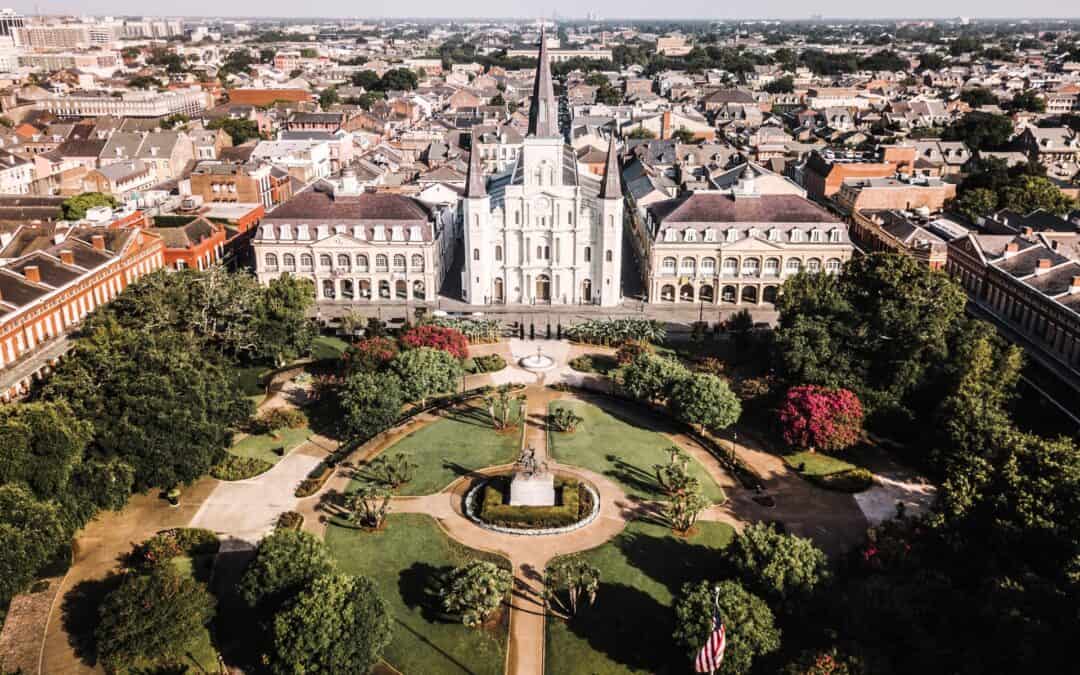
While precision is important for travel logistics, it’s also worth noting that New Orleans has a reputation for a more relaxed approach to time, often referred to as “New Orleans time.” This isn’t an excuse for lateness but rather a cultural acknowledgment that life is meant to be savored. Conversations might linger longer, meals are enjoyed leisurely, and the spontaneous enjoyment of music and company is highly valued. While you should always strive to be punctual for appointments and reservations, allow yourself the grace to embrace this laid-back philosophy. It’s this unique blend of structured schedules and unhurried enjoyment that makes New Orleans so captivating. By understanding the actual time and appreciating the local tempo, you can truly connect with the soul of this extraordinary city.
LifeOutOfTheBox is a participant in the Amazon Services LLC Associates Program, an affiliate advertising program designed to provide a means for sites to earn advertising fees by advertising and linking to Amazon.com. Amazon, the Amazon logo, AmazonSupply, and the AmazonSupply logo are trademarks of Amazon.com, Inc. or its affiliates. As an Amazon Associate we earn affiliate commissions from qualifying purchases.