
Understanding the deductibility of property taxes is a critical component of financial planning for anyone owning or considering long-term accommodation in California. For homeowners, property taxes represent a significant ongoing expense, directly impacting the overall cost of their residence. Navigating the complexities of federal and state tax codes is essential for effectively managing these housing-related expenditures.
Understanding Property Tax in California’s Accommodation Landscape
Property taxes in California are a primary source of funding for local government services, including schools, police and fire departments, and public infrastructure. For those establishing a long-term residence, these taxes are an unavoidable and substantial annual cost, making their deductibility a key concern for budgeting and financial stability.

The Basics of Property Tax Assessment
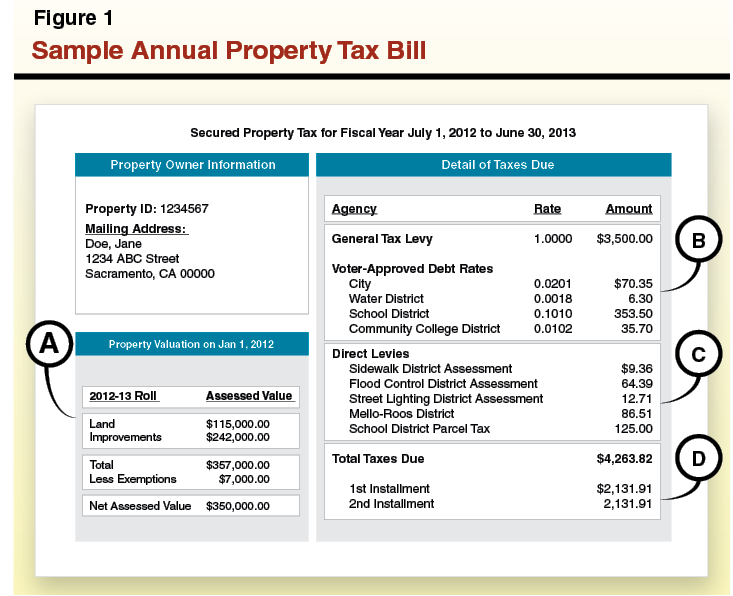
In California, property taxes are primarily governed by Proposition 13, a landmark constitutional amendment passed in 1978. This proposition generally limits the annual increase in a property’s assessed value to no more than 2% per year, unless there is a change in ownership or new construction. When a property is purchased, it is reassessed to its fair market value, establishing a new base year value. The tax rate itself is generally limited to 1% of the assessed value, plus any voter-approved local bonds or special assessments. This structure provides a degree of predictability for homeowners regarding their annual tax liability, an important factor when considering the long-term affordability of a home.
For individuals planning their long-term accommodation, understanding how Proposition 13 impacts their specific property is vital. A newly purchased home will have a significantly higher property tax basis than a comparable home owned for decades, which can lead to substantial differences in annual housing costs. These taxes are typically paid in two installments: the first due on November 1st and delinquent after December 10th, and the second due on February 1st and delinquent after April 10th.
Who Pays Property Tax in California?
Property taxes are levied on all real property in California, which includes land, permanent structures, and fixtures. Therefore, the responsibility for these payments falls directly on property owners. For those considering homeownership as a form of long-term accommodation, this means incorporating property tax into their monthly or annual budget alongside mortgage payments, insurance, and maintenance costs. While renters do not directly pay property tax, the cost is often indirectly passed on to them through higher rent prices, as landlords factor these expenses into their operational costs. However, the direct deductibility discussions primarily pertain to those who hold title to the property.
Understanding this direct financial obligation is crucial for anyone evaluating the true cost of owning a home versus renting an apartment or other long-term rental accommodation. The ability to deduct a portion of these taxes can significantly offset the overall financial burden, making homeownership potentially more attractive or manageable.
Federal Deductibility: The SALT Cap’s Impact on California Homeowners
The federal deductibility of state and local taxes (SALT), including property taxes, has undergone significant changes in recent years, particularly affecting homeowners in high-tax states like California. This federal provision has a substantial impact on the after-tax cost of accommodation for many residents.
The Pre-TCJA Era
Prior to the enactment of the Tax Cuts and Jobs Act (TCJA) of 2017, taxpayers who itemized their deductions could generally deduct the full amount of state and local taxes paid, including property taxes, state income taxes, and sales taxes, without a cap. This unlimited deduction provided significant tax relief for homeowners, especially those in areas with high property values and state income tax rates, like many parts of California. For many, this effectively lowered their total taxable income, making homeownership more financially viable by reducing the net cost of their long-term accommodation.
The Post-TCJA Reality and the SALT Limit
The TCJA introduced a major change: it capped the deduction for state and local taxes, including property taxes, at $10,000 per household per year. This cap applies to the total amount of state and local income, sales, and property taxes combined. For married couples filing separately, the cap is $5,000 per person. This change, effective from 2018 through 2025, has had a profound effect on California homeowners, many of whom pay significantly more than $10,000 annually in property taxes alone, let alone combined with state income taxes.
For example, a homeowner in Los Angeles with an annual property tax bill of $15,000 and state income taxes of $12,000 would have previously been able to deduct $27,000. Under the TCJA, they can only deduct $10,000. This means a substantial portion of their state and local tax burden is no longer deductible on their federal income tax return.
Implications for Accommodation Costs
The $10,000 SALT cap effectively increases the after-tax cost of homeownership for many California residents. This is a critical consideration for anyone evaluating the long-term financial commitments of buying a home in the state. What was once a significant tax benefit to offset housing expenses has been considerably curtailed.
Homeowners accustomed to these deductions have seen their federal taxable income increase, potentially pushing them into higher tax brackets or reducing their overall refunds. This shifts the financial landscape for long-term accommodation, making it even more important for prospective buyers and current owners to meticulously factor these changes into their personal finance strategies. It underscores the importance of a comprehensive understanding of all costs associated with owning a home, beyond just the purchase price and mortgage interest.
California State Tax Deductibility
While federal tax law significantly impacts the deductibility of property taxes for California residents, it’s also important to consider state-level tax provisions. The interaction between federal and state tax codes can further complicate the overall financial picture for homeowners.
No Direct State Income Tax Deduction for Property Tax
Unlike the federal system (even with the SALT cap), California does not offer a direct deduction for property taxes paid on state income tax returns. California’s state income tax system has its own set of standard and itemized deductions, but property taxes are not among the itemized deductions that can be claimed to reduce state taxable income.
This means that while a homeowner might get some limited federal tax relief (up to the $10,000 SALT cap), there is no additional deduction on their California state income tax return specifically for the property taxes they pay. This further emphasizes the substantial, non-deductible financial outlay associated with owning long-term accommodation in California. It reinforces the need for accurate financial forecasting when planning for homeownership in the state.
Other Potential State-Level Relief or Credits
Although there isn’t a direct property tax deduction on California state income tax returns, some limited programs or credits might offer relief for specific groups of homeowners. For instance, the Homeowners’ Property Tax Exemption reduces the taxable value of an owner-occupied primary residence by up to $7,000, which can result in a small annual savings (typically around $70 based on the 1% tax rate). This is not a deduction but rather a reduction in the assessed value upon which the tax is calculated.
Additionally, certain programs might exist for seniors, disabled persons, or veterans that offer property tax deferrals or exclusions. These are typically targeted relief programs rather than broad deductions available to all homeowners. While these programs can provide valuable support for eligible individuals, they do not change the general rule regarding the non-deductibility of property taxes on California state income tax returns for the vast majority of homeowners managing their long-term accommodation costs. Staying informed about such specific programs is advisable for those who may qualify.
Navigating Property Tax for Long-Term Accommodation Planning
For anyone establishing a permanent residence in California, understanding and planning for property taxes is as crucial as understanding mortgage interest rates or home insurance premiums. The significant financial commitment demands a proactive approach to financial management.
Budgeting and Financial Planning
The impact of property taxes, especially with the federal SALT cap, must be thoroughly integrated into a household’s budget. For a $1,000,000 home in California, property taxes could easily exceed $10,000 annually, meaning much of this expense is not federally deductible and none is state deductible. This necessitates allocating a larger portion of disposable income to housing costs than might be expected in states with lower property taxes or more generous deduction policies.
When evaluating potential properties for long-term accommodation, prospective buyers should not only consider the sticker price and mortgage payment but also the projected annual property tax bill and how that interacts with their overall tax strategy. This includes understanding the specific tax rates and any local assessments applicable to the desired location, be it San Francisco, San Diego, or a smaller community.
The Role of Property Tax in Homeownership Decisions
The deductibility, or lack thereof, of property taxes plays a significant role in the broader decision to purchase and maintain long-term accommodation. For some, the reduced federal deduction might make renting a more financially appealing option, especially if they anticipate moving within a few years. For others committed to homeownership, it might influence their budget for a home, leading them to consider properties with lower assessed values to keep property tax burdens manageable.
It also highlights the importance of mortgage interest deductions, which remain largely intact, as a counterbalance to the reduced SALT deduction. Homeowners often weigh these various factors to determine the most financially sound approach to their accommodation choices.

Consulting with Tax Professionals
Given the complexities of both federal and California state tax laws, and the substantial sums involved, it is highly advisable for homeowners or prospective buyers to consult with a qualified tax professional. A Certified Public Accountant (CPA) or an enrolled agent can provide personalized advice based on individual financial circumstances. They can help homeowners understand their specific deductibility limits, identify any potential state or local relief programs they might qualify for, and assist with overall tax planning to optimize their financial situation related to their long-term accommodation. Relying on professional guidance ensures that homeowners are leveraging all available strategies to manage their property tax burden effectively.
LifeOutOfTheBox is a participant in the Amazon Services LLC Associates Program, an affiliate advertising program designed to provide a means for sites to earn advertising fees by advertising and linking to Amazon.com. Amazon, the Amazon logo, AmazonSupply, and the AmazonSupply logo are trademarks of Amazon.com, Inc. or its affiliates. As an Amazon Associate we earn affiliate commissions from qualifying purchases.