
Embarking on a journey to the Golden State requires more than just a packing list and a meticulously planned itinerary; it demands a fundamental understanding of its temporal landscape. For countless travelers, particularly those venturing from different corners of the globe or even other parts of the United States, the question often arises: “Is PST California time?” The simple answer is yes, largely, but the nuances are crucial for a seamless and stress-free travel experience. California primarily operates on Pacific Standard Time (PST) during the winter months and Pacific Daylight Time (PDT) during the warmer months, as it observes Daylight Saving. This distinction, while seemingly minor, holds significant implications for everything from catching a flight to attending a planned event or even just calling loved ones back home.

Understanding the intricacies of time zones is not merely an academic exercise for travelers; it’s a practical necessity that can dramatically impact the quality of your trip. From avoiding missed connections to optimizing your schedule to combat jet lag, a firm grasp of California’s time zone ensures you’re always in sync with your surroundings. This comprehensive guide will demystify PST and PDT, explain their geographical scope, and provide actionable insights for navigating time differences, allowing you to fully immerse yourself in all the beauty and excitement the state has to offer without a single temporal misstep.
Demystifying PST: What Exactly is Pacific Standard Time?
To truly grasp California’s time, we must first delve into the fundamental concepts of time zones and the specific characteristics of Pacific Standard Time (PST). This understanding forms the bedrock of efficient travel planning and execution.
The Basics of Time Zones and UTC
Our planet is divided into 24 primary time zones, each generally spanning 15 degrees of longitude. These zones are referenced against Coordinated Universal Time (UTC), which is the primary time standard by which the world regulates clocks and time. UTC is derived from International Atomic Time (TAI) with leap seconds added to keep it within 0.9 seconds of universal time (UT1), which is defined by the Earth’s rotation. Historically, Greenwich Mean Time (GMT) served a similar purpose, and while often used interchangeably with UTC, they are technically distinct. UTC is a standard, while GMT is a time zone.
PST is one of these standardized time zones, specifically designated as UTC-8. This means that California time, during the period it observes PST, is 8 hours behind Coordinated Universal Time. When it’s noon UTC, it’s 4 AM in a region observing PST. This offset is critical for international travelers or those communicating across continents, as it provides a universal benchmark for calculating time differences. Understanding this relationship to UTC allows travelers to quickly calculate their local time relative to their destination, a skill invaluable for scheduling international flights or coordinating with contacts in other parts of the world.
PST vs. PDT: Understanding Daylight Saving
The answer to “Is PST California time?” becomes more complex with the introduction of Daylight Saving Time (DST). Most regions observing PST, including California, switch to Pacific Daylight Time (PDT) during a portion of the year. PDT is UTC-7, meaning the clocks are moved forward by one hour from PST. This shift typically occurs on the second Sunday in March, when clocks “spring forward” one hour, and reverts on the first Sunday in November, when they “fall back” one hour to PST.
This annual adjustment aims to make better use of daylight, providing more daylight in the evenings during the warmer months. For travelers, this means that during roughly eight months of the year, California is on PDT, not PST. Failing to account for this switch can lead to significant confusion, from missing early morning flights to arriving an hour late for a reservation. Always verify whether your travel dates fall within PST or PDT to ensure your schedule aligns with local time. Travel apps and online time zone converters are indispensable tools for this verification, particularly when booking flights or accommodations months in advance.
Geographical Scope: Beyond California
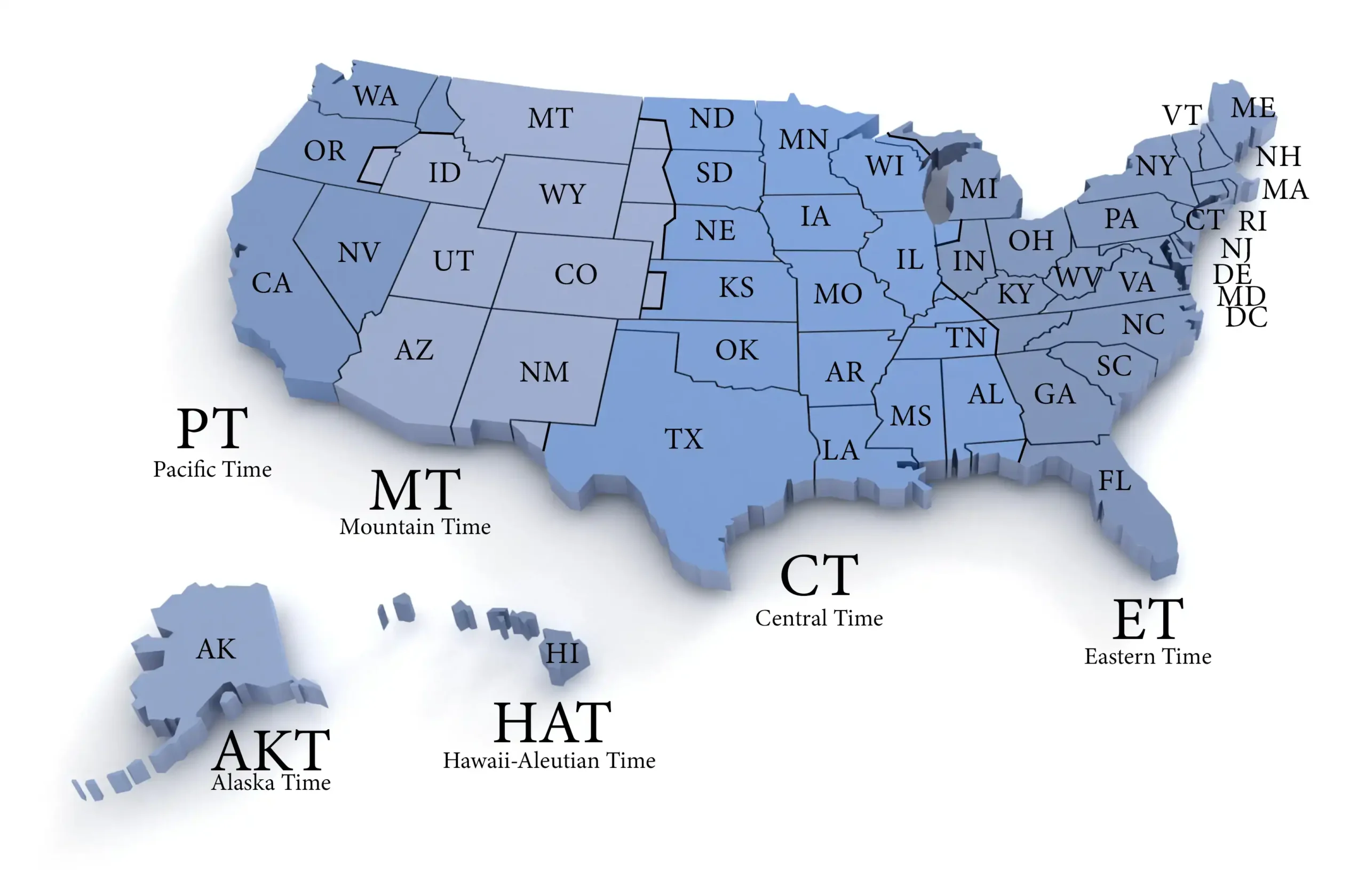
While California is a prominent state observing PST/PDT, it’s important to remember that the Pacific Time Zone encompasses a much broader geographical area. This includes all of Nevada, much of Oregon and Washington, and parts of Idaho. Additionally, several Canadian provinces and territories, and even parts of Mexico, observe this same time zone.
Understanding this wider scope is particularly relevant for travelers planning multi-state road trips or cross-border excursions. For instance, driving from Los Angeles to Las Vegas in Nevada requires no time adjustment, as both cities are in the Pacific Time Zone. However, a trip further east into Arizona (which largely does not observe Daylight Saving Time and primarily uses Mountain Standard Time, MST) would necessitate a time change, further complicating the matter. Being aware of the exact boundaries and DST practices of adjacent states is crucial for seamless transitions and accurate scheduling when your travels extend beyond the borders of California itself.
California’s Time Landscape: A Traveler’s Guide
Navigating the temporal landscape of California is a critical component of any successful trip. From major metropolises to remote natural wonders, understanding the local time ensures your plans unfold without a hitch.
Major Cities and Their Time: Los Angeles, San Francisco, San Diego
Every major city within California, without exception, adheres to the Pacific Time Zone (PST/PDT). This uniformity simplifies planning considerably within the state’s borders. Whether you’re planning to explore the iconic beaches and Hollywood glamour of Los Angeles, marvel at the Golden Gate Bridge and vibrant culture of San Francisco, or soak up the sun in the coastal charm of San Diego, the time will be consistent across these major hubs.
This consistency is a major advantage for travelers undertaking multi-city tours within California. You won’t need to adjust your watch or phone as you travel from north to south or vice-versa. However, it’s paramount to always verify whether it’s PST or PDT during your specific travel dates. For example, if you book a tour for 9:00 AM in San Francisco in July, you’re planning for 9:00 AM PDT. If that same tour were booked in December, it would be 9:00 AM PST. The distinction impacts the perceived amount of daylight and overall schedule, particularly when making plans that hinge on sunrise or sunset.
The Impact of Time Zones on Travel Planning: Flights, Meetings, Attractions
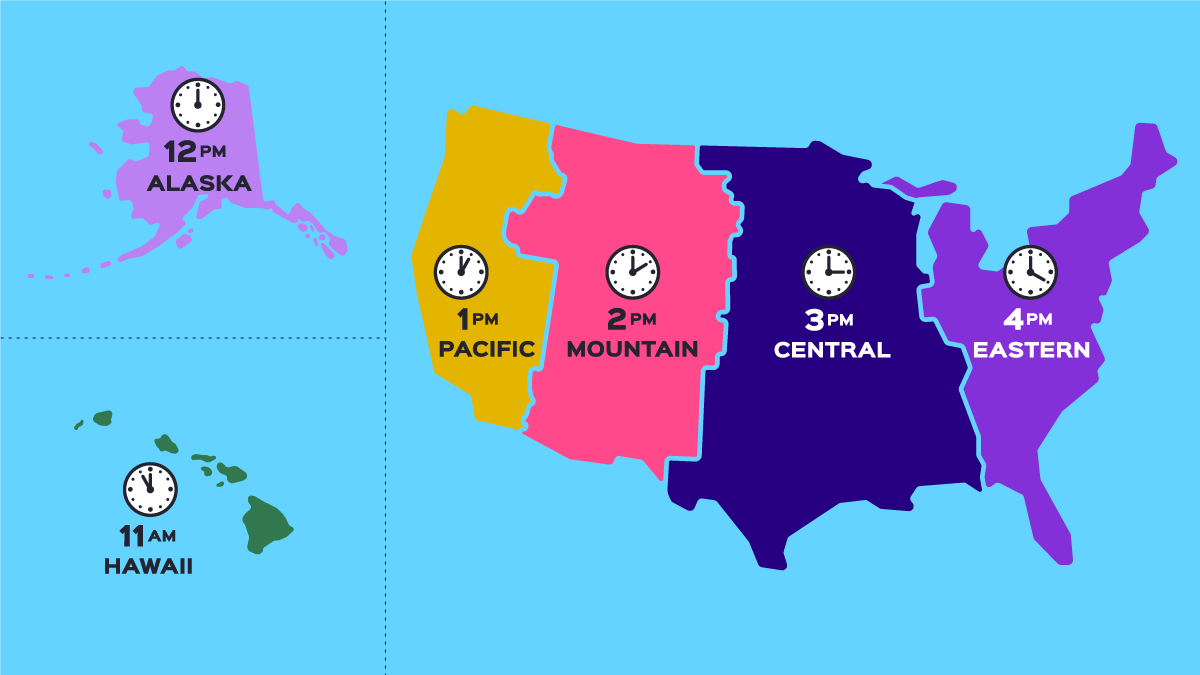
The influence of time zones extends to nearly every facet of travel planning. For flights, understanding the time zone of both your origin and destination is non-negotiable. Flight schedules often list times in local time, which can be deceptive. A flight departing from New York City (Eastern Time, ET, UTC-5) at 9:00 AM and arriving in Los Angeles (Pacific Time, PT, UTC-8) at 12:00 PM local time represents a significant time shift and actual travel duration. Factoring in the three-hour time difference, the flight duration would actually be 6 hours, not 3. Always confirm departure and arrival times based on the local time zones to avoid missed connections or early arrivals.
Similarly, if you’re traveling for business or planning to meet friends or family, precise time zone awareness is crucial. A 10:00 AM meeting in California means a 1:00 PM meeting for someone on the East Coast. For tourist attractions, while operating hours are generally listed in local time, understanding how your body clock adjusts (or doesn’t) to the new time zone affects your energy levels and ability to enjoy scheduled activities. Planning more relaxed activities for your first day after a significant time change, especially when flying from east to west, can greatly enhance your initial experience.
Inter-State Travel: Crossing Time Zone Borders
While California maintains a consistent time zone, its proximity to other states necessitates careful attention when planning journeys that cross state lines. As mentioned, Nevada largely shares the Pacific Time Zone. This means a road trip from Los Angeles to Las Vegas will involve no time change, which is convenient.
However, states like Arizona introduce complexity. Most of Arizona observes Mountain Standard Time (MST) year-round and does not switch to Daylight Saving Time. This means that during the spring, summer, and early fall (when California is on PDT, UTC-7), Arizona (on MST, UTC-7) will be on the same time as California. But during the winter (when California reverts to PST, UTC-8), Arizona will be one hour ahead of [California](https://lifeoutofthebox.com/california]. This peculiar shift requires careful planning, especially when crossing the border near popular attractions like the Grand Canyon or the Hoover Dam. Always consult an up-to-date time zone map and confirm local times for destinations just across state borders to prevent scheduling errors and ensure smooth transitions.
Navigating Time Differences for a Seamless California Experience
Successfully adjusting to California’s time zone is paramount for maximizing your enjoyment and minimizing travel fatigue. Proactive strategies can significantly enhance your ability to adapt and thrive.
Beating Jet Lag: Tips for East-to-West Travelers
Traveling from east to west, as many do when heading to California from the East Coast or Europe, typically makes jet lag easier to manage than west-to-east travel. This is because you are effectively gaining hours, making your day longer. However, the disruption to your circadian rhythm can still manifest as fatigue, sleep disturbances, and reduced mental clarity.
To combat this:
- Adjust Before You Go: A few days before your trip, try to shift your sleep schedule closer to California time. Go to bed and wake up an hour or two later.
- Hydrate and Avoid Alcohol/Caffeine: Staying well-hydrated before, during, and after your flight is crucial. Alcohol and excessive caffeine can disrupt sleep patterns and exacerbate dehydration.
- Embrace Daylight: Upon arrival, expose yourself to natural light as much as possible, especially in the morning. This helps reset your body’s internal clock.
- Stick to Local Schedule: As tempting as it might be to nap upon arrival, try to stay awake until a reasonable local bedtime. Eat meals at local times to further anchor your body to the new schedule.
- Gentle First Day: Don’t overschedule your first full day. Opt for lighter activities and allow your body to gradually adjust to the new rhythm. A leisurely stroll along a California beach might be more beneficial than an intense theme park visit on day one.
Scheduling Activities: Making the Most of Your Day
Effective scheduling hinges on your understanding of local time. When planning your days in California, consider the time zone shift and its implications for both early mornings and late evenings. If you’re an early riser from the East Coast, those first few California mornings might see you wide awake at 4 AM local time. This can be an advantage for visiting popular attractions before the crowds arrive, such as an early morning hike in Yosemite National Park or a serene sunrise photo session at the Santa Monica Pier.
Conversely, evening activities might feel later than you’re used to. A 7 PM dinner reservation in Los Angeles would feel like 10 PM to someone from New York. Plan accordingly, perhaps scheduling slightly earlier dinners or allowing for more relaxed evenings to combat potential fatigue. Always double-check operating hours for museums, parks, and restaurants, as these are strictly tied to local time and can vary seasonally or on holidays.
Communication Across Time Zones: Staying Connected
Maintaining communication with friends, family, or colleagues in different time zones requires careful consideration. A casual phone call that seems appropriate from your perspective might be an inconvenient interruption for someone many hours ahead or behind you.
Before making contact:
- Use Time Zone Converters: Numerous apps and websites can quickly show you the current time in multiple locations simultaneously.
- Agree on a Communication Window: If regular communication is necessary, establish a mutually convenient window. For example, if you’re in California (PDT, UTC-7) and your family is in London (BST, UTC+1), a 9 AM California call would be 5 PM in London – often a workable time.
- Consider Asynchronous Communication: For non-urgent matters, email or messaging apps allow people to respond at their convenience, circumventing immediate time zone clashes.
- Be Mindful of Notifications: If you have family members or colleagues in vastly different time zones, adjust your notification settings to avoid disturbing them with alerts that arrive in the middle of their night.
Thoughtful communication planning ensures you stay connected without causing unnecessary inconvenience, fostering positive relationships throughout your travels.
Common Pitfalls and How to Avoid Them
Despite the best intentions, time zone transitions can still present challenges. Being aware of common pitfalls can help travelers preempt and avoid them, ensuring a smoother journey.
Double-Checking Booking Confirmations
One of the most frequent and impactful errors travelers make is misinterpreting booking confirmations. While most reputable booking platforms specify times in the local time zone of the service being booked, it’s not always explicitly highlighted, or the traveler may overlook the detail.
- Flights: Always verify departure and arrival times for flights against the specific time zone of the airport. A flight listed at “9:00 AM” from San Francisco means 9:00 AM Pacific Time, not necessarily your home time. Pay close attention to the small print or abbreviations like “PDT” or “PST” next to the times.
- Accommodations: Check check-in and check-out times. Arriving too early or too late based on a miscalculation can lead to unnecessary waiting or even an extra night’s charge.
- Tours and Activities: Confirm the exact start time and meeting point in local California time. A 10 AM whale watching tour will depart at 10 AM, regardless of when your body thinks it is.
- Transportation: For trains, buses, or shuttle services, adhere strictly to the local schedule. Public transport typically does not wait for individual time zone adjustments.
Make it a habit to convert all critical times to your “new” local time upon arrival, and perhaps even write them down as a failsafe.
The Perils of Automatic Device Updates
Most smartphones and modern electronic devices are designed to automatically update to the local time zone when they detect a change in location (e.g., via cell tower signals or GPS). While this feature is incredibly convenient and often reliable, it’s not infallible and can sometimes lead to confusion.
- Manual Override: If you’re traveling very close to a time zone border or experiencing spotty signal, your device might temporarily cling to the previous time zone or struggle to update. Always cross-reference your phone’s time with other reliable sources, such as a clock in your hotel lobby or a local business, upon arrival.
- Dual Time Zone Clocks: Many travelers find it useful to set a world clock on their phone or smartwatch that displays both their home time and the local California time. This helps keep track of both simultaneously.
- Daylight Saving Glitches: Although rare, some older devices or specific software versions might encounter glitches when transitioning to or from Daylight Saving Time. Ensure your device’s operating system is up to date.
Always use your device’s automatic update feature, but maintain a healthy skepticism and a manual verification habit, especially for crucial appointments.
When Local Time Matters Most: Public Transport & Event Timings
Beyond flights and hotel check-ins, local time precision is paramount for public transportation and scheduled events.
- Public Transportation: California’s major cities like Los Angeles and San Francisco have extensive public transport networks. Buses, trains, and subways run on strict local schedules. Missing a bus by a minute due to time zone confusion can lead to significant delays, especially during off-peak hours. Always check apps or physical schedules for the current local time.
- Concerts, Shows, & Sporting Events: Tickets for concerts at the Hollywood Bowl, a Golden State Warriors game, or a theatrical performance in San Diego will always list the start time in local California time. Arriving late due to time zone miscalculation means missing parts of the event, and in some cases, being denied entry until an intermission.
- Restaurant Reservations: Punctuality is appreciated, if not expected, for dining reservations, especially at popular California restaurants. Arriving an hour late because you forgot about Daylight Saving Time can mean losing your table.
The key to avoiding these pitfalls is vigilance. Before any scheduled activity, take a moment to confirm the time against a reliable local clock source and ensure your internal body clock (or at least your watch) is aligned with California time.
Beyond Time: Essential Travel Tips for California
While mastering California’s time zone is an indispensable aspect of travel planning, it’s just one piece of the puzzle for an unforgettable experience. The state’s immense diversity calls for broader considerations.
Exploring Diverse Regions: From Redwood National Park to Death Valley
California is a land of incredible contrasts, encompassing everything from towering ancient forests to scorching desert landscapes.
- Coastal Wonders: Drive the iconic Pacific Coast Highway, visiting scenic spots like Big Sur and charming towns such as Carmel-by-the-Sea. Enjoy the vibrant city life of San Francisco or the relaxed vibes of San Diego.
- National Parks: Discover the majestic giants of Redwood National Park in the north, the breathtaking granite cliffs and waterfalls of Yosemite National Park in the Sierra Nevada, and the unique, extreme beauty of Death Valley National Park in the southeast. Each park offers distinct experiences and requires specific preparation, from appropriate gear to understanding local regulations.
- Wine Country: Indulge in world-class wines in Napa Valley and Sonoma County, combining gourmet dining with picturesque vineyards.
Planning for these diverse regions means considering not just time, but also weather variations, driving distances, and specialized gear. A trip from a foggy San Francisco morning to a blazing Death Valley afternoon requires vastly different attire and hydration strategies.
Best Seasons to Visit and How Time Influences Day Length
The “best” time to visit California depends entirely on your planned activities.
- Spring (March-May): Pleasant temperatures, blooming wildflowers, and fewer crowds make this ideal for hiking and exploring. This period often sees the transition from PST to PDT, meaning longer daylight hours start to emerge.
- Summer (June-August): Peak season for beaches and coastal activities. Expect warmer temperatures inland and larger crowds. Being fully in PDT during these months maximizes daylight for evening activities.
- Fall (September-November): Excellent for wine tasting, inland hiking, and enjoying warmer coastal weather without the intense summer crowds. This is when the state transitions back from PDT to PST, shortening daylight in the evenings.
- Winter (December-February): Ideal for skiing in the Sierra Nevada mountains or exploring the desert parks where temperatures are milder. Coastal areas are cooler and wetter, offering a different kind of charm. With PST in full effect, days are at their shortest, making efficient scheduling vital for daylight-dependent activities.
Understanding the seasonal changes and how they correlate with PST/PDT (and thus daylight length) allows you to optimize your itinerary. If you prioritize long evenings, aim for summer; if you prefer crisp, clear mornings, fall or spring might be better.
Embracing the California Lifestyle
Ultimately, a trip to California is about more than just checking off landmarks; it’s about embracing a lifestyle. This involves a laid-back attitude mixed with an appreciation for nature, innovation, and diverse cultures.
- Flexibility: While planning is key, allow for some spontaneity. California offers endless opportunities for discovery.
- Outdoor Activities: Incorporate hiking, surfing, biking, or simply strolling along the beach into your schedule.
- Local Cuisine: Explore the farm-to-table movement, diverse ethnic foods, and world-class wineries.
- Sustainability: Many California communities prioritize environmental consciousness. Embrace responsible tourism practices.
By being mindful of time, preparing for geographical diversity, and opening yourself to the unique spirit of the state, you can ensure your California adventure is as enriching and memorable as the destination itself. So, yes, PST (and PDT) is California time, and understanding it is your first step towards an extraordinary journey.
LifeOutOfTheBox is a participant in the Amazon Services LLC Associates Program, an affiliate advertising program designed to provide a means for sites to earn advertising fees by advertising and linking to Amazon.com. Amazon, the Amazon logo, AmazonSupply, and the AmazonSupply logo are trademarks of Amazon.com, Inc. or its affiliates. As an Amazon Associate we earn affiliate commissions from qualifying purchases.