
For many prospective travelers planning their next adventure, the question of Puerto Rico’s political status often arises. Is it an independent nation? Is it a state? The answer profoundly influences travel logistics, cultural immersion, and even the perception of the destination. To clarify, Puerto Rico is not a state in the United States. Instead, it holds the unique status of an unincorporated territory of the United States, often referred to as a commonwealth. This designation carries specific implications for governance, citizenship, and, crucially, for those wishing to explore its vibrant landscapes, rich history, and captivating culture. Understanding this status is key to unlocking a seamless and enriching travel experience to this jewel of the Caribbean.
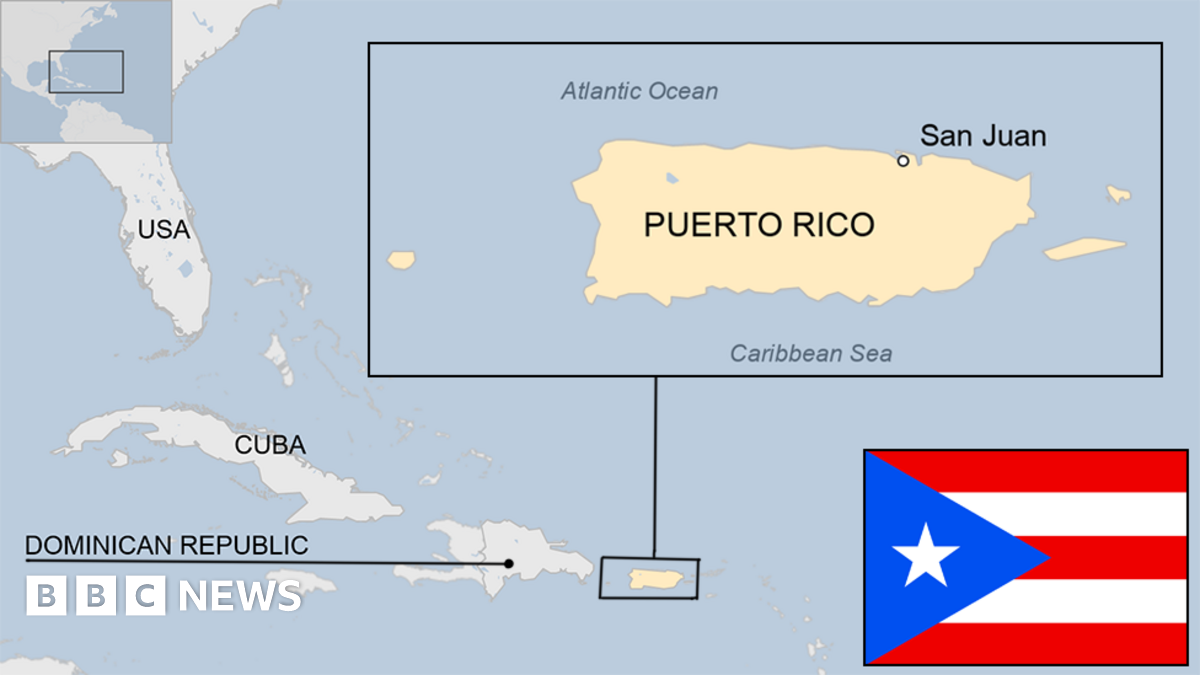
This article will delve into what being a U.S. territory entails, particularly from a traveler’s perspective. We will explore the historical context, the practicalities for both United States citizens and international visitors, and highlight why Puerto Rico’s distinctive position makes it an exceptional destination, blending American convenience with a deeply Caribbean soul.
Understanding Puerto Rico’s Political Status
Puerto Rico’s political status is a complex tapestry woven from centuries of history and ongoing debates. While geographically distinct from the continental United States, its ties run deep, influencing nearly every aspect of life on the island, including its appeal as a travel destination.
A Commonwealth, Not a State
As an unincorporated territory or commonwealth, Puerto Rico exists under the sovereignty of the United States Congress. This means that while its residents are U.S. citizens, they cannot vote in presidential elections and have only non-voting representation in the U.S. Congress. The island has its own constitution, which provides for a republican form of government similar to U.S. states, with executive, legislative, and judicial branches. However, federal laws generally apply, and the U.S. federal government maintains ultimate authority. For travelers, this unique arrangement translates into a familiar legal and economic framework, yet with a distinctly non-mainland feel.
Historical Context of its Relationship with the U.S.
The relationship between Puerto Rico and the United States dates back to 1898, when Puerto Rico was ceded by Spain to the U.S. following the Spanish-American War. Initially governed by military rule, it transitioned to civilian administration, and in 1917, the Jones-Shafroth Act granted statutory U.S. citizenship to Puerto Ricans. In 1952, Puerto Rico adopted its own Constitution and established its commonwealth status. This history explains the blend of cultures—the enduring Spanish colonial influence alongside the pervasive presence of American institutions and products.
The Ongoing Debate: Statehood vs. Independence vs. Status Quo
The question of Puerto Rico’s ultimate political status—whether it should become a U.S. state, achieve independence, or maintain its current commonwealth status—is a perennial and deeply divisive issue on the island. Plebiscites have been held over the decades, with varying results, reflecting the diverse aspirations of its population. While the debate continues to shape the island’s political landscape, it largely remains a domestic concern, allowing travelers to enjoy Puerto Rico’s beauty and culture without being directly impacted by the ongoing political discourse.
Travel Implications for U.S. Citizens
For citizens of the United States, Puerto Rico’s status as a territory makes it an exceptionally convenient and attractive travel destination. It offers an international flavor without the usual international travel hassles.
No Passport Required, Easy Travel
One of the most significant advantages for U.S. citizens is that a passport is not required for travel to Puerto Rico. Travelers simply need a valid government-issued photo identification, such as a driver’s license, just like traveling between any two U.S. states. This simplifies planning, eliminates the need for passport renewals, and makes last-minute trips far more feasible. It effectively feels like a domestic flight within the United States, offering a sense of security and familiarity from the moment you book your flight.
Currency, Language, and Legal Framework
The official currency in Puerto Rico is the U.S. dollar (USD), eliminating the need for currency exchange and simplifying budgeting. Spanish and English are both official languages, though Spanish is more widely spoken, especially outside of tourist hubs. Most tourism-related services and many residents are conversant in English, making communication generally easy for English-speaking visitors. The legal system largely mirrors that of the United States, providing a familiar framework for safety, consumer protection, and general conduct. These factors combine to create a highly accessible travel environment for American visitors, bridging cultural immersion with practical ease.
Air Travel and Customs
Flights to Puerto Rico from the continental United States are treated as domestic flights. There are no customs declarations or immigration checks upon arrival or departure for U.S. citizens. This means a quicker, smoother airport experience, allowing travelers to dive into their vacation sooner. Baggage restrictions and security procedures are identical to those for domestic U.S. travel.
What This Means for International Travelers
While Puerto Rico’s status simplifies travel for U.S. citizens, international visitors should understand that their entry requirements are generally the same as if they were traveling to any U.S. state.

U.S. Visa Rules Apply
For non-U.S. citizens, entry requirements for Puerto Rico are identical to those for entering the mainland United States. This means that international travelers will need a valid passport and, depending on their country of origin, a U.S. visa or an approved Electronic System for Travel Authorization (ESTA) under the Visa Waiver Program. It is crucial to secure all necessary documentation before planning your trip to avoid any issues upon arrival.
Entry Procedures
Upon arrival in Puerto Rico, international visitors will go through U.S. Customs and Border Protection. The process is the same as arriving at any international airport in the [United States](https://lifeoutofthebox.com/united states), including interviews with border agents and biometric scans. Therefore, international travelers should prepare for the standard U.S. entry procedures, ensuring all documents are in order and any required forms are completed.
Puerto Rico as a Premier Travel Destination
Regardless of its political status, Puerto Rico stands out as a world-class travel destination. Its unique blend of cultures, stunning natural landscapes, and vibrant atmosphere promises an unforgettable experience for all visitors.
Rich Culture and History
Puerto Rico’s culture is a fascinating fusion of Taino indigenous heritage, Spanish colonial influence, and African and American traditions. This blend is evident in its music, art, cuisine, and architecture. The historic district of Old San Juan, a UNESCO World Heritage site, is a testament to its colonial past, with its colorful buildings, cobblestone streets, and formidable fortresses like El Morro. Exploring these sites offers a profound journey through centuries of history.
Diverse Natural Beauty
From the sandy shores and bioluminescent bays to the lush mountains and the only tropical rainforest in the U.S. National Forest System, El Yunque National Forest, Puerto Rico boasts incredible natural diversity. Travelers can spend their mornings hiking through mist-shrouded peaks and their afternoons snorkeling in crystal-clear waters. The island’s varied ecosystems provide endless opportunities for adventure and relaxation, appealing to nature lovers and thrill-seekers alike.
Vibrant Culinary Scene and Activities
Puerto Rico’s culinary scene is a feast for the senses, known for its “cocina criolla,” a delicious mix of Spanish, African, and Taino flavors. From street food like pinchos and alcapurrias to upscale dining in San Juan, there’s something to satisfy every palate. Beyond food, the island offers a plethora of activities: surfing, zip-lining, caving, salsa dancing, and experiencing lively festivals that celebrate its unique heritage.
Planning Your Trip: Essential Travel Tips
Making the most of your trip to Puerto Rico involves some practical planning, ensuring a smooth and enjoyable experience.
Best Time to Visit
The peak tourist season in Puerto Rico runs from December to May, offering cooler, drier weather. This period is ideal for exploring the island’s attractions, though prices for flights and accommodations may be higher. The off-season (June to November) is warmer and wetter, with the possibility of hurricanes, but also offers fewer crowds and potentially better deals. Travelers should monitor weather forecasts if planning a trip during hurricane season.
Getting Around
Renting a car is generally recommended for exploring beyond San Juan, providing the flexibility to discover hidden beaches and remote natural wonders. Public transportation is limited outside the capital. Taxis and ride-sharing services are available in metropolitan areas. Remember that road signs are in Spanish, and distances are often measured in kilometers, though speed limits are in miles per hour, reflecting the island’s dual influences.
Safety and Preparedness
Like any travel destination, it’s wise to stay informed and exercise general safety precautions. Research reputable accommodations, be aware of your surroundings, and secure valuables. While tap water is generally safe to drink in most areas, bottled water is widely available. Pack light, breathable clothing, swimwear, and comfortable walking shoes. Don’t forget sunscreen, insect repellent, and any necessary medications.
In conclusion, while Puerto Rico is not a state in the United States, its status as a commonwealth offers a unique blend of familiarity and exoticism for travelers. U.S. citizens benefit from passport-free travel and a common currency, while international visitors navigate the same entry requirements as for the mainland U.S. Regardless of where you hail from, Puerto Rico’s unparalleled beauty, rich cultural tapestry, and welcoming atmosphere make it an unmissable destination for those seeking adventure, relaxation, and a taste of the Caribbean with an American twist.
LifeOutOfTheBox is a participant in the Amazon Services LLC Associates Program, an affiliate advertising program designed to provide a means for sites to earn advertising fees by advertising and linking to Amazon.com. Amazon, the Amazon logo, AmazonSupply, and the AmazonSupply logo are trademarks of Amazon.com, Inc. or its affiliates. As an Amazon Associate we earn affiliate commissions from qualifying purchases.