
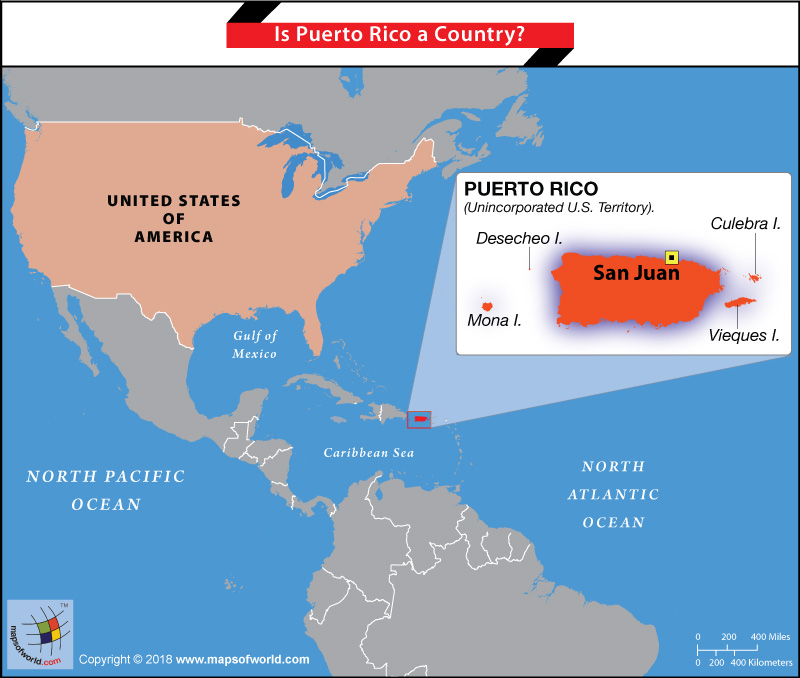
The question “Is Puerto Rico Part Of The United States?” is one frequently posed by curious travelers and those seeking to understand the unique political status of this vibrant Caribbean Sea island. The answer, while seemingly straightforward, is nuanced and carries significant implications for anyone planning to visit or engage with the territory. In essence, Puerto Rico is an unincorporated territory of the United States, operating as a commonwealth. This distinctive relationship grants its residents U.S. citizenship while maintaining a separate cultural identity and a degree of self-governance. For travelers, understanding this status is key to navigating the island, appreciating its unique blend of influences, and ensuring a seamless experience. Far from being just another foreign destination, Puerto Rico offers an accessible international experience without the typical complexities associated with overseas travel for U.S. citizens, yet it retains a distinctly non-mainland American flavor that captivates all who visit.

The Official Status: A Commonwealth of the U.S.
To fully grasp Puerto Rico’s relationship with the United States, it’s essential to delve into its historical trajectory and the legal framework that defines its current status. This political arrangement shapes everything from its economy to its culture, directly influencing the experience of travelers.
Historical Context and Acquisition
Puerto Rico’s connection to the United States dates back to 1898, following the conclusion of the Spanish-American War. As a result of the Treaty of Paris (1898), Spain ceded Puerto Rico, along with Cuba and Guam, to the United States. Initially governed under military rule, the island gradually gained more autonomy. A pivotal moment arrived with the passage of the Jones-Shafroth Act (1917), which granted U.S. statutory citizenship to Puerto Ricans. This act laid much of the groundwork for the unique commonwealth status that would be formally established decades later.
Defining Commonwealth Status
A commonwealth, in the context of Puerto Rico, signifies a self-governing political entity associated with another country. While Puerto Rico operates under its own constitution, enacted in 1952, and has a locally elected governor and legislature, it remains subject to U.S. federal law. The U.S. Congress holds ultimate authority over the island, meaning federal laws generally apply, though there are specific exemptions. For instance, Puerto Rico does not have voting representation in the U.S. Congress, nor do its residents vote in presidential elections, despite being U.S. citizens. This “unincorporated territory” designation means that certain parts of the U.S. Constitution apply, but not all.
Citizenship and Rights
One of the most significant aspects of Puerto Rico’s status is that its residents are U.S. citizens. This means they carry U.S. passports, can travel freely between the island and the mainland United States without immigration checks, and are subject to U.S. federal laws. However, there are distinctions. While they pay federal taxes such as Social Security and Medicare, most residents do not pay federal income tax on income earned in Puerto Rico. They are eligible for federal programs but often receive less funding than states. These differences underscore the complex nature of the island’s relationship with the mainland, impacting everything from economic development to social services.
Implications for Travelers
For visitors, Puerto Rico’s status as a U.S. territory simplifies many aspects of travel, making it an incredibly accessible and appealing destination for millions. This ease of access, combined with its unique cultural tapestry, makes for a compelling travel proposition.
Passport and Entry Requirements
One of the primary advantages for U.S. citizens traveling to Puerto Rico is the absence of passport requirements. Since it is part of the United States, domestic travel rules apply. U.S. citizens can simply use a valid government-issued photo ID, such as a driver’s license, to enter and exit the island, just as they would for any domestic flight. This eliminates the need for international customs and immigration processes, saving time and simplifying travel logistics. For international visitors, standard U.S. entry requirements apply, meaning a valid passport and any necessary visas for entry into the United States are required.
Currency and Language
Another significant convenience for travelers from the mainland is the use of the U.S. Dollar as the official currency. This means no currency exchange is necessary, and financial transactions are seamless. ATMs are widely available, and major credit cards are accepted at most establishments, making budgeting and spending straightforward. While English is an official language and widely spoken, especially in tourist areas like San Juan and by service industry professionals, Spanish is the dominant language spoken by the local population. Travelers will find that knowing a few basic Spanish phrases can enhance their experience and is always appreciated, but it’s not strictly necessary for navigation.
Legal Framework and Protections
As a U.S. territory, Puerto Rico operates under the U.S. legal system, with federal laws applying alongside local laws. This provides a layer of familiarity and protection for U.S. travelers. Consumer protections, civil rights, and public safety standards generally align with those on the mainland. Emergency services, including 911, function similarly. While general travel precautions are always advised, visitors can feel confident in the established legal and safety frameworks, which contribute to a secure and enjoyable travel environment.
Why Puerto Rico Feels Unique
Despite its ties to the United States, Puerto Rico maintains a distinct identity that sets it apart. This unique character is a major draw for travelers seeking both familiarity and exoticism in a single destination.
Rich Cultural Heritage
Puerto Rico’s culture is a vibrant fusion of Taíno, African, and Spanish influences, layered with over a century of American impact. This rich tapestry is evident in its music (salsa, reggaeton), dance, art, and festivals. Walking through the colorful streets of Old San Juan, with its colonial architecture and cobblestone streets, feels distinctly European, yet the energy and rhythm are undeniably Caribbean. The island’s culinary scene is a testament to this blend, offering everything from traditional mofongo and lechon to modern fusion cuisine, each dish telling a story of its diverse heritage.
Distinctive Natural Landscapes
Beyond its cultural allure, Puerto Rico boasts an incredible diversity of natural landscapes. It is home to the only tropical rainforest in the U.S. National Forest System, El Yunque National Forest, where lush trails lead to breathtaking waterfalls and panoramic views. The island also features pristine beaches, from the famous crescent of Flamenco Beach on Culebra to the surfing mecca of Rincón. Perhaps most famously, Puerto Rico is home to several bioluminescent bays, most notably Mosquito Bay on Vieques, where microorganisms light up the water at night, creating a magical spectacle. These natural wonders provide a stark contrast to mainland U.S. landscapes, offering unique adventures for every type of explorer.
The Best of Both Worlds for Visitors
For many, Puerto Rico offers the ideal balance: the convenience and familiarity of a U.S. territory combined with the excitement of an international destination. Travelers can enjoy reliable infrastructure, familiar banking systems, and ease of communication, while simultaneously immersing themselves in a truly distinct culture, sampling exotic flavors, and exploring breathtaking natural beauty. It’s a place where you can use your smartphone plan without roaming charges, drive on well-maintained roads, and still feel transported to a world away from home, experiencing the vibrant rhythms of the Caribbean.
Navigating the Island: Travel Logistics
Understanding the practical aspects of traveling within Puerto Rico can significantly enhance your trip, ensuring smooth transitions and maximizing your time enjoying the island’s offerings.
Transportation and Infrastructure
Getting around Puerto Rico is relatively straightforward, thanks to its well-developed infrastructure. The main international airport, Luis Muñoz Marín International Airport (SJU) in San Juan, serves as a major hub with direct flights from numerous U.S. and international cities. Renting a car is highly recommended for exploring the island beyond the capital, offering the flexibility to visit remote beaches, mountain towns, and natural parks. Roads are generally in good condition, and signage is bilingual. Within San Juan, taxis, ride-sharing services, and public buses are available. For inter-island travel to places like Vieques and Culebra, ferries from Fajardo or short flights from San Juan or Ceiba provide access.
Planning Your Itinerary
When planning a trip to Puerto Rico, consider the diverse experiences available. A typical itinerary might include a few days exploring the historic sites and vibrant nightlife of San Juan, followed by a drive to the eastern coast for a visit to El Yunque and a bioluminescence tour near Fajardo. For beach lovers, extending the trip to Vieques or Culebra is a must. The southern city of Ponce offers a different architectural style and slower pace, while the western coast around Rincón is renowned for surfing and stunning sunsets. Always book accommodations and popular tours, especially those to the bioluminescent bays, in advance, particularly during peak season.

Staying Safe and Informed
While Puerto Rico is generally a safe destination for tourists, it’s wise to stay informed and exercise standard travel precautions. Be aware of your surroundings, particularly in crowded areas or at night. Keep valuables secure and consider travel insurance. The island experiences hurricane season primarily from June to November, so monitoring weather forecasts during these months is advisable. Resources from the U.S. Department of State and local tourism authorities provide up-to-date information on travel advisories and safety tips. Engaging with locals, being respectful of customs, and embracing the island’s unique rhythm will contribute to a more enriching and trouble-free visit.
In conclusion, Puerto Rico is indeed part of the United States as an unincorporated territory, granting its people U.S. citizenship. This unique status creates an incredibly accessible yet culturally rich destination for travelers. It offers the ease of domestic travel for U.S. citizens—no passport needed, U.S. Dollar currency, and familiar legal protections—while simultaneously immersing visitors in a captivating blend of Spanish, Taíno, and African heritage. From the historic charm of Old San Juan to the vibrant ecosystems of El Yunque National Forest and the magical glow of the bioluminescent bays, Puerto Rico delivers a travel experience that is both comfortably familiar and exhilaratingly foreign. It truly offers the best of both worlds, making it an essential destination for anyone looking for an unforgettable Caribbean adventure with an American twist.
LifeOutOfTheBox is a participant in the Amazon Services LLC Associates Program, an affiliate advertising program designed to provide a means for sites to earn advertising fees by advertising and linking to Amazon.com. Amazon, the Amazon logo, AmazonSupply, and the AmazonSupply logo are trademarks of Amazon.com, Inc. or its affiliates. As an Amazon Associate we earn affiliate commissions from qualifying purchases.