
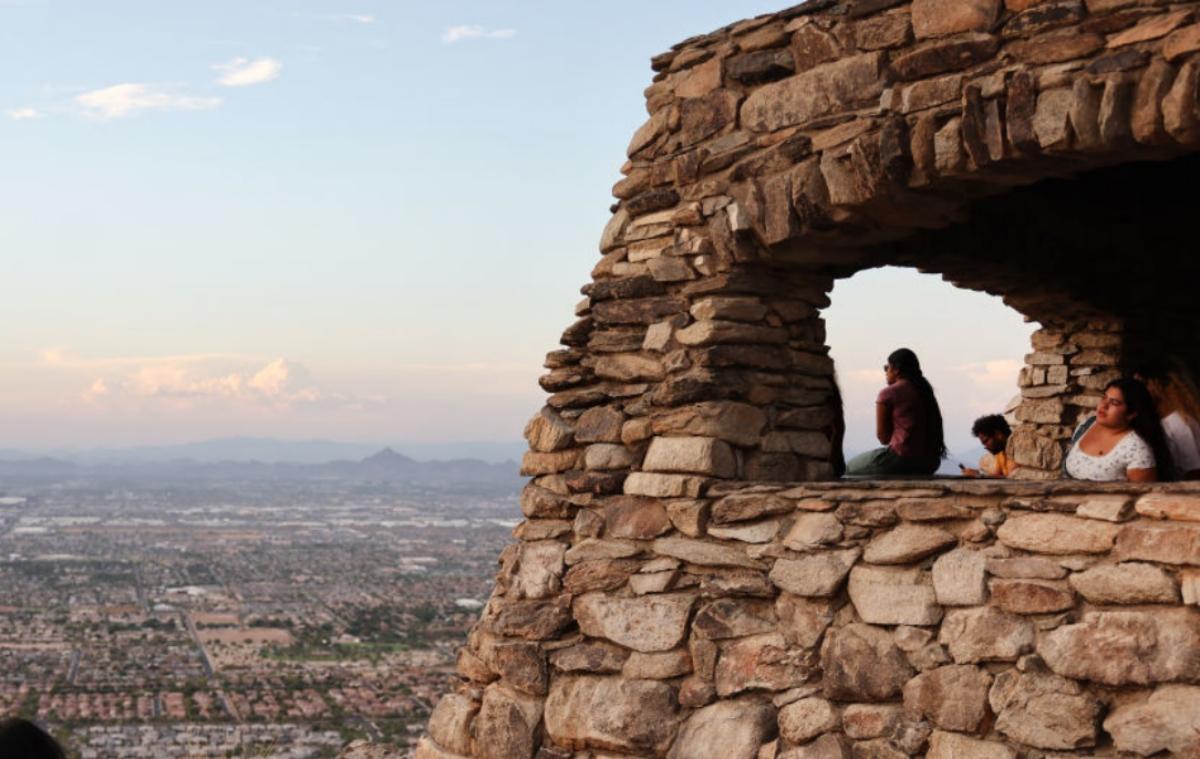
Phoenix, Arizona, often affectionately known as the “Valley of the Sun,” stands as a shimmering testament to human resilience and ambition in one of the most extreme climates in the United States. Its iconic cityscape, framed by rugged mountains and endless blue skies, draws millions of visitors and residents alike. Yet, beneath its vibrant facade lies a profound environmental reality: Phoenix is unequivocally, blisteringly hot. Summers routinely see temperatures soar well above 100°F (38°C), often pushing past 110°F (43°C), making it one of the hottest major cities in North America. This extreme heat isn’t merely a casual observation; it’s a defining characteristic that shapes everything from its architecture to its economy, and critically, influences travel and lifestyle decisions for anyone considering this unique destination. Understanding why Phoenix endures such intense heat requires a deep dive into a confluence of geographical, meteorological, and human-made factors that conspire to create its signature scorching environment.

A Sonoran Desert Legacy: Phoenix’s Geographic Predicament
The most immediate and fundamental reason for Phoenix’s extreme temperatures lies in its geographic location. Situated squarely within the vast and formidable Sonoran Desert, the city inherits all the challenging climatic conditions inherent to such an arid biome. This ancient desert spans parts of Arizona, California, and Mexico, and its characteristics are the bedrock of Phoenix’s heat profile.
The Valley Floor and Surrounding Mountains
Phoenix is nestled in a large, relatively flat basin, surrounded by a ring of low-lying mountains and hills. This topography plays a critical role in trapping heat. The city itself sits at an elevation of around 1,100 feet (335 meters), which, while not exceptionally low, doesn’t offer the cooling benefits of higher altitudes. During the day, the intense solar radiation heats the desert floor and surrounding rock formations. As the sun sets, this heat slowly radiates back into the atmosphere. The surrounding mountains, while beautiful, can act like a basin, preventing cooler air masses from easily displacing the hot air trapped within the valley. This containment effect means that heat accumulation throughout the day is exacerbated, leading to incredibly warm nights that offer little reprieve, especially in mid-summer.
Arid Climate and Sparse Vegetation
The Sonoran Desert is defined by its aridity, meaning very low humidity and minimal rainfall for most of the year. Unlike humid environments where water vapor in the atmosphere can absorb and re-radiate some solar energy, or where evaporation from bodies of water and vegetation provides a cooling effect, the dry air in Phoenix allows solar radiation to penetrate directly and heat surfaces more efficiently. The desert landscape is characterized by sparse, drought-resistant vegetation like saguaro cacti and creosote bushes, which, while fascinating, do not provide the extensive shade or evapotranspiration (the process by which plants release water vapor) found in more lush ecosystems. This lack of natural cooling mechanisms allows the ground to absorb and retain significantly more heat, contributing to the overall high temperatures.
The Unseen Hand: Atmospheric Pressures and Weather Patterns
Beyond its physical geography, Phoenix’s extreme heat is profoundly influenced by large-scale atmospheric dynamics and persistent weather patterns. These invisible forces dictate the flow of air, cloud cover, and moisture, collectively shaping the city’s annual temperature cycles.
Persistent High-Pressure Systems
During the summer months, Phoenix often falls under the influence of a semi-permanent atmospheric feature known as the “subtropical ridge” or the “four corners high.” This is a massive area of high atmospheric pressure that typically establishes itself over the southwestern United States. High-pressure systems are associated with sinking air, which warms as it descends, compressing and drying out. This process, known as adiabatic heating, dramatically increases air temperatures at ground level. Furthermore, high-pressure systems are characterized by stable atmospheric conditions, which suppress cloud formation and prevent the development of cooling rain showers. This combination of warming air and clear skies creates ideal conditions for extreme heat to build and persist for extended periods.
Dry Air’s Intensifying Effect
The aridity of the desert climate means that the air over Phoenix has very low moisture content for much of the year. While high humidity can make heat feel more oppressive by hindering the body’s ability to cool through perspiration, dry heat actually allows temperatures to climb higher. Water vapor in the atmosphere acts as a greenhouse gas, absorbing and re-emitting some of the sun’s energy, which can slightly temper surface temperatures. In its absence, a greater proportion of solar radiation reaches the ground directly, leading to more intense surface heating. Moreover, the lack of moisture means there’s less thermal inertia in the air, allowing temperatures to rise and fall more rapidly and reach higher peaks during the day.
Lack of Cloud Cover
One of the most noticeable features of a Phoenix summer day is the relentlessly clear, blue sky. The persistent high-pressure systems effectively suppress cloud formation, ensuring that direct sunlight constantly bathes the urban landscape. Clouds act as natural parasols, reflecting a significant portion of incoming solar radiation back into space. Without this protective shield, the sun’s energy hits the ground with full intensity, leading to maximum absorption of heat by surfaces like asphalt, concrete, and buildings. This uninterrupted solar exposure is a primary driver of the daytime temperature spikes that define Phoenix’s hot climate.
Human Imprint: The Urban Heat Island Phenomenon
While geography and meteorology lay the groundwork for Phoenix’s heat, the city itself, a sprawling metropolis home to millions, significantly exacerbates these natural conditions through what is known as the Urban Heat Island (UHI) effect. This phenomenon describes how urban areas experience higher temperatures than surrounding rural locales due to human activities and modifications to the landscape.

Concrete Jungles and Asphalt Oceans
The built environment of Phoenix is a massive contributor to the UHI effect. The vast expanses of dark-colored asphalt roads, parking lots, and concrete buildings absorb and store tremendous amounts of solar radiation throughout the day. Unlike natural desert soils or vegetation, which reflect some sunlight and allow for evaporative cooling, these man-made surfaces have high thermal mass and low albedo (reflectivity). They efficiently absorb solar energy, heating up significantly, and then slowly release this stored heat into the surrounding air, particularly after sunset. This radiative cooling from urban surfaces means that even after the sun goes down, the city remains substantially warmer than the undeveloped desert periphery, often by 10-20°F (5-11°C) or more.
Anthropogenic Heat Generation
Beyond simply absorbing heat, human activities within Phoenix actively generate heat. The millions of air conditioning units running almost constantly in homes, businesses, and vehicles expel hot air into the environment. Transportation, industrial processes, and even the simple metabolic heat of a dense population all contribute to the overall thermal load of the urban atmosphere. While individual contributions might seem small, their cumulative effect across a metropolitan area of over 5 million people is substantial, adding a layer of warmth that further elevates temperatures within the city core compared to its natural surroundings.
Reduced Evapotranspiration
The natural Sonoran Desert environment, while arid, still features some natural vegetation that performs evapotranspiration. In contrast, urban development replaces natural landscapes with impervious surfaces and reduces green spaces. Even with the widespread use of desert-adapted landscaping, the sheer volume of concrete and pavement dramatically limits the amount of water available for evaporation from surfaces or transpiration from plants. This reduction in natural cooling processes means that less latent heat is removed from the atmosphere, further contributing to the elevated temperatures characteristic of the UHI effect in Phoenix.
Solar Powerhouse: Phoenix’s Latitude and Sun Exposure
The fundamental energy source driving Phoenix’s heat is, of course, the sun. The city’s geographical position on Earth plays a crucial role in how much solar radiation it receives, particularly during the peak summer months.
Direct Solar Angle During Summer
Phoenix is located at approximately 33.4 degrees North latitude. This position places it relatively close to the Tropic of Cancer (23.5 degrees North latitude), which is the northernmost point where the sun’s rays can be directly overhead. During the summer solstice (around June 21st), the sun is at its highest point in the northern sky, meaning its rays strike Phoenix at a very direct and intense angle. This high solar angle means that the sun’s energy is concentrated over a smaller surface area, leading to more efficient heating of the ground and the atmosphere. The difference in solar intensity between summer and winter is dramatic, explaining why Phoenix’s winters are mild and pleasant, while its summers are scorching.
Long Daylight Hours
In addition to the direct angle of the sun, summer in Phoenix also brings exceptionally long daylight hours. Around the summer solstice, the city experiences approximately 14.5 hours of daylight. This extended period of solar exposure means that the ground and atmosphere have a prolonged duration to absorb solar radiation and accumulate heat. The longer the sun is in the sky, the more energy is pumped into the local environment, allowing temperatures to steadily climb throughout the day and reach extreme peaks. This extended solar furnace effect, combined with the lack of cloud cover and dry air, creates a powerful engine for high temperatures.
Consequences and Resilience: Living with Extreme Heat
The combination of these factors — its desert geography, prevailing high-pressure systems, the urban heat island effect, and intense solar exposure — creates the uniquely hot climate of Phoenix. While understanding the scientific reasons is crucial, it’s equally important to consider the implications for those who live in and visit this remarkable destination.
Daily Life and Infrastructure Adaptations
Life in Phoenix is a testament to sophisticated adaptation. Infrastructure is built to withstand and mitigate heat, from widespread air conditioning and insulated buildings to strategically planned shade structures and cooling misters in outdoor areas. The rhythm of daily life shifts dramatically in summer; outdoor activities often move to early mornings or evenings, and water consumption becomes a critical public health consideration. Residents and local authorities have developed extensive strategies to cope, including cooling centers and public education campaigns on heat safety.
Seasonal Travel Considerations
For travelers, Phoenix’s heat dictates optimal visiting seasons. While the winter, spring, and fall offer glorious, temperate weather perfect for exploring the desert landscape, golfing, or enjoying outdoor dining, the summer months present a different experience. Travel during summer requires careful planning, with a focus on indoor attractions, water activities, and an appreciation for the unique beauty of the desert at dawn or dusk. Understanding the why behind Phoenix’s heat helps visitors prepare appropriately, ensuring a safe and enjoyable trip, regardless of the season. The intense heat is not just a meteorological phenomenon; it’s a defining feature of the Phoenix travel experience, shaping everything from wardrobe choices to daily itineraries and the very rhythm of life in the “Valley of the Sun.”
LifeOutOfTheBox is a participant in the Amazon Services LLC Associates Program, an affiliate advertising program designed to provide a means for sites to earn advertising fees by advertising and linking to Amazon.com. Amazon, the Amazon logo, AmazonSupply, and the AmazonSupply logo are trademarks of Amazon.com, Inc. or its affiliates. As an Amazon Associate we earn affiliate commissions from qualifying purchases.