
As the sun-drenched days of summer begin to wane, a perennial question arises for Texans and visitors alike: when does summer truly end in the Lone Star State? Unlike a precisely timed clock, the end of summer in Texas is a more nuanced affair, a gradual transition dictated by a blend of astronomical events, meteorological shifts, and the subtle, yet unmistakable, changes in the Texan way of life. While the calendar might point to a definitive date, the heart of Texas summer often lingers, offering warmth and sunshine well into the autumn months.
The Astronomical Farewell to Summer
The official astronomical end of summer in the Northern Hemisphere, including Texas, is marked by the autumnal equinox. This celestial event typically occurs around September 22nd or 23rd each year. On this day, the Earth’s axis is tilted neither toward nor away from the sun, resulting in roughly equal amounts of daylight and darkness across the globe. For many, this date signifies the definitive “turning of the season,” a moment to mentally pack away swimsuits and embrace sweaters.
However, in Texas, this astronomical marker often serves more as a suggestion than a hard and fast rule. The sheer size and diverse climatic zones of Texas mean that what feels like the end of summer in one region might still be peak summer in another. For instance, the cool, Hill Country towns might begin to feel a crispness in the air, while the humid coastal plains around Houston and Galveston can remain decidedly summery for weeks afterward.
Embracing the Equinox: A Texan Perspective
While the equinox is the scientific benchmark, Texans often gauge the end of summer by more tangible signs. The return of school children to classrooms is a significant indicator. The bustling energy of summer vacations begins to dissipate as routines shift, and the roads that were once choked with vacationers start to clear, making travel to popular destinations like San Antonio or Austin more pleasant.
Another key indicator is the gradual shift in activities. Beach days in Corpus Christi might become less frequent, replaced by weekend trips to explore the historic missions in San Antonio or attend fall festivals. The outdoor concert season, a staple of Texas summers, often extends well into September and sometimes even October, particularly in cities like Austin, known for its vibrant live music scene.
Meteorological Shifts: The Subtle Signs of Autumn
Beyond the astronomical definition, the true end of summer in Texas is a meteorological ballet, a slow waltz of changing temperatures, humidity levels, and prevailing winds. While the calendar might say autumn has arrived, the thermometer can often tell a different story.
Temperature and Humidity: The Lingering Heat
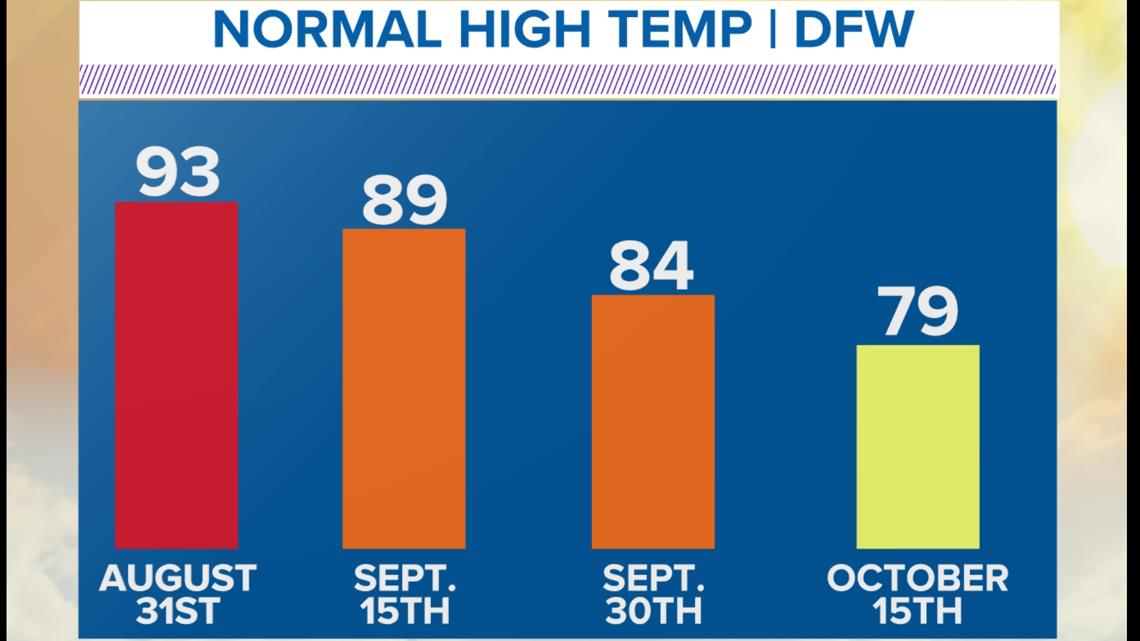
Texas is renowned for its heat, and the end of summer often sees this heat refuse to relinquish its grip. September can still be sweltering, with temperatures frequently climbing into the 90s Fahrenheit, and sometimes even touching the triple digits, especially in the western and central parts of the state. This lingering warmth means that many summer activities, such as swimming at Schlitterbahn waterparks or enjoying an evening stroll along the San Antonio Riverwalk, remain perfectly enjoyable.
Humidity also plays a crucial role. The high humidity levels that characterize a Texas summer can persist well into September. This sticky sensation can make even moderate temperatures feel much hotter, contributing to the perception that summer is still very much in full swing. It’s only when the humidity begins to recede and cooler, drier air masses start to push south that the distinct feeling of autumn truly begins to take hold.
The Arrival of Cooler Air: A Gradual Welcome
True relief from the summer heat doesn’t typically arrive in Texas until later in the fall. Cooler fronts, often referred to as “blue northers,” begin to sweep across the state, bringing lower temperatures and a welcome respite from the relentless warmth. These fronts become more frequent and more potent as October progresses. It’s often in October, and even into November, that Texans can confidently say that summer has finally yielded to autumn.
The landscape itself provides clues. While Texas doesn’t boast the dramatic, fiery foliage of states further north, there are still subtle shifts. The vibrant greens of summer begin to mellow, and certain trees, particularly in the Texas Hill Country, might start to display hints of yellow and red. The crispness in the morning air, especially outside of the major metropolitan areas, is a definitive sign that the season is changing.
Lifestyle and Local Culture: The Texan Rhythm of Transition
The end of summer in Texas is not just about the weather; it’s also deeply intertwined with the lifestyle and local culture of the state. The rhythm of Texan life adapts to these seasonal shifts in a way that blends tradition with the enduring spirit of summer.
From Summer Escapes to Fall Pursuits
As the intense heat begins to subside, and the days shorten, the focus of leisure activities shifts. Families might swap beach vacations for weekend camping trips in state parks like Big Bend National Park or explore charming towns like Fredericksburg during its renowned Oktoberfest celebrations. The cooler evenings are perfect for outdoor dining and enjoying the local culinary scene, from barbecue joints to upscale restaurants in Dallas and Fort Worth.
The cultural calendar also reflects this transition. Fall marks the beginning of football season, a deeply ingrained part of Texan culture. Friday night high school games and Saturday college matchups become central to social gatherings, drawing communities together under the stadium lights. This is a clear signal that summer’s carefree days are giving way to the structured excitement of autumn.
Accommodation and Travel Trends
The shift in seasons also impacts travel and accommodation. While summer remains a peak season for many Texan destinations, particularly the coast and popular family resorts, the shoulder months of September and October offer a different kind of appeal. Travelers seeking to avoid the most intense heat and crowds might find these periods ideal for exploring attractions like the Alamo in San Antonio or visiting wineries in the Texas Hill Country.
Hotels and resorts often adjust their offerings, with some seasonal properties winding down operations while others transition to accommodate fall visitors. Booking platforms will reflect this, with potentially more availability and competitive pricing for stays outside of the peak summer months. Long-term stay options might also see increased interest as individuals plan for extended visits during the pleasant fall weather, perhaps for business or leisure.

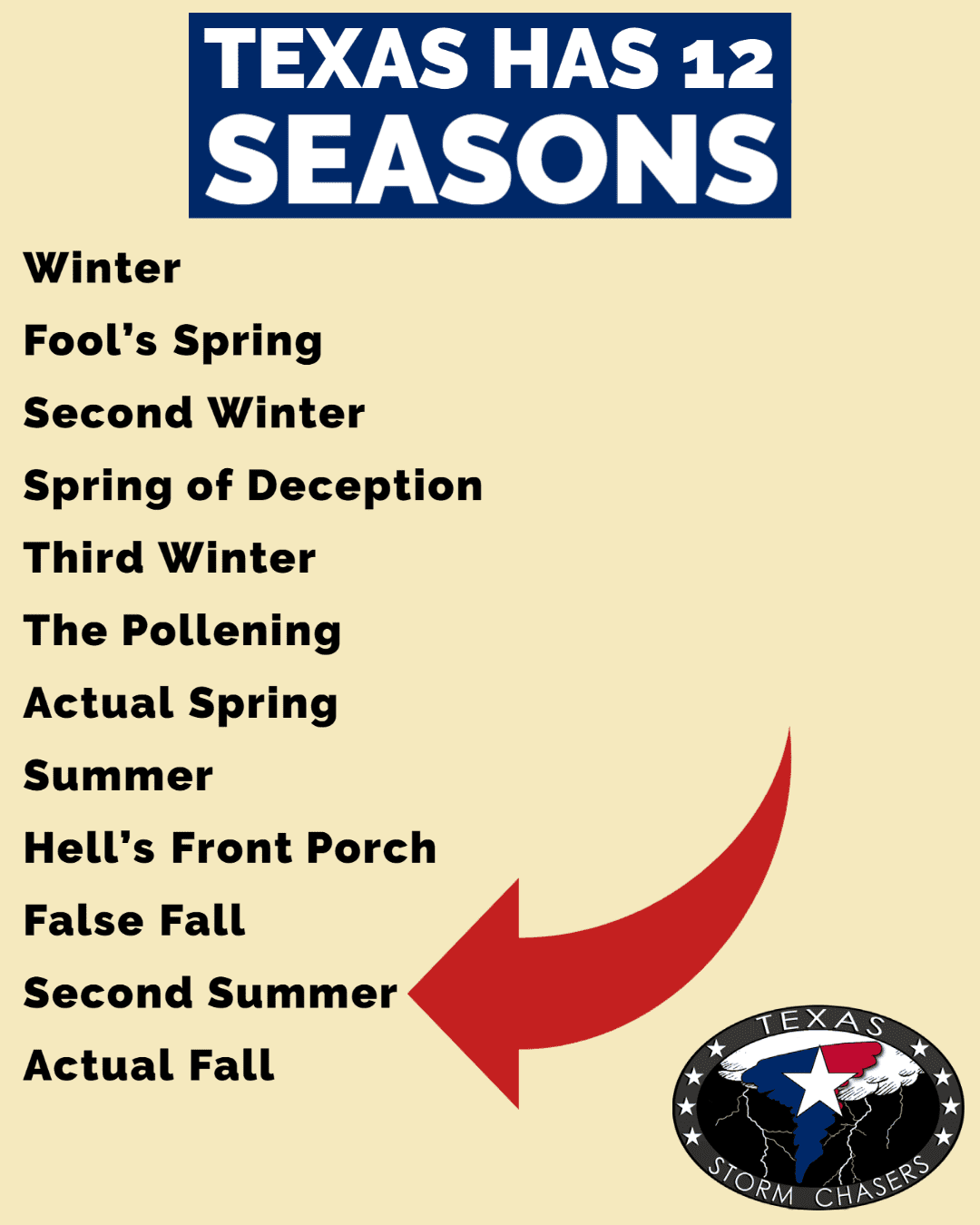
Embracing the “Second Summer”
A unique Texan phenomenon is the concept of a “second summer” or “Indian summer.” This refers to a period of unusually warm and pleasant weather that often occurs in late October or early November, after the initial arrival of cooler air. During these times, the heat of high summer returns, but it is often accompanied by a beautiful, crisp clarity in the air and vibrant sunsets. This “second summer” can be a delightful bonus, extending the feeling of warmth and outdoor enjoyment for those who still crave it.
It is during these lingering warm spells that the true end of summer feels most elusive. While the leaves may be changing elsewhere, and the calendar has long proclaimed autumn, Texas often holds onto a piece of its summer soul. So, when does summer end in Texas? It’s a question with no single answer, a fluid concept defined by the sky, the soil, and the unhurried rhythm of Texan life, where summer’s embrace often lingers long after the official farewell. Whether it’s the first crisp breeze of September or the warm glow of an October afternoon, Texans know that summer’s essence can persist, offering a sweet, drawn-out goodbye.
LifeOutOfTheBox is a participant in the Amazon Services LLC Associates Program, an affiliate advertising program designed to provide a means for sites to earn advertising fees by advertising and linking to Amazon.com. Amazon, the Amazon logo, AmazonSupply, and the AmazonSupply logo are trademarks of Amazon.com, Inc. or its affiliates. As an Amazon Associate we earn affiliate commissions from qualifying purchases.