
For many travelers planning a visit to the Heart of Dixie, understanding local regulations is a crucial part of preparation, ensuring a smooth and enjoyable trip. Among the inquiries that frequently arise, especially given evolving cannabis laws across the United States, is the legality of recreational weed in Alabama. As a state known for its rich history, vibrant music scene, and stunning natural beauty, Alabama attracts a diverse array of tourists. However, when it comes to cannabis, the state maintains a conservative stance that starkly contrasts with many other popular travel destinations. This guide aims to provide comprehensive clarity for anyone visiting Alabama, ensuring you are well-informed about the current legal landscape surrounding cannabis and how it might impact your travel experience. Navigating these laws responsibly is essential for any tourist looking to explore everything Alabama has to offer without legal complications.

The Current Legal Landscape: Recreational Cannabis Remains Prohibited
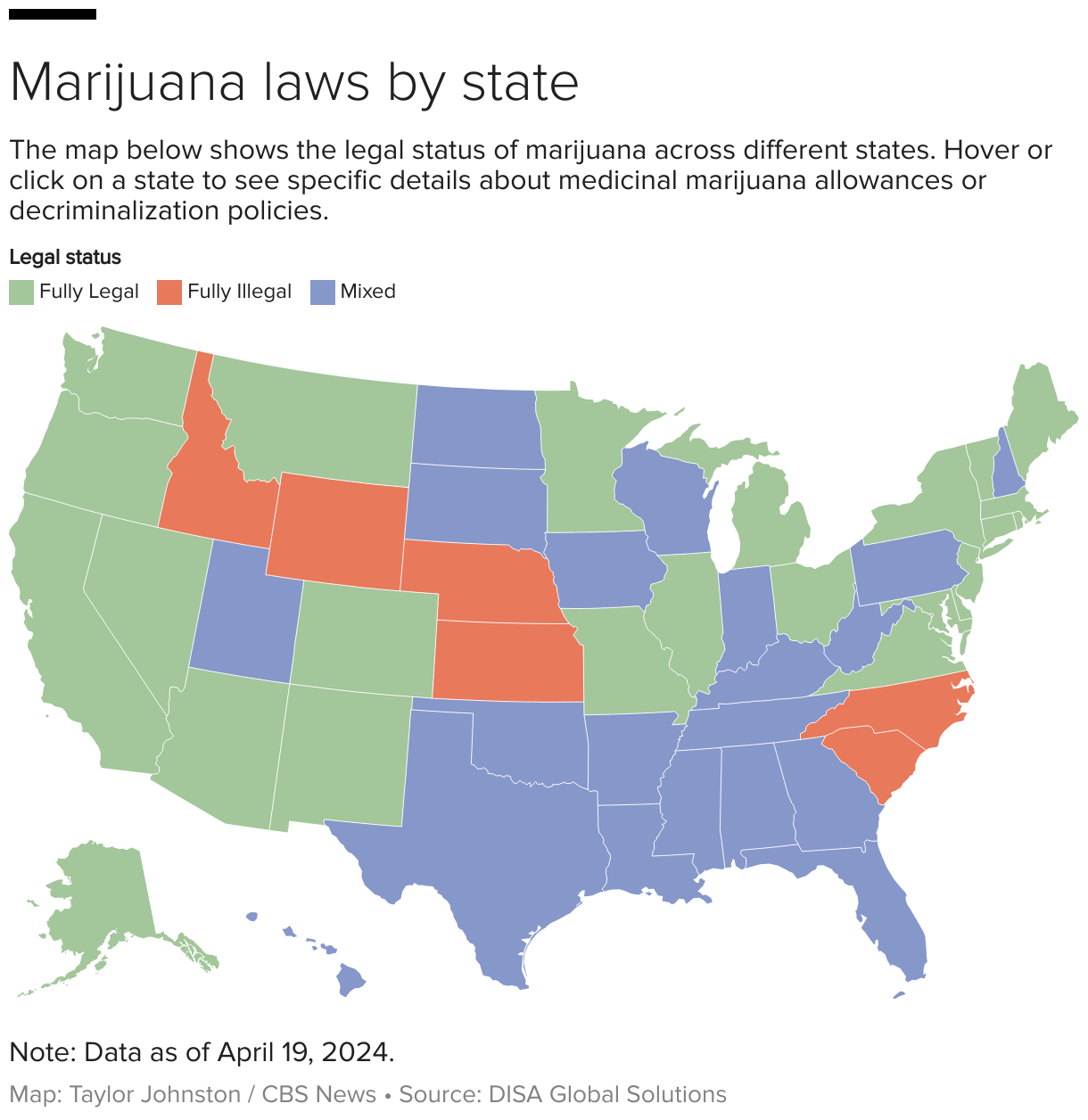
When planning your trip to Alabama, it’s imperative to understand that, unlike a growing number of states, recreational cannabis is unequivocally illegal. The state has not moved to decriminalize or legalize adult-use marijuana, maintaining strict prohibitions on its possession, sale, and cultivation. This legal position is a critical piece of information for any tourist, as ignorance of the law is not considered a valid defense. Visitors should proceed with the assumption that any possession or use of recreational cannabis in Alabama will lead to legal repercussions.
Dispelling the Myth: No Recreational Legalization
Despite national trends and increasing public discourse around cannabis reform, Alabama has held firm on its anti-recreational cannabis stance. There have been legislative efforts to reform cannabis laws in the state, primarily focused on medical use, but these have not extended to full adult-use legalization. Therefore, any information suggesting that recreational cannabis is legal or decriminalized in Alabama for general adult use is inaccurate. Travelers coming from states where recreational cannabis is legal might find this contrast jarring, but it is crucial to respect and adhere to Alabama’s specific laws while within its borders. Misunderstanding this fundamental point could lead to significant legal difficulties, detracting from what should otherwise be an enjoyable visit.
Penalties for Possession and Use
The penalties for cannabis-related offenses in Alabama can be severe, even for relatively small amounts. Possession of any amount of marijuana for personal use is a misdemeanor, which can carry a jail sentence of up to one year and a fine of up to $6,000. Subsequent offenses can escalate to a felony, leading to harsher penalties, including longer prison sentences and higher fines. It’s also important to note that penalties can be amplified depending on the quantity of cannabis, intent to distribute, or possession within certain proximity to schools or other protected areas. For tourists, this means that even minor infractions can lead to arrest, court appearances, and a criminal record, which could impact future travel or employment. Beyond the legal ramifications, such incidents can significantly disrupt travel plans, incurring unexpected costs and stress. Therefore, the safest approach for any visitor to Alabama is to completely avoid possessing or using recreational cannabis.
Alabama’s Medical Cannabis Program: What Visitors Need to Know
While recreational cannabis remains prohibited, Alabama did pass the Darren Wesley ‘Ato’ Hall Compassion Act in 2021, establishing a limited medical cannabis program. This program, however, is highly restrictive and is primarily designed for state residents with specific qualifying medical conditions. It’s crucial for tourists to understand the limitations of this program, as it does not extend privileges to out-of-state medical cannabis cardholders.
Eligibility and Restrictions for Patients
The Alabama Medical Cannabis Program is managed by the Alabama Medical Cannabis Commission (AMCC). To qualify for a medical cannabis card, an individual must be a bona fide resident of Alabama and have one of the specifically enumerated qualifying conditions, such as cancer, Crohn’s disease, epilepsy, multiple sclerosis, or chronic pain where conventional therapy is ineffective. The process involves certification by a registered physician and approval by the AMCC. Even for qualifying patients, the types of medical cannabis permitted are restricted. For instance, smoking or vaping cannabis is prohibited, and approved forms include capsules, tinctures, topical oils, gels, suppositories, and chewable tablets. Edibles are allowed but must not be in a form that is appealing to children.
Reciprocity for Out-of-State Medical Cards?
A common question among medical cannabis patients traveling from other states is whether their out-of-state medical cards are recognized in Alabama. The unfortunate answer for most is no. As of the current regulations, Alabama’s Medical Cannabis Program does not have a reciprocity agreement with other states. This means that even if you possess a valid medical cannabis card from another state, it will not grant you legal protection for possessing or using cannabis within Alabama’s borders. Attempting to purchase medical cannabis from licensed dispensaries (once operational) with an out-of-state card will not be possible, and bringing cannabis from your home state into Alabama is considered illegal drug trafficking under federal law and state law. Therefore, medical cannabis patients visiting Alabama should plan to leave their medical cannabis at home and refrain from using cannabis during their stay to avoid any legal complications.
Navigating the Nuances: Delta-8 THC and Hemp-Derived Products
The landscape of cannabis-related products has become more complex with the rise of hemp-derived cannabinoids, particularly Delta-8 THC. This area often causes confusion for tourists, as the legal status of these products can differ significantly from traditional Delta-9 THC cannabis. Understanding these distinctions is vital for visitors to Alabama.

The Legality of Hemp and CBD in Alabama
Following the 2018 Federal Farm Bill, industrial hemp and its derivatives, including Cannabidiol (CBD), became federally legal, provided they contain less than 0.3% Delta-9 THC. Alabama has adopted similar legislation, making CBD products widely available across the state. Tourists will find CBD oils, edibles, topicals, and other products sold in various retail outlets, from health food stores to specialized CBD shops. These products are generally considered legal and safe for consumption, as they are not intoxicating in the same way traditional cannabis is. However, it’s essential to ensure that any CBD product purchased adheres to the less than 0.3% Delta-9 THC threshold to avoid inadvertent legal issues. Always check product labels and purchase from reputable vendors.
Understanding Delta-8 THC: A Different Kind of High?
Delta-8 THC is another cannabinoid found in the cannabis plant, similar to the more common Delta-9 THC, but typically less potent. Due to a perceived loophole in the 2018 Federal Farm Bill, which legalized hemp and its derivatives so long as they contain less than 0.3% Delta-9 THC, Delta-8 THC products derived from hemp have proliferated across the United States. In Alabama, the legality of Delta-8 THC has been a complex and evolving issue. Currently, the state has legislation that has been interpreted by many to allow for the sale and possession of Delta-8 THC products, provided they are derived from hemp and contain less than 0.3% Delta-9 THC. This means tourists might encounter Delta-8 THC products in smoke shops, convenience stores, and specialized retailers throughout cities like Birmingham, Montgomery, and Huntsville.
However, the legal status of Delta-8 is not universally settled and remains subject to potential future legislative changes or legal challenges. While currently available, it is crucial for tourists to exercise caution. There can be risks associated with unregulated products, including inconsistent potency and purity. Furthermore, if consumed, Delta-8 THC can produce psychoactive effects and could potentially lead to a positive drug test for THC, which might have employment or other implications. For tourists, while Delta-8 might seem like a legal alternative, it’s essential to remain informed and proceed with discretion, understanding that the regulatory environment is still in flux and public consumption could still attract unwanted attention.
Practical Advice for Tourists: Staying Compliant While Exploring Alabama
Exploring Alabama offers a wealth of experiences, from the historic sites in Selma and Montgomery to the beautiful beaches of Gulf Shores and Orange Beach. To ensure your visit is memorable for all the right reasons, adhering to the state’s cannabis laws is paramount. Responsible tourism includes respecting local laws and customs.
Essential Tips for Visitors
- Do Not Bring Cannabis into Alabama: Even if you are traveling from a state where recreational or medical cannabis is legal, transporting it across state lines (including by air) is a federal offense and illegal in Alabama. Leave all cannabis products at home.
- Do Not Purchase or Consume Recreational Cannabis: As highlighted, recreational cannabis is illegal. Do not seek out or purchase any illegal cannabis products within Alabama.
- Understand CBD and Delta-8 Nuances: While CBD and Delta-8 THC products are generally available, exercise caution. Ensure CBD products contain less than 0.3% Delta-9 THC. With Delta-8, be aware that its legal status is less stable, and it can still cause intoxication. Consume discreetly, if at all, and be mindful of its effects.
- Avoid Public Consumption: Even if you are in possession of a legally dubious Delta-8 product, public consumption of anything resembling cannabis could lead to unwanted interactions with law enforcement. It’s always best to be discreet.
- Educate Yourself Before You Go: Laws can change. Before your trip, do a quick search for the most up-to-date information on Alabama’s cannabis laws.
The Importance of Local Law Awareness
Staying informed about local laws is a cornerstone of responsible tourism. Alabama’s approach to cannabis is a reflection of its legislative priorities and cultural norms. As a visitor, your role is to respect these laws, even if they differ from those in your home state or country. Engaging in illegal activities, regardless of intent, can lead to severe penalties that could significantly overshadow your travel experience. By being aware and compliant, you contribute to a positive and respectful interaction with the local community and ensure your focus remains on enjoying the unique charm and hospitality Alabama offers.
The Future of Cannabis Legislation in Alabama
The conversation around cannabis legalization is dynamic, even in states with historically conservative stances like Alabama. While recreational cannabis remains illegal, there’s ongoing discussion and evolving attitudes that could shape the future.
Potential Shifts and Ongoing Debates
The establishment of a medical cannabis program in Alabama, even with its strict limitations, signifies a notable shift from complete prohibition. This move indicates a legislative willingness to consider certain forms of cannabis use, largely driven by patient advocacy and a broader national trend. However, progressing from a highly restrictive medical program to full adult-use recreational legalization is a significant leap that would require substantial political will and public support within the state.
Currently, legislative efforts often focus on refining the existing medical program or addressing issues surrounding hemp-derived products like Delta-8 THC. There are ongoing debates about expanding qualifying conditions for medical cannabis, the number of licensed dispensaries, and clarifying the regulatory framework for hemp-derived cannabinoids. While proponents of recreational legalization continue to advocate for change, substantial legislative action to legalize recreational weed in Alabama is not immediately on the horizon. For tourists, this means that for the foreseeable future, the current laws prohibiting recreational cannabis are likely to remain in effect. Staying informed about these potential shifts is good practice, but for any immediate travel plans, adherence to existing laws is the only responsible course of action.
In conclusion, while Alabama offers a wealth of attractions and experiences for tourists, visitors must remain fully aware that recreational weed is illegal. The state’s medical cannabis program does not extend to out-of-state visitors, and penalties for possession can be significant. While hemp-derived products like CBD and Delta-8 THC exist in a more ambiguous legal space, caution and discretion are always advised. By understanding and respecting Alabama’s cannabis laws, you can ensure a safe, enjoyable, and hassle-free visit to this beautiful Southern state.
LifeOutOfTheBox is a participant in the Amazon Services LLC Associates Program, an affiliate advertising program designed to provide a means for sites to earn advertising fees by advertising and linking to Amazon.com. Amazon, the Amazon logo, AmazonSupply, and the AmazonSupply logo are trademarks of Amazon.com, Inc. or its affiliates. As an Amazon Associate we earn affiliate commissions from qualifying purchases.