
Traveling with Alaska Airlines offers a renowned experience characterized by excellent service and a comprehensive route network, particularly strong on the West Coast of the United States and extending to destinations across North America, Hawaii, and even parts of Central America. However, a common question that frequently arises for both new and seasoned travelers alike is, “Does Alaska Airlines charge for bags?” The straightforward answer is: generally, yes, for checked baggage. Yet, like most major carriers, Alaska Airlines’ baggage policy is nuanced, incorporating various factors such as fare class, elite status, co-branded credit card ownership, and military affiliation.
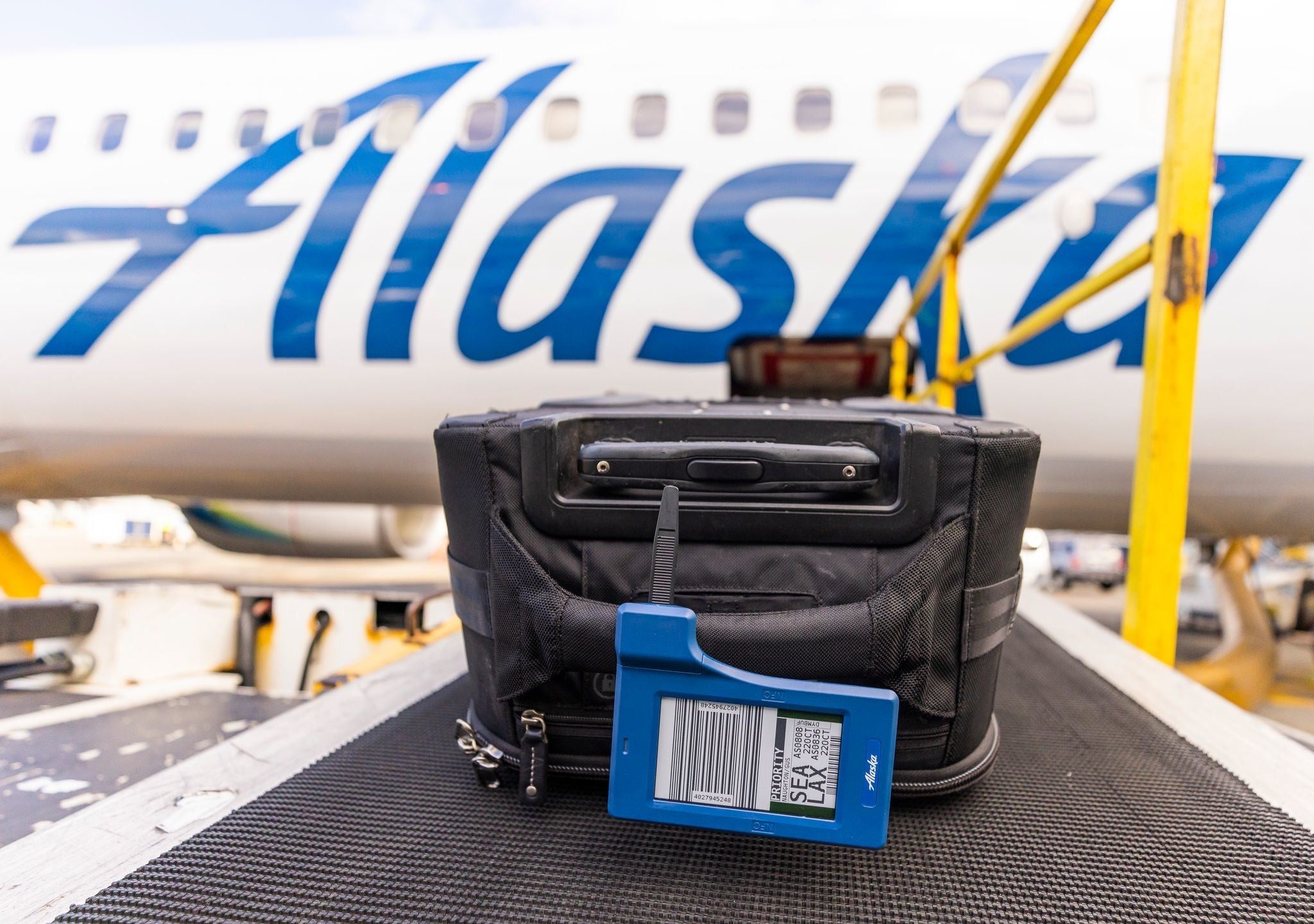
Understanding these intricacies before you even pack your suitcase can significantly impact your travel budget and overall experience. This comprehensive guide aims to demystify Alaska Airlines’ baggage fees, offering insights into their standard policies, strategies for potentially avoiding or reducing costs, and practical tips for packing smart to ensure a smooth journey. By delving into the specifics of carry-on allowances, checked bag fees, special items, and the benefits that can alter these charges, you’ll be well-equipped to navigate your next Alaska Airlines flight without any unwelcome surprises at the airport.
Understanding Alaska Airlines’ Standard Baggage Policy
Alaska Airlines, like many contemporary carriers, operates on a tiered baggage fee system for checked luggage. This system is designed to provide flexibility for travelers while also managing operational costs. Knowing the standard allowances and potential fees is the first step toward smart travel planning.
Carry-On Baggage: What’s Included?
Every passenger flying with Alaska Airlines is permitted one carry-on bag and one personal item free of charge. This allowance is a valuable benefit, as it allows you to keep essential items with you and potentially avoid checked bag fees altogether if you’re a light packer.
- Personal Item: This can include a purse, briefcase, laptop bag, or a small backpack. It must fit under the seat in front of you.
- Carry-On Bag: This item is typically stored in the overhead bin. Alaska Airlines mandates specific dimensions for carry-on bags: 22 inches x 14 inches x 9 inches (56 cm x 36 cm x 23 cm), including wheels and handles. It’s crucial to adhere to these measurements, as bags exceeding them may be gate-checked and incur fees.
- Liquids Rule: Remember the TSA 3-1-1 rule for liquids in your carry-on: containers must be 3.4 ounces (100 milliliters) or less, fit in one quart-sized bag, and be limited to one bag per passenger.
Utilizing your carry-on allowance effectively is often the simplest way to reduce travel expenses. Pack efficiently and prioritize items you’ll need during the flight or immediately upon arrival to maximize this free service.
Checked Baggage: The Fee Structure
For bags that don’t fit into the carry-on allowance, Alaska Airlines charges fees for checked luggage. These fees are generally applied per bag, per direction of travel.
- First Checked Bag: For most passengers, the first checked bag incurs a fee. As of current policies, this typically ranges from $30-$35 for domestic flights.
- Second Checked Bag: If you need to check a second bag, the fee increases, often around $40-$45 for domestic flights.
- Subsequent Checked Bags: For three or more bags, the fees escalate significantly, usually starting around $100 per bag.
- Dimensions and Weight Limits: Each checked bag must not exceed 50 pounds (23 kg) in weight and 62 linear inches (158 cm) in total dimensions (length + width + height). Bags exceeding these limits are subject to additional overweight and oversized baggage fees, which can add substantially to your costs.
It’s important to note that these fees are subject to change and can vary slightly based on the specific route (e.g., international flights to Mexico or Canada might have different rates). Always check the most current baggage fee chart on the Alaska Airlines official website before your departure.
The Importance of Pre-paying
Alaska Airlines encourages passengers to pay for checked bags in advance. This not only streamlines the check-in process at the airport but can also sometimes result in cost savings.
- Online vs. Airport Rates: While the difference isn’t always significant, paying for bags online during check-in or through the Alaska Airlines app can sometimes be slightly cheaper than paying at the airport counter. More importantly, it saves you time and potential stress at the terminal.
- Cancellation/Changes: If your travel plans change and you no longer need to check a bag you’ve paid for, Alaska Airlines typically offers refunds for unused baggage fees, provided you cancel before the flight departs.
Pre-paying is a simple step that can offer convenience and peace of mind, ensuring you’re aware of and have accounted for all your baggage costs before reaching the airport.
How to Potentially Avoid Baggage Fees on Alaska Airlines
While standard checked bag fees are a reality for many, several avenues exist that can help travelers waive or significantly reduce these costs when flying with Alaska Airlines. Understanding these options can lead to substantial savings, especially for frequent flyers or those traveling with families.
Elite Status Perks
Alaska Airlines’ Mileage Plan loyalty program rewards its most frequent flyers with elite status, which comes with an array of benefits, including complimentary checked baggage.
- MVP Status: Members with MVP status (the lowest tier) typically receive two free checked bags.
- MVP Gold Status: MVP Gold members usually enjoy two free checked bags.
- MVP Gold 75K and MVP Gold 100K Status: The highest tiers, MVP Gold 75K and MVP Gold 100K, generally allow for three free checked bags.
These benefits apply to the elite member and often to companions traveling on the same reservation, making elite status particularly valuable for family travel. The weight allowance for these free bags is also often increased from 50 to 70 pounds, providing even greater flexibility.
Alaska Airlines Visa Signature® Card Benefits
One of the most accessible ways for many travelers to avoid baggage fees is by holding the Alaska Airlines Visa Signature® Card issued by Bank of America.
- Free First Checked Bag: The primary cardholder receives one free checked bag on Alaska Airlines flights. This benefit also extends to up to six additional guests traveling on the same reservation. This means a party of seven could potentially check seven bags for free – a significant saving for larger groups or families.
- Eligibility: To qualify for the free bag, the cardholder must use their Alaska Airlines Visa Signature® Card to purchase the flight tickets.
This benefit alone can easily offset the annual fee of the credit card, making it a worthwhile investment for even occasional Alaska Airlines flyers.
Military Personnel Exemptions
Alaska Airlines recognizes and honors the service of active-duty U.S. military personnel and their dependents by offering generous baggage allowances.
- Active-Duty Military: Active-duty military members typically receive up to five free checked bags. These bags can be up to 70 pounds (32 kg) each, significantly exceeding the standard weight limit.
- Dependents: Dependents of active-duty military personnel may also qualify for similar benefits when traveling on orders.
Proper military identification is required to avail of these benefits at the airport check-in counter. This policy is a testament to Alaska Airlines’ commitment to supporting those who serve.
Special Circumstances
A few other situations can also lead to waived baggage fees:
- Lap Infants: When traveling with a lap infant, a car seat and stroller can usually be checked free of charge, in addition to the parent’s regular baggage allowance.
- Assistive Devices: Wheelchairs, mobility aids, and other assistive devices required by passengers with disabilities are always checked free of charge and do not count towards the standard baggage allowance.
- First Class Passengers: Travelers flying in First Class on Alaska Airlines generally receive two free checked bags, often with an increased weight limit.
By understanding and leveraging these various exemptions and benefits, many travelers can significantly reduce or entirely eliminate their checked baggage expenses, enhancing the overall value of their Alaska Airlines travel experience.
Navigating Overweight and Oversized Baggage Fees
Even if you’ve secured free checked bags, or are prepared to pay standard fees, it’s crucial to be mindful of your luggage’s weight and dimensions. Exceeding Alaska Airlines’ limits can lead to substantial additional charges, often surprising unsuspecting travelers at the check-in counter.
Understanding the Surcharges
Alaska Airlines imposes specific surcharges for bags that are either overweight or oversized. These fees are cumulative and can quickly add up.
- Overweight Fees:
- Bags weighing between 51 and 70 pounds (23-32 kg) incur an overweight fee, usually around $100-$150 per bag.
- Bags weighing between 71 and 100 pounds (32-45 kg) will incur an even higher fee, often around $150-$200 per bag.
- Bags over 100 pounds are generally not accepted as checked luggage due to safety and handling concerns.
- Oversized Fees:
- Bags exceeding the 62 linear inches (158 cm) total dimensions (length + width + height) but within 115 linear inches (292 cm) also incur an oversized fee, typically in the range of $100-$150.
- Bags over 115 linear inches are usually not accepted.

It’s vital to note that a single bag can be subject to both an overweight and an oversized fee if it exceeds both limits. This can potentially double the additional charge for that bag. These fees are in addition to any standard checked bag fees that may apply.
Tips for Packing Smart
Avoiding these hefty surcharges comes down to diligent packing and preparation.
- Weigh Bags at Home: Invest in a portable luggage scale. This small device can save you significant money and stress at the airport. Weigh your bags before you leave for the airport to ensure they are within limits.
- Consolidating or Distributing Weight: If one bag is overweight, consider shifting some items to another bag that is lighter, or to your carry-on if space permits.
- Leave Non-Essentials Behind: Be ruthless in your packing choices. Do you really need that extra pair of shoes or that third jacket? Minimalism can be a traveler’s best friend.
- Utilize Wearable Items: Wear your heaviest shoes or jacket on the plane rather than packing them. This frees up valuable weight and space in your luggage.
A little planning can go a long way in preventing unexpected fees at the airport.
Sporting Equipment and Special Items
Alaska Airlines has specific policies for sporting equipment and other special items such as skis, golf clubs, surfboards, and musical instruments.
- Categorization: Many types of sporting equipment are often considered standard checked bags, but they are typically subject to specific dimensions and weight limits tailored to the item. For instance, ski bags usually have a longer length allowance but must still adhere to weight limits.
- Special Fees: Items that exceed standard checked bag dimensions, even if designed for travel (like a large surfboard), will incur oversized baggage fees. Some items may also have specific handling fees.
- Counting Towards Allowance: Generally, these items count towards your checked baggage allowance. If you have two free checked bags, a golf bag might count as one of them. If it’s your third item, you’ll pay the third bag fee plus any applicable oversized/overweight fees.
- Checking Policies: Always check the specific rules for your particular sporting equipment or special item on the Alaska Airlines website well in advance of your flight. Policies can vary widely depending on the item’s size and fragility.
Understanding these detailed regulations for special items is crucial for travelers carrying specialized gear, ensuring a smooth check-in process and avoiding any last-minute financial surprises.
Strategies for Efficient Packing and Travel
Beyond merely understanding the fees, adopting smart packing and travel strategies can significantly enhance your journey with Alaska Airlines. These tactics can help you minimize costs, reduce stress, and ensure you have everything you need without the burden of excessive luggage.
Maximize Your Carry-On
Your carry-on bag and personal item are invaluable assets, as they are typically free. Learning to maximize their utility can often eliminate the need to check a bag at all.
- Essentials First: Always pack your most important items in your carry-on. This includes medications, important documents, electronics, a change of clothes, and valuables. This way, even if your checked bag is delayed or lost, you have your crucial items with you.
- Strategic Outfit Planning: Plan outfits that can be mixed and matched. Utilize packing cubes to compress clothing and organize your items effectively, allowing you to fit more into your limited carry-on space.
- Layering: Wear bulkier items, like a heavy coat or boots, onto the plane. This saves significant space and weight in your luggage.
- Digitalization: Instead of packing physical books or excessive paper documents, use e-readers, tablets, and smartphone apps for entertainment and information.
A well-packed carry-on is not just about avoiding fees; it’s about preparedness and convenience, especially during travel.
Consider Shipping Luggage
For travelers with numerous bags, exceptionally heavy items, or those planning an extended stay, shipping luggage ahead of time can be a viable and sometimes more cost-effective alternative to checking bags.
- Third-Party Services: Companies specialize in shipping luggage door-to-door, often at rates comparable to or even less than airline oversized/overweight fees, especially for multiple bags.
- Convenience: Your bags arrive at your destination before you do, eliminating the hassle of carrying them through airports and navigating ground transportation.
- Insurance: Most reputable shipping services offer insurance options, providing an added layer of protection that airline liability might not fully cover for high-value items.
- Advance Planning: This option requires planning well in advance, as shipping times can vary. It’s most suitable for non-essential items that you don’t need immediately upon arrival.
While not suitable for every trip, exploring luggage shipping can be a game-changer for specific travel scenarios, particularly for families or those moving for an extended period.
The Art of Light Packing
Embracing a minimalist approach to packing is perhaps the most fundamental strategy for efficient and cost-effective travel.
- Capsule Wardrobe: Select a limited number of versatile clothing items that can be combined into multiple outfits. Stick to a color scheme that allows for easy mixing and matching.
- Multi-Purpose Items: Choose items that serve more than one function. A sarong can be a towel, a cover-up, or a blanket. Travel-sized toiletries are a must, or consider solid toiletries (shampoo bars, soap) to bypass liquid restrictions.
- Laundry on the Go: Plan to do laundry during your trip. This significantly reduces the amount of clothing you need to pack, especially for longer journeys. Many accommodations offer laundry facilities, or you can find local services.
- Roll, Don’t Fold: Many travelers find that rolling clothes tightly can save space and reduce wrinkles compared to folding.
By adopting these efficient packing habits, you’ll not only save on potential baggage fees but also enjoy a lighter, more agile travel experience. Less luggage means less to carry, less to worry about, and more freedom to enjoy your destination.
What Happens If Your Bag is Lost or Delayed?
Despite the best planning, sometimes things go awry, and your checked luggage may be lost or delayed. While this is a relatively rare occurrence with Alaska Airlines, knowing the proper steps and your rights can significantly ease the stress and facilitate a quicker resolution.
Immediate Steps at the Airport
If your bag doesn’t appear on the carousel, it’s crucial to act swiftly and calmly.
- Do Not Leave the Airport: The most critical step is to report your missing baggage before you leave the airport. Head directly to the Alaska Airlines baggage service office or customer service desk.
- File a Report: You will need to complete a Property Irregularity Report (PIR) or similar claim form. Provide as much detail as possible: bag color, brand, unique identifiers (e.g., luggage tags, ribbons), and a list of contents. Have your boarding pass, baggage claim tags, and photo identification ready.
- Keep Records: Obtain a copy of the report, a reference number, and contact information for the baggage service office. Also, note down the names of the airline representatives you speak with.
These immediate actions are vital for initiating the tracking process and establishing your claim.
Alaska Airlines’ Responsibility
Once a report is filed, Alaska Airlines will begin the process of locating and returning your bag.
- Tracking System: Airlines utilize sophisticated tracking systems to locate misplaced luggage, often coordinating with other airports and carriers. You should receive updates on your bag’s status.
- Interim Expenses: If your bag is significantly delayed (typically beyond 24 hours) and you’re away from home, Alaska Airlines may offer reimbursement for reasonable, essential purchases like toiletries and a change of clothing. Keep all receipts for these purchases, as they will be required for reimbursement.
- Compensation for Lost Bags: If your bag is declared permanently lost (which can take several weeks of searching), Alaska Airlines will provide compensation based on its liability limits. These limits are set by international treaties (like the Montreal Convention for international flights) and domestic regulations. It’s important to understand that airline liability limits might not cover the full replacement cost of high-value items, which brings us to the next point.
Travel Insurance as a Safety Net
For added peace of mind and more comprehensive coverage, travel insurance is highly recommended, especially if you’re checking valuable items or traveling internationally.
- Enhanced Coverage: A good travel insurance policy can offer significantly higher reimbursement limits for lost, damaged, or delayed luggage than airline liability alone.
- Broader Scope: Many policies also cover items stolen from your checked baggage or lost during other parts of your trip, not just while in the airline’s direct care.
- Emergency Funds: Some policies provide immediate funds for essential purchases during a baggage delay, avoiding the need to wait for airline reimbursement.
- Documentation: Just like with the airline, you’ll need to provide documentation (PIR, purchase receipts, proof of value for lost items) to your insurance provider to process a claim.
While inconvenient, a lost or delayed bag doesn’t have to ruin your trip. By knowing the steps to take and having appropriate coverage, you can mitigate the impact and focus on enjoying your travel experience.

Conclusion
Navigating baggage policies, particularly those involving fees, is an integral part of modern air travel. For Alaska Airlines, the answer to “Does Alaska Airlines charge for bags?” is a qualified yes – for most checked luggage. However, as this guide has thoroughly explored, a comprehensive understanding of their policies reveals numerous opportunities to manage, reduce, or even entirely avoid these charges.
From leveraging the free carry-on allowance and meticulously checking dimensions and weight, to strategically utilizing elite status benefits, co-branded credit card perks, and military exemptions, travelers have significant control over their baggage expenses. Furthermore, understanding the steep costs associated with overweight and oversized bags, and employing smart packing techniques, can save you from unexpected financial burdens at the airport. In the unlikely event of a lost or delayed bag, knowing the immediate steps to take and the value of travel insurance ensures you’re prepared for any eventuality.
Ultimately, a proactive approach to baggage planning is key to a smooth and enjoyable journey with Alaska Airlines. Always consult the most current information on their official website before your trip, pack thoughtfully, and leverage the resources available to you. By doing so, you can ensure your focus remains on the excitement of your destination, rather than the cost of your luggage.
LifeOutOfTheBox is a participant in the Amazon Services LLC Associates Program, an affiliate advertising program designed to provide a means for sites to earn advertising fees by advertising and linking to Amazon.com. Amazon, the Amazon logo, AmazonSupply, and the AmazonSupply logo are trademarks of Amazon.com, Inc. or its affiliates. As an Amazon Associate we earn affiliate commissions from qualifying purchases.