
The phrase “Upstate New York” conjures images of rolling hills, crisp autumn air, and perhaps a certain geographical mystique. But when you ask, “What is Upstate New York considered?”, the answer is far from a simple geographical boundary. It’s a tapestry woven from diverse landscapes, rich history, vibrant culture, and a surprisingly wide array of experiences that cater to every kind of traveler and resident. Far from being a monolithic entity, Upstate New York is a collection of distinct regions, each with its own character, attractions, and allure.
For many, especially those residing in or familiar with the metropolitan hustle of New York City, “Upstate” signifies everything north of the five boroughs. This broad definition, while practical for everyday conversation, often overlooks the nuanced identities and unique offerings that define the various areas within this expansive territory. Understanding what Upstate New York is considered involves delving into its geography, its economic and cultural significance, and the myriad of travel and lifestyle opportunities it presents. It’s a region that’s constantly being redefined by its natural beauty, its historical depth, its burgeoning arts scenes, and its commitment to preserving a quality of life that can be hard to find elsewhere.
The Shifting Definition: Geography and Perception
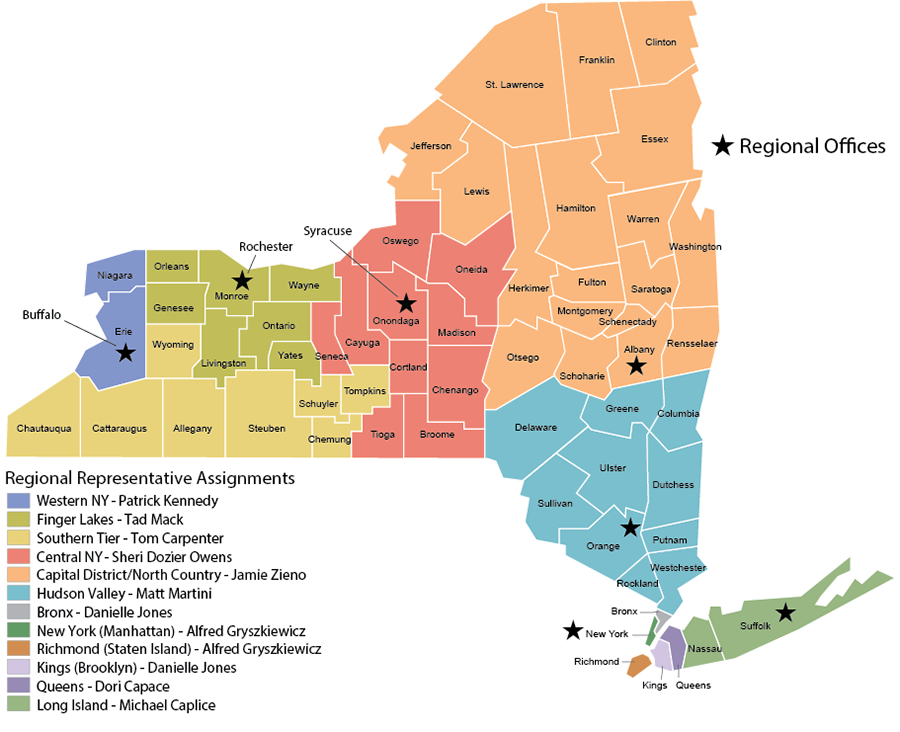
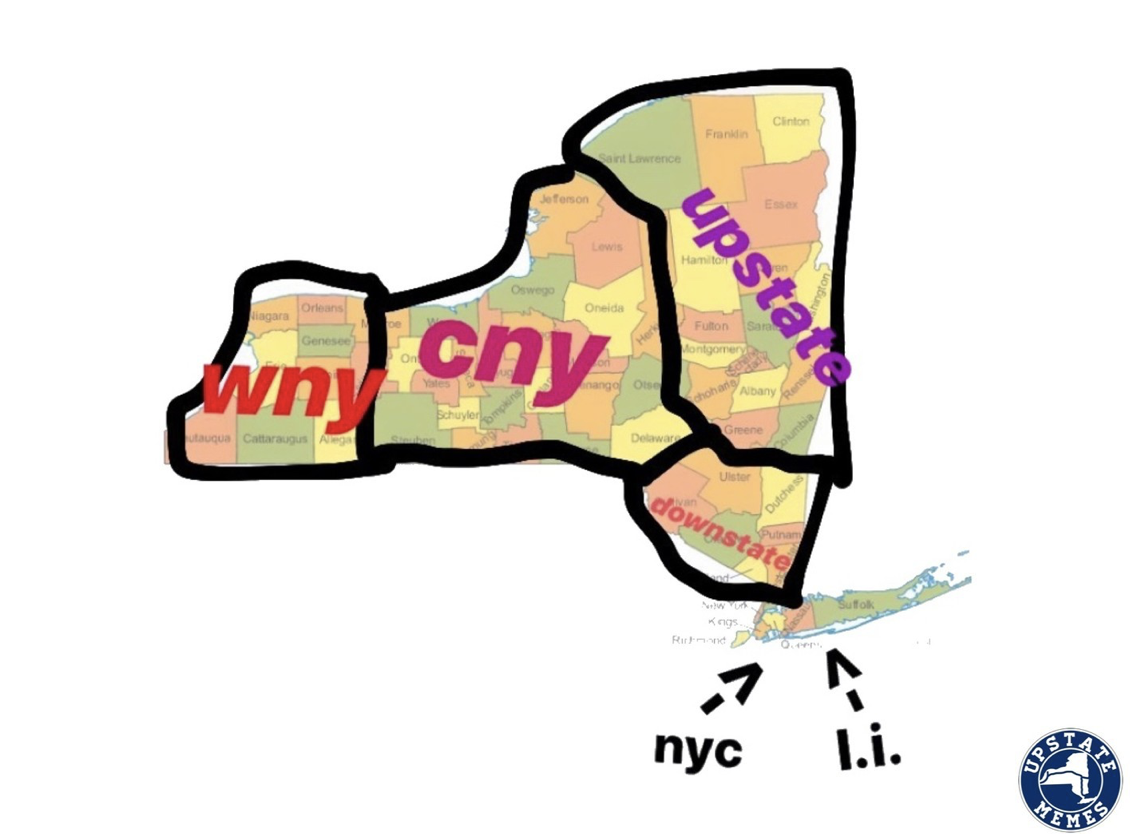
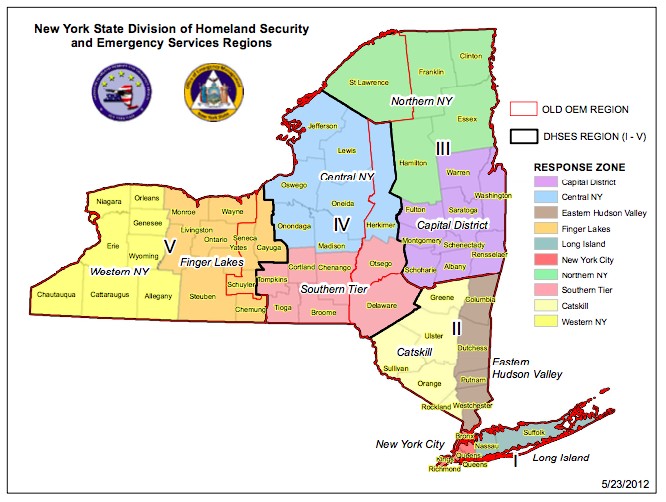
The very definition of “Upstate New York” is fluid and often debated. Geographically, it encompasses a vast portion of the state, generally considered to be everything north of the metropolitan area of New York City. This includes a significant landmass, stretching from the borders of Canada and Lake Ontario in the north, to the scenic beauty of the Catskill Mountains and Hudson Valley in the south. The western boundary is often considered to be the Allegheny Mountains and the eastern edge aligns with the Adirondack Mountains and the Green Mountains of Vermont.
However, the perceived boundaries can also be influenced by proximity and shared characteristics. For instance, the Hudson Valley, while technically north of New York City, is sometimes seen as its own distinct region due to its unique blend of history, arts, and burgeoning culinary scene. Similarly, the western part of the state, often referred to as Western New York, with its proximity to Lake Erie and Lake Ontario, has a character that is shaped by its industrial past and its connection to the Great Lakes. The Adirondack Park, a vast wilderness area, is unequivocally Upstate, yet it stands apart as a unique destination focused on nature and outdoor recreation.
The perception of “Upstate” also carries historical and economic weight. For decades, many of these areas were the industrial heartland of New York State, home to manufacturing, agriculture, and a strong working-class identity. While some of these industries have declined, the resilience and adaptive spirit of these communities have led to new opportunities in tourism, technology, and the creative arts. This evolution is a key part of what Upstate New York is considered today: a region in transition, embracing its heritage while forging a new future.
A Mosaic of Destinations: Travel and Tourism Gems
When considering Upstate New York as a travel destination, the sheer diversity of experiences is its most compelling attribute. From the majestic peaks of the Adirondacks to the charming vineyards of the Finger Lakes, the opportunities for exploration are boundless.
Nature’s Grandeur: The Adirondacks and Beyond
The Adirondack Mountains are perhaps the most iconic natural landmark in Upstate New York. This vast, protected wilderness area, larger than many national parks in the United States, is a haven for outdoor enthusiasts. Visitors flock here for hiking, camping, fishing, and boating in pristine lakes and forests. The park boasts numerous charming towns and villages, such as Lake Placid, which famously hosted the Winter Olympics twice. Lake Placid offers not only breathtaking scenery but also world-class athletic facilities, a vibrant downtown, and a rich Olympic history. For those seeking adventure, the Adirondack Park provides unparalleled opportunities to connect with nature.
Beyond the Adirondacks, Upstate New York is dotted with other significant natural wonders. The Finger Lakes region is renowned for its eleven long, narrow glacial lakes, each offering unique recreational activities and stunning vistas. This area is also a premier wine-producing region, with hundreds of wineries inviting visitors for tastings and tours. The charming towns scattered around the lakes, like Skaneateles and Geneva, offer a delightful mix of boutique shopping, farm-to-table dining, and comfortable accommodations.
Further west, the Niagara Gorge and Niagara Falls stand as one of the most awe-inspiring natural spectacles in the world. The sheer power and beauty of the falls are a must-see for any visitor to the region. The surrounding area offers boat tours, observation decks, and parks that provide various perspectives of this natural wonder.
Historical Echoes and Cultural Riches
Upstate New York is steeped in history, serving as a backdrop for significant events in American history. The Hudson Valley, for instance, is a treasure trove of historical sites, from colonial-era estates to Revolutionary War battlefields. Historic homes like Vanderbilt Mansion National Historic Site and the FDR Presidential Library and Museum in Hyde Park offer glimpses into the lives of influential figures and pivotal moments in American history. The valley’s picturesque landscapes have also inspired artists for centuries, leading to a thriving arts and culture scene with numerous galleries and performance venues.
In the western part of the state, cities like Buffalo and Rochester are reclaiming their industrial heritage and transforming into hubs for culture and innovation. Buffalo is known for its stunning Art Deco architecture, particularly the work of Frank Lloyd Wright, and its revitalized waterfront. Rochester boasts a rich history in photography and innovation, being home to Eastman Kodak and the George Eastman Museum. These cities offer a vibrant urban experience with museums, theaters, and a burgeoning culinary scene that draws inspiration from local produce and diverse communities.
Lifestyle and Accommodation: Experiences for Every Traveler
Upstate New York isn’t just a place to visit; it’s a lifestyle destination, offering a spectrum of experiences that appeal to various preferences and budgets. Whether one seeks the serenity of a lakeside retreat, the adventure of the wilderness, or the cultural richness of its cities, Upstate provides.
From Luxury Retreats to Budget-Friendly Stays
The accommodation landscape in Upstate New York is as varied as its geography. For those seeking luxury, the region offers exquisite resorts and boutique hotels nestled amidst stunning natural beauty. Think of opulent spa resorts in the Adirondacks or charming, high-end inns in the Hudson Valley, many of which boast farm-to-table restaurants, private lake access, and world-class amenities. For example, The Otesaga Resort Hotel in Cooperstown provides a classic lakeside experience with a touch of old-world charm.
For travelers looking for more flexible or long-term stays, the rise of vacation rentals and charming apartments in smaller towns offers a more immersive experience. These options are ideal for families or groups wanting to explore at their own pace, perhaps renting a villa near the Finger Lakes for a wine-centric getaway or a cozy cabin in the Catskills for a hiking adventure.
Budget travelers will also find plenty to explore. Numerous charming motels, campgrounds, and hostels are scattered throughout Upstate, particularly near popular natural attractions. Many of the state parks offer affordable camping options, allowing visitors to enjoy the natural beauty without breaking the bank. Even in the larger cities, a range of hotels and guesthouses cater to different price points, making Upstate New York accessible to everyone.
Culinary Journeys and Local Flavors
A significant part of what Upstate New York is considered today is its burgeoning culinary scene. Driven by a rich agricultural heritage and a growing appreciation for local and seasonal ingredients, the region offers a diverse gastronomic landscape. The Hudson Valley, in particular, has become a destination for food lovers, with numerous farm-to-table restaurants, artisanal food producers, and farmers’ markets. The Catskills also offer a rustic culinary experience, with many establishments focusing on traditional comfort food and locally sourced game and produce.
The Finger Lakes region, beyond its wines, is celebrated for its fresh seafood from the lakes and its excellent dairy products. Towns like Ithaca boast a vibrant food scene with a focus on organic and sustainable practices. In Western New York, the influence of Polish and German immigrants can be seen in traditional dishes, while cities like Buffalo are famous for their chicken wings. Exploring the local breweries, cideries, and distilleries further enriches the culinary adventure that Upstate New York offers.
In conclusion, “Upstate New York” is not a fixed point on a map but a dynamic and multifaceted concept. It is considered a realm of breathtaking natural beauty, from the rugged peaks of the Adirondacks to the serene shores of the Finger Lakes. It is a land steeped in history, where echoes of the past resonate through colonial estates and Revolutionary War battlefields. It is a thriving cultural landscape, evolving with vibrant arts scenes and innovative culinary destinations. And for travelers and residents alike, it is a collection of diverse experiences, offering everything from luxurious retreats to adventurous expeditions, making it a truly remarkable and ever-evolving part of the Empire State.
LifeOutOfTheBox is a participant in the Amazon Services LLC Associates Program, an affiliate advertising program designed to provide a means for sites to earn advertising fees by advertising and linking to Amazon.com. Amazon, the Amazon logo, AmazonSupply, and the AmazonSupply logo are trademarks of Amazon.com, Inc. or its affiliates. As an Amazon Associate we earn affiliate commissions from qualifying purchases.