
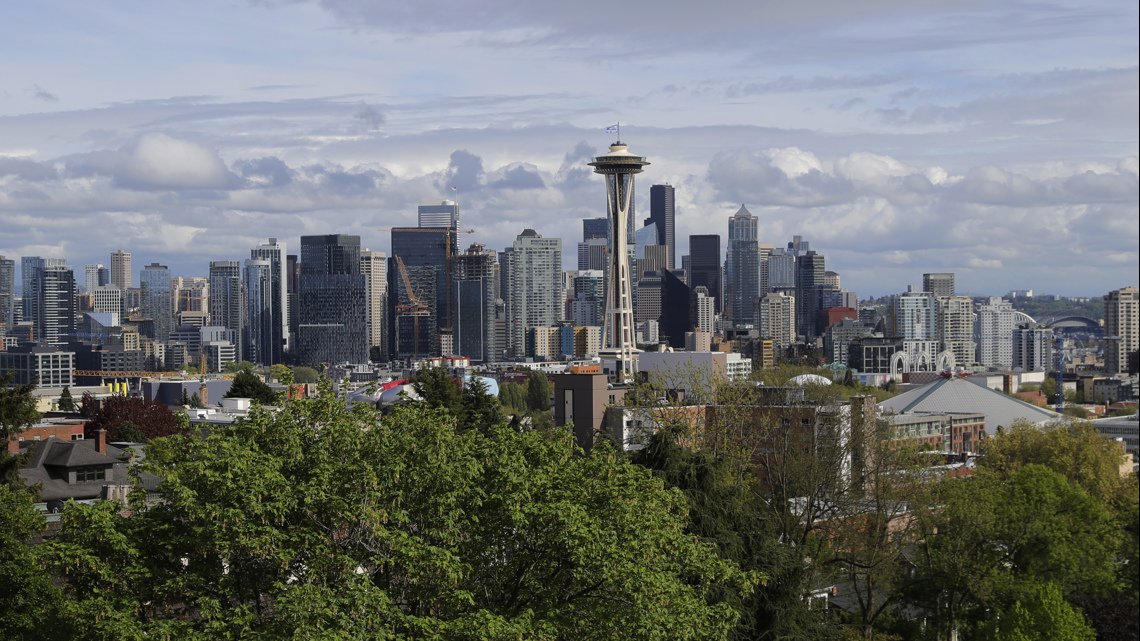
Seattle, a vibrant metropolis nestled on the Puget Sound, is renowned for its innovative spirit, lush natural beauty, and a progressive social outlook. As a major hub in the Pacific Northwest, it attracts a diverse population, from tech professionals to artists and outdoor enthusiasts. This diversity, coupled with a long-standing commitment to inclusivity, naturally leads to questions about its policies and protections for various communities, including immigrants. The term “sanctuary city” itself is often a focal point of such discussions.
Understanding the “Sanctuary City” Concept
The designation “sanctuary city” is not a formal legal term with a uniform definition across the United States. Instead, it generally refers to a city that has adopted policies to protect undocumented immigrants from federal immigration enforcement. These policies can vary widely but often include directives for local law enforcement not to inquire about immigration status during routine stops or investigations, and to limit cooperation with federal immigration agencies like Immigration and Customs Enforcement (ICE).

The underlying intent behind such policies is to foster trust between immigrant communities and local authorities. When immigrants fear that interactions with police could lead to deportation, they are less likely to report crimes, seek help in emergencies, or cooperate with investigations. This can undermine public safety for everyone in the community, not just immigrants. Therefore, cities that adopt “sanctuary” policies aim to create an environment where all residents, regardless of their immigration status, feel safe and empowered to engage with their local government and law enforcement.
Historical Context and Evolution of Sanctuary Policies
The concept of sanctuary cities gained prominence in the 1980s as a response to the growing refugee crisis and US foreign policy in Central America. Churches and religious organizations began offering sanctuary to asylum seekers fleeing civil war and persecution. Over time, the movement evolved to encompass broader municipal policies aimed at protecting undocumented populations from perceived overreach by federal immigration enforcement.
While the term can be politically charged, many cities that are labeled “sanctuary cities” prefer to describe their policies as being committed to “welcoming” or “inclusive” practices. These labels often reflect a nuanced approach that balances public safety with humanitarian concerns and a commitment to civil liberties. The debate surrounding these policies frequently involves complex legal considerations, federal-state relations, and differing views on immigration enforcement.
Seattle’s Stance on Immigrant Protections
Seattle has a well-established history of advocating for the rights and protections of its immigrant and refugee populations. While the city does not officially use the “sanctuary city” moniker in its legal ordinances, its policies and practices align significantly with the principles often associated with this designation. Seattle’s leadership has consistently affirmed its commitment to ensuring that all residents, regardless of immigration status, can access city services and feel secure in their community.
Key Policies and Directives in Seattle
Seattle’s approach is largely shaped by ordinances and directives that guide how city officials and law enforcement interact with federal immigration authorities. These policies aim to prevent the diversion of city resources towards immigration enforcement and to shield residents from unwarranted scrutiny based on their immigration status.
One of the cornerstone policies in Seattle is the directive that city employees, including police officers, are prohibited from initiating investigations into a person’s immigration status or detaining individuals based solely on their immigration status without a judicial warrant. This means that during routine police encounters, such as traffic stops or responses to minor offenses, officers are not to ask about immigration documents or alert federal immigration agents about the presence of undocumented individuals.
Furthermore, Seattle has policies in place to limit the sharing of information about individuals with federal immigration agencies, especially when there is no judicial warrant or court order. This aims to prevent the city from becoming an extension of federal immigration enforcement efforts, thereby protecting the privacy and civil liberties of its residents. These directives are crucial for building trust between the community and law enforcement, encouraging all residents to report crimes and seek assistance without fear of reprisal.
Access to City Services for All Residents
Beyond law enforcement interactions, Seattle’s policies also emphasize that all residents should have access to essential city services, regardless of their immigration status. This includes services related to public health, education, housing, and social services. The philosophy behind this is that denying services based on immigration status can lead to public health crises, educational disparities, and increased social instability, ultimately harming the entire community.
For instance, public schools in Seattle are committed to educating all children, regardless of their immigration status, in accordance with federal law. Similarly, the city’s public health departments strive to provide essential health services to all residents, recognizing that communicable diseases do not discriminate based on immigration status. This inclusive approach to service delivery is a hallmark of cities that are often referred to as “sanctuary cities.”
The Legal and Political Landscape
The debate around “sanctuary cities” is deeply entwined with legal challenges and political discourse at both the federal and state levels. Federal authorities, particularly under certain administrations, have sought to penalize cities that adopt policies limiting cooperation with immigration enforcement, arguing that these cities are obstructing federal law.
Federal Scrutiny and Court Rulings
Federal attempts to mandate cooperation or withhold funding from cities with sanctuary policies have frequently led to legal battles. Courts have often affirmed that cities have a degree of autonomy in setting local law enforcement priorities and that federal mandates cannot compel local officials to perform executive immigration enforcement functions. However, the legal landscape is dynamic and has seen shifts depending on judicial interpretations and legislative actions.
The interpretation of “sanctuary city” can also be used as a political tool, sometimes inaccurately portraying these cities as being soft on crime or deliberately defying federal law. In reality, many cities with such policies argue that they are upholding constitutional principles of due process and equal protection while also prioritizing the safety and well-being of all their residents.
Washington State’s Position
Within Washington State, the legal framework surrounding local government actions concerning immigration enforcement is also a significant factor. While the state itself does not have a statewide “sanctuary city” law, individual cities and counties have the authority to establish their own policies. Seattle, as the state’s largest city, has been at the forefront of implementing protective measures for its immigrant communities.
There have been instances where state-level discussions have occurred regarding immigration policies, but the primary locus of “sanctuary city” practices remains at the municipal level. The city of Seattle has consistently reaffirmed its commitment to its inclusive policies, often in response to federal pressures or public advocacy from immigrant rights groups.
Impact on Tourism and Local Culture
While the term “sanctuary city” primarily addresses immigration policy, its implications can extend to the broader perception and experience of a city, including its tourism appeal and the vibrancy of its local culture. A city’s commitment to inclusivity and the safety of all its residents can contribute to a welcoming atmosphere that resonates with diverse visitors.
Fostering a Welcoming Environment for Visitors
Seattle prides itself on its diverse population and its status as a hub for innovation and culture. The policies that protect immigrants contribute to an environment where people from all backgrounds feel comfortable and respected. This can translate into a more positive experience for tourists, as a city that values diversity often offers a richer tapestry of cultural experiences, cuisines, and community interactions.
Tourists visiting Seattle can explore neighborhoods like the International District, which reflects the city’s multicultural heritage, and enjoy a wide array of international foods and festivals. The underlying ethos of inclusivity, which is reflected in its sanctuary-like policies, enhances the overall visitor experience by creating a sense of openness and acceptance.

Cultural Contributions of Immigrant Communities
Immigrant communities have long been integral to the cultural landscape of Seattle. From the culinary scene in areas like Chinatown-International District to the artistic contributions in music and visual arts, immigrants enrich the city’s identity. Policies that protect these communities, even if under the umbrella of “sanctuary” principles, help ensure that these vibrant cultural contributions can continue to flourish and be shared with both residents and visitors.
The presence of diverse communities fosters a dynamic and evolving local culture, making Seattle an attractive destination for those seeking authentic cultural experiences. The sense of safety and belonging promoted by its inclusive policies is a vital element in maintaining this cultural richness and making the city a truly welcoming place for everyone.
In conclusion, while Seattle may not formally self-identify as a “sanctuary city” in its legal nomenclature, its enacted policies and steadfast commitment to protecting immigrant populations align closely with the core principles associated with the term. These policies aim to foster trust, ensure access to services, and uphold civil liberties, contributing to a more inclusive and welcoming city for all its residents and visitors.
LifeOutOfTheBox is a participant in the Amazon Services LLC Associates Program, an affiliate advertising program designed to provide a means for sites to earn advertising fees by advertising and linking to Amazon.com. Amazon, the Amazon logo, AmazonSupply, and the AmazonSupply logo are trademarks of Amazon.com, Inc. or its affiliates. As an Amazon Associate we earn affiliate commissions from qualifying purchases.