
The roar of an engine, the open road stretching ahead, and the unique freedom that only a motorcycle can offer – these are quintessential elements of the California lifestyle and travel experience. For many riders and drivers alike, navigating the often-congested highways and byways of the Golden State raises a distinct question: Is lane splitting legal? This practice, where a motorcyclist rides between lanes of stopped or slowly moving traffic, is a hot topic, frequently misunderstood, and widely discussed. For visitors exploring California’s stunning landscapes, from the bustling urban sprawl of Los Angeles to the iconic hills of San Francisco, understanding this unique aspect of the state’s traffic laws is crucial, whether you’re a rider seeking adventure or a driver sharing the road.

Unlike most other states in the United States, California has a distinct approach to lane splitting, positioning itself as a pioneer in codifying a practice that has long been a part of its motorcycling culture. This article will delve into the specifics of California’s lane splitting law, exploring its historical context, safety implications, and how it impacts the overall travel and lifestyle landscape for both residents and tourists alike. Whether you’re planning a cross-state motorcycle tour, renting a vehicle for a family vacation, or simply curious about local customs, understanding lane splitting is an essential piece of the California road puzzle.
Understanding Lane Splitting: The Basics
Before diving into the legalities, it’s important to establish a clear understanding of what lane splitting entails. Often confused with other motorcycling maneuvers, lane splitting has a specific definition under California law. Grasping this fundamental concept is the first step toward appreciating its nuances and implications for travel and daily commutes.
What Exactly is Lane Splitting?
Lane splitting, also known as lane filtering or white-lining, is defined as a motorcyclist riding their motorcycle between lanes of stopped or slowly moving traffic traveling in the same direction. This is distinct from lane sharing, where two motorcycles might ride side-by-side in a single lane, or from riding on the shoulder, which is generally illegal. The core idea behind lane splitting is to allow motorcyclists to bypass traffic congestion, moving more efficiently through gridlock that would otherwise trap them.
Imagine yourself stuck in bumper-to-bumper traffic on a scorching California day. For a motorcyclist, this can be particularly uncomfortable and even dangerous. The intense heat from idling engines, the vulnerability of being stationary between larger vehicles, and the potential for rear-end collisions are all factors that make lane splitting a practical, and in many respects, a safer alternative in specific conditions. This practice isn’t about reckless weaving; it’s about navigating urban and highway environments where space is at a premium and time is of the essence, allowing riders to reach their destinations, whether it’s a San Diego beach or a hotel in downtown Sacramento, more efficiently.
The Historical Context in California
The concept of lane splitting isn’t new to California. For decades, motorcyclists in the state practiced this maneuver without a specific law either permitting or prohibiting it. This ambiguity led to a long-standing “gray area” where the practice was neither explicitly legal nor illegal, but generally tolerated and recognized by law enforcement. The California Highway Patrol (CHP), which plays a crucial role in maintaining traffic safety and enforcing vehicle codes across the state, even issued guidelines on safe lane splitting practices long before it was officially codified.
This history of de facto acceptance is deeply intertwined with California’s car culture and persistent traffic congestion. As the state grew and its roadways became increasingly crowded, the practical benefits of lane splitting for motorcyclists became more apparent. It reduced their exposure to the risks of slow-moving or stopped traffic, such as overheating engines for air-cooled bikes, increased rider fatigue, and the high potential for being struck from behind. This long-standing tradition laid the groundwork for the legislative action that would eventually formalize lane splitting’s status, transforming it from an unwritten rule into a codified law that influences how millions travel within the state.
The Legality of Lane Splitting in the Golden State
The path to formalizing lane splitting in California was a journey marked by legislative debate, public input, and a deep understanding of motorcycling dynamics. In a significant move, California became the first state in the United States to explicitly legalize lane splitting, setting a precedent that other states are now beginning to explore.
California Vehicle Code and AB 51
The turning point for lane splitting came in 2016 with the passage of Assembly Bill 51, or AB 51. Signed into law by Governor Jerry Brown, AB 51 officially codified lane splitting into the California Vehicle Code. Specifically, it added Section 21658.1, which states: “A person riding a motorcycle may operate the motorcycle between rows of stopped or moving vehicles in the same lane, including between adjacent lanes of traffic in the same direction, if the operation is done in a safe and prudent manner.”
Crucially, the law granted the California Highway Patrol (CHP) the authority to develop and publish educational guidelines related to lane splitting. These guidelines, while not legally binding laws themselves, provide invaluable advice on how to perform the maneuver safely. They cover aspects such as appropriate speed differentials (the difference in speed between the motorcycle and the surrounding traffic), road conditions, and environmental factors. For tourists renting motorcycles to explore the coastal highways or mountain passes, understanding these guidelines is just as important as knowing where the best hotels or campsites are located. This legislative clarity removed the previous ambiguity, providing a solid legal framework for both riders and law enforcement.
Where and When It’s Permitted (and Not)
While lane splitting is legal in California, it’s not a carte blanche to ride indiscriminately between vehicles. The law emphasizes that it must be done “in a safe and prudent manner,” which implies certain conditions and limitations. Understanding these boundaries is critical for safe travel and avoiding citations, especially when navigating unfamiliar urban environments or planning a long-distance trip.
The CHP guidelines, while not law, strongly recommend that motorcyclists only lane split when traffic is moving at 30 mph or less, and that the motorcyclist’s speed should not exceed the speed of traffic by more than 10 mph. Exceeding these recommendations significantly increases the risk of an accident and can be interpreted as unsafe and imprudent by law enforcement.
Furthermore, lane splitting is generally permitted on multi-lane highways and surface streets, but there are specific situations where it is not allowed or highly discouraged:
- On shoulders: Riding on the shoulder of the road is explicitly illegal and should not be confused with lane splitting. Shoulders are typically reserved for emergencies or specific authorized vehicles.
- Between a vehicle and the shoulder/curb: Lane splitting must occur between two lanes of traffic. Riding between a vehicle and the shoulder or curb is not legal lane splitting.
- When there isn’t sufficient space: If the gap between vehicles is too narrow to safely pass, a motorcyclist should not attempt to split lanes.
- In construction zones or areas with poor visibility: These environments present heightened risks, and caution should be exercised.
For anyone planning a motorcycle journey through California, perhaps exploring the wine country north of San Francisco or the desert landscapes near Los Angeles, familiarizing oneself with these parameters is paramount for both safety and legal compliance. It’s about leveraging the freedom of a motorcycle responsibly within the confines of the law.
Safety and Practical Considerations for Riders and Drivers
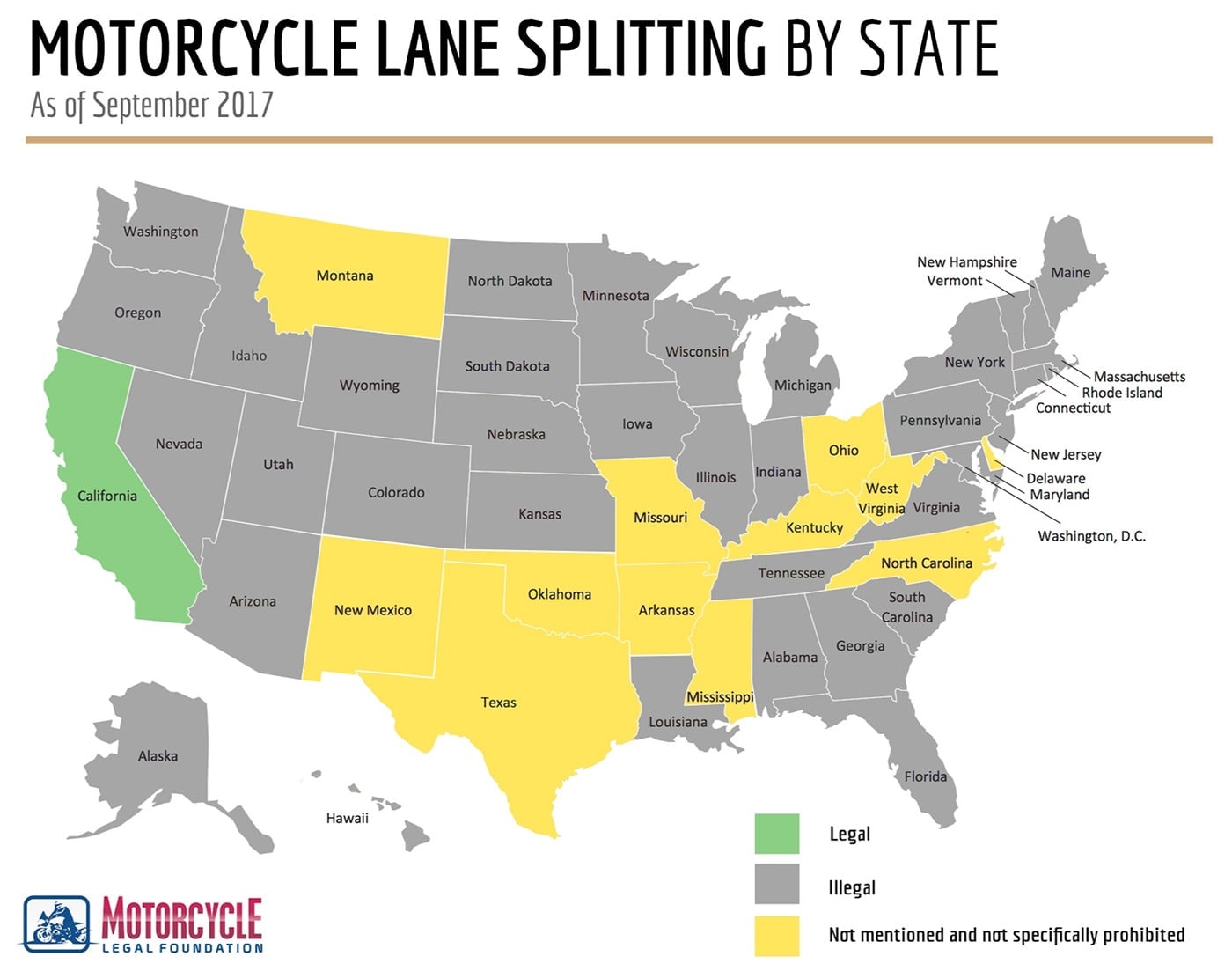
The legality of lane splitting doesn’t negate the inherent risks associated with motorcycling, nor does it absolve drivers of their responsibility to share the road. For the millions of people who navigate California’s roads daily, understanding the safety aspects and practical considerations of lane splitting is vital for reducing accidents and fostering a harmonious driving environment.
Safety Best Practices for Motorcyclists
For motorcyclists, the privilege of lane splitting comes with a significant responsibility to prioritize safety. Engaging in lane splitting requires a heightened level of awareness, skill, and judgment. Adhering to best practices is not just about avoiding legal trouble; it’s about preserving life and limb, ensuring that your travel adventures are memorable for the right reasons.
Key safety practices for motorcyclists include:
- Maintain a safe speed differential: As per CHP guidelines, aim for a speed no more than 10 mph faster than the surrounding traffic, and only when traffic is moving 30 mph or slower. Rapid changes in speed or excessive speed make it difficult for other drivers to react.
- Be aware of your surroundings: Constantly scan for potential hazards, including opening car doors, sudden lane changes by drivers, or debris on the road. Assume that drivers may not see you.
- Use proper gear: Always wear a DOT-compliant helmet, protective clothing (jacket, gloves, pants), and sturdy footwear. This is a fundamental aspect of motorcycle safety, regardless of whether you’re lane splitting or not.
- Choose appropriate lanes: Consider splitting between the two leftmost lanes, as drivers in the far-left lane are often more attentive to their mirrors for passing vehicles.
- Avoid splitting near large vehicles: Trucks, buses, and RVs have larger blind spots and can be less stable, making splitting near them more hazardous.
- Do not split around curves or over blind hills: Visibility is critical, and these situations severely limit your ability to react to unforeseen circumstances.
- Practice defensive riding: Always anticipate potential actions from other drivers. Maintain an escape path and be prepared to take evasive action.
Embracing these practices not only ensures personal safety but also contributes to the overall positive perception of lane splitting, reducing friction between motorcyclists and other road users. This commitment to safety is a core part of the motorcycling lifestyle, whether you’re commuting to work or embarking on a scenic tour of California’s many landmarks.
Tips for Drivers Sharing the Road
While motorcyclists bear the primary responsibility for safe lane splitting, drivers of cars, trucks, and other vehicles also have a crucial role to play. Awareness and understanding from drivers can significantly reduce the risk of accidents and contribute to smoother traffic flow for everyone. For those visiting California and unfamiliar with the practice, these tips are particularly important.
Drivers should:
- Be aware of motorcycles: Motorcyclists are smaller and can be harder to see. Always check your mirrors and blind spots before changing lanes or opening your door.
- Anticipate lane splitters: In heavy traffic, expect that motorcycles may be splitting lanes. This proactive awareness can prevent sudden reactions.
- Give motorcycles space: Avoid intentionally blocking a motorcyclist or attempting to hinder their movement. This can be interpreted as aggressive driving and lead to dangerous situations.
- Avoid sudden lane changes: Erratic movements can catch a lane-splitting motorcyclist off guard. Signal clearly and check mirrors before moving.
- Educate yourself: Understand that lane splitting is legal in California and is a recognized practice. This knowledge can foster patience and cooperation.
By exercising vigilance and practicing defensive driving, all road users can contribute to a safer environment for motorcyclists. This mutual respect is essential for navigating California’s busy roads, whether you’re commuting to a business meeting or driving to a popular tourist attraction.
Why California Allows Lane Splitting
The decision to legalize lane splitting wasn’t made lightly. It stems from a combination of practical benefits and safety considerations specific to motorcycling in congested environments. Understanding these reasons sheds light on California’s forward-thinking approach to traffic management and road safety.
The primary reasons California allows lane splitting include:
- Reduced traffic congestion: By allowing motorcycles to move through gridlocked traffic, lane splitting effectively removes these vehicles from the stationary queue. This can marginally improve traffic flow for other vehicles and helps reduce overall commute times for motorcyclists.
- Enhanced motorcyclist safety: Paradoxically, lane splitting can be safer for motorcyclists in slow or stopped traffic. When a motorcycle is stationary between vehicles, it is highly vulnerable to rear-end collisions, which can be devastating for riders. By moving between lanes, motorcyclists reduce their exposure to this common type of accident. Additionally, in heavy traffic, the heat generated from idling in traffic can be detrimental to air-cooled motorcycle engines and uncomfortable for riders, especially in California’s warmer climates.
- Environmental benefits: Motorcycles generally have better fuel economy than cars, and by not idling in traffic, they can further reduce emissions and fuel consumption.
- Historical precedent and practice: As discussed, lane splitting was a long-standing practice in California, with riders finding it to be a safer and more efficient way to travel. Legalizing it simply acknowledged and regulated an existing reality.
These benefits align with a broader philosophy of optimizing traffic flow and enhancing safety for vulnerable road users, making lane splitting a unique yet logical component of California’s approach to urban and highway travel.
The Impact on Travel, Tourism, and Lifestyle in California
Lane splitting is more than just a traffic law; it’s an embedded aspect of the motorcycling lifestyle and plays a subtle yet significant role in how travel and tourism unfold in California. For a state renowned for its diverse landscapes and vibrant culture, the ability to navigate its roads efficiently profoundly impacts both residents and visitors.
Navigating California’s Iconic Routes
California is a dream destination for motorcyclists. From the breathtaking coastal drive along Highway 1 to the scenic routes through Yosemite National Park or the desolate beauty of Death Valley, the state offers an unparalleled variety of touring experiences. For those embarking on a motorcycle trip, lane splitting can significantly enhance the travel experience, particularly when passing through or around congested urban areas like Los Angeles, San Francisco, or San Diego.
Imagine an adventurer on a motorcycle journey from San Francisco down to Los Angeles. While the scenic routes are often open, the approach to or departure from these major cities often involves navigating heavy traffic. Lane splitting allows these riders to avoid hours of stop-and-go congestion, saving valuable travel time and reducing fatigue. This means more time enjoying the destination, whether it’s exploring historical landmarks, relaxing at luxury resorts, or experiencing local cuisine. For tourists who rent motorcycles to experience the famed California roads, this efficiency directly contributes to a more enjoyable and fulfilling trip, aligning perfectly with the desire for hassle-free travel and memorable experiences.

A Unique Aspect of the California Motorcycling Experience
Lane splitting isn’t just a legal maneuver; it’s part of the fabric of the California motorcycling lifestyle. It represents a degree of freedom and efficiency that is largely absent in other parts of the United States. This unique aspect contributes to California’s reputation as a mecca for motorcycle enthusiasts.
The ability to legally navigate through traffic jams sets California apart, influencing everything from daily commutes to long-distance touring. For residents, it streamlines their daily travel, making motorcycling a more viable and attractive mode of transport. For international visitors or those from other states, it’s often a novel experience, emblematic of California’s distinct approach to road management and individual mobility. This makes the state an even more appealing destination for those seeking a vibrant motorcycling culture, rich with opportunities for exploration and adventure. It’s a testament to a state that, despite its challenges with traffic, has found innovative ways to keep its diverse population, including its enthusiastic motorcycle community, moving.
In conclusion, lane splitting is a legal and integral part of the driving and riding experience in California. While its legality is firmly established, the safe and prudent execution of this practice remains paramount for motorcyclists, and awareness from drivers is crucial for the safety of all road users. As California continues to draw travelers from around the globe, understanding this unique aspect of its vehicle code will undoubtedly enhance the journey for everyone, reinforcing the state’s reputation for forward-thinking solutions and an unparalleled lifestyle.
LifeOutOfTheBox is a participant in the Amazon Services LLC Associates Program, an affiliate advertising program designed to provide a means for sites to earn advertising fees by advertising and linking to Amazon.com. Amazon, the Amazon logo, AmazonSupply, and the AmazonSupply logo are trademarks of Amazon.com, Inc. or its affiliates. As an Amazon Associate we earn affiliate commissions from qualifying purchases.