
For many travelers, the allure of a vibrant destination extends beyond picturesque beaches and world-class theme parks to encompass a diverse array of entertainment options. When considering a trip to Florida, a common question arises for those interested in high-stakes thrills: Is gambling, or “stake,” legal in the Sunshine State? The answer, while not a simple yes or no, reveals a multifaceted landscape of legal gaming activities that contribute significantly to the state’s robust tourism sector. Understanding Florida’s specific laws and regulations is key for visitors looking to responsibly engage in these popular pastimes. This guide delves into the nuances of gambling tourism in Florida, outlining what’s permitted, where to find it, and what travelers need to know to make the most of their visit.
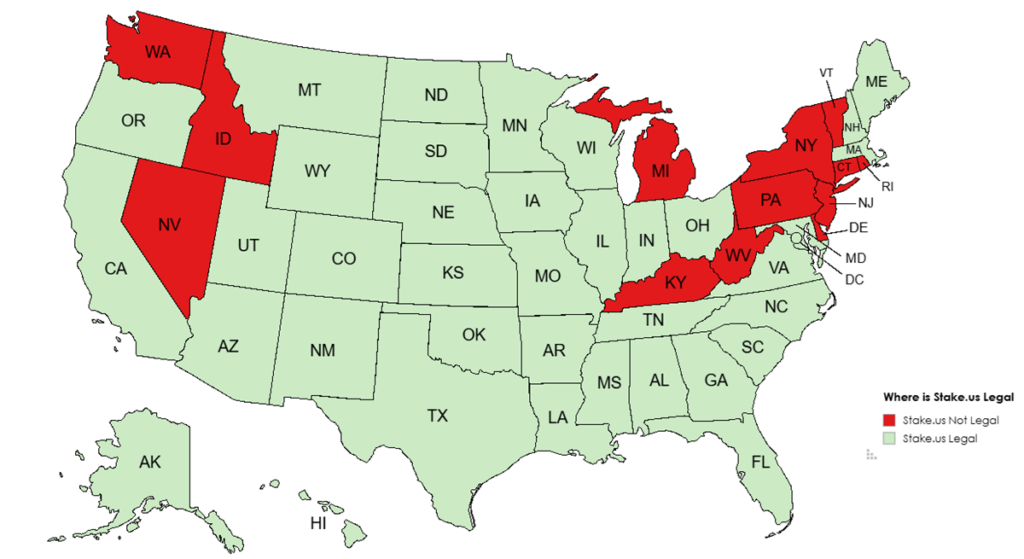
Navigating the Legal Landscape of Gaming Tourism in Florida
Florida’s approach to gambling is a complex tapestry woven from state legislation, constitutional amendments, and agreements with Native American tribes. Unlike states like Nevada or New Jersey, where commercial casinos are ubiquitous, Florida maintains a more regulated environment. However, this doesn’t mean a lack of options for tourists seeking to try their luck. The state’s gaming industry is designed to offer various forms of entertainment, often integrated with other hospitality and tourism offerings, creating unique destinations for visitors.
The Evolution of Florida’s Gambling Laws
Historically, Florida has taken a conservative stance on gambling, with strict laws against unregulated operations. Over the decades, public demand and economic considerations have led to a gradual expansion of legal gambling forms. The 1980s saw the introduction of a state lottery, followed by the authorization of pari-mutuel betting on horse racing, greyhound racing, and jai alai. A significant turning point came with the advent of tribal gaming, particularly through compacts with the Seminole Tribe of Florida. These compacts allowed for the operation of full-scale casinos on tribal lands, bringing popular games like blackjack, baccarat, and slot machines to the state. Subsequent legislative efforts have further refined the scope of legal gambling, continually balancing economic benefits with regulatory oversight.
Key Regulatory Bodies and Agreements
The landscape of gambling in Florida is governed by several entities. The Florida Gaming Control Commission oversees most state-regulated gaming activities, including pari-mutuel facilities and cardrooms. Tribal casinos, while operating under federal law on sovereign land, are largely guided by the compacts negotiated with the State of Florida. These compacts dictate the types of games offered, revenue sharing arrangements, and regulatory protocols. For tourists, understanding that these different regulatory frameworks exist is important, as it explains the variety of gaming experiences available across the state. The legal framework ensures that while various forms of “stake” are permissible, they are conducted within defined boundaries designed to protect consumers and maintain fair play.
Exploring Legal Gambling Activities for Tourists
For visitors to Florida, the opportunities to engage in legal gambling are diverse, ranging from opulent casino resorts to historic racing venues and lottery games. Each offers a distinct experience, often integrated into broader tourist attractions, making them compelling destinations in their own right.
Tribal Casino Resorts: The Full Casino Experience
The most comprehensive gambling experiences in Florida are found at tribal casinos, predominantly operated by the Seminole Tribe of Florida and the Miccosukee Tribe of Indians of Florida. These establishments offer a true Las Vegas-style environment, complete with thousands of slot machines, a wide array of table games like blackjack, poker, baccarat, and roulette, and often live entertainment, fine dining, and luxury accommodations.
The Seminole Hard Rock Hotel & Casino Hollywood in Hollywood, Florida, with its iconic guitar-shaped hotel, is a prime example of a world-class entertainment destination. Similarly, the Seminole Hard Rock Hotel & Casino Tampa in Tampa offers a sprawling casino floor and resort amenities. Other notable tribal casinos include Seminole Casino Coconut Creek, Seminole Casino Brighton, and [Miccosukee Resort & Gaming](https://lifeoutofthebox.com/miccosukee-resort-gaming near Miami, each providing a unique flavor of gaming and hospitality. These resorts serve as major tourism magnets, drawing visitors not just for gambling but for a complete luxury lifestyle experience.
Pari-Mutuel Facilities: Racing and Cardrooms
Beyond tribal casinos, Florida is home to numerous pari-mutuel facilities that combine live racing with cardrooms. These venues allow visitors to place bets on horse racing, greyhound racing (though greyhound racing was phased out by the end of 2020), and jai alai. Many pari-mutuel tracks also host separate cardrooms where popular poker variants like Texas Hold’em, Omaha, and Seven-Card Stud, as well as non-house-banked card games, are legal.
Prominent examples include Gulfstream Park Racing and Casino in Hallandale Beach, which features both thoroughbred racing and a substantial casino-style area with slot machines (as authorized for some pari-mutuels in specific counties). Other popular venues include Calder Casino in Miami Gardens, Isle Casino Pompano Park in Pompano Beach, and BestBet Jacksonville, which is renowned for its poker room. These facilities provide a more traditional racing atmosphere complemented by card-game action, offering a different kind of “stake” for tourists.

The Florida Lottery and Cruise Ship Gaming
For casual gamblers or those looking for a lower-stakes experience, the Florida Lottery offers various scratch-off games and multi-state drawings like Powerball and Mega Millions. Lottery tickets are widely available at convenience stores and supermarkets across the state, providing an accessible form of entertainment for all adult visitors.
Another unique option for “stake” gaming in Florida is found on cruise ships. “Cruises to nowhere” or cruises sailing into international waters from Florida ports like Miami, Fort Lauderdale, and Port Canaveral are permitted to operate full casinos once they are beyond Florida’s territorial waters. Companies like Victory Casino Cruises offer day cruises specifically for this purpose, providing a full casino experience with slots, table games, and sports betting. This offers a loophole of sorts, allowing a comprehensive gambling experience that isn’t legal on land in the same way, while still being a popular tourist activity departing from Florida.
Essential Tips for Gambling Tourists in Florida
Engaging in gambling activities as a tourist in Florida can be an exciting part of your trip, but it’s crucial to be informed and practice responsible gaming. Adhering to local laws and setting personal limits will ensure a positive and enjoyable experience.
Age Restrictions and Identification
The legal age for gambling in Florida is 21 for casinos (tribal and pari-mutuel facilities with slots) and cardrooms. For pari-mutuel betting (on races) and the Florida Lottery, the legal age is 18. Visitors should always carry valid government-issued identification, as venues strictly enforce age requirements. Failure to produce proper ID will result in denial of entry or service.
Responsible Gaming Practices
While the thrill of the “stake” is undeniable, responsible gaming is paramount. Visitors should:
- Set a Budget: Decide beforehand how much money you are willing to spend and stick to it. Never gamble with money you can’t afford to lose.
- Know Your Limits: Gambling should be for entertainment, not a way to make money. Recognize when it’s time to take a break or stop.
- Understand the Rules: Familiarize yourself with the rules of the games you play. Most casinos offer beginner guides or lessons.
- Avoid Alcohol Impairment: Making gambling decisions while impaired by alcohol can lead to poor choices.
- Seek Help if Needed: Florida provides resources for problem gambling. Information is usually available at gaming venues or through state health services.
Planning Your Gambling-Focused Itinerary
For tourists whose primary interest lies in gaming, planning ahead can optimize the experience. Consider staying at one of the integrated casino resorts, which offer a seamless blend of entertainment, dining, and accommodation. If you prefer a mix of activities, destinations like Miami or Fort Lauderdale offer tribal casinos and pari-mutuel venues alongside beaches, cultural attractions, and nightlife. For those seeking a unique twist, a cruise ship gambling experience could be an exciting addition to a coastal vacation. Always check the operating hours and specific offerings of each venue before your visit, as these can vary.
The Economic and Tourism Impact of Florida’s Gaming Industry
The legal gambling industry, encompassing tribal casinos, pari-mutuel facilities, and the state lottery, plays a significant role in Florida’s economy and its appeal as a global tourist destination. It generates substantial tax revenues, creates thousands of jobs, and attracts a particular segment of the tourism market.
Contribution to State Revenue and Employment
The taxes and revenue-sharing agreements derived from legal gambling operations provide substantial funds that often go towards public services, education, and infrastructure projects within Florida. Beyond direct revenue, the industry supports a vast workforce, from casino dealers and hospitality staff to security personnel and marketing teams. The presence of large-scale casino resorts also stimulates local economies by increasing demand for ancillary services, from transportation to local suppliers.
Enhancing Florida’s Appeal as a Diversified Destination
For tourists, the availability of legal “stake” options broadens Florida’s appeal beyond its traditional attractions. It positions the state not just as a family-friendly destination with theme parks like those in Orlando or serene beaches in places like Sarasota and Key West, but also as a hub for adult entertainment and luxury travel. This diversification attracts a wider demographic, including those seeking a sophisticated nightlife, high-end dining, and the excitement of gaming, thereby enriching the overall tourism ecosystem. The integrated resort model, in particular, caters to travelers looking for a comprehensive leisure experience under one roof.

The Future of Gambling Tourism in Florida
The future of gambling in Florida remains a topic of ongoing discussion and potential evolution. As other states expand their gaming offerings, Florida continually evaluates its position to remain competitive while addressing public concerns. Potential future expansions could include sports betting or additional types of casino games. Regardless of future legislative changes, the current legal framework ensures that “stake” in various forms is indeed a vibrant and accessible part of Florida’s tourism landscape, offering engaging options for visitors seeking entertainment and a chance to win.
In conclusion, for tourists wondering “Is stake legal in Florida?”, the answer is a resounding yes, albeit within clearly defined legal parameters. From the glittering floors of tribal casinos to the lively atmosphere of pari-mutuel cardrooms and the casual fun of the lottery, Florida provides a rich and varied gaming experience that complements its other world-renowned attractions. By understanding the regulations and embracing responsible gaming, visitors can safely and enjoyably partake in the excitement that legal gambling adds to the Sunshine State’s diverse tourism offerings.
LifeOutOfTheBox is a participant in the Amazon Services LLC Associates Program, an affiliate advertising program designed to provide a means for sites to earn advertising fees by advertising and linking to Amazon.com. Amazon, the Amazon logo, AmazonSupply, and the AmazonSupply logo are trademarks of Amazon.com, Inc. or its affiliates. As an Amazon Associate we earn affiliate commissions from qualifying purchases.