
California, a state renowned for its diverse landscapes and vibrant culture, attracts millions of visitors annually seeking everything from serene beach escapes to adventurous mountain expeditions. For those interested in outdoor recreational activities, particularly shooting sports, questions often arise regarding the legality of certain materials. Among these, Tannerite is a product that frequently sparks debate and confusion. Understanding the regulations surrounding binary explosives like Tannerite in California is crucial for residents and tourists alike, as non-compliance can lead to serious legal consequences and safety hazards. This article delves into California’s legal framework concerning Tannerite, its implications for recreational activities, and essential tips for responsible conduct within the Golden State.
Understanding Tannerite: Composition, Use, and Concerns
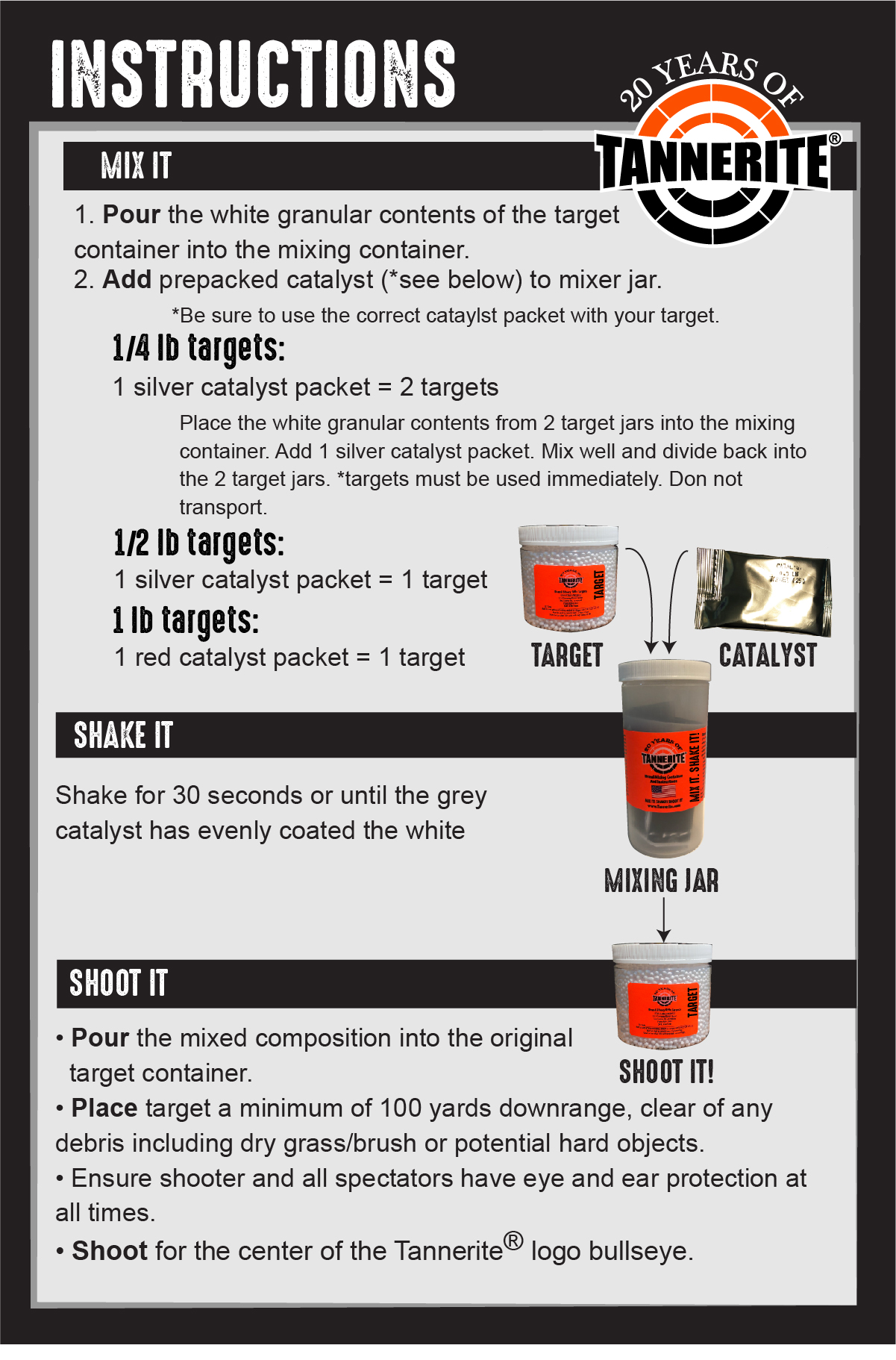
Before examining its legality, it’s vital to grasp what Tannerite is, how it functions, and the inherent risks associated with its use. Often misunderstood, Tannerite is a brand name for a binary explosive marketed primarily as a target indicator for firearms practice.
The Composition and Function
Tannerite is sold as two separate components that, when mixed, form a high-explosive substance. Typically, these components are an oxidizer (such as ammonium nitrate) and a fuel (often aluminum powder). The product is designed to be stable when unmixed, allowing for legal purchase and transport of the separate ingredients. However, once combined, the mixture becomes a high explosive. It requires a significant impact, usually from a high-velocity rifle bullet, to detonate, producing a loud report and often a plume of smoke, making it a clear indicator of a successful shot. This characteristic is precisely what makes it appealing for recreational shooting. The appeal lies in the dramatic visual and auditory feedback it provides to shooters, enhancing the experience of target practice. Manufacturers stress the importance of following instructions carefully and using the product only as intended.
Common Recreational Uses
The primary use for Tannerite is in recreational shooting as a reactive target. Shooters set up small containers of the mixed substance and aim to detonate them with rifle rounds. This provides an immediate and satisfying confirmation of accuracy. It’s often employed in open, rural areas or designated shooting ranges where its use is permitted. Enthusiasts enjoy the challenge and the theatrical effect of the explosion. For many, it adds an exciting dimension to what might otherwise be routine target practice. It’s also sometimes used in gender reveal parties or other celebratory events, which, as we will discuss, introduces additional layers of legal and safety considerations, especially in fire-prone regions like California.
Safety Concerns and Risks
Despite its widespread use, Tannerite poses several significant safety concerns. Foremost among these is the potential for fire. Detonations often produce sparks and hot fragments, which can easily ignite dry vegetation, a critical concern in California’s arid climate and frequent wildfire seasons. There are numerous documented cases of wildfires started by binary explosives. Beyond fire, there’s the risk of serious injury from shrapnel or concussive force if users are not a safe distance away or if the target is placed near hard surfaces that can produce ricochets. Misuse, such as attempting to detonate it with anything other than a high-velocity rifle round (e.g., impact from a hammer or a low-velocity projectile), can also lead to unpredictable and dangerous outcomes. The product is also an explosive, meaning it carries inherent risks associated with handling and detonation that necessitate strict adherence to safety protocols and, critically, legal regulations.
The Legal Landscape in California
When it comes to explosives, California maintains some of the most stringent regulations in the United States. The state’s approach is largely informed by its unique geographical challenges, particularly its vulnerability to wildfires, and a general emphasis on public safety.
California’s Stance on Explosive Materials
Under California law, binary explosives like Tannerite are typically regulated under the state’s Health and Safety Code, specifically sections pertaining to explosives. The key distinction from a legal standpoint often lies in whether the components are mixed or unmixed. Unmixed components, when sold separately, are generally not classified as explosives. However, once combined, the resulting mixture unequivocally falls under the definition of an “explosive” under state law. This classification triggers a host of regulatory requirements, including permitting for possession, storage, and use. Unlike many other states where Tannerite might be legally used in certain contexts, California takes a much stricter view.
Specific Regulations Regarding Tannerite and Binary Explosives
In California, it is generally illegal to possess, use, or transport mixed binary explosives, including Tannerite, without a valid permit issued by the State Fire Marshal. This is not a gray area; it is a clear prohibition. Obtaining such a permit is an arduous process, usually reserved for licensed blasters, demolition experts, or those with very specific, high-level professional needs, and it is certainly not issued for recreational target shooting.
Furthermore, state law prohibits the use of any incendiary ammunition or explosive projectiles on land that is not a developed firing range. Given that Tannerite is an explosive and its detonation creates sparks and heat, its use almost always violates these fire safety regulations. Many state and federal lands, including those managed by the U.S. Forest Service and the Bureau of Land Management, have explicit bans on binary explosives due to fire danger and environmental impact. Even on private land, local ordinances and county fire codes often prohibit their use.
The legality of purchasing the unmixed components of Tannerite might be less restricted, as they are not explosives on their own. However, the intent to mix and detonate them within California without the proper permits constitutes an illegal act. This means that while you might be able to buy the individual ingredients, assembling them for use within the state without a permit is against the law.
Penalties for Non-Compliance
Violations of California’s explosives laws carry severe penalties. Unlawful possession, use, or transportation of explosives can result in felony charges, leading to substantial fines, imprisonment in state prison, or both. The exact penalties depend on the specific violation, the amount of explosive material, and whether the act resulted in injury, death, or property damage (such as starting a wildfire). Beyond criminal charges, individuals may also face civil liabilities, particularly if their actions cause a wildfire or other property damage. For tourists, this means that ignorance of the law is not a defense, and engaging in activities that are commonplace in other states could lead to a criminal record in California.
Implications for California Activities and Tourism
For anyone planning recreational activities in California, especially those involving firearms or outdoor pursuits, understanding the prohibition on Tannerite is paramount. This impacts both visitors and residents.
Outdoor Recreation and Target Shooting
California offers numerous opportunities for outdoor recreation, including target shooting. Many public and private ranges operate across the state, providing safe and legal venues for firearms enthusiasts. However, these facilities strictly adhere to state and local regulations, and the use of binary explosives like Tannerite is almost universally prohibited. For those seeking reactive targets, ranges typically offer steel targets or other non-explosive alternatives. Tourists planning shooting excursions should always verify the specific rules of any range or public land they intend to visit. Failing to do so could result in immediate expulsion, fines, or even arrest. The state’s focus is on promoting safe and responsible enjoyment of its natural resources, and activities that pose an undue risk are heavily regulated or banned.
Fire Risk and Environmental Impact
The primary driver behind California’s strict stance on Tannerite is the ever-present threat of wildfires. The state experiences devastating fire seasons almost annually, and human-caused ignitions, even accidental ones, are a major concern. The sparks and heat generated by a Tannerite detonation are a significant fire hazard, particularly during dry periods or in areas with abundant dry vegetation. Beyond fire risk, the debris from exploded targets can contribute to environmental pollution, leaving behind plastic or metal fragments. California’s commitment to preserving its natural beauty and protecting its communities from fire means that activities deemed high-risk are heavily restricted. This is a critical consideration for any visitor enjoying the state’s natural parks, forests, or open spaces.
Tips for Responsible Visitors and Residents
- Educate Yourself: Always research California’s laws and local ordinances before engaging in any activity, especially those involving firearms or potentially hazardous materials.
- Adhere to Fire Safety: Be acutely aware of fire danger. Never use anything that produces sparks or flames in dry areas. Check fire restrictions, which can change frequently based on weather conditions.
- Choose Legal Alternatives: If you enjoy reactive targets, opt for steel targets, self-healing polymer targets, or other non-explosive options available at reputable shooting ranges.
- Respect Public Lands: When visiting California’s vast public lands, understand that rules are in place to protect natural resources and ensure public safety. Always consult the specific agency (U.S. Forest Service, Bureau of Land Management, California State Parks, etc.) governing the area you plan to visit.
- When in Doubt, Don’t: If you are unsure about the legality of an item or activity, err on the side of caution and refrain from it. Consult local law enforcement or the State Fire Marshal’s office for clarification.
Navigating Regulations: Best Practices
For those engaging in outdoor recreation or target shooting in California, understanding and adhering to regulations is not just about avoiding penalties; it’s about contributing to the safety and preservation of the state’s natural environment.
Consulting Local Authorities
Before planning any activity that might involve items with legal restrictions, a key best practice is to consult relevant local authorities. This could include the local sheriff’s department, the city police department, or the county fire department. For activities on public lands, contacting the managing agency (e.g., National Forest Service, Bureau of Land Management) is essential. These agencies can provide the most current and specific information regarding prohibitions, required permits, and designated safe areas for various activities. Their guidance ensures that both residents and visitors can enjoy California’s outdoor offerings responsibly and within legal bounds. It’s especially important to inquire about any temporary restrictions, such as fire bans, which can be enacted rapidly during periods of high risk.
Alternatives and Legal Activities
While Tannerite is largely off-limits in California for recreational use, there are numerous legal and equally engaging alternatives for target shooters. Many modern shooting ranges offer reactive steel targets that provide satisfying auditory feedback without the associated fire risk or legal complexities of explosives. Self-healing polymer targets also offer dynamic shooting experiences. Furthermore, California boasts a wide array of other tourism activities. Visitors can explore world-class national and state parks, engage in water sports along the coast, hike countless trails, or discover vibrant urban centers like Los Angeles and San Francisco. Focusing on legally permissible and environmentally sound activities ensures a pleasant and trouble-free visit to the state.

The Importance of Awareness for Public Safety
Ultimately, the strict regulations surrounding materials like Tannerite in California underscore a broader commitment to public safety and environmental protection. For tourists, understanding these nuances is a crucial “tip” for a smooth and enjoyable trip. Engaging in activities without proper knowledge of local laws can not only lead to legal troubles but also endanger others and the environment. Responsible tourism involves being informed and making choices that respect the local regulations and natural resources of the destination. California’s beauty is its greatest asset, and adherence to these laws helps preserve it for everyone.
LifeOutOfTheBox is a participant in the Amazon Services LLC Associates Program, an affiliate advertising program designed to provide a means for sites to earn advertising fees by advertising and linking to Amazon.com. Amazon, the Amazon logo, AmazonSupply, and the AmazonSupply logo are trademarks of Amazon.com, Inc. or its affiliates. As an Amazon Associate we earn affiliate commissions from qualifying purchases.