
For travelers planning a visit to California, a common and essential question often arises: is the tap water safe to drink? Understanding the quality and safety of local water sources is paramount for a comfortable and healthy trip, impacting everything from daily hydration to dining choices. The good news for tourists exploring the Golden State is that, for the most part, California’s tap water is held to stringent safety standards. However, a nuanced understanding of regional variations and specific contexts can further enhance your peace of mind and overall experience.
The Golden State’s Water Quality Standards
California, like all U.S. states, adheres to the comprehensive regulations set forth by the federal Environmental Protection Agency (EPA) under the Safe Drinking Water Act. This act mandates strict quality standards for public water systems, monitoring for hundreds of contaminants, from bacteria and viruses to lead and pesticides. Beyond federal oversight, the California Department of Public Health (CDPH) and the State Water Resources Control Board establish additional, often more rigorous, state-specific requirements. These state agencies play a critical role in ensuring that drinking water suppliers across the state deliver water that meets both federal and state health objectives.

Regulatory Oversight in California
The robust regulatory framework in California involves continuous monitoring, testing, and reporting. Public water systems are required to regularly test their water for a wide array of potential contaminants and submit these results to the state. Annual Water Quality Reports, also known as Consumer Confidence Reports (CCRs), are published by every public water utility. These reports are invaluable resources for travelers, offering a detailed breakdown of water sources, detected contaminants, and compliance with regulatory standards. Accessing the CCR for your specific destination, whether Los Angeles, San Francisco, or a smaller town, can provide direct insight into local water quality.
Sources of California’s Tap Water
California’s water supply is incredibly diverse, drawing from a vast and complex system of rivers, lakes, reservoirs, and groundwater basins. Major metropolitan areas often rely on extensive aqueduct systems that transport water from distant sources, such as the Sierra Nevada mountains or the Sacramento-San Joaquin Delta. For instance, Los Angeles receives a significant portion of its water from the California Aqueduct and the Los Angeles Aqueduct, bringing water from northern California and the Eastern Sierra. San Francisco primarily sources its water from the Hetch Hetchy Reservoir in Yosemite National Park, renowned for its pristine quality. Smaller communities and rural areas might depend more heavily on local groundwater wells. The sophisticated treatment processes applied to these diverse sources ensure that the water reaching the tap meets safety standards.
Common Contaminants and Treatment Processes
While raw water sources can contain various natural and man-made contaminants, advanced treatment facilities across California employ multiple barriers to ensure safety. Typical treatment processes include coagulation and flocculation to remove suspended particles, sedimentation, filtration to catch smaller impurities, and disinfection (often with chlorine or chloramines) to kill bacteria and viruses. Some facilities also use advanced methods like ozone or UV disinfection. Monitoring is continuous throughout these processes. Even if trace amounts of certain contaminants are detected, they are usually well below the maximum contaminant levels (MCLs) set by regulatory bodies, ensuring the water remains safe for consumption.
Regional Variations: What Tourists Need to Know
While generally safe, water quality can exhibit regional variations across California. These differences are often tied to the specific water sources, local environmental factors, and the age and maintenance of distribution infrastructure. For tourists, being aware of these potential nuances can help inform decisions about hydration.
Urban Centers vs. Rural Areas
In major urban centers like San Diego, Sacramento, or Oakland, water systems are typically large, well-funded, and meticulously maintained, leading to consistently high water quality. These cities benefit from extensive infrastructure and professional water management teams. In contrast, smaller rural communities might have older infrastructure or rely on smaller, less complex treatment systems. While still regulated, occasional boil water advisories can be more common in these areas, particularly after heavy storms or infrastructure failures. Travelers visiting remote areas or very small towns should check local advisories if they have concerns.
Coastal vs. Inland Considerations
Coastal regions, particularly those with higher population densities, often have robust water systems due to their reliance on various imported water sources and advanced treatment. However, some coastal areas might face challenges such as saltwater intrusion into groundwater supplies, which is typically managed through desalination or blending with other sources. Inland areas, especially those in the Central Valley that rely heavily on groundwater, might contend with different issues, such as agricultural runoff impacting aquifers or naturally occurring minerals like arsenic. Again, public water systems are equipped to treat these issues, but it’s a factor in the varied treatment approaches across the state.
Specific Concerns in Drought-Affected Regions
California is no stranger to droughts, and these extended periods of water scarcity can sometimes influence water quality. During severe droughts, water agencies may need to draw from alternative, less preferred sources, or rely more heavily on recycled wastewater for non-potable uses, with increasingly advanced treatment being deployed for potable reuse. While highly treated, public perception and specific health concerns, though often unfounded given the rigorous treatment, can arise. For tourists, drought conditions primarily mean increased awareness of water conservation, but the tap water supplied for drinking is still required to meet all safety standards, irrespective of its original source.
Practical Tips for Tourists: Staying Hydrated Safely
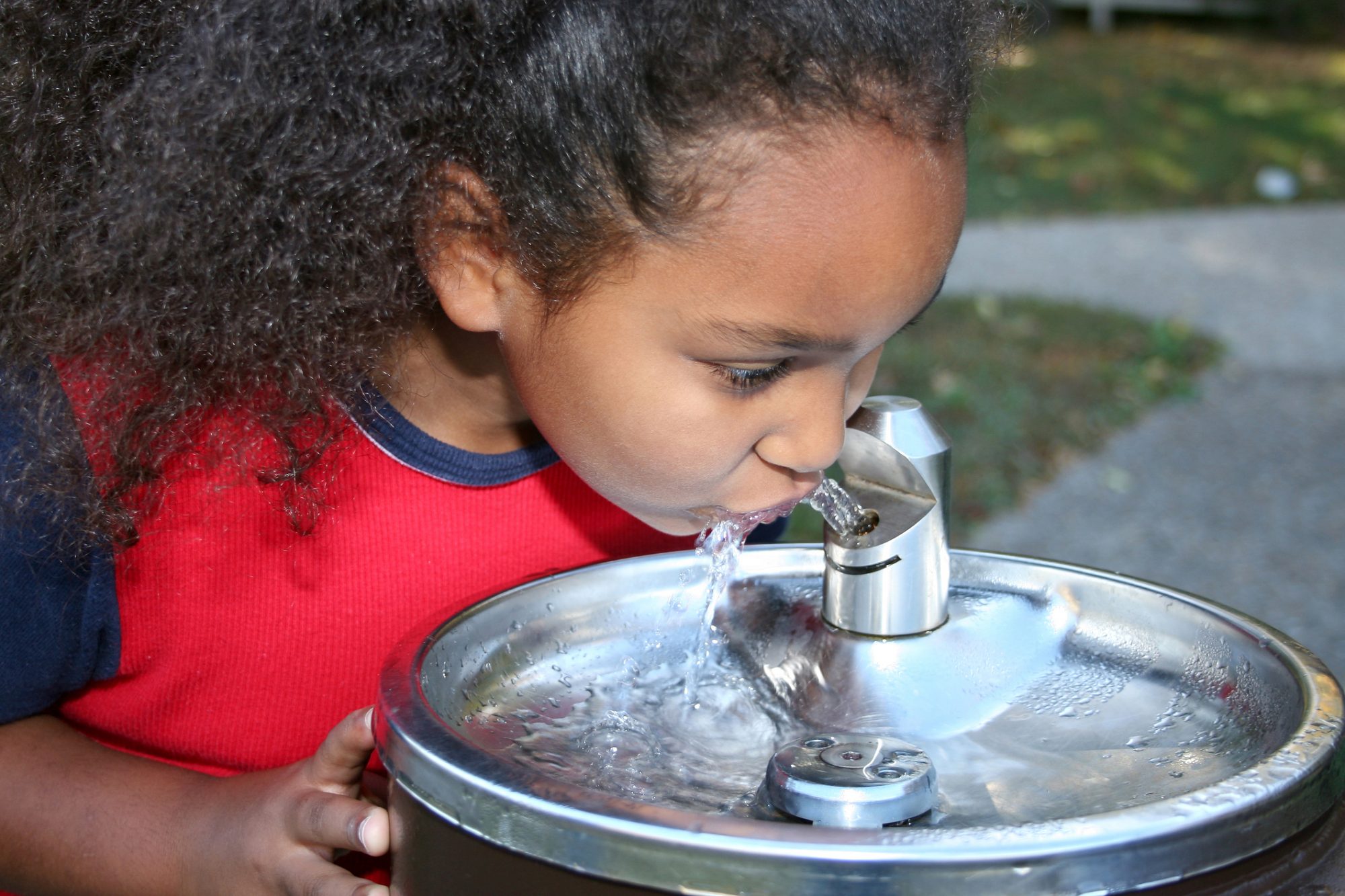
Ensuring safe hydration is a cornerstone of responsible tourism. While California’s tap water is largely safe, a few practical tips can enhance your experience and preparedness.
Trusting the Tap: When and Where
In most hotels, restaurants, and public facilities in California’s major tourist destinations like Anaheim, Palm Springs, or Santa Monica, the tap water is perfectly safe and often refreshing. Don’t hesitate to ask for tap water at restaurants; it’s a common practice. When staying in established accommodations, trust that they are connected to public water systems that are regularly monitored. If you’re staying in a private rental or less conventional lodging, it’s always prudent to inquire about the water source.
Alternative Hydration Options
For those who prefer an alternative or have specific sensitivities, bottled water is widely available throughout California at grocery stores, convenience stores, and vending machines. Consider larger jugs to refill personal bottles, reducing plastic waste. If you’re traveling to very remote areas or are engaging in strenuous outdoor activities where water sources might be questionable (e.g., backcountry hiking), carrying a personal water filter or purification tablets can be a wise precaution. However, for general tourism in developed areas, bottled water is a choice, not usually a necessity for safety.
Filters and Personal Water Bottles
Bringing a reusable water bottle is an excellent way to stay hydrated and reduce your environmental footprint while exploring California. Many airports, parks, and attractions now have water refill stations. For an added layer of peace of mind, especially if you have an older immune system or sensitivities, a water bottle with an integrated filter can be a good investment. These filters can help remove chlorine taste and odor, as well as some particulate matter, making the water more palatable, even if it’s already safe.
What to Do If You’re Unsure
If you ever encounter tap water that has an unusual smell, taste, or discoloration, it’s best to err on the side of caution and avoid drinking it. Report any concerns to your accommodation provider or local health authorities if it’s a widespread issue. Most public water systems in California maintain publicly accessible emergency alerts or advisories on their websites. A quick search for the local water utility in the area you are visiting can often provide immediate answers to any pressing concerns.
Water and Your California Experience
Beyond direct consumption, water plays a significant role in various aspects of a tourist’s experience in California, from outdoor adventures to culinary delights.
Hydration for Outdoor Activities
California’s diverse landscape offers countless opportunities for outdoor activities, from hiking in Joshua Tree National Park to cycling along the Pacific Coast Highway or exploring around Lake Tahoe. Many of these activities, especially in warm climates or at higher elevations, require consistent hydration. While public fountains and spigots in developed park areas are usually safe, always plan to carry enough water, particularly for longer treks. Do not rely on untreated natural water sources (rivers, streams, lakes) without proper filtration or purification, as they can harbor harmful microorganisms.
Water in Local Cuisine and Dining
Restaurants across California use tap water in food preparation, ice making, and beverages. Given the strict regulations and oversight, you can generally trust that the water used in culinary establishments is safe. Enjoying local produce washed with tap water or sipping a handcrafted coffee in Berkeley or Santa Barbara should not be a cause for concern. The state’s vibrant food scene is built on a foundation of safe public utilities.
Environmental Impact and Responsible Water Consumption
Finally, as a responsible tourist in California, it’s important to be mindful of water conservation, especially given the state’s historical struggle with drought. While tap water is generally safe, using it judiciously demonstrates respect for local resources. Take shorter showers, reuse towels, and avoid leaving taps running unnecessarily. By being an informed and conscious consumer of water, you contribute positively to the sustainability of your travel destination and ensure that the Golden State’s precious water resources remain available for both residents and future visitors alike.
LifeOutOfTheBox is a participant in the Amazon Services LLC Associates Program, an affiliate advertising program designed to provide a means for sites to earn advertising fees by advertising and linking to Amazon.com. Amazon, the Amazon logo, AmazonSupply, and the AmazonSupply logo are trademarks of Amazon.com, Inc. or its affiliates. As an Amazon Associate we earn affiliate commissions from qualifying purchases.