
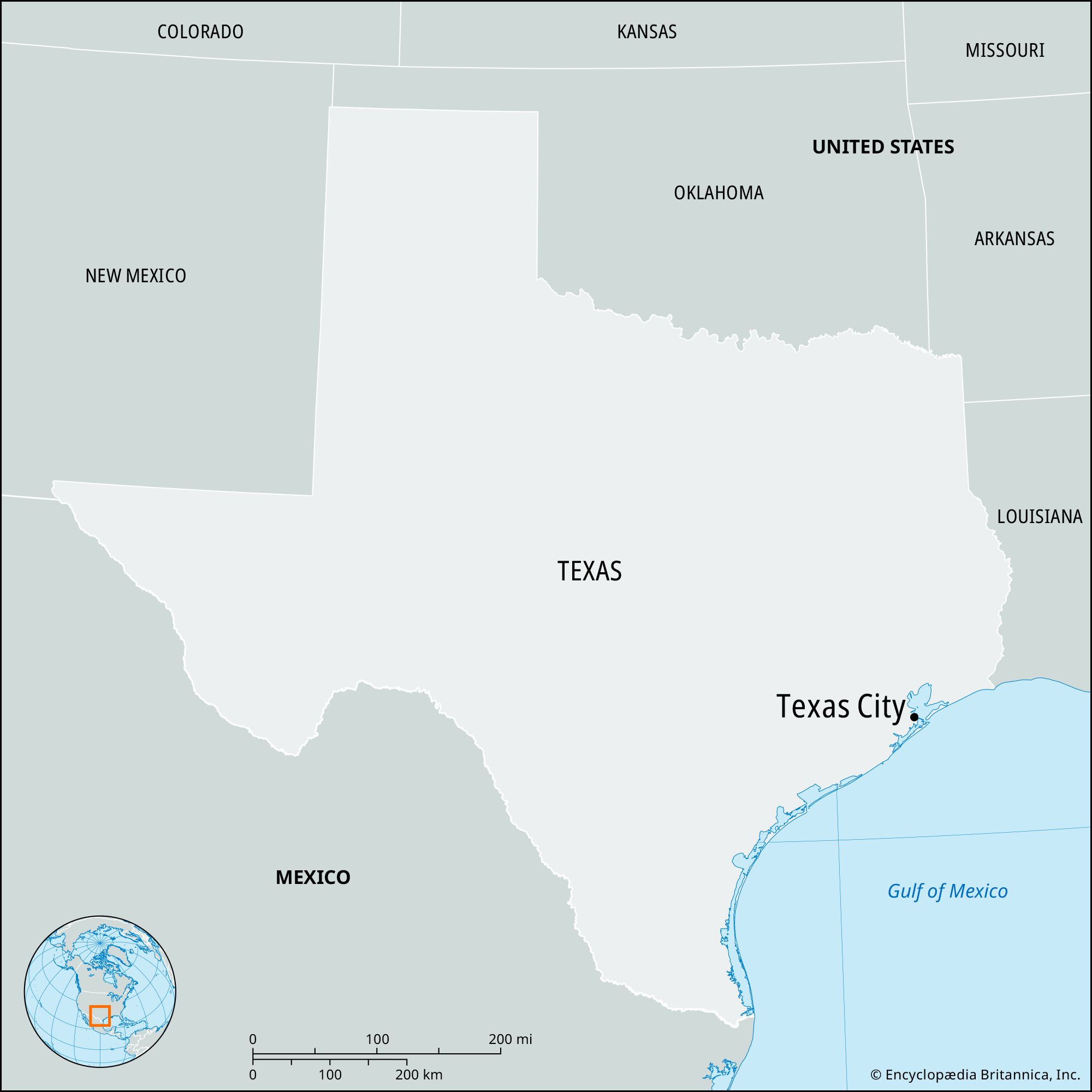
The question of whether Texas is a city in the United States is a common one, often stemming from a lack of familiarity with the sheer scale and diversity of this vast state. To clarify, Texas is not a city; it is a state, the second-largest by both area and population in the U.S.. Its immense size encompasses a wide array of distinct regions, each with its own unique character, attractions, and travel experiences. Understanding this distinction is crucial for anyone planning a visit or seeking to appreciate the multifaceted allure of the Lone Star State.
Navigating the Vastness: Understanding Texas’s Geography
Texas stretches over 268,596 square miles, a geographical expanse that rivals the size of many countries. This considerable area is home to a population exceeding 30 million people, making it a significant demographic force within the United States. The state’s size translates into a diverse range of landscapes, from the arid deserts of West Texas to the lush piney woods of East Texas, the rolling hills of the Hill Country, and the expansive Gulf Coast.
Key Regions and Their Defining Characteristics
To truly grasp the scope of Texas as a travel destination, it’s helpful to break it down into its primary geographical and cultural regions. Each offers a distinct flavor and set of experiences for travelers.
The Panhandle and West Texas
This region is characterized by its wide-open spaces, dramatic desert landscapes, and a sense of rugged individualism. It’s the land of the Big Bend National Park, a UNESCO World Heritage site renowned for its stunning mountain ranges, vast desert, and the winding Rio Grande. Travelers here can explore unique geological formations, go hiking, stargaze under incredibly dark skies, and immerse themselves in the stark beauty of the Chihuahuan Desert. The historic city of Amarillo offers attractions like the Cadillac Ranch and the Palo Duro Canyon State Park, often called the “Grand Canyon of Texas.”
North Texas
Home to the major metropolitan areas of Dallas and Fort Worth, North Texas offers a blend of modern urban amenities, rich history, and a strong Western heritage. Dallas is a hub for arts, culture, and shopping, boasting world-class museums like the Dallas Museum of Art and historical sites such as the Sixth Floor Museum at Dealey Plaza, which chronicles the assassination of President John F. Kennedy. Fort Worth embraces its cowboy roots with the famous Fort Worth Stockyards National Historic District, where visitors can witness daily cattle drives and experience the spirit of the Old West.
Central Texas and the Hill Country
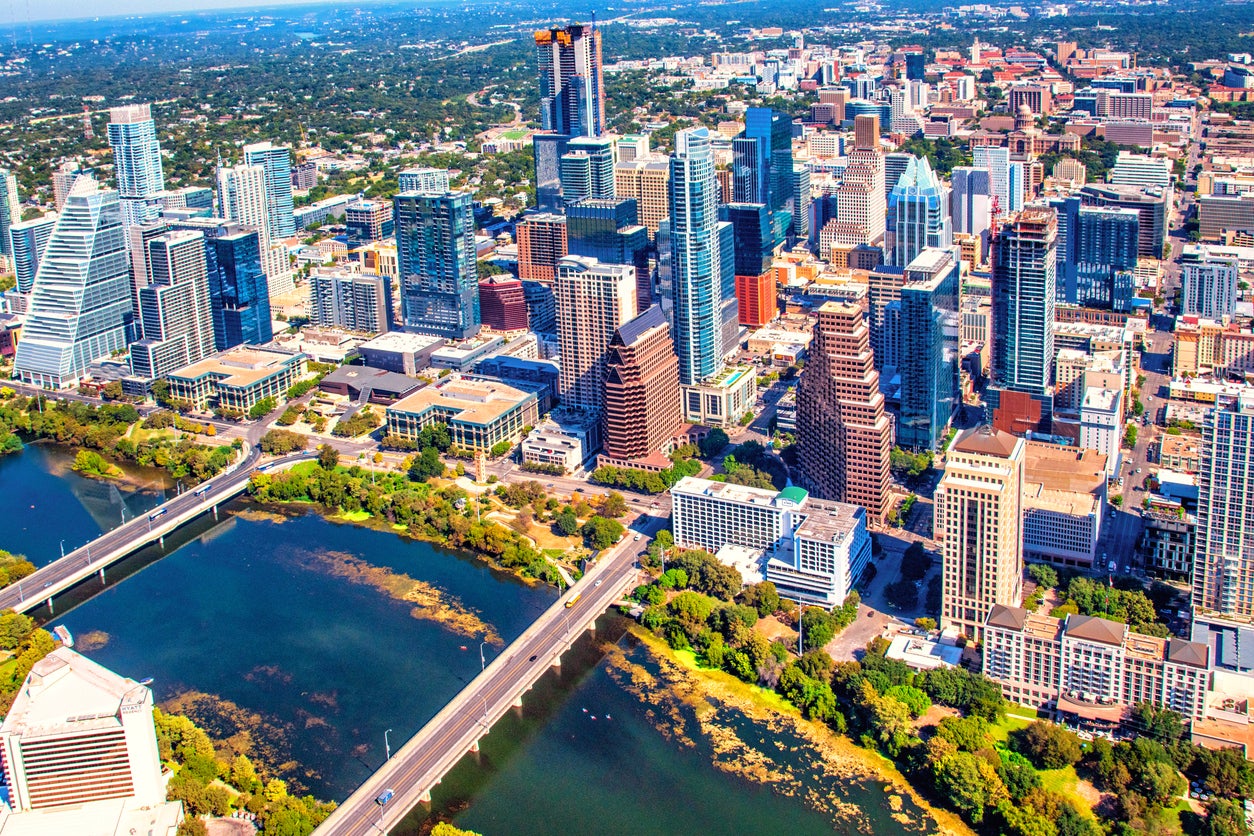
This region is celebrated for its rolling hills, clear spring-fed rivers, and charming small towns. The state capital, Austin, is renowned as the “Live Music Capital of the World” and offers a vibrant, eclectic atmosphere with a thriving culinary scene and numerous outdoor activities along Lady Bird Lake. The Texas Hill Country is dotted with picturesque towns like Fredericksburg, settled by German immigrants, offering wineries, antique shops, and a slower pace of life. Natural attractions include the Natural Bridge Caverns and the stunning beauty of the Guadalupe River State Park.
Southeast Texas and the Gulf Coast
This area features a subtropical climate, beautiful beaches, and a significant industrial presence. Houston, the largest city in Texas and the fourth-largest in the U.S., is a major cultural and economic center, home to the renowned Space Center Houston, a part of NASA’s Johnson Space Center, and a diverse culinary landscape. Along the coast, cities like Galveston offer historic architecture, charming Victorian homes, and a relaxed beach town vibe, while areas like Corpus Christi provide opportunities for water sports, dolphin watching, and visiting the USS Lexington Museum.
South Texas
Bordering Mexico, South Texas is a region rich in Hispanic culture, history, and unique ecosystems. San Antonio is a cornerstone of this region, famous for its historical missions, including the iconic Alamo, and the vibrant River Walk, a network of walkways along the San Antonio River lined with shops, restaurants, and hotels. The region’s culture is a captivating blend of Spanish, Mexican, and American influences, evident in its cuisine, music, and traditions.
Beyond the Urban Centers: Exploring Texas’s Diverse Attractions
While Texas boasts several major cities that are destinations in themselves, its true appeal lies in the diversity of experiences available across the state. From natural wonders to historical landmarks and unique cultural enclaves, there’s something to captivate every type of traveler.
Natural Wonders and Outdoor Adventures
The natural landscapes of Texas offer a playground for outdoor enthusiasts.
- National and State Parks: Beyond Big Bend National Park and Palo Duro Canyon State Park, travelers can explore the vastness of the Big Thicket National Preserve in East Texas, a unique ecosystem with incredible biodiversity, or the stark beauty of the Caprock Canyons State Park & Trailway in the Panhandle.
- Water Recreation: The Gulf Coast offers opportunities for swimming, sunbathing, and water sports. Inland, numerous lakes and rivers provide excellent conditions for fishing, kayaking, and tubing, especially in the popular Hill Country.
- Wildlife Viewing: Texas is a crucial migratory path for birds, making it a birdwatcher’s paradise, particularly in coastal areas and the Hill Country. The state also supports a variety of unique wildlife, from armadillos to the endangered Attwater’s prairie chicken.
Historical Significance and Cultural Immersion
Texas is steeped in history, from its days as a Spanish colony and its struggle for independence to its role in the expansion of the American West.
- The Republic of Texas: Sites like the Alamo, San Jacinto Battlefield State Historic Site, and the various missions in San Antonio tell the story of the fight for independence.
- The Old West: The Fort Worth Stockyards provide a living history experience, while numerous museums across the state delve into the era of cowboys, cattle drives, and frontier life.
- Cultural Tapestry: The influence of Spanish and Mexican heritage is profound, particularly in South and West Texas, manifesting in vibrant festivals, distinctive cuisine, and rich traditions. The state also has significant German, Czech, and Polish historical communities, especially in Central Texas.
Culinary Delights: A Taste of Texas
Texas is a gastronomic destination, famous for its distinct and delicious culinary contributions to American food culture.
- Barbecue: Texas barbecue is legendary, with regional variations ranging from the smoky brisket of Central Texas to the beef ribs of East Texas and the sausage-heavy style of Southeast Texas. Cities like Austin and Lockhart are pilgrimage sites for BBQ aficionados.
- Tex-Mex Cuisine: This beloved fusion of Mexican and Texan flavors is a staple, featuring dishes like enchiladas, tacos, fajitas, and queso. San Antonio is arguably the heartland of authentic Tex-Mex.
- Global Influences: With its diverse population, Texas offers an incredible array of international cuisines, from Vietnamese and Korean in Houston to authentic Mexican fare throughout the state.
Planning Your Texas Adventure
When planning a trip to Texas, remember that you are planning a journey across a state, not a single city. This understanding will inform your itinerary and expectations.
Embracing the State’s Scale
- Interstate Travel: Driving is often the most practical way to explore Texas, but distances between major cities can be substantial. A trip from El Paso in the west to Beaumont in the east covers over 850 miles.
- Flight Connections: For longer distances, flying between major hubs like Dallas, Houston, San Antonio, and Austin is a time-saver.
- Regional Focus: It’s often more rewarding to focus on one or two regions of Texas for a single trip to avoid spending too much time in transit.

Choosing Your Base
Each major city in Texas offers a unique gateway to different parts of the state.
- Austin: Ideal for music lovers, outdoor adventurers, and those seeking a hip, bohemian vibe, with easy access to the Hill Country.
- Dallas/Fort Worth: A good base for exploring North Texas, history buffs, and those interested in urban culture and Western heritage.
- Houston: Perfect for space enthusiasts, foodies, and those interested in diverse cultural experiences, with proximity to the Gulf Coast.
- San Antonio: A must-visit for history and culture, offering a deep dive into Texas’s Spanish and Mexican heritage, with easy access to the charming towns of the Hill Country.
In conclusion, Texas is a state, not a city, and its vastness is precisely what makes it such a compelling and diverse destination. Understanding its geography and regional identities is the first step to unlocking the countless travel experiences it has to offer.
LifeOutOfTheBox is a participant in the Amazon Services LLC Associates Program, an affiliate advertising program designed to provide a means for sites to earn advertising fees by advertising and linking to Amazon.com. Amazon, the Amazon logo, AmazonSupply, and the AmazonSupply logo are trademarks of Amazon.com, Inc. or its affiliates. As an Amazon Associate we earn affiliate commissions from qualifying purchases.